 €15-€90
Herbal and officinal products
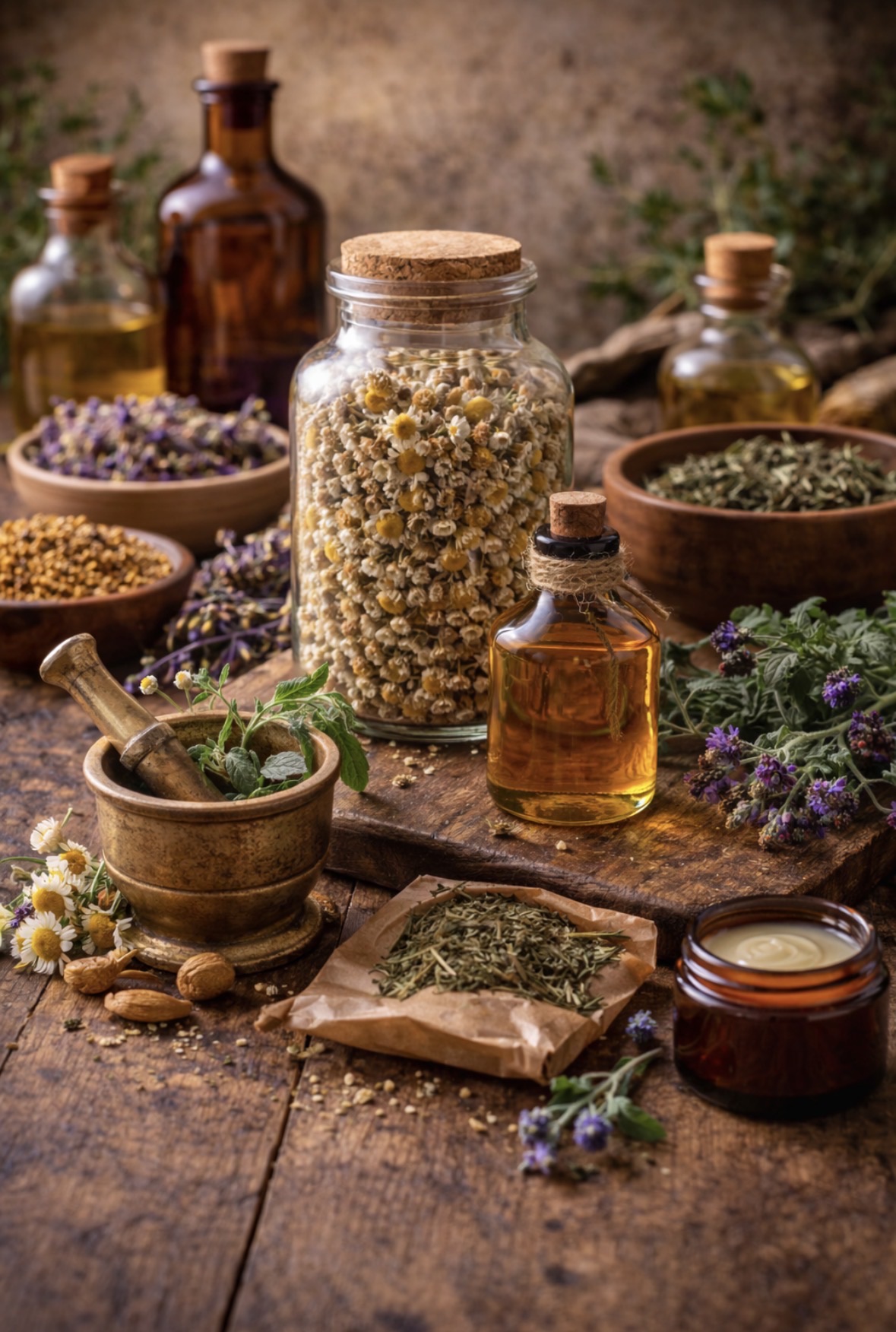
Florentine herbal and officinal products are not “items for the shelf.” They are traces of natural experience: a balance between plant matter, human knowledge, and daily care. They are not generic cosmetics. They are not “fashion perfumes.” They are not fleeting souvenirs. They are reflections of a body of knowledge that flows through folk medicine, herbalism, pharmaceutical craft, and the botanical traditions of Tuscany. They appear as: • handcrafted soaps • lavender or Tuscan herb ointments • hand and body balms • essential oils • locally harvested dried herbal teas • traditional herbal blends They are products that gently touch the skin, rather than covering it.
2 verified shops curated by our editors
Cultural significance
In Firenze, the body, the mind, and plants are not separate. The herbalist’s shop is not a cosmetics store: it is a space of connection between living and feeling. These products are not about aesthetics. They are about attention. Care for the hands after work, deep breaths during the cold seasons, herbal infusions to slow down, ointments for tension. These are not superficial products—they are everyday gestures weaving together bodily experience and material wisdom. They are the result of a culture that: • does not separate nature and human practice • does not divide body and environment • does not place fashion above function They are companions in life, not gadgets.
Origin story
The herbal tradition of Firenze was not born from abstract alchemy, nor from a desire for spectacle. It emerged from the necessity of living within the sensory world. Over the centuries, Firenze has been a crossroads of exchange: • spices • officinal plants • extraction techniques • botanical compounds Florentine spezierie, which began as pharmacy workshops before becoming shops, were spaces of: • practical research • herb observation • ingredient blending • continuous experimentation And this tradition moved through: • monks who safeguarded medicinal plants • merchants who brought spices from the East • herbalists who combined folk knowledge with scientific techniques There is no precise date, but there is a cultural logic: 👉 the human body is part of nature 👉 nature offers tools 👉 experience teaches how to use them 👉 tradition shapes the technique It is a slow process, not an instant one. It is a process of care, not of effect. Even today, in the workshops of Firenze, this line can still be felt: products are not made for immediacy. They are made to endure sensorially. They do not create fleeting perfumes. They create bodily memories.
Where to find Herbal and officinal products in Florence
📍 Key areas in Firenze: • Centro storico, in multisensory shops and historic spezierie • Oltrarno, in herbal workshops and small artisanal ateliers • side streets of Santa Croce and San Frediano, shops dedicated to herbs and soaps Typical places: • renovated historic spezierie • historic herbalist shops • labs that produce on site • artisanal natural cosmetics workshops They are not supermarkets. They are spaces of care.
Get the full verified list — map, hours, reviews — for Herbal and officinal products in Florence.
More authentic souvenirs of Florence
Go deeper on Herbal and officinal products
Unlock the full editorial dossier, certified shops with maps and opening hours, and related cultural paths.
- Certified shops nearby
- Full origin story
- Related souvenirs & paths
Free · iOS and Android · No subscription
Questions about Herbal and officinal products
What makes Herbal and officinal products authentic?
In Firenze, the body, the mind, and plants are not separate. The herbalist’s shop is not a cosmetics store: it is a space of connection between living and feeling. These products are not about aesthetics. They are about attention. Care for the hands after work, deep breaths during the cold seasons, herbal infusions to slow down, ointments for tension. These are not superficial products—they are everyday gestures weaving together bodily experience and material wisdom. They are the result of a culture that: • does not separate nature and human practice • does not divide body and environment • does not place fashion above function They are companions in life, not gadgets.
Where to find Herbal and officinal products in Florence?
📍 Key areas in Firenze: • Centro storico, in multisensory shops and historic spezierie • Oltrarno, in herbal workshops and small artisanal ateliers • side streets of Santa Croce and San Frediano, shops dedicated to herbs and soaps Typical places: • renovated historic spezierie • historic herbalist shops • labs that produce on site • artisanal natural cosmetics workshops They are not supermarkets. They are spaces of care.
How much does Herbal and officinal products cost?
€15-€90
Why choose Herbal and officinal products as a gift?
Because it embodies a local story and recognisable cultural value.
Take Trouvenir with you
iOS and Android. Free with a one-time Premium option. No subscription.