Eight things to bring home from Amalfi
3 min read
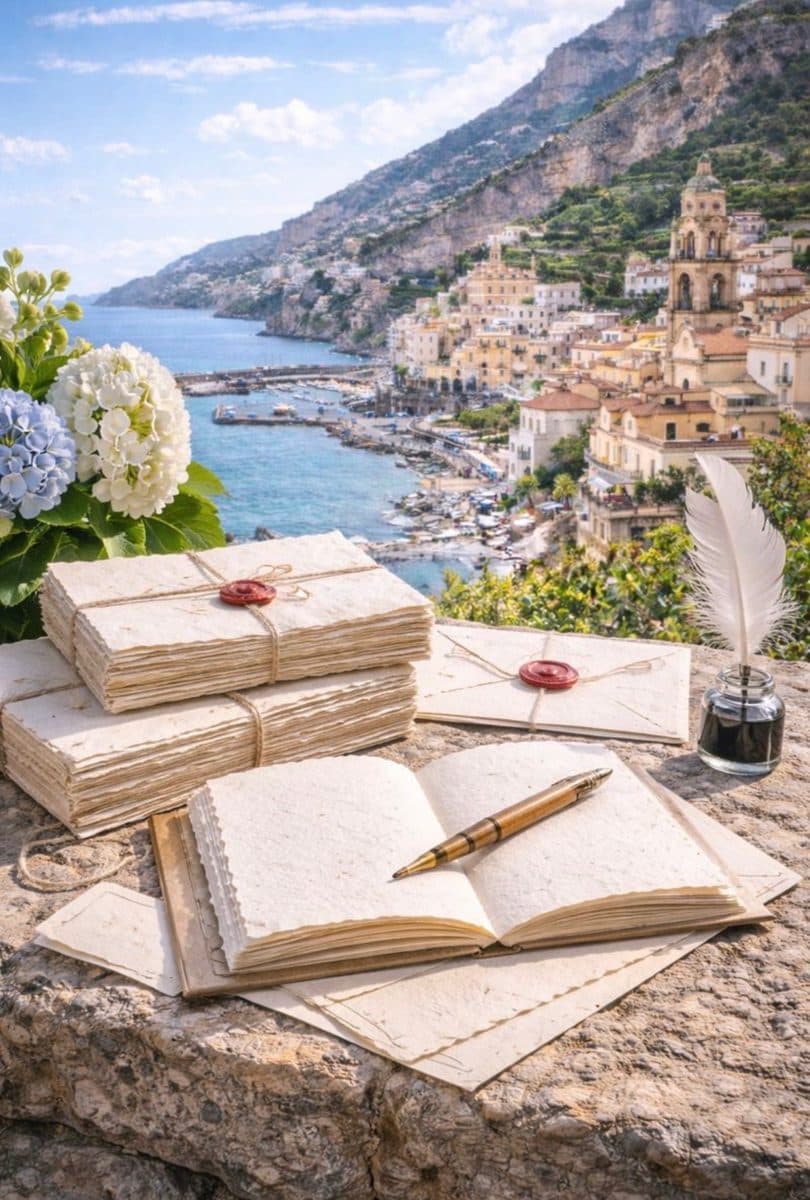
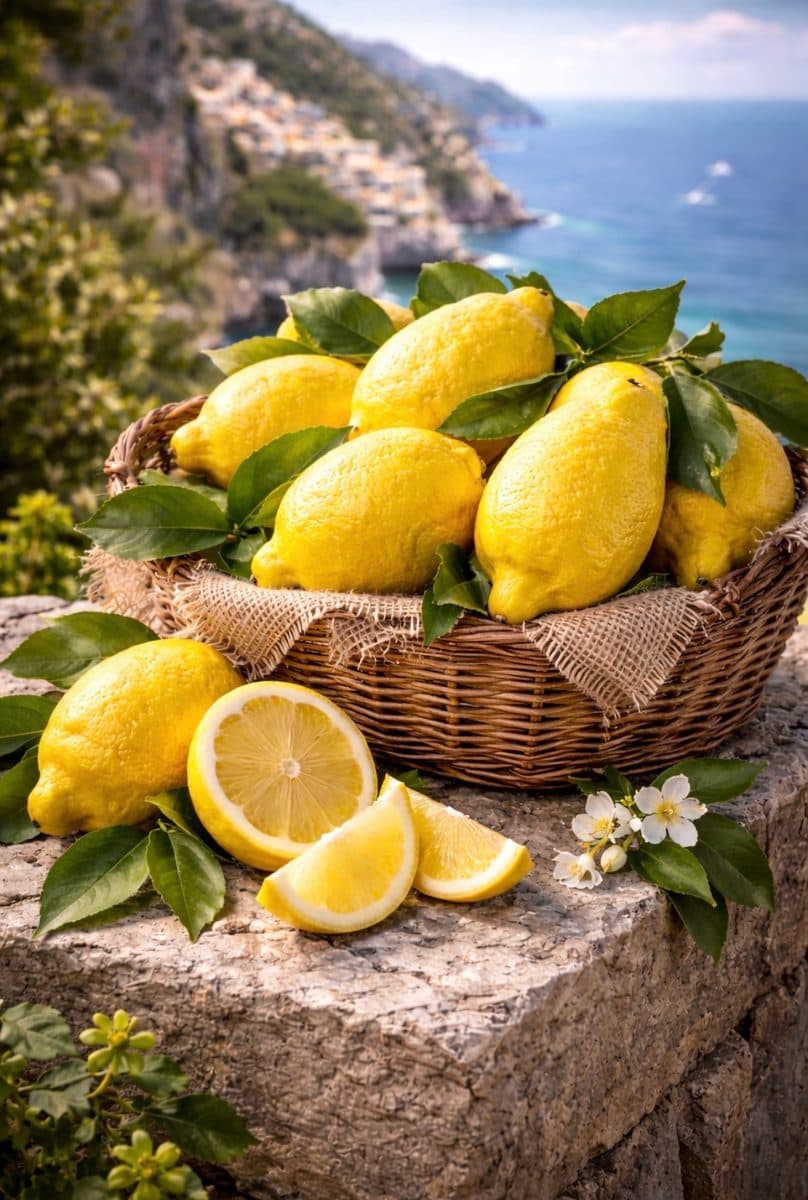
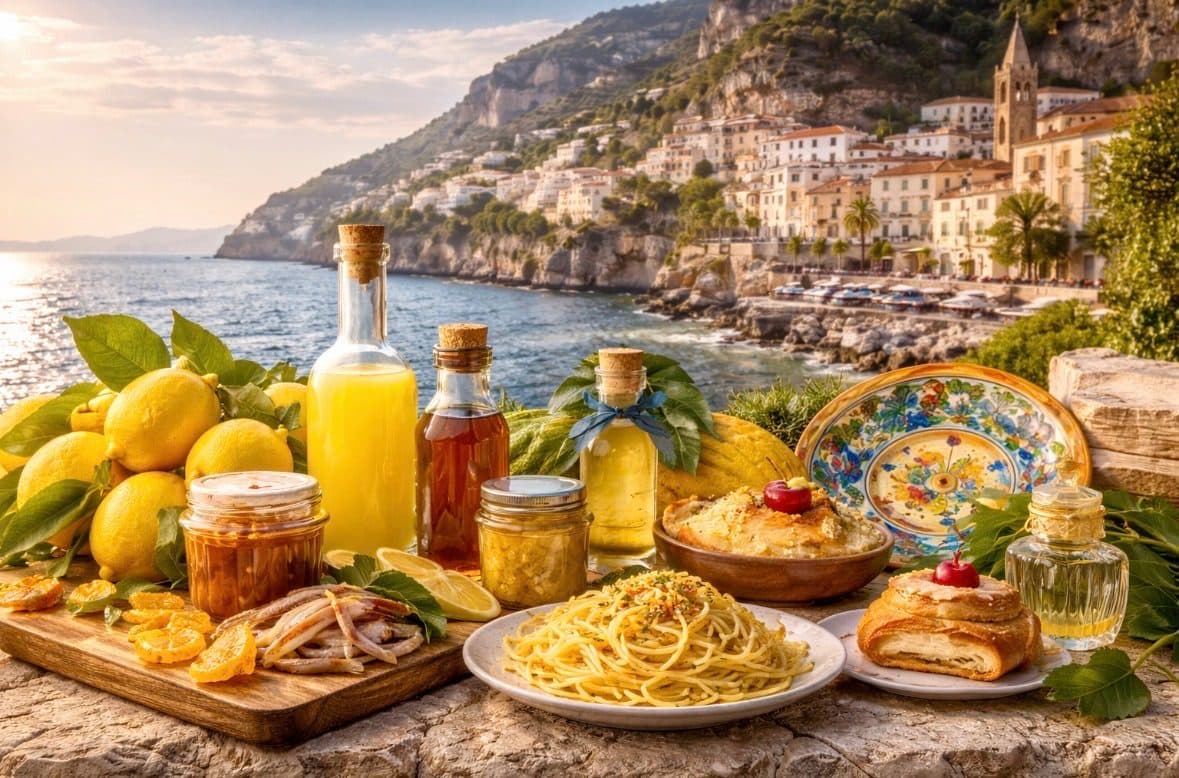
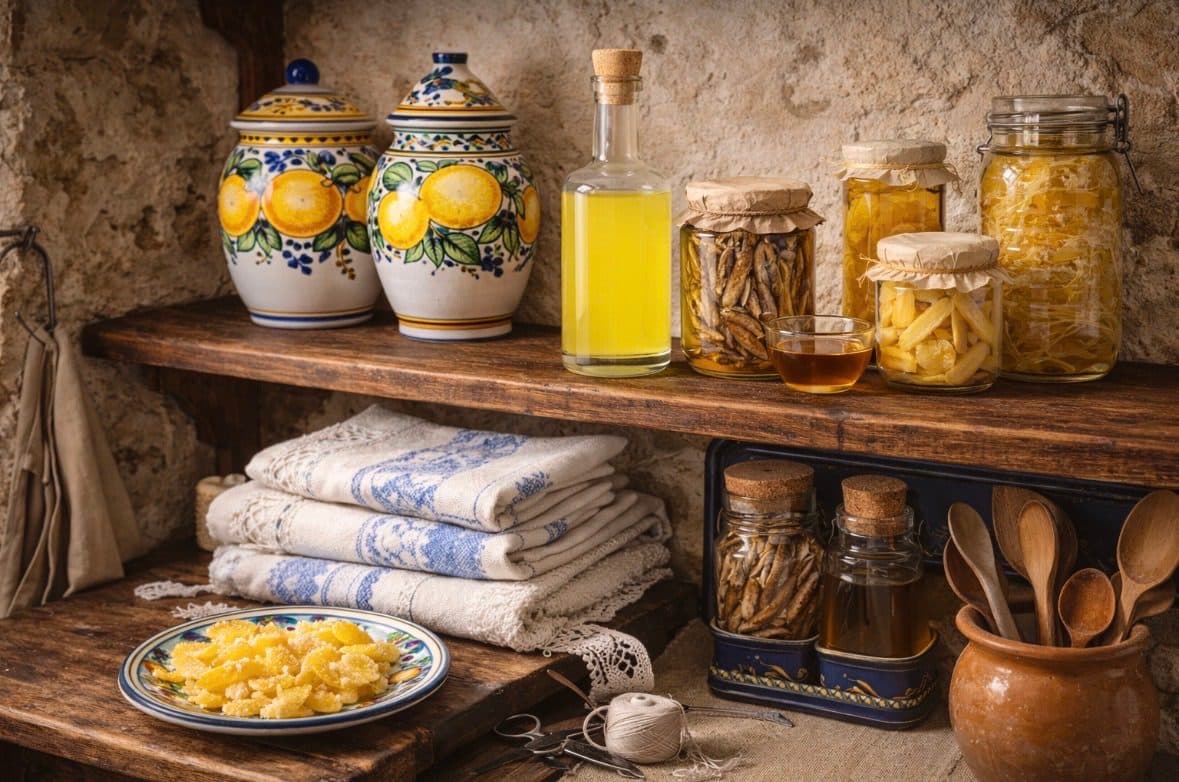
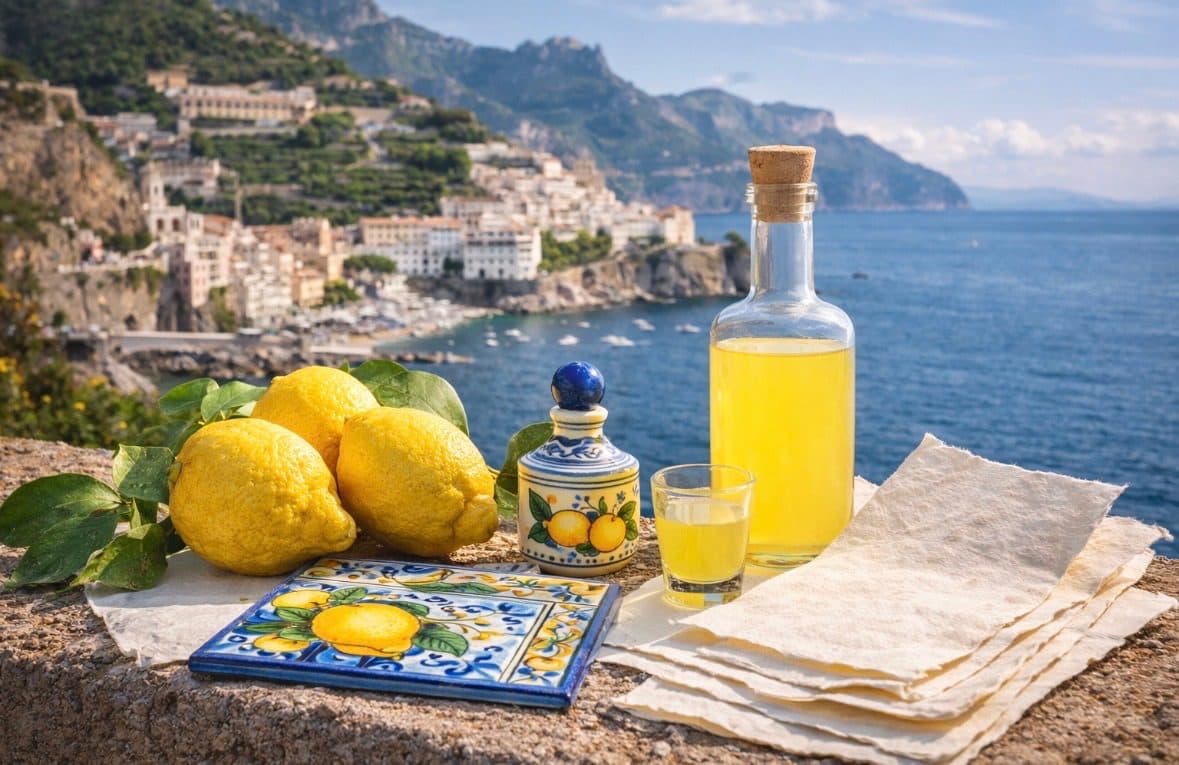
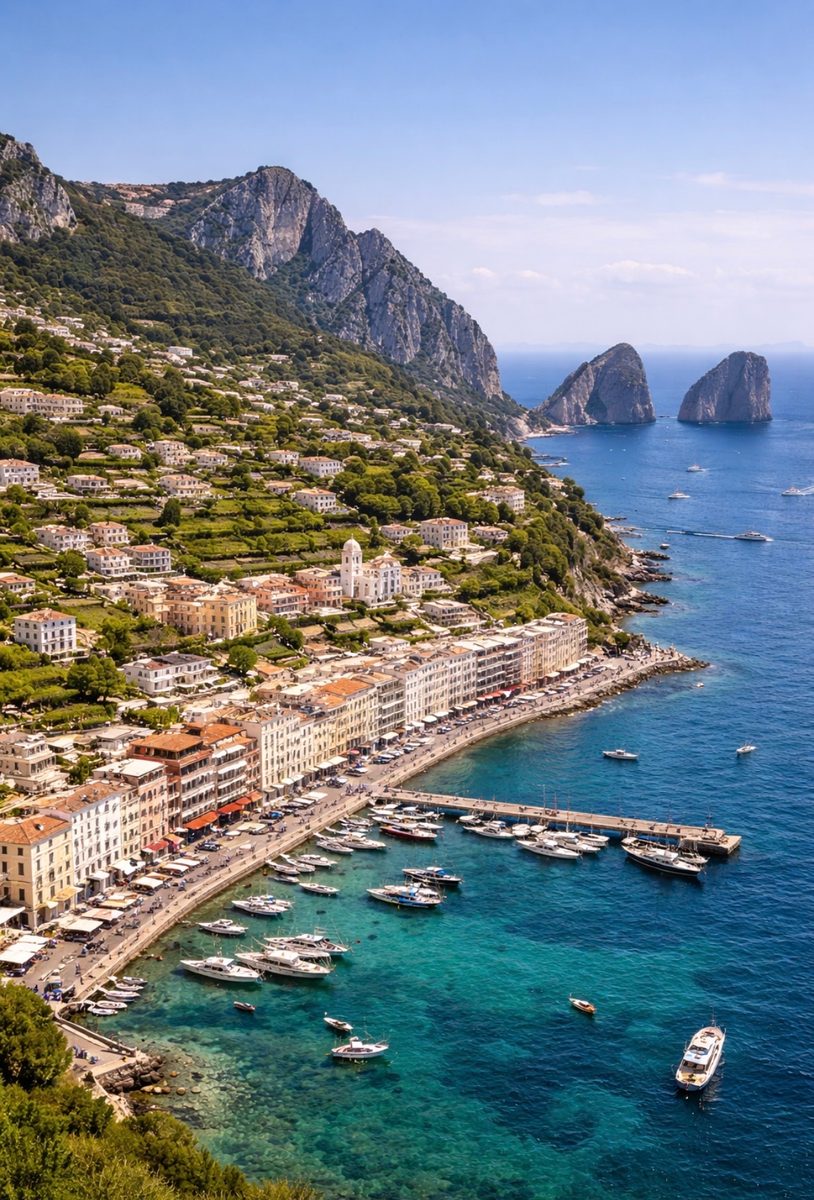
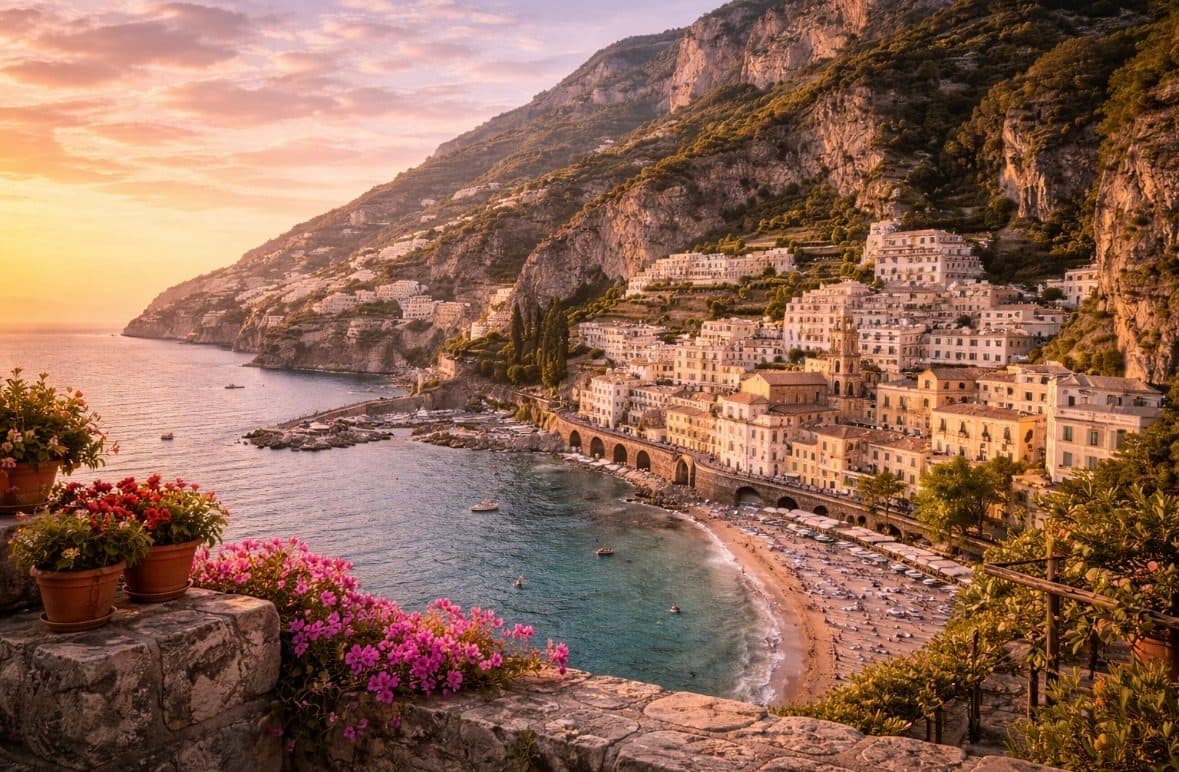
In Amalfi, the lemon you buy has a precise name, Limone Costa d'Amalfi IGP: it is the sfusato amalfitano, elongated and pointed, grown on the terraces of the coast. You take it home fresh, in jam, in candied peel or in a fragrance. The second souvenir is paper: Amalfi paper, handmade with natural fibres, comes from the valley above the village where the paper mills' waterwheels turned for centuries.
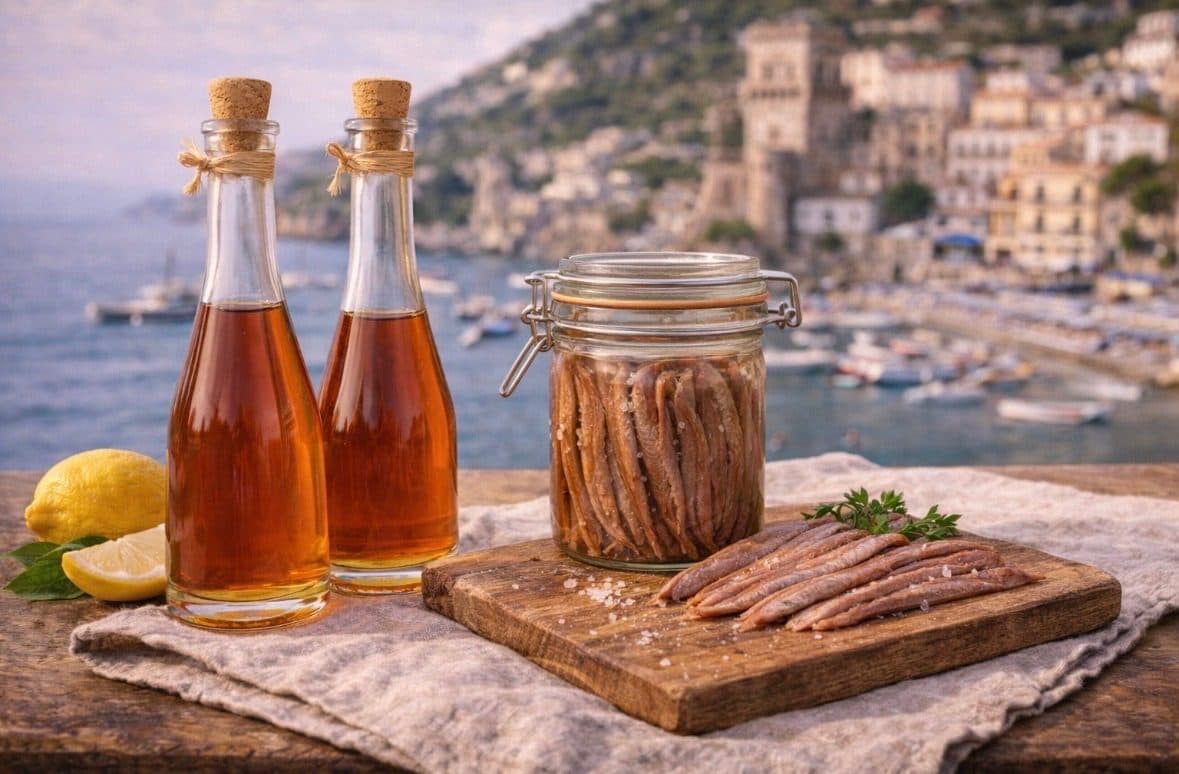
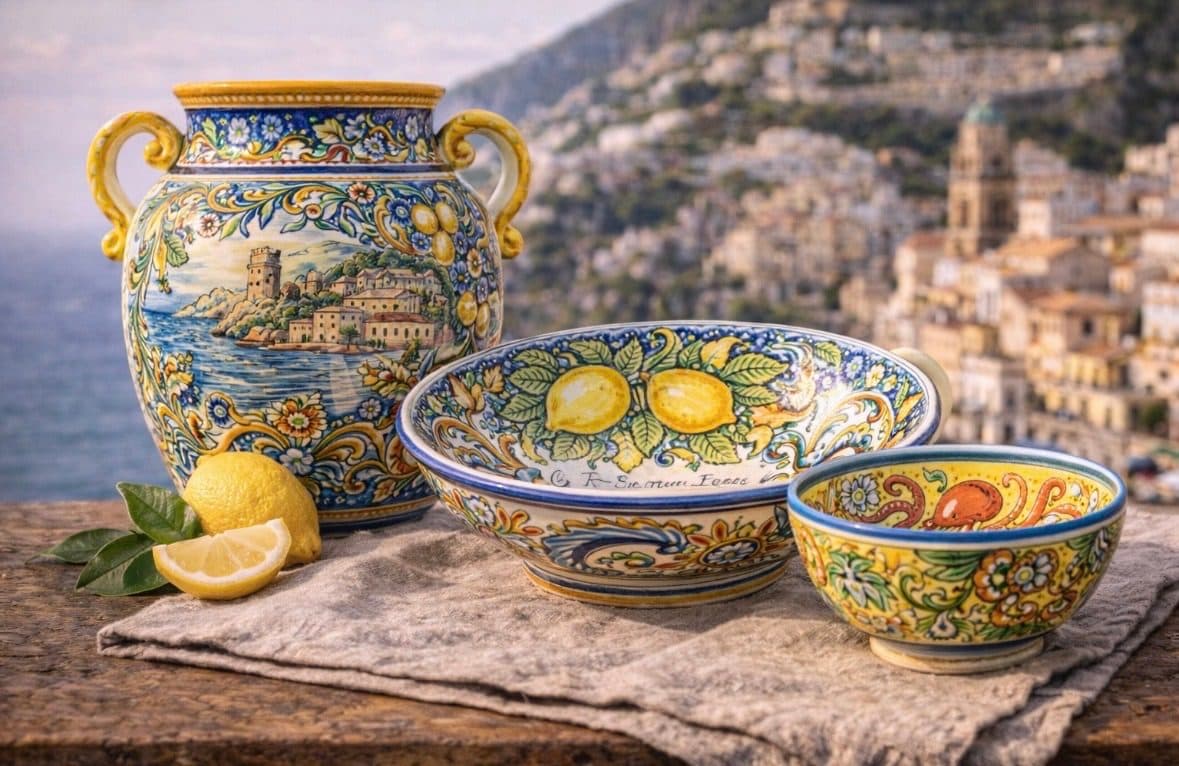
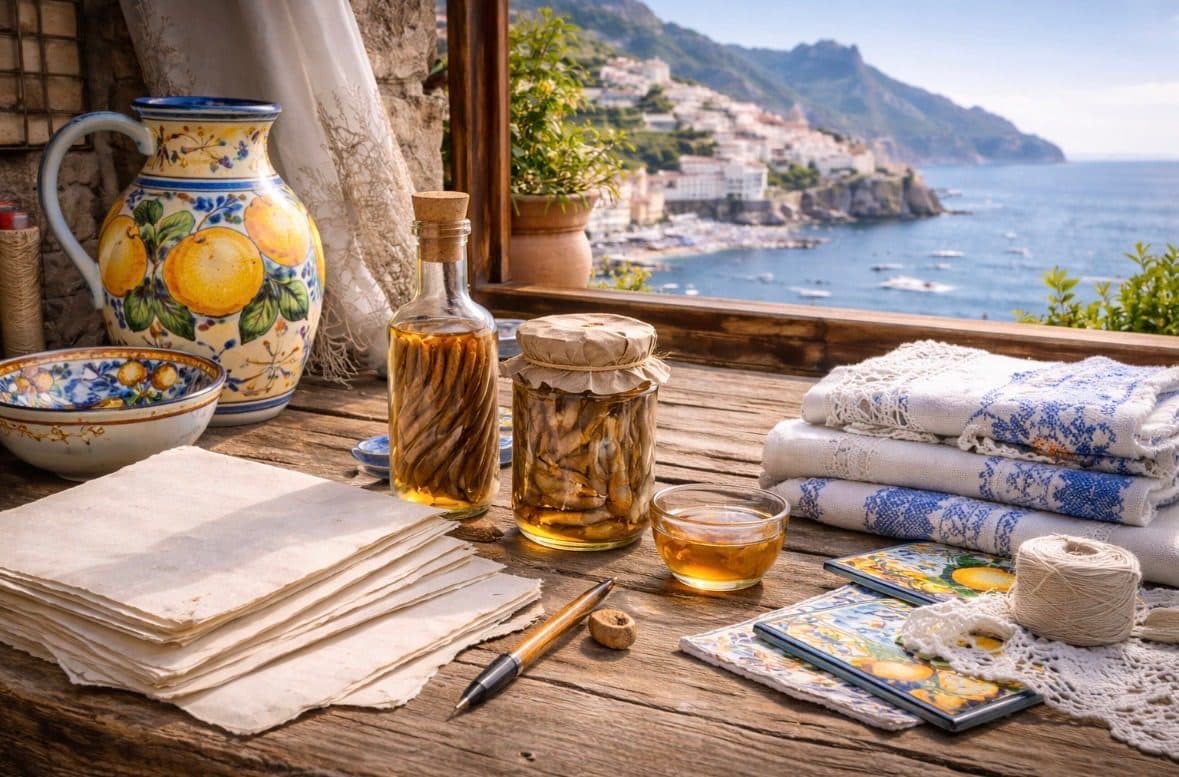
The rest comes from the coast. From Cetara, on the coast towards Salerno, come salt-packed anchovies and colatura, the amber liquid that forms during their maturation. From Vietri sul Mare, at the eastern end of the coast, come hand-painted ceramics, and from local homes embroidered table linens and linens.
- Limone Costa d'Amalfi IGP: the sfusato, elongated and fragrant.
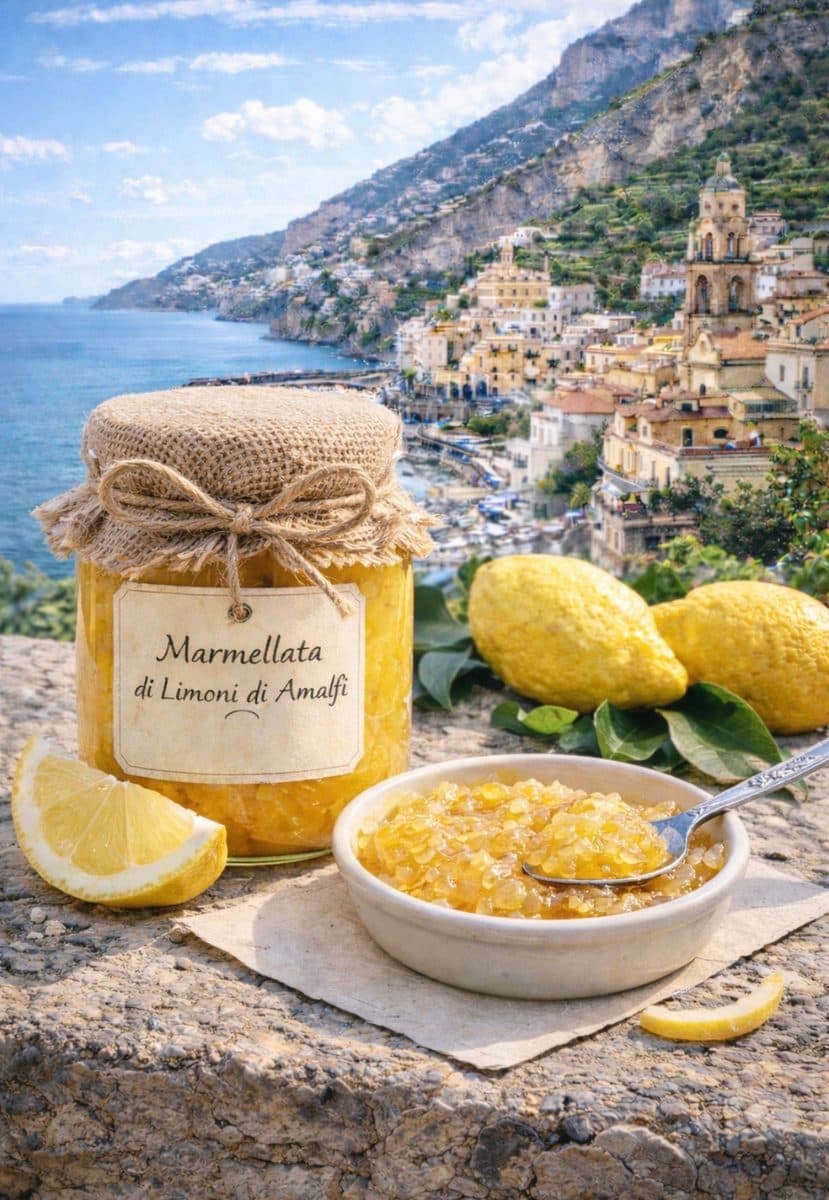
- Amalfi lemon jam: IGP lemon and sugar.
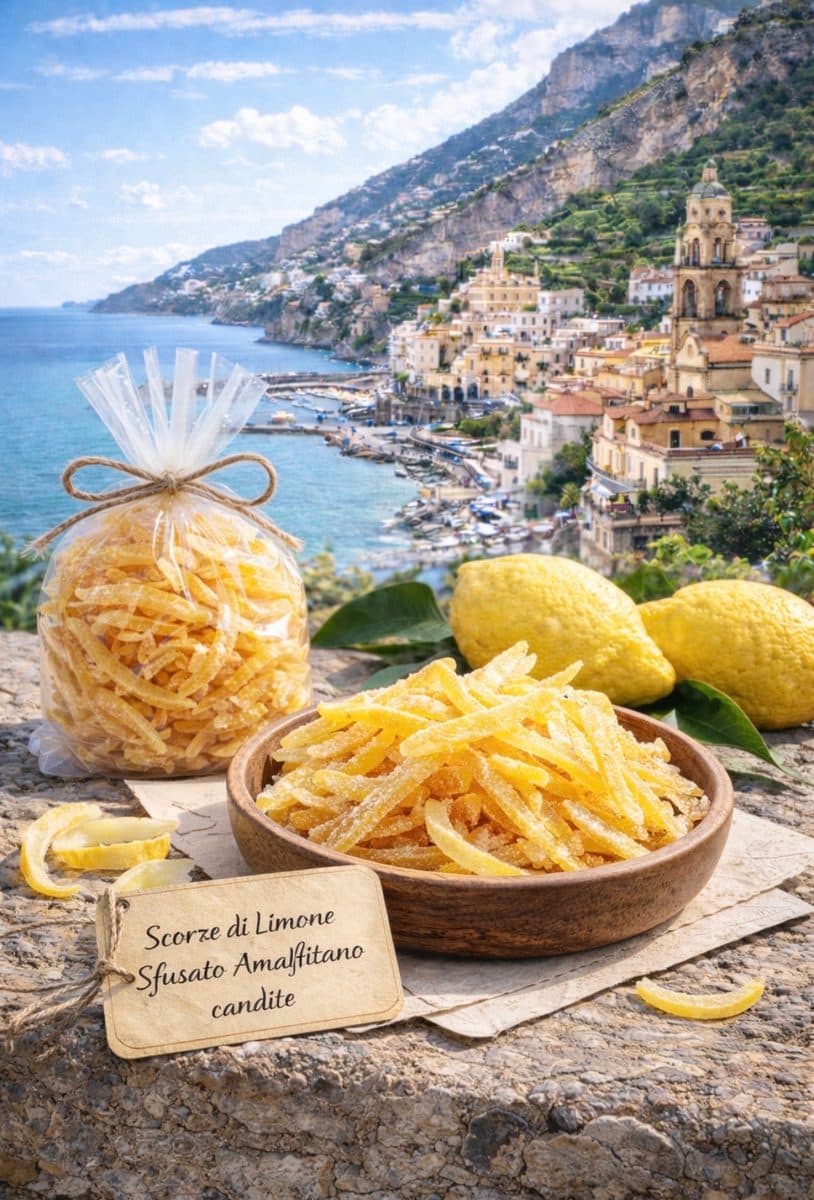
- Candied lemon peel: hand-cut peel.
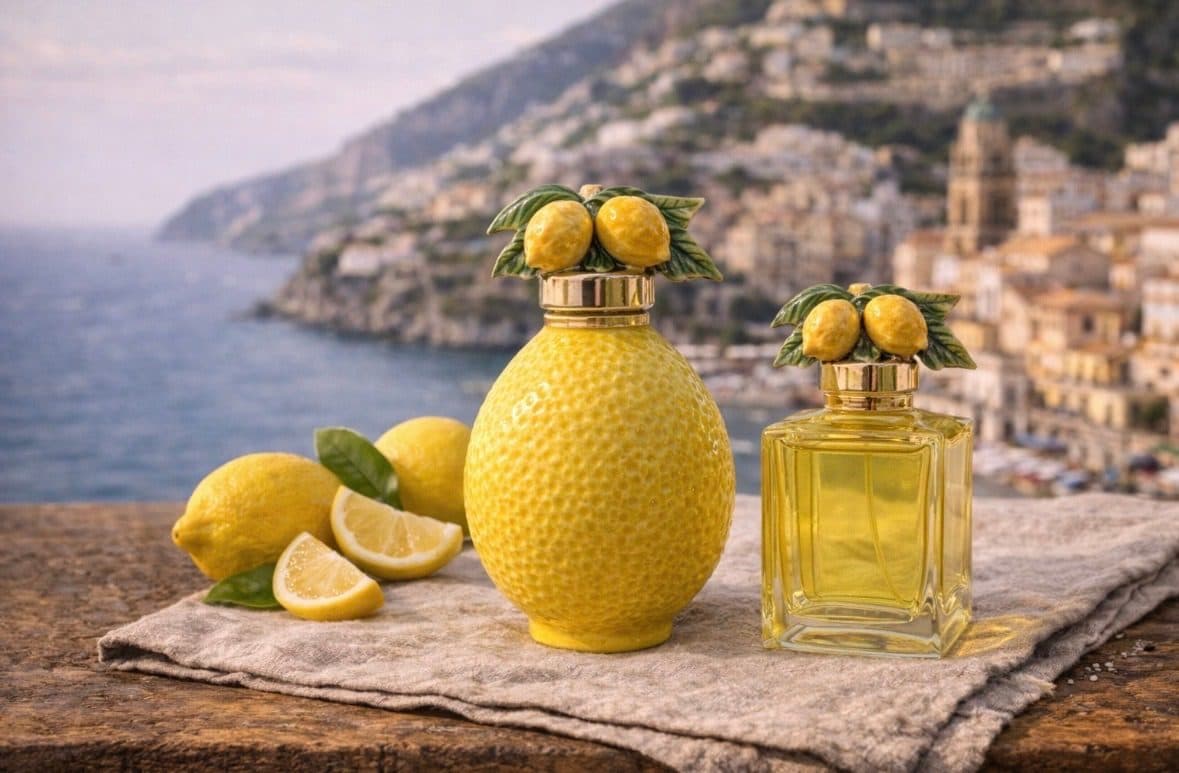
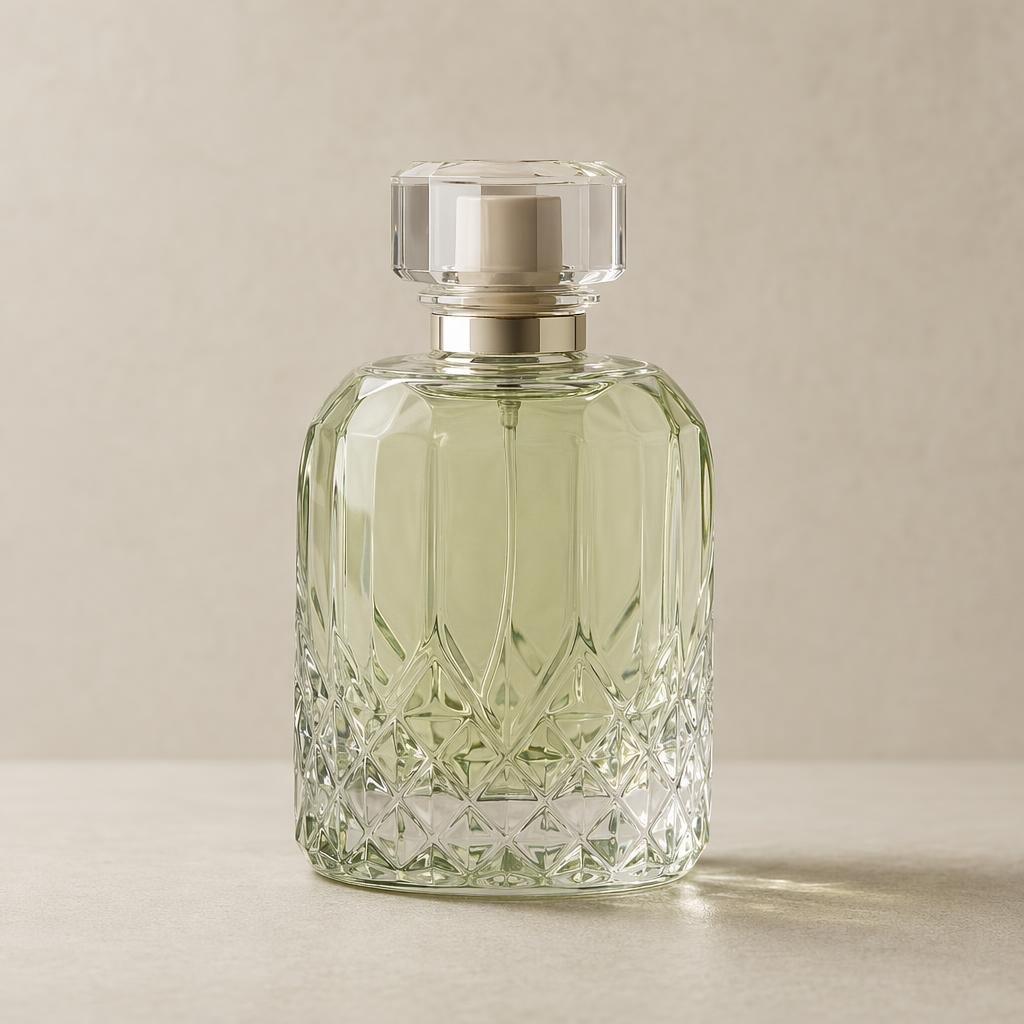
- Amalfi lemon fragrances: citrus essences.
- Amalfi paper: handmade sheets with irregular edges.
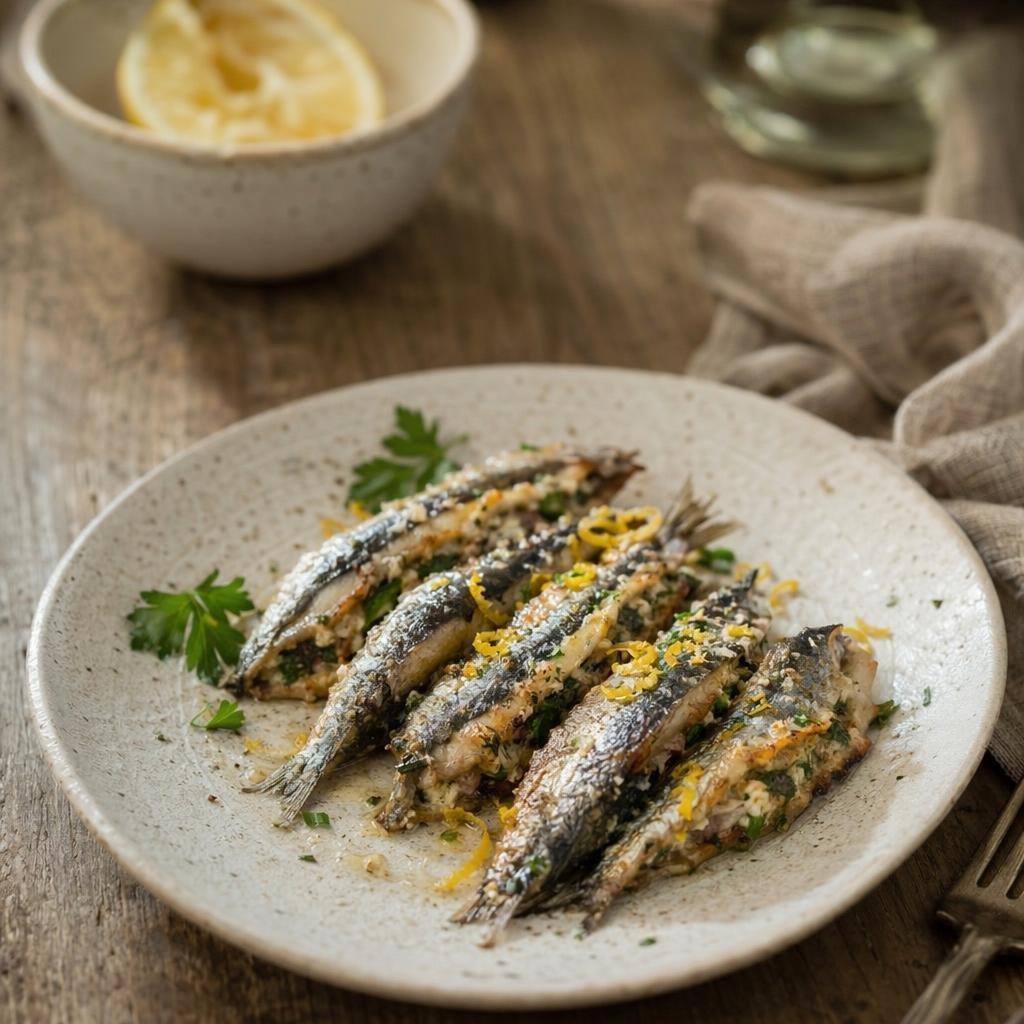
- Cetara anchovies: salt-packed anchovies and colatura.
- Coastal ceramics: hand-painted plates and tiles.
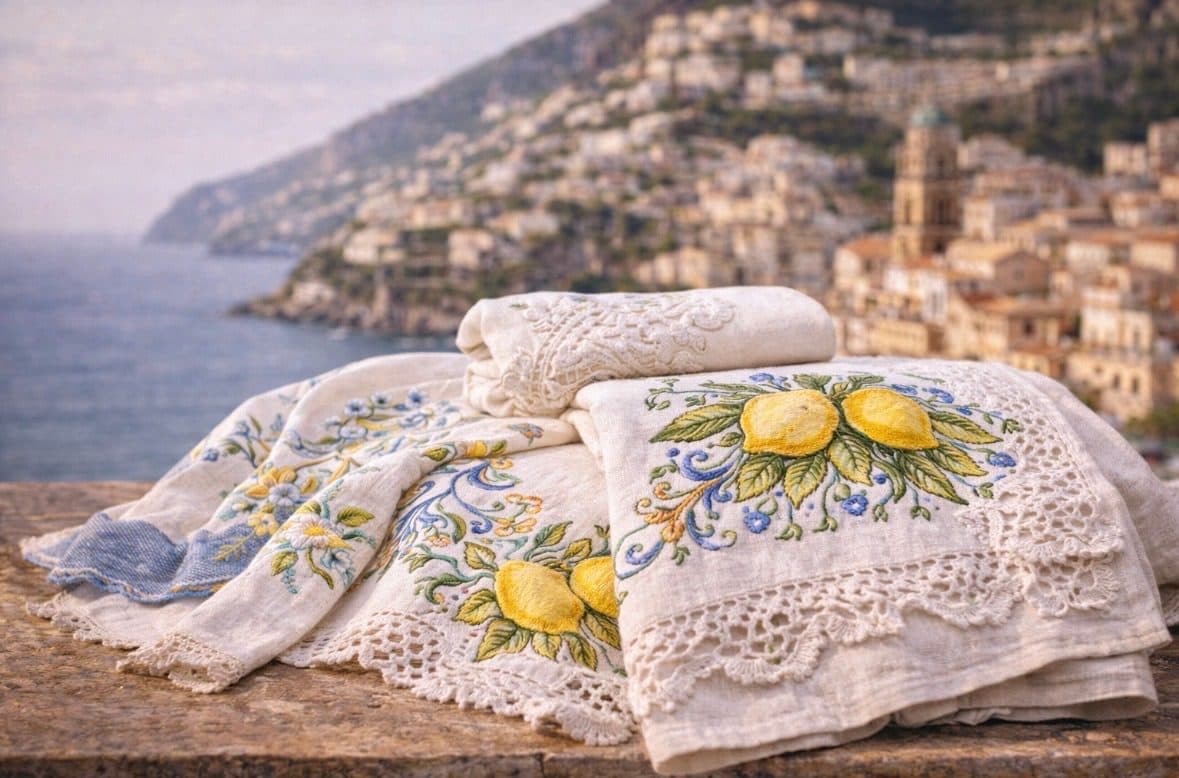
- Coastal textiles and embroidery: hand-embroidered linen and cotton.
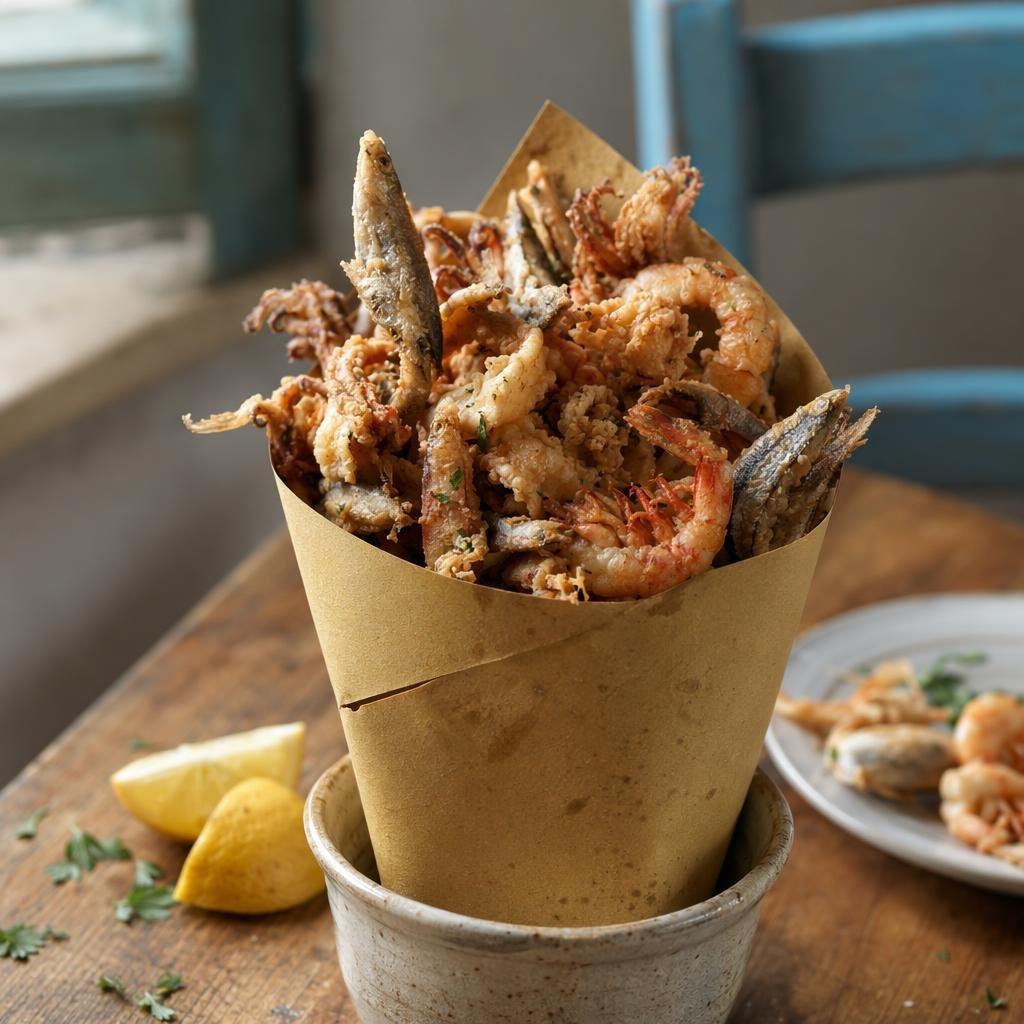
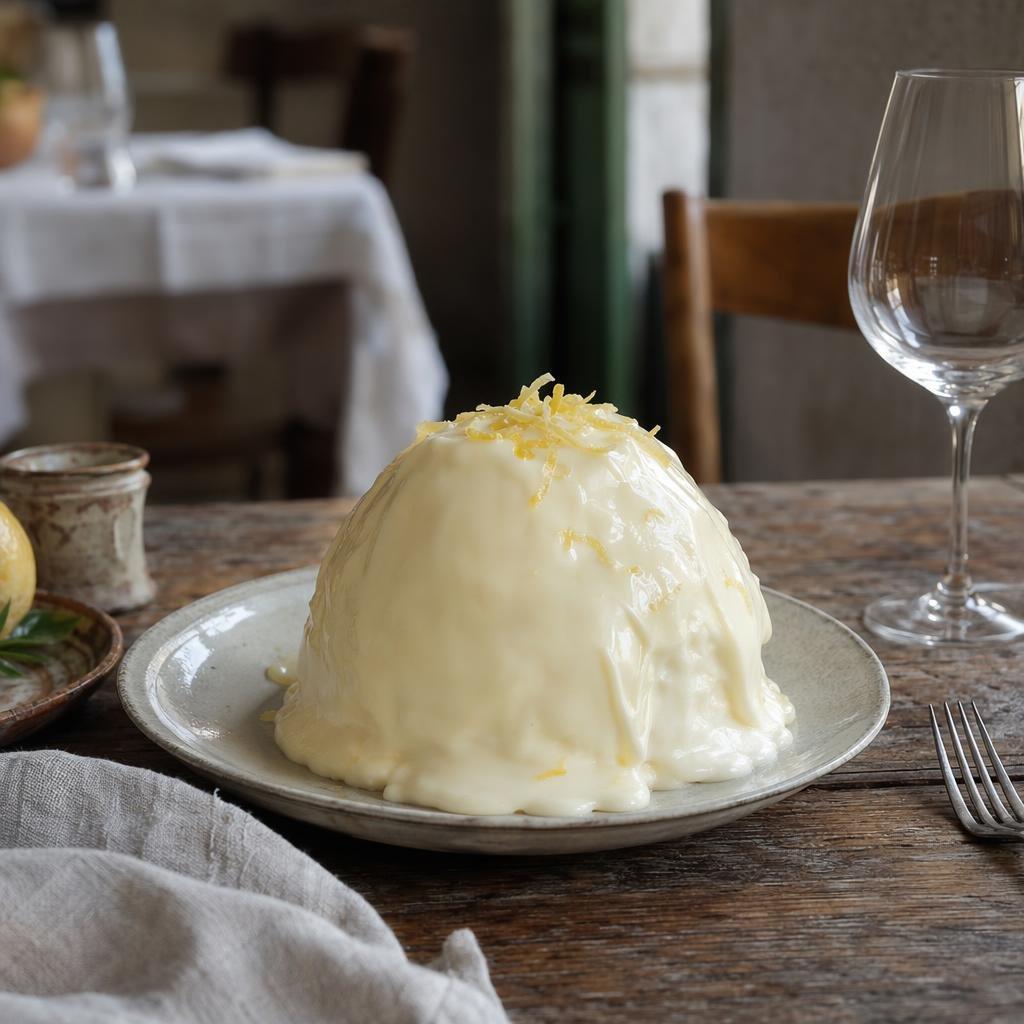
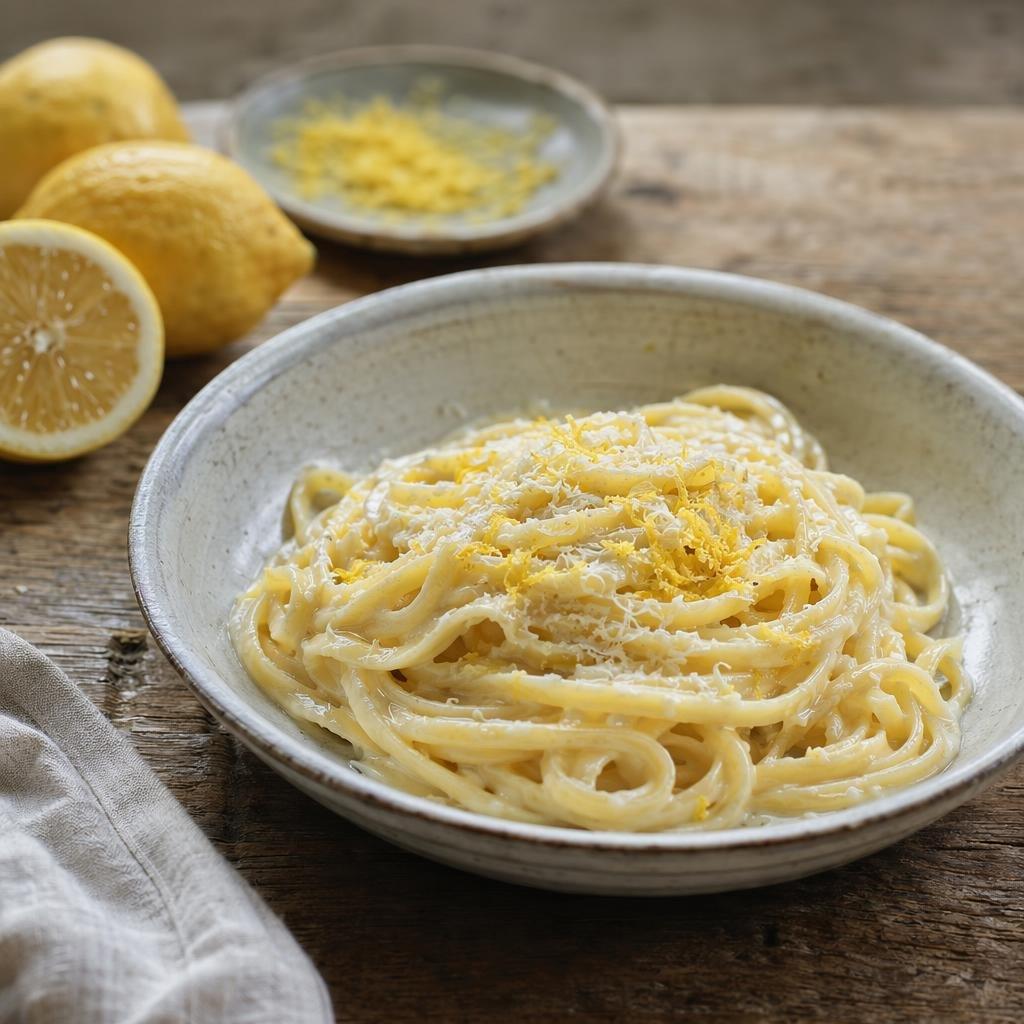
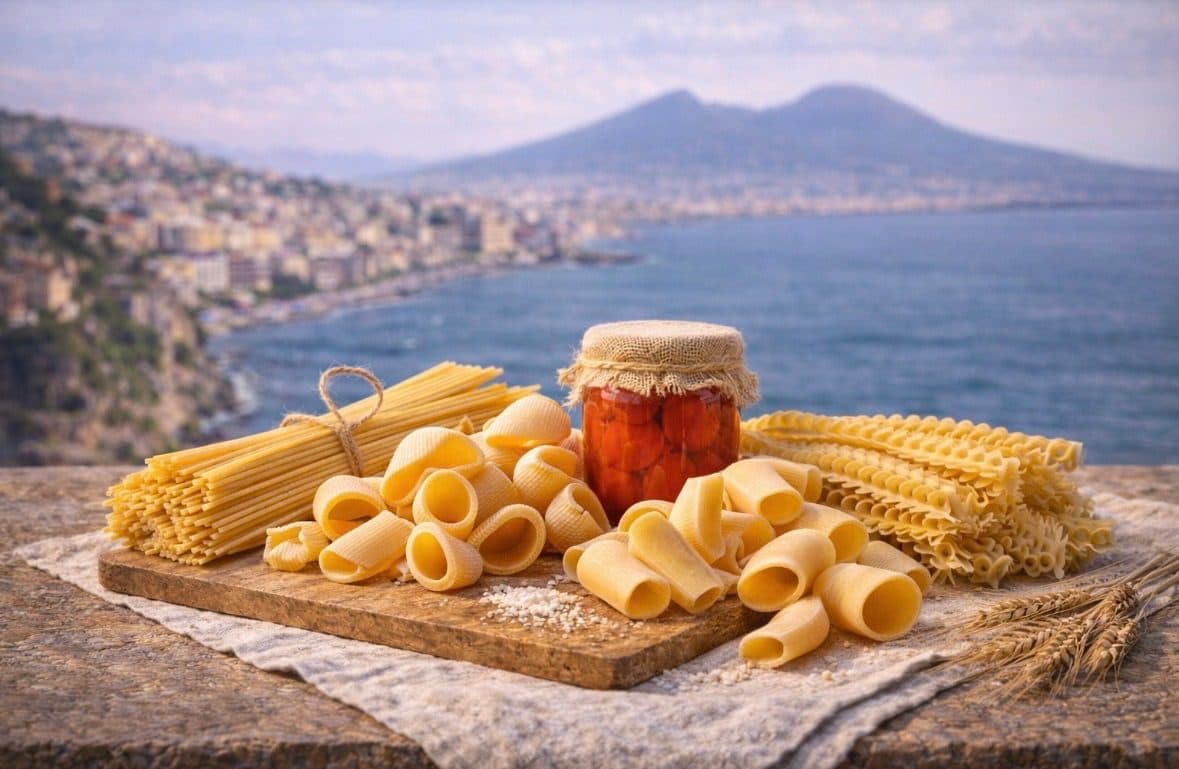
At the table, look for spaghetti with Cetara anchovy colatura, scialatielli with seafood, ndunderi from Minori, ricotta gnocchi, and for dessert delizia al limone.
Maritime republic, watermills and lemon terraces
Between the 9th and 12th centuries, Amalfi was a maritime republic with its own navigation code, the Amalfi Tables. Paper has been made since the 13th century: along the Canneto stream, in the Valle dei Mulini, paper mills beat cotton and linen rags to make parchment paper. Lemons grow on dry-stone terraces, under pergolas that are covered in winter. In Cetara, Gulf of Salerno anchovies, fished between late March and mid-July, mature under salt in terzigni, small wooden barrels, and from there the colatura drips.
What to read on lemons, colatura and paper
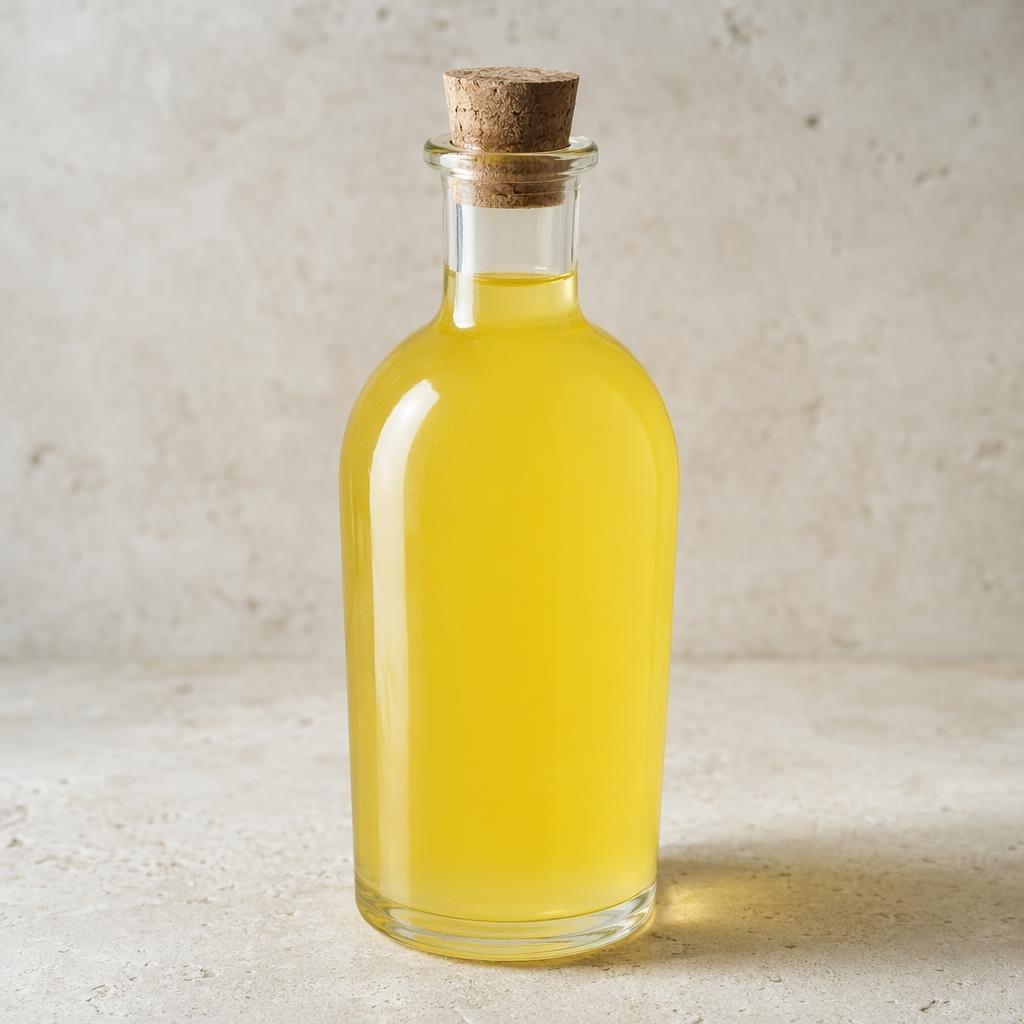
On the lemon crate or label, look for the name Limone Costa d'Amalfi IGP; the fruit is elongated, with a pointed end and light yellow, very fragrant skin. On jam and candied peel, check that the lemon used is the IGP variety. The bottle of colatura bears the name Colatura di alici di Cetara DOP, and the liquid is clear, amber, tending towards mahogany. On the paper, look at the irregular edges of the handmade sheet and ask at the paper mill which fibres it is made from.
From the Valle dei Mulini to Cetara and Vietri
Lemons, jams, candied peels and fragrances can be found in the local product shops in the centre and on the farms along the coast. For paper, walk up from the village towards the Valle dei Mulini: there you will find the Paper Museum and a few still-active workshops. Colatura and salt-packed anchovies can be bought in Cetara, the fishing village on the coast towards Salerno. Hand-painted ceramics are to be looked for in the workshops of Vietri sul Mare.
Lemons, glass and ceramics in your suitcase
Fresh lemons cost between 2.50 and 5 € per kilo and hold up well for a few days of travel; outside the European Union check the rules on fresh fruit first. Jam ranges from 5 to 10 €, candied peel from 6 to 15 €, anchovies and colatura from 10 to 40 €: put glass in your checked baggage, well wrapped. A lemon fragrance, between 18 and 45 €, can be brought in hand luggage up to 100 ml. Ceramics cost between 40 and 200 €: have them packed at the workshop.