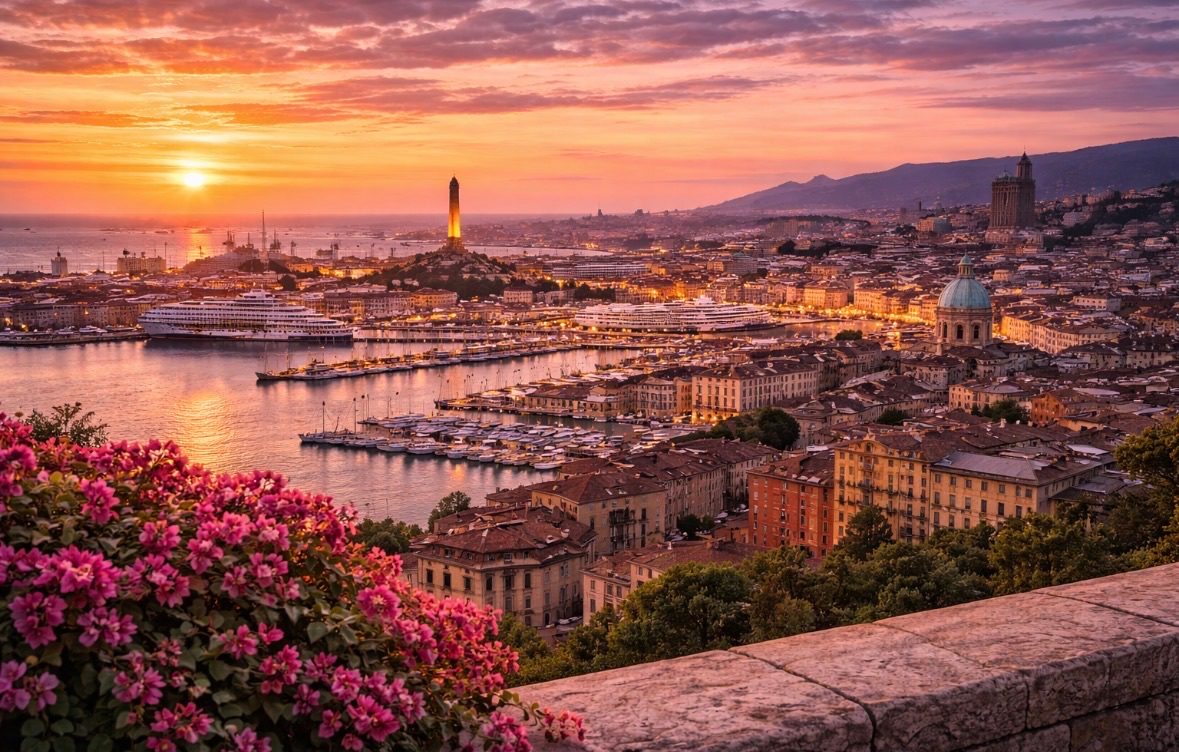
Trieste in two souvenirs and ten dishes
3 min read
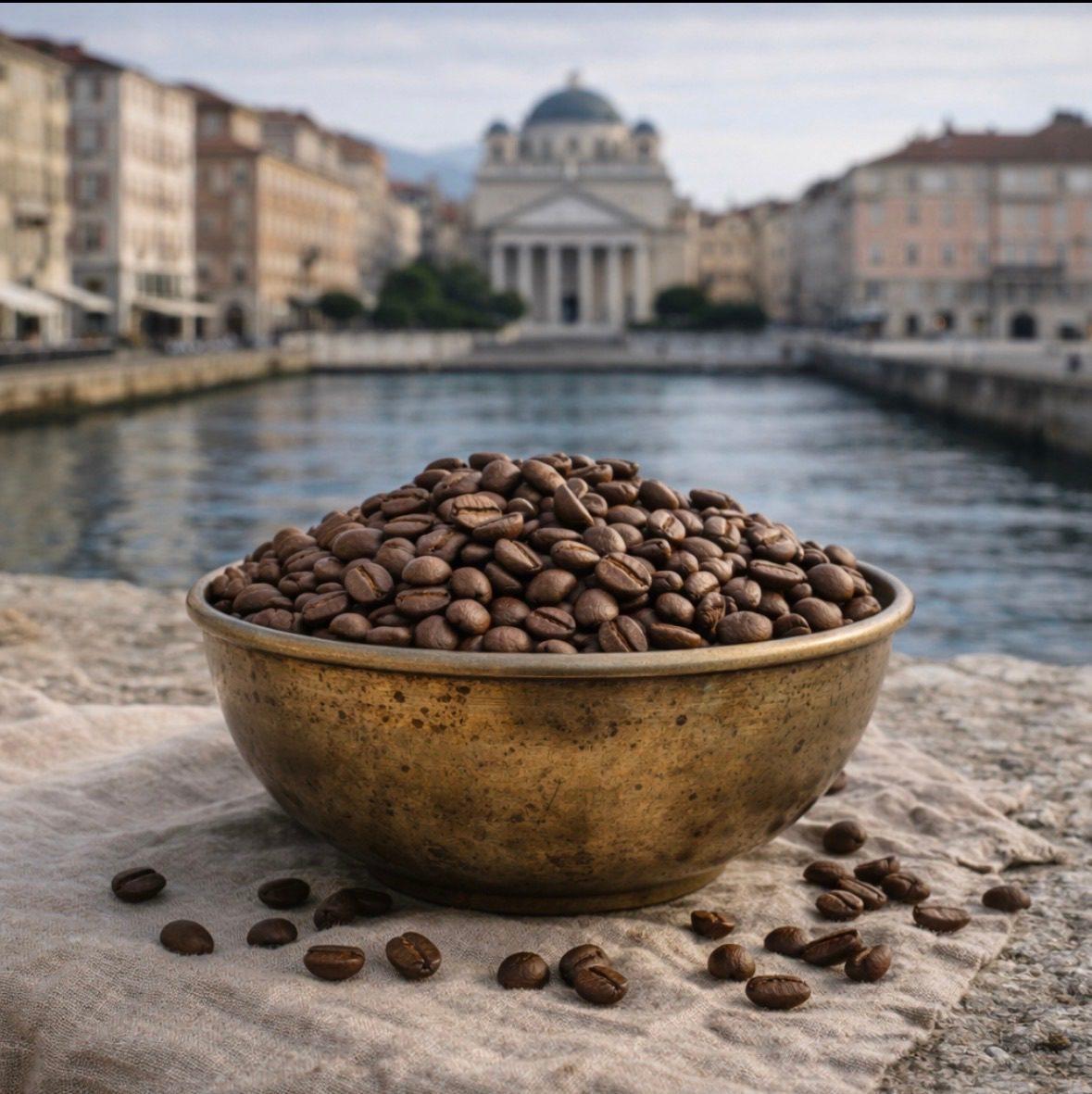
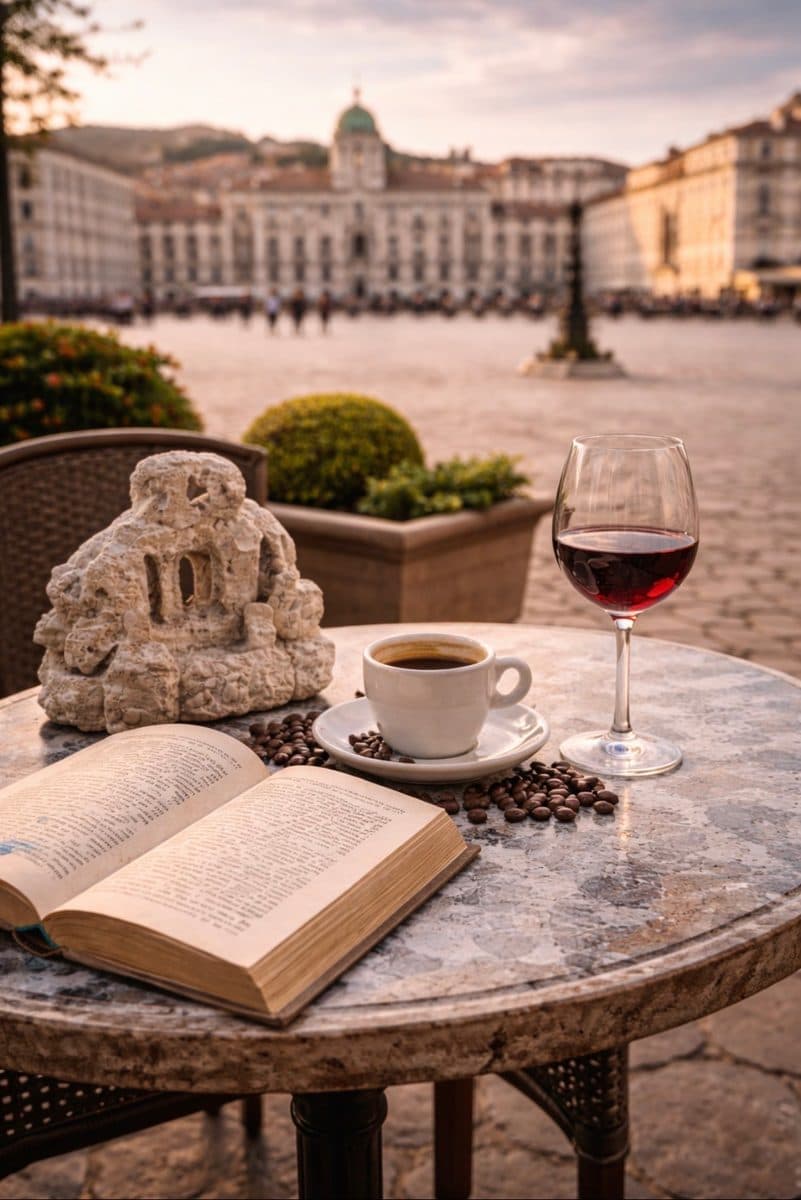
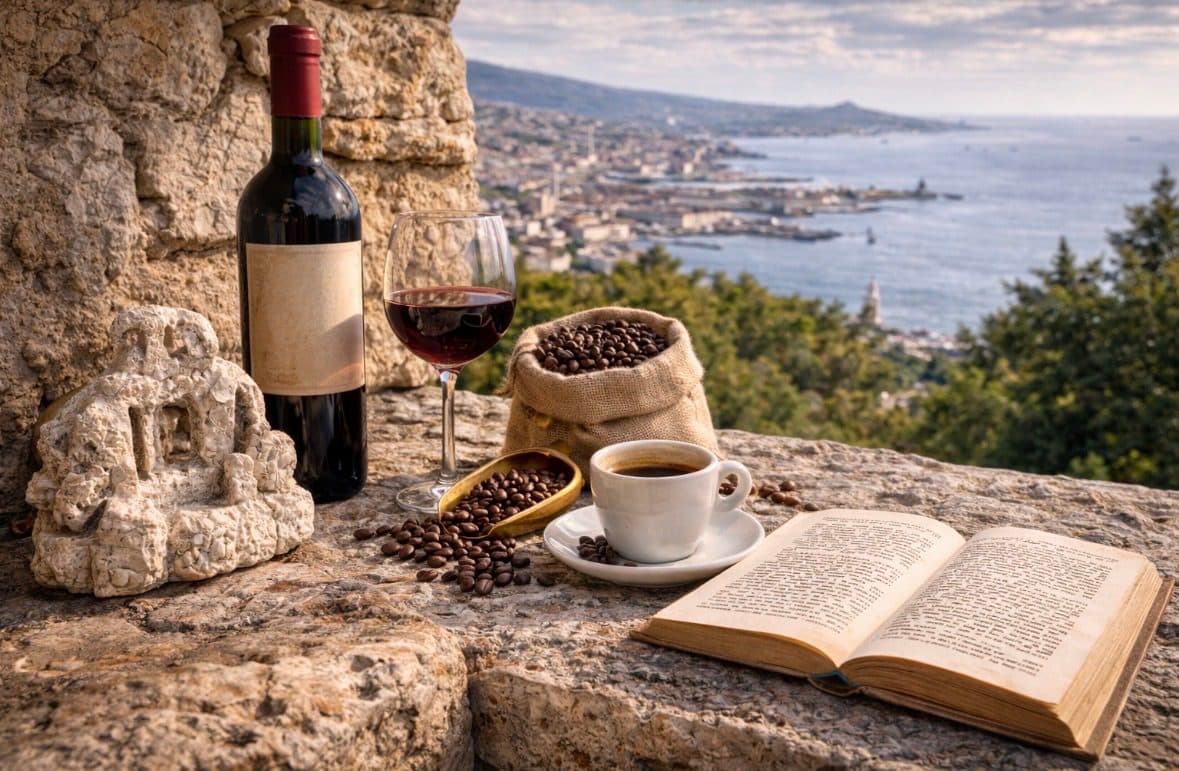
In Trieste, you order coffee at the counter before buying it: ask for a nero, which is an espresso, or a capo in b, a macchiato served in a small glass, and then choose the blend to take home directly from the roastery. This connection comes from the port: in 1719 Trieste became a free port of the Habsburg Empire, and over time, green coffee traffic gave rise to roasting companies and trading houses. Local blends, often Arabica with a portion of Robusta, are designed for espresso and the moka pot.
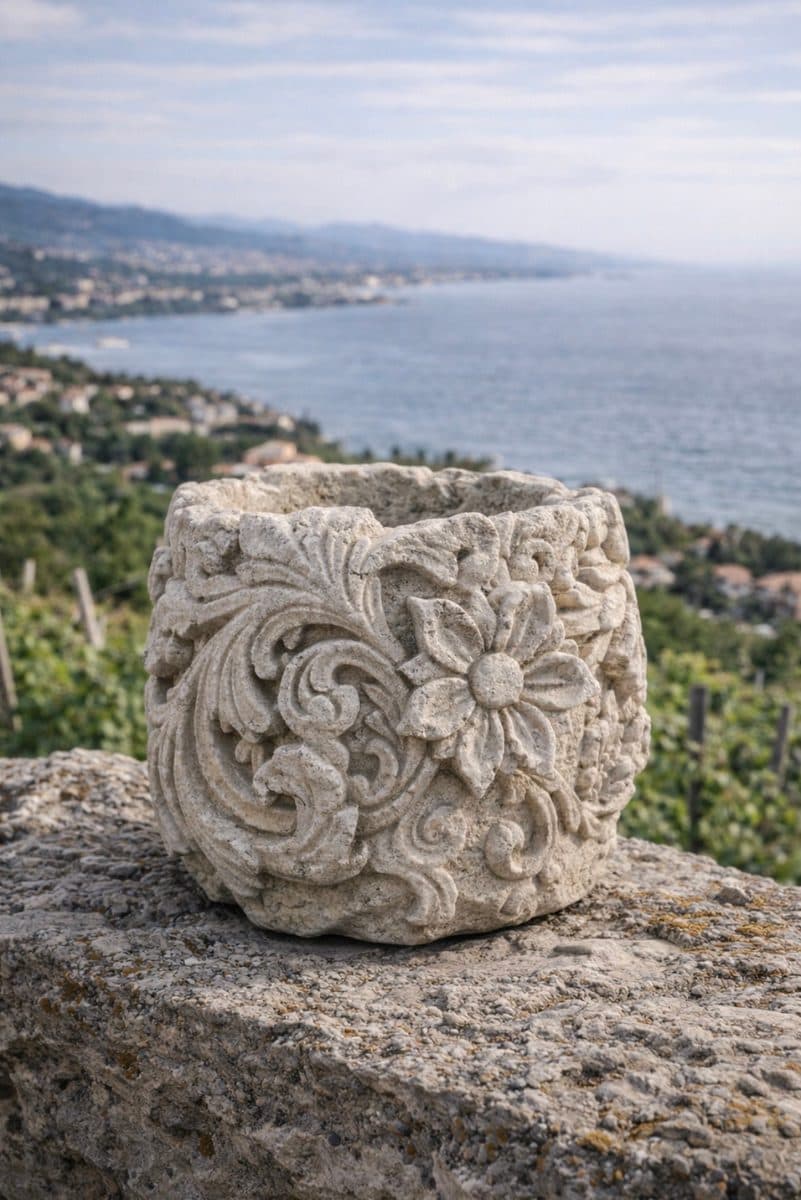
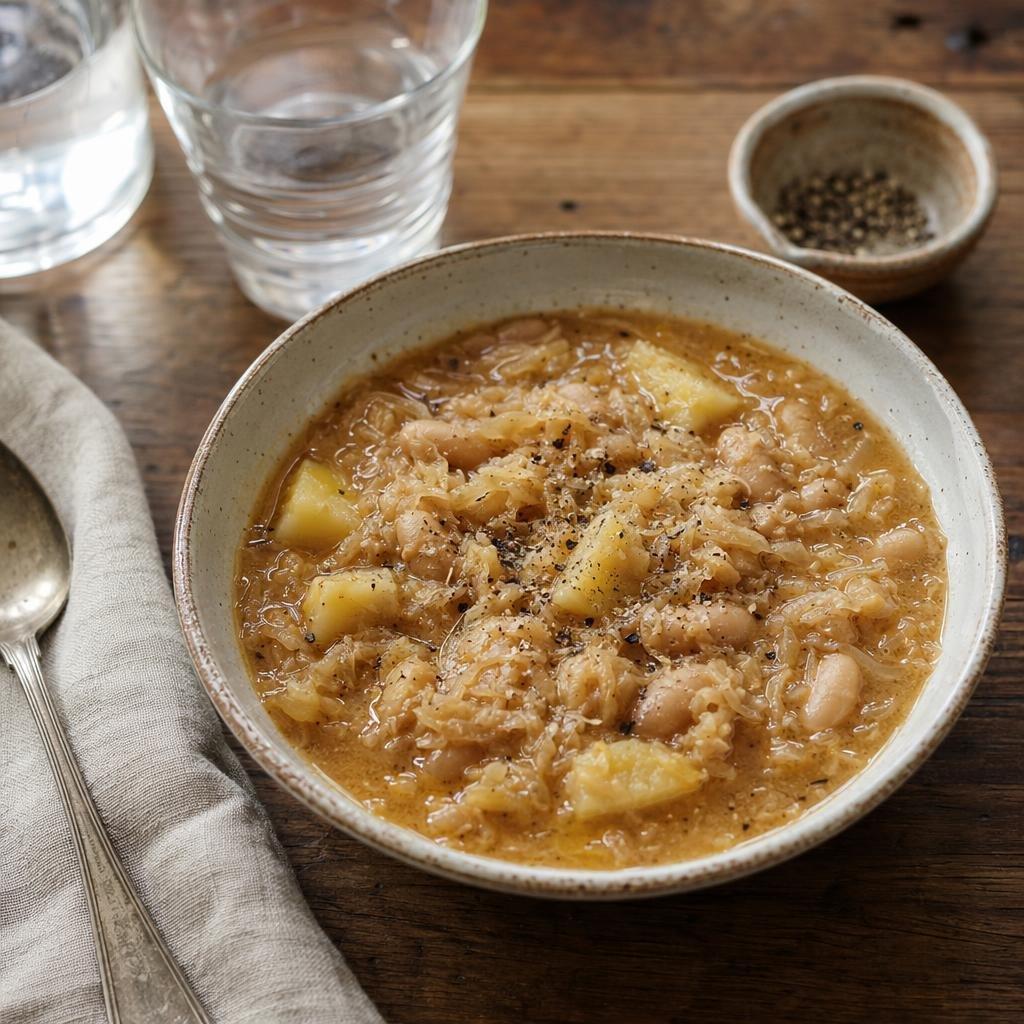
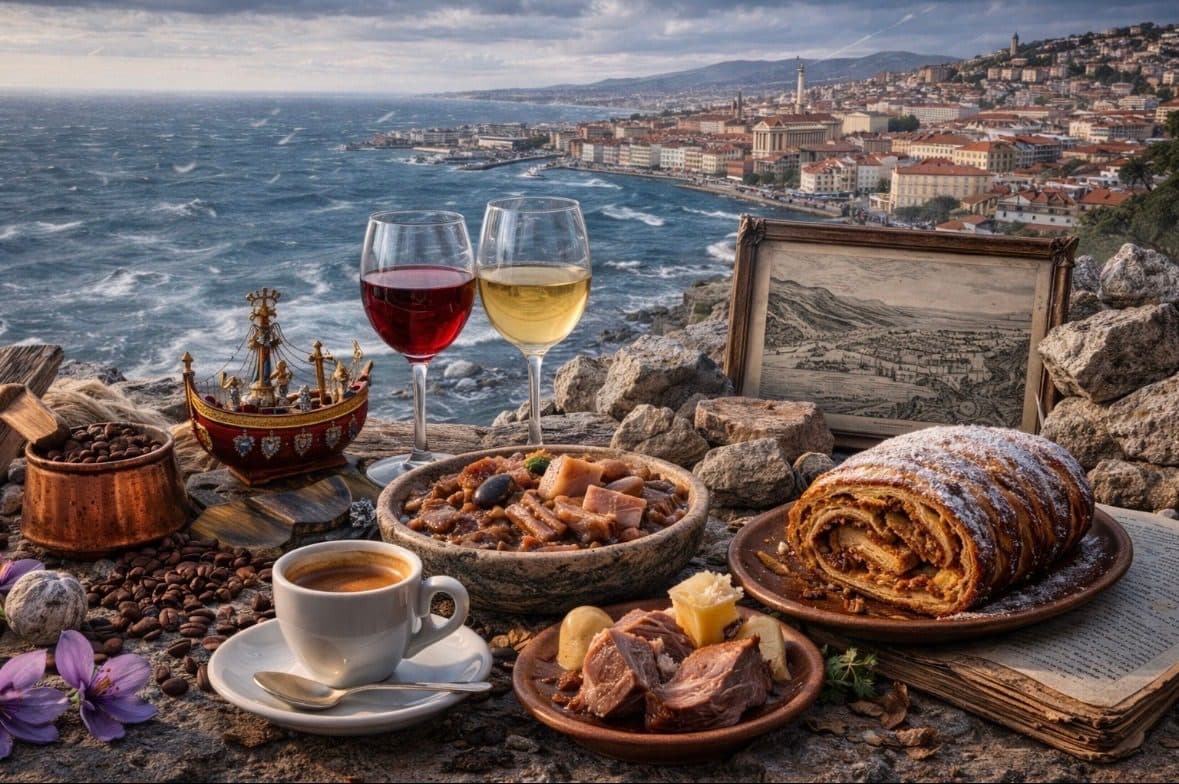
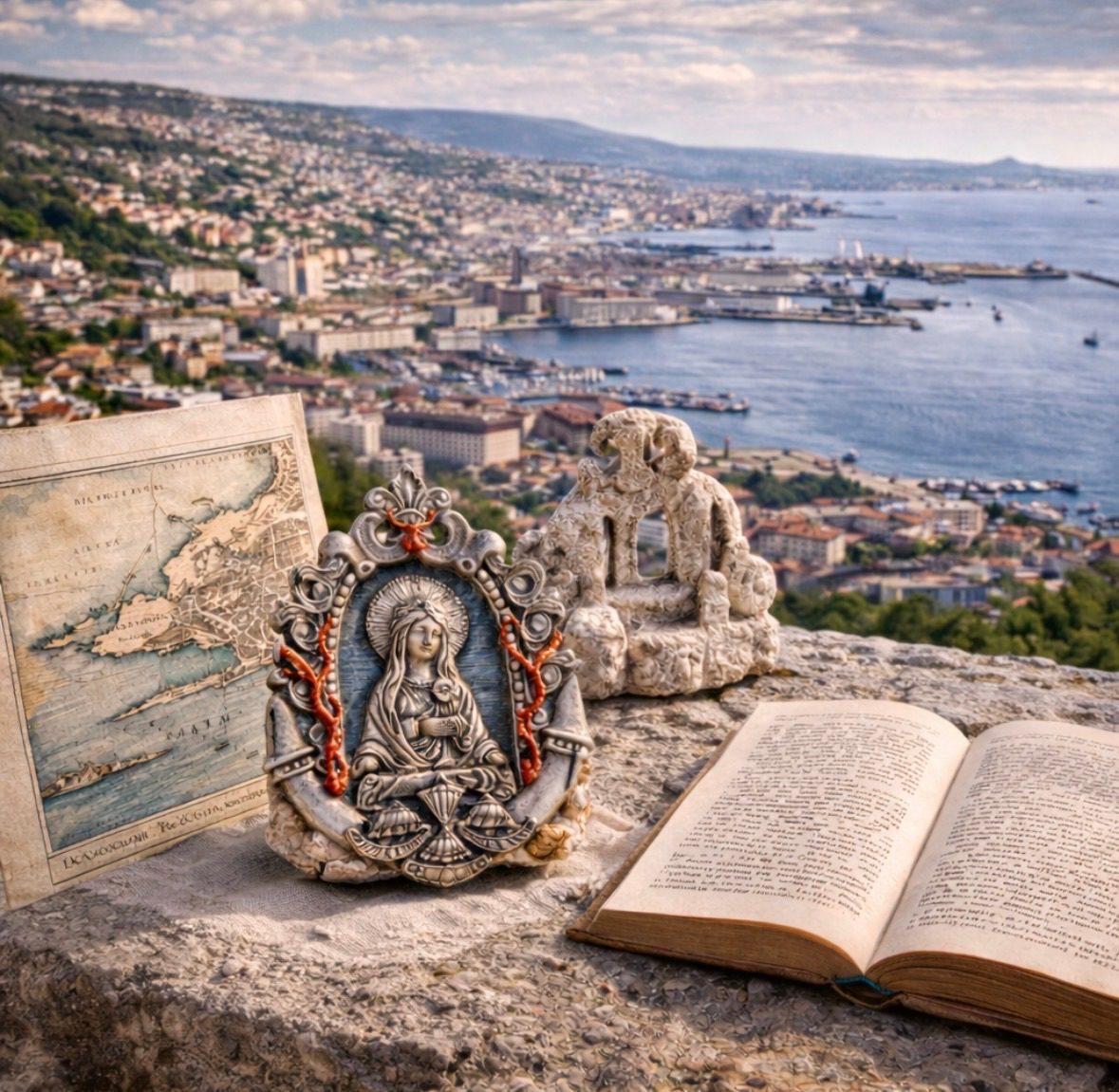
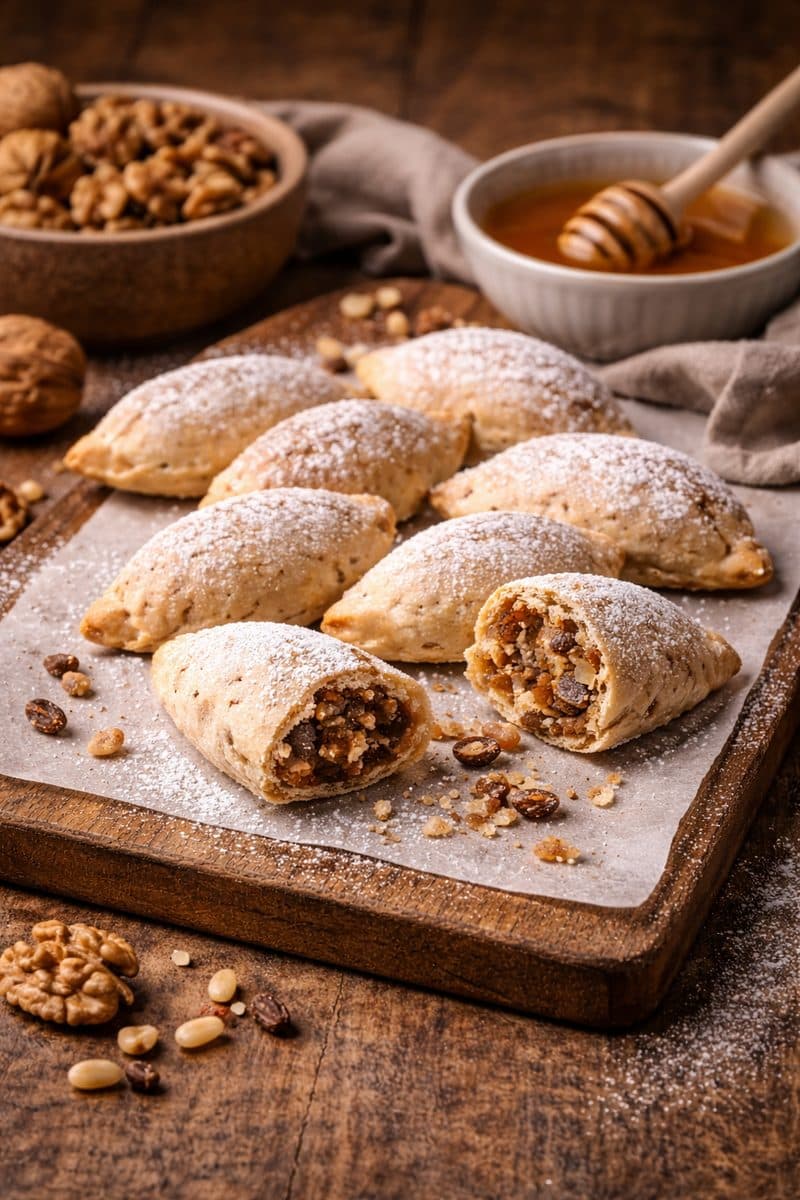
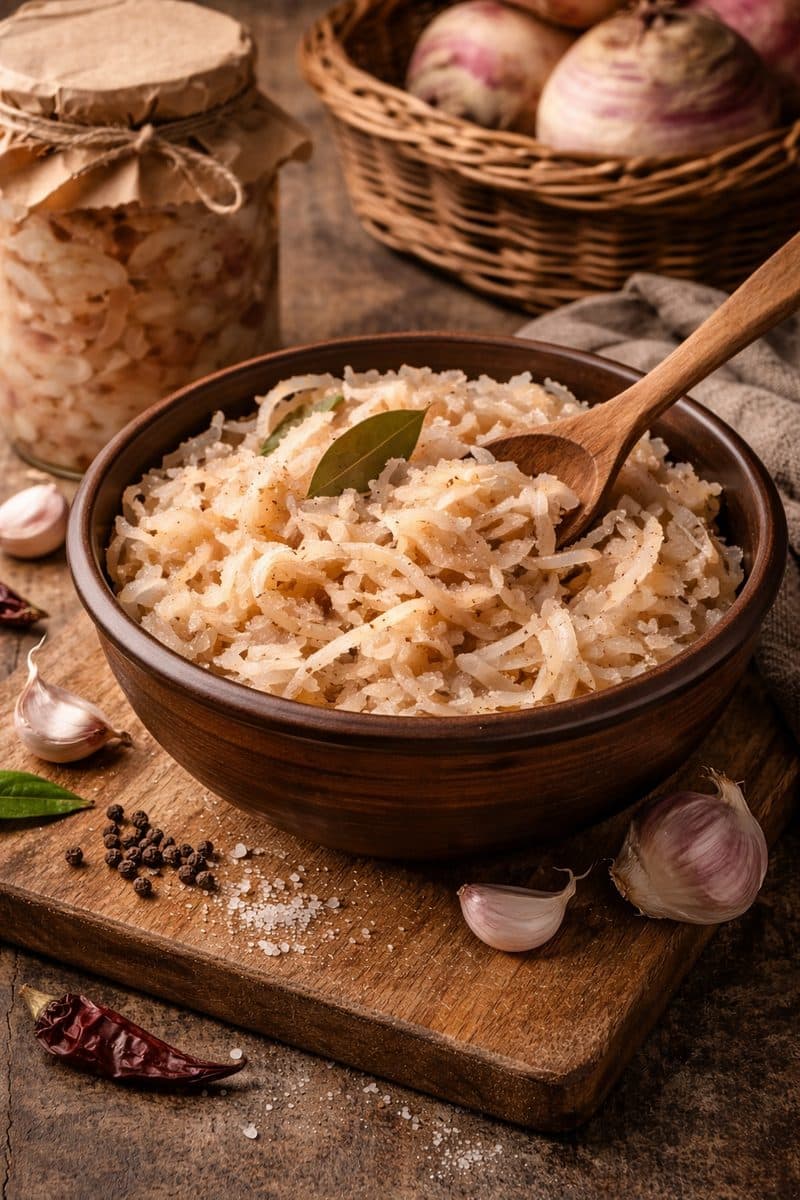
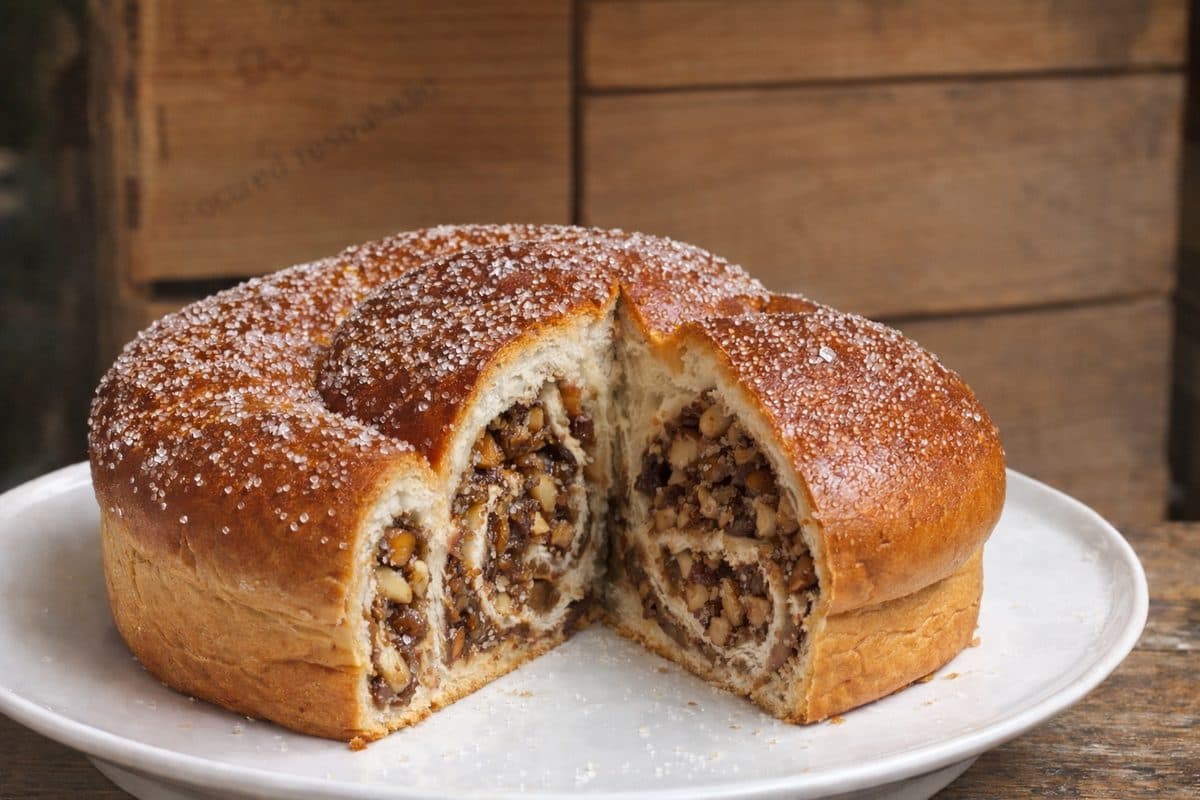
The second souvenir comes from the Karst: Aurisina stone, a grey or beige limestone quarried in the municipality of Duino-Aurisina, northwest of the city, which you will find crafted into paperweights and small polished items. You can taste the rest of the city at the table, among jota, porzina with capuzi, presnitz, and strucolo de pomi.
- Triestine coffee blend from the roastery: roasted in the city, for espresso and moka pot.
- Aurisina stone object: the limestone of the Karst, polished.
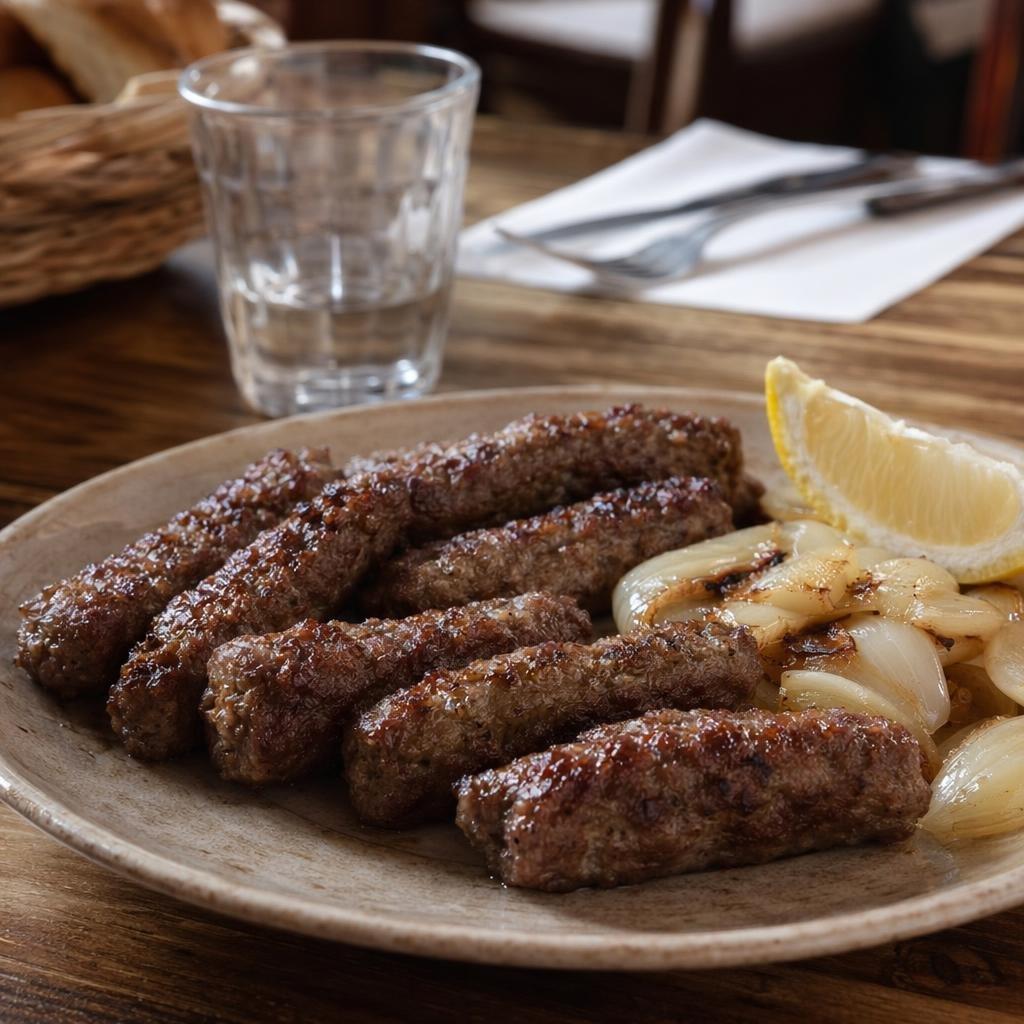
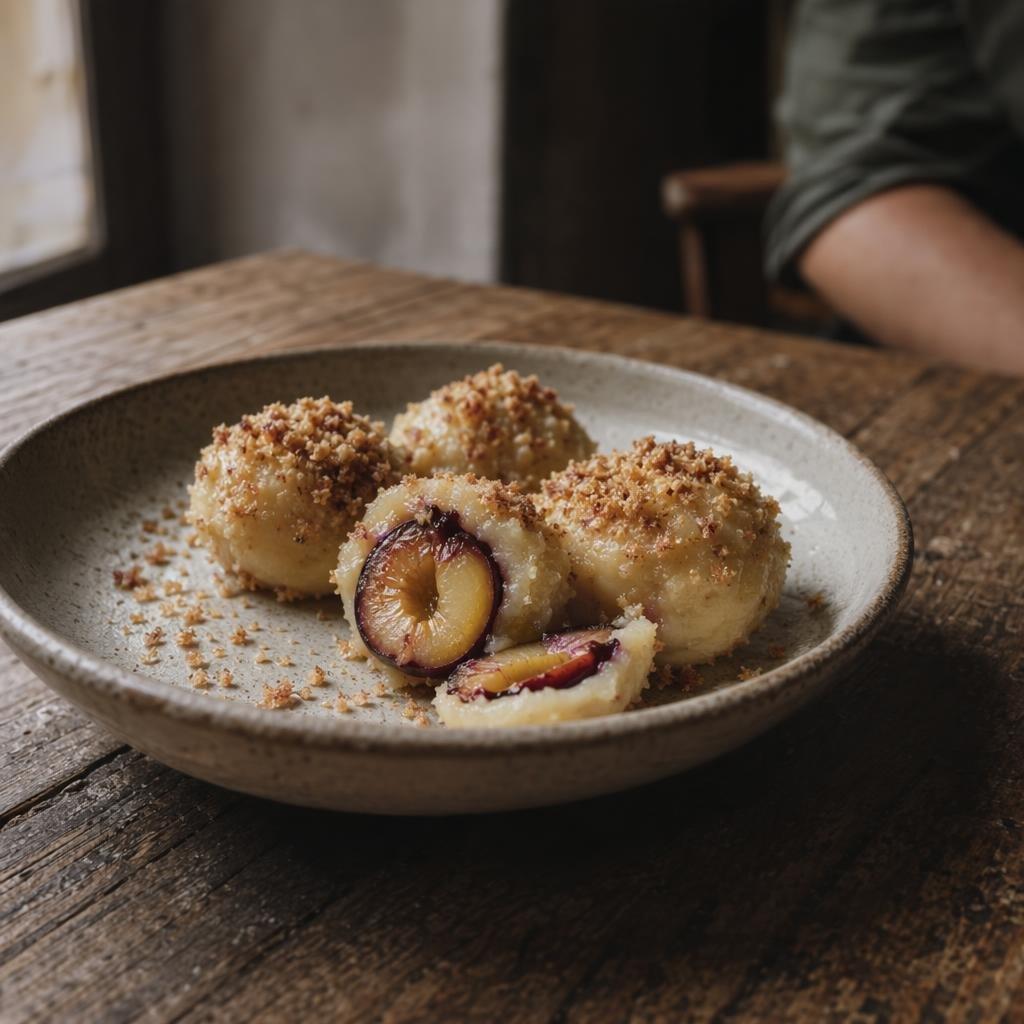
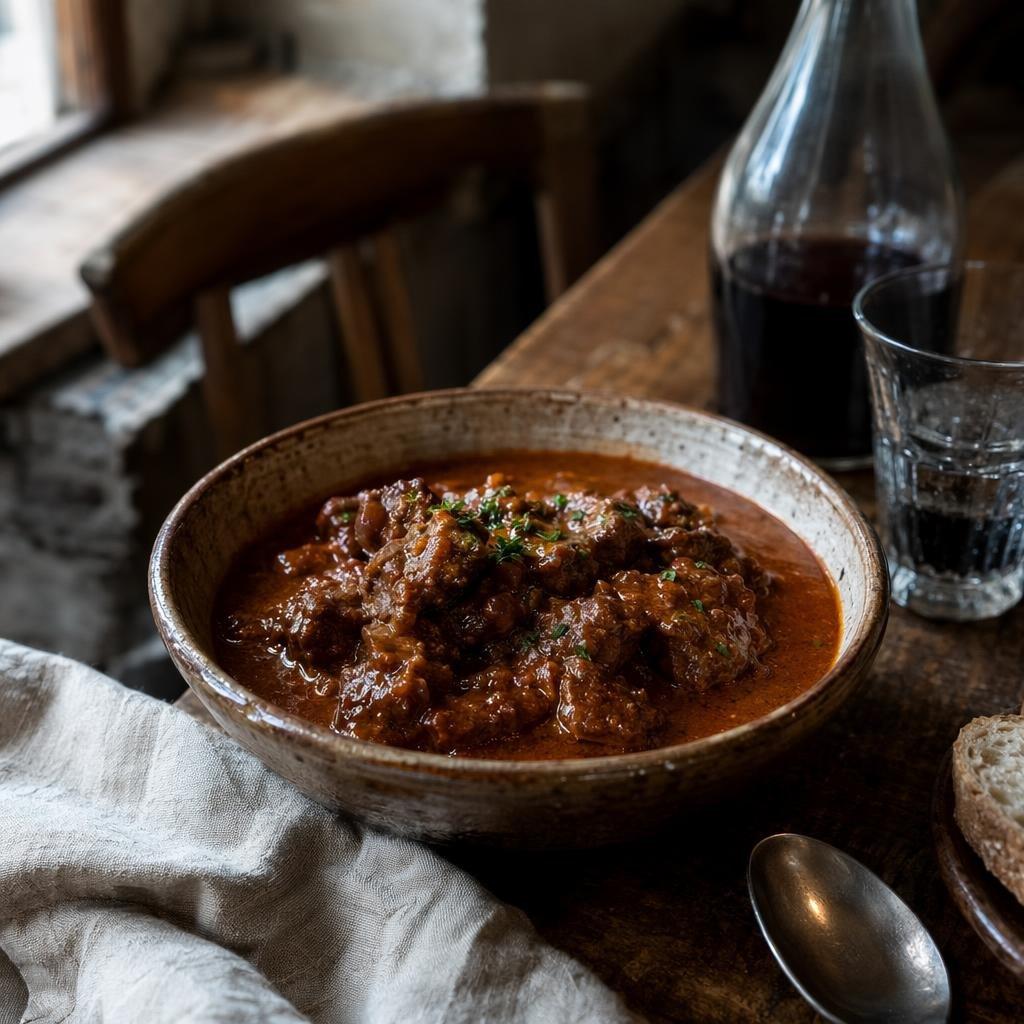
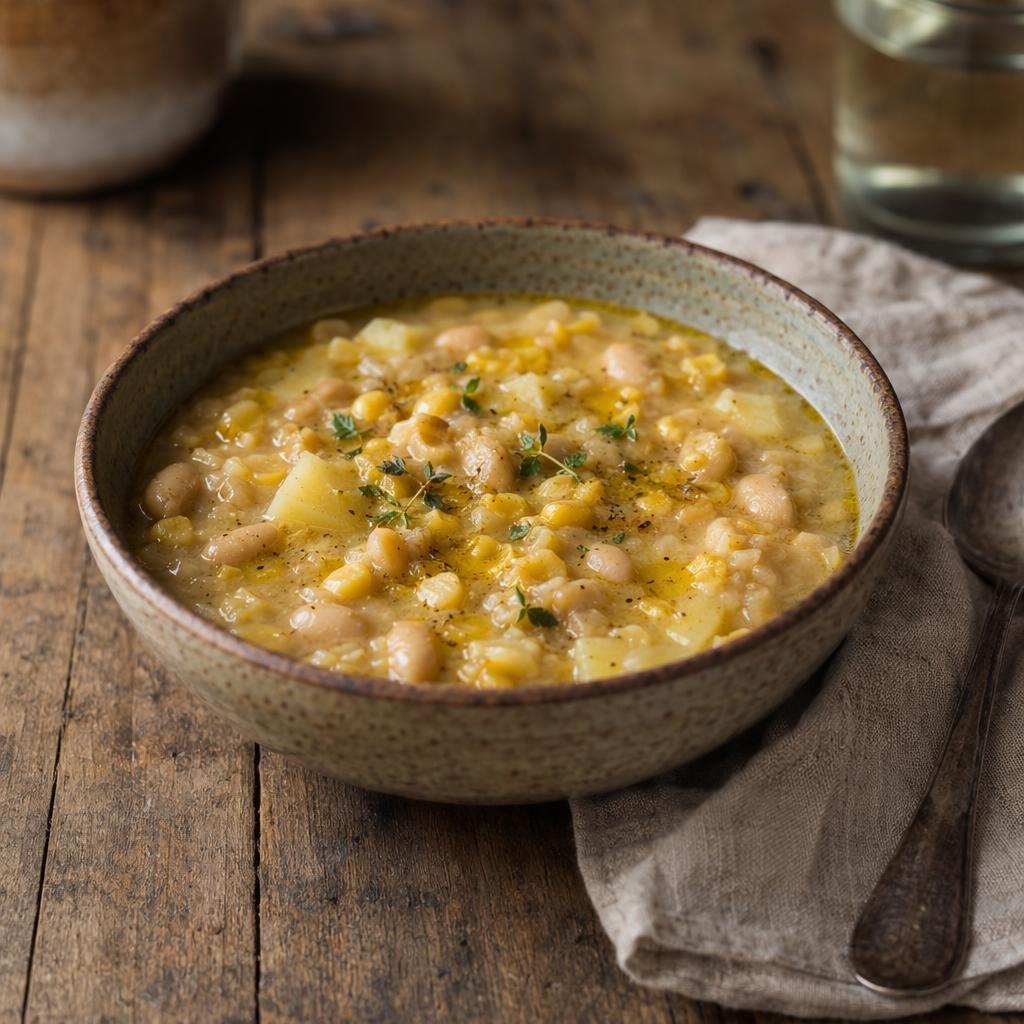
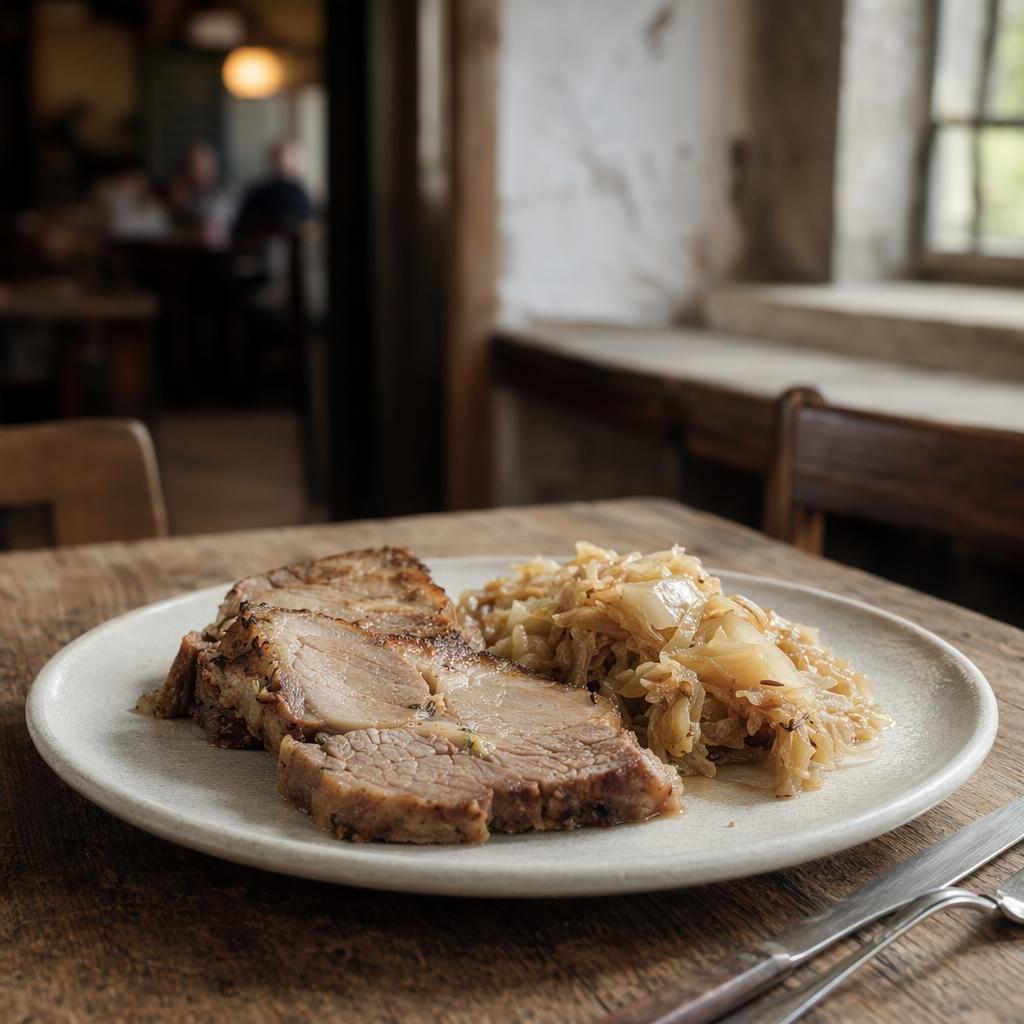
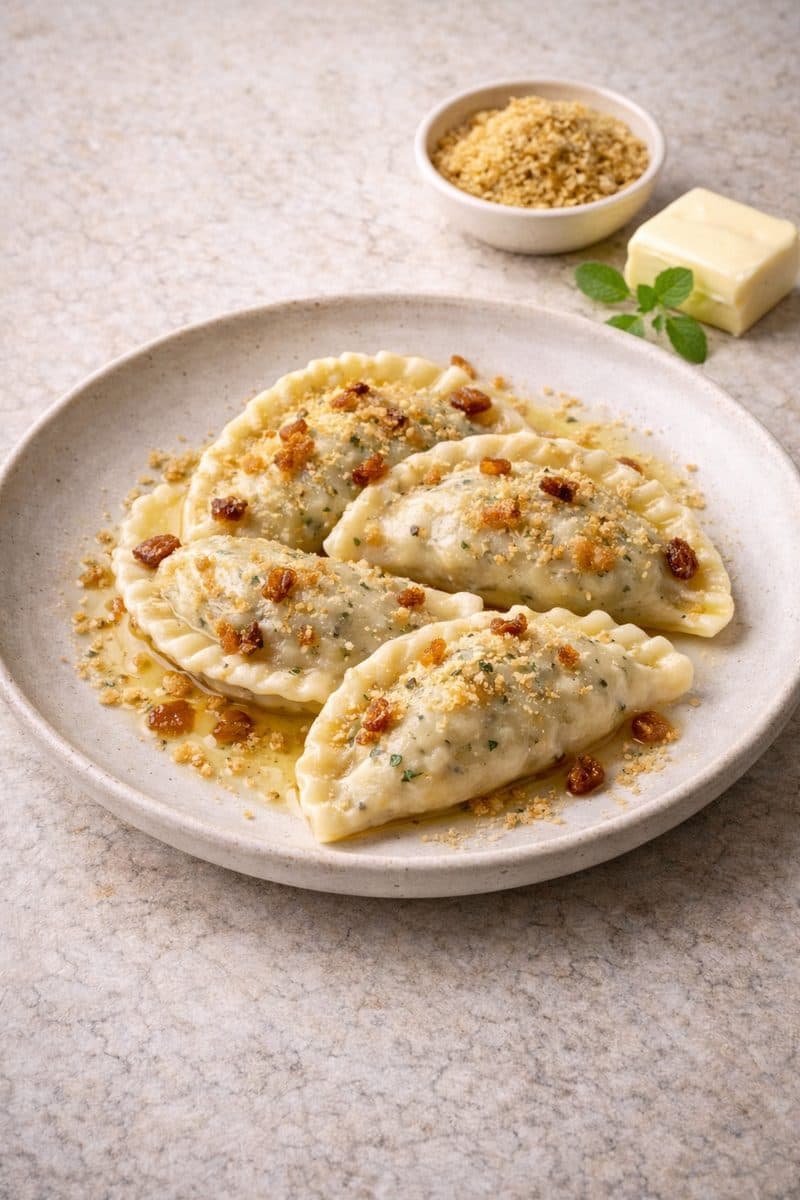
At the table, Trieste is divided between the sea and Central Europe. From the gulf come breaded and fried sardines and sardines in sweet and sour onion sauce. From the borderland cuisine come Triestine jota, pork shoulder with sauerkraut, Triestine-style goulash, grilled ćevapčiči and, in summer, minestra de bobici with fresh corn. For dessert, there is presnitz, plum gnocchi with a whole plum inside, and strucolo de pomi.
From the free port to the Karst quarries
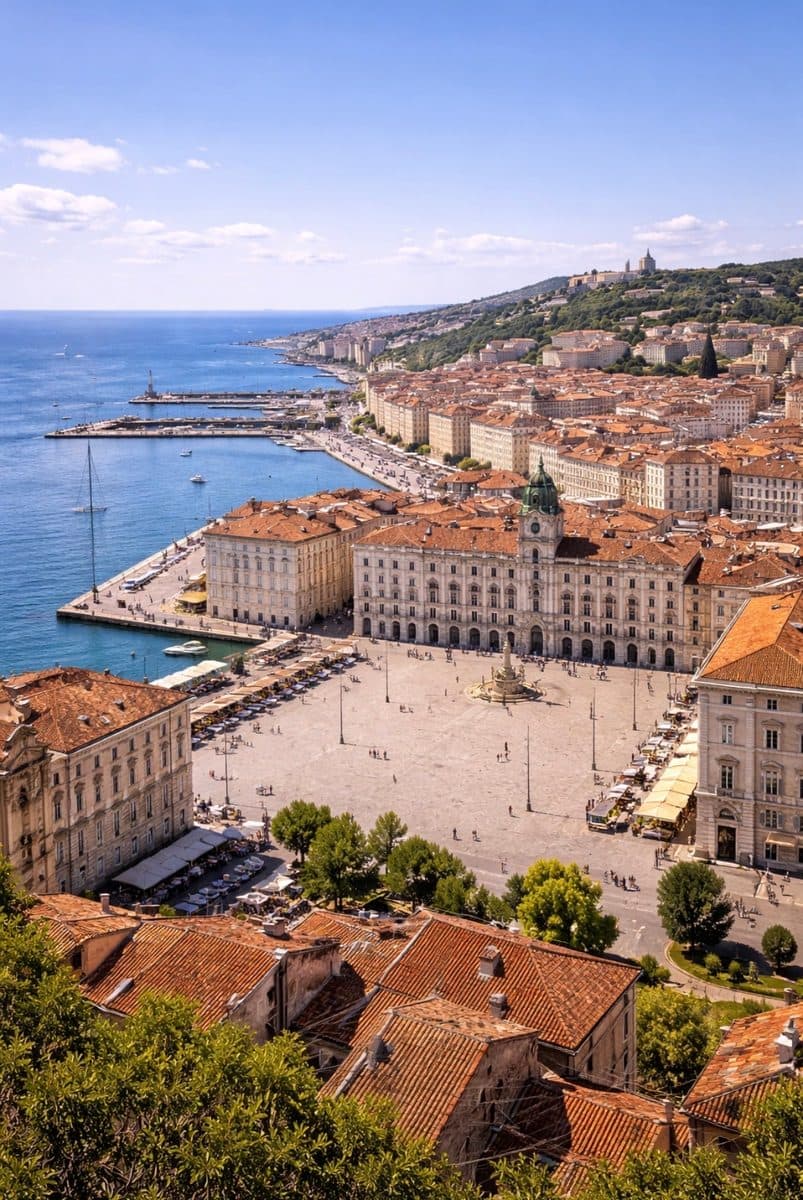
With the free port, goods entered and left Trieste without duties, and green coffee filled the warehouses alongside the rest of Mediterranean traffic. Between the nineteenth and early twentieth centuries, roasting companies were established, and historic cafés established the ritual of the counter with their own terminology. Aurisina stone has a longer history: Roman Tergeste and Aquileia already used it, and it returned to the city with Habsburg growth. In Piazza Unità you can see it in Palazzo Pitteri, dating from 1780, and not far away in the Stock Exchange building. At the table, the borderland character is felt in jota, goulash, and strucolo.
What to ask for at the roastery and for the stone
Look for the name of the Triestine roastery that roasted it on the coffee bag; at the counter, ask for the country of origin of the beans and the roast level. The coffee comes from afar: the Triestine signature lies in the blend and the roasting. For Aurisina stone, ask to be shown the quarry of origin in the municipality of Duino-Aurisina: the piece that names it is a piece of the Karst.
Borgo Teresiano, Via San Nicolò, and the Karst
Roasteries and coffee shops are located in Borgo Teresiano, the grid-patterned neighborhood around the Grand Canal, in Via San Nicolò and the streets near Piazza Unità d'Italia; some historic cafés sell the blend they use at the counter. Aurisina stone objects can be found in workshops and retail outlets linked to the quarries of Duino-Aurisina. Porzina and jota are served in buffet eateries, the venues where boiled pork is served at the counter.
Coffee in your suitcase, stone in your checked luggage
A roastery blend usually costs between 8 and 15 € and travels well: ask for it vacuum-packed, in beans or ground for the moka pot. An Aurisina stone object ranges from 15 to 60 € and is heavy, so pack it in your checked luggage, wrapped up. Presnitz can be found in pastry shops all year round; strucolo de pomi, the apple strudel, is an autumn and winter pastry to be enjoyed in the city.