 20–400 €
Florentine leather craftsmanship in Florence
Why
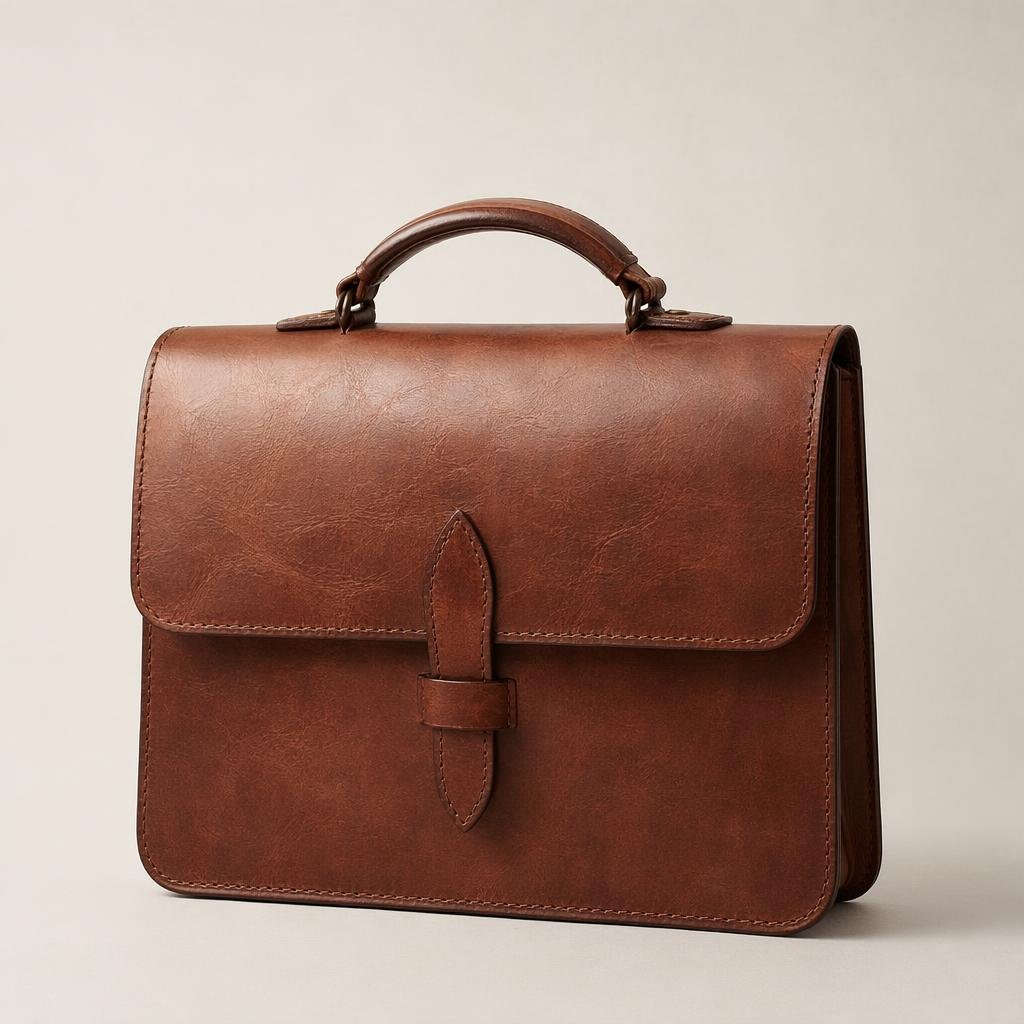
Bringing home a Florentine leather item means choosing something that does not sit on a shelf but truly becomes part of everyday life. A wallet, belt, or bag becomes a daily companion that over time changes color, softens, and tells its own story. It is a souvenir particularly suited to those who appreciate authentic craftsmanship and objects designed to last for years, not just to remember a trip. Buying one often also means supporting small local workshops, where manual work and knowledge of materials remain central. In this sense the souvenir is not just an elegant object, but a tangible fragment of Florence’s productive tradition.
- artigianato fiorentino
- pelletteria
- cuoio toscano
- botteghe storiche
- fatto a mano
Verified shops arrive in the app
Description of Florentine leather craftsmanship
Leather craftsmanship is one of the most recognizable expressions of Florentine know-how. In the city’s workshops, leather is cut, stitched, and finished by hand to create objects designed for everyday use: bags, wallets, belts, briefcases, and bound notebooks. The defining trait is a restrained and functional style, where the quality of the material and the precision of the workmanship matter more than ornament. The result is solid, elegant items made to last over time, often characterized by clean lines and the natural colors of leather.
Cultural significance of Florentine leather craftsmanship
Leather working in Florence represents the continuity of the artisan workshop culture that has shaped the city since the Middle Ages. It is not simply the production of accessories, but a tradition tied to manual skill, the transmission of craft knowledge, and careful attention to materials. Leather evokes the idea of objects made to accompany everyday life, improving with use and over time. This vision reflects a value deeply rooted in Florentine culture: the balance between usefulness, aesthetic restraint, and technical expertise.
Content reviewed by the Trouvenir editorial team against authenticity and provenance criteria.
Unlock the full story
Sign in for free to read why it's special, its origins and the cultural meaning of this souvenir.
Where to find Florentine leather craftsmanship in Florence
Many historic workshops are located in the Oltrarno, especially in the Santo Spirito and San Frediano neighborhoods, where a strong artisan tradition still survives. Other shops and workshops can be found near Santa Croce and along several streets in the historic center frequented by artisans and design schools. In many cases the workshop and the shop are the same place, making it possible to see artisans cutting and assembling leather. The San Lorenzo Market also hosts many stalls and shops specializing in leather goods.
Get the full verified list - map, hours, reviews - for Florentine leather craftsmanship in Florence.
More authentic souvenirs of Florence



Not sure your Florentine leather craftsmanship is the real deal?
Upload a photo of the Florentine leather craftsmanship you found: the AI compares it against Trouvenir's verified souvenir database and returns origin, history and authenticity score.
- Compared against the Trouvenir database
- Clear authenticity assessment
- Hints on where to buy it
Go deeper on Florentine leather craftsmanship
Unlock the full editorial dossier, certified shops with maps and opening hours, and related cultural paths.
- Certified shops nearby
- Full origin story
- Related souvenirs & paths
Free · iOS and Android · No subscription
Questions about Florentine leather craftsmanship
What makes Florentine leather craftsmanship authentic?
Leather working in Florence represents the continuity of the artisan workshop culture that has shaped the city since the Middle Ages. It is not simply the production of accessories, but a tradition tied to manual skill, the transmission of craft knowledge, and careful attention to materials. Leather evokes the idea of objects made to accompany everyday life, improving with use and over time. This vision reflects a value deeply rooted in Florentine culture: the balance between usefulness, aesthetic restraint, and technical expertise.
Where to find Florentine leather craftsmanship in Florence?
Many historic workshops are located in the Oltrarno, especially in the Santo Spirito and San Frediano neighborhoods, where a strong artisan tradition still survives. Other shops and workshops can be found near Santa Croce and along several streets in the historic center frequented by artisans and design schools. In many cases the workshop and the shop are the same place, making it possible to see artisans cutting and assembling leather. The San Lorenzo Market also hosts many stalls and shops specializing in leather goods.
How much does Florentine leather craftsmanship cost?
20–400 € a seconda dell’oggetto
Why choose Florentine leather craftsmanship as a gift?
Bringing home a Florentine leather item means choosing something that does not sit on a shelf but truly becomes part of everyday life. A wallet, belt, or bag becomes a daily companion that over time changes color, softens, and tells its own story. It is a souvenir particularly suited to those who appreciate authentic craftsmanship and objects designed to last for years, not just to remember a trip. Buying one often also means supporting small local workshops, where manual work and knowledge of materials remain central. In this sense the souvenir is not just an elegant object, but a tangible fragment of Florence’s productive tradition.
Take Trouvenir with you
iOS and Android. Free.