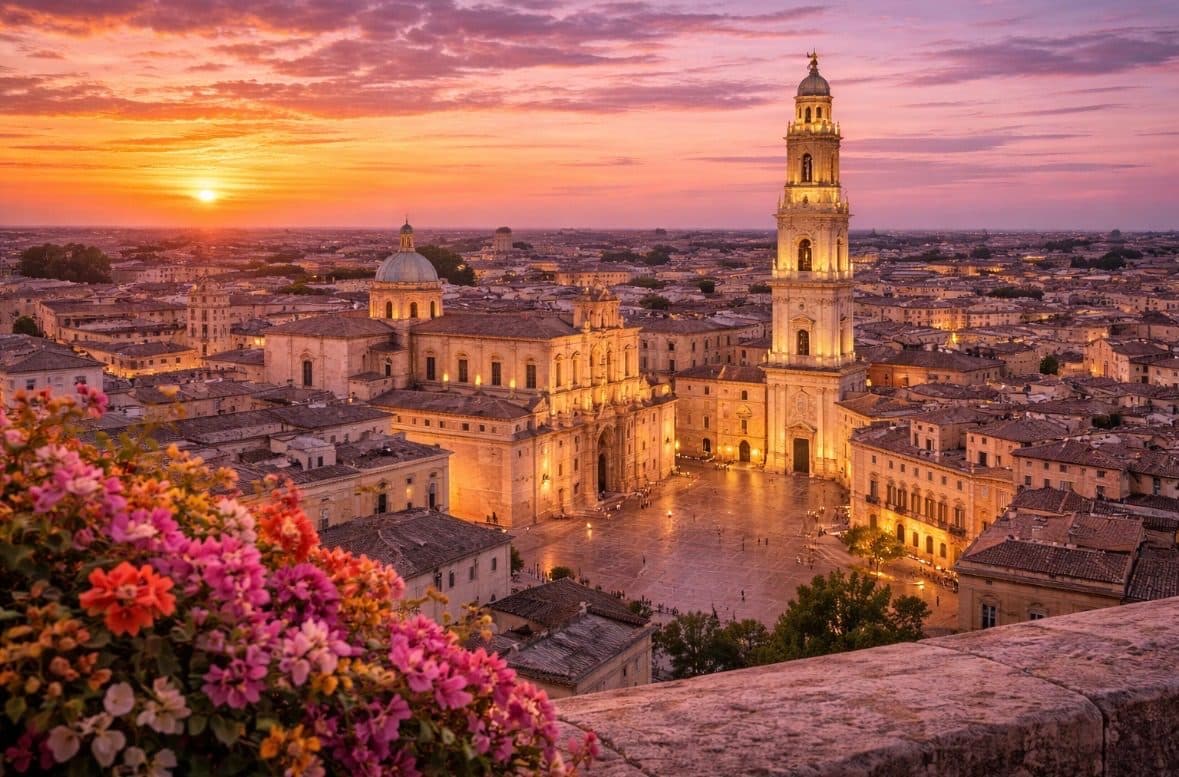
What to bring home from Lecce and what to eat at the counter
3 min read
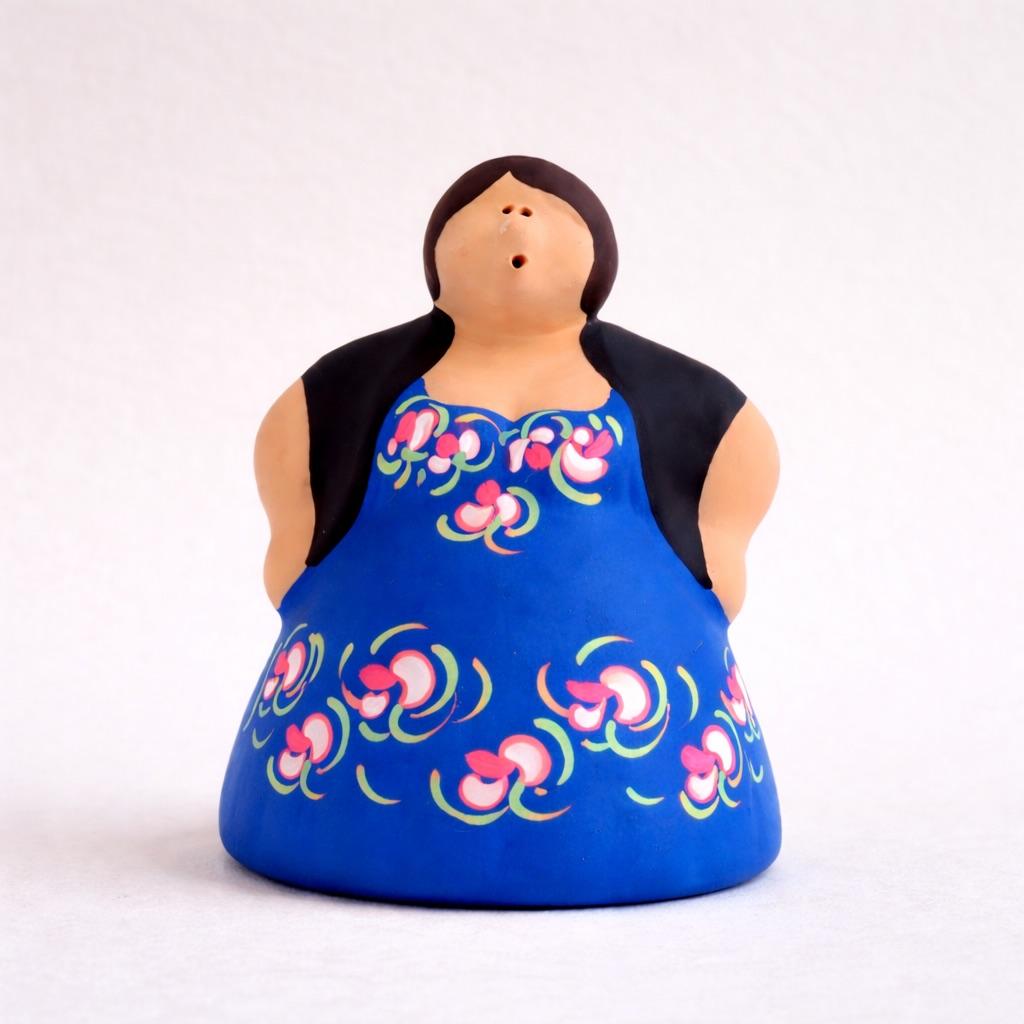
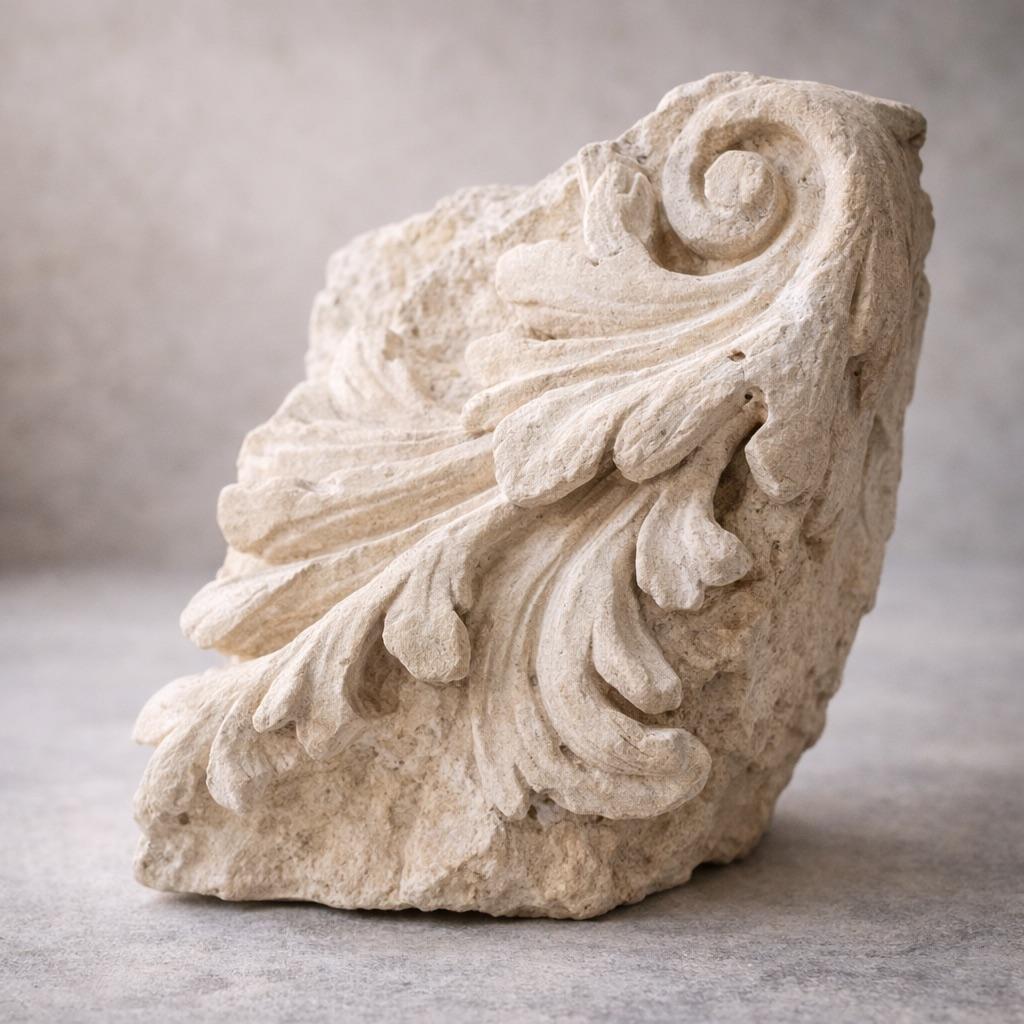
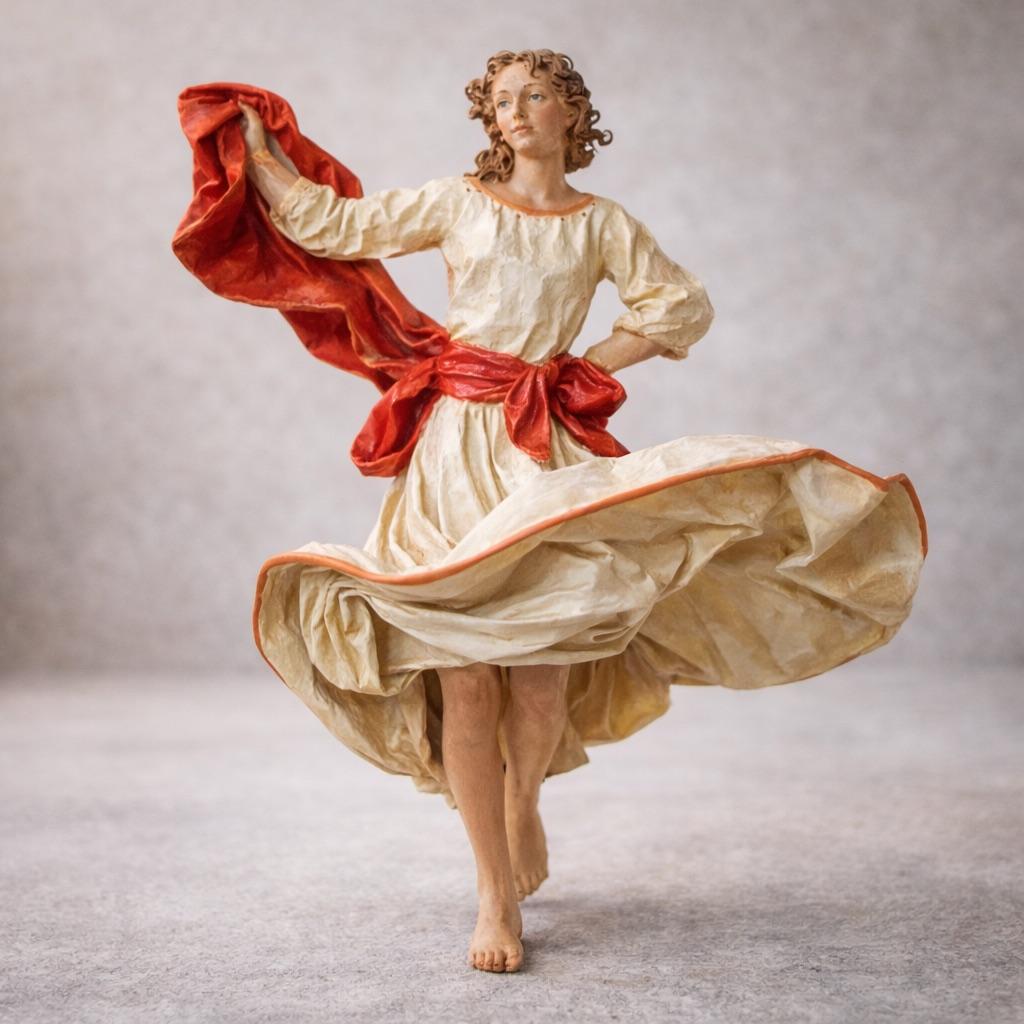
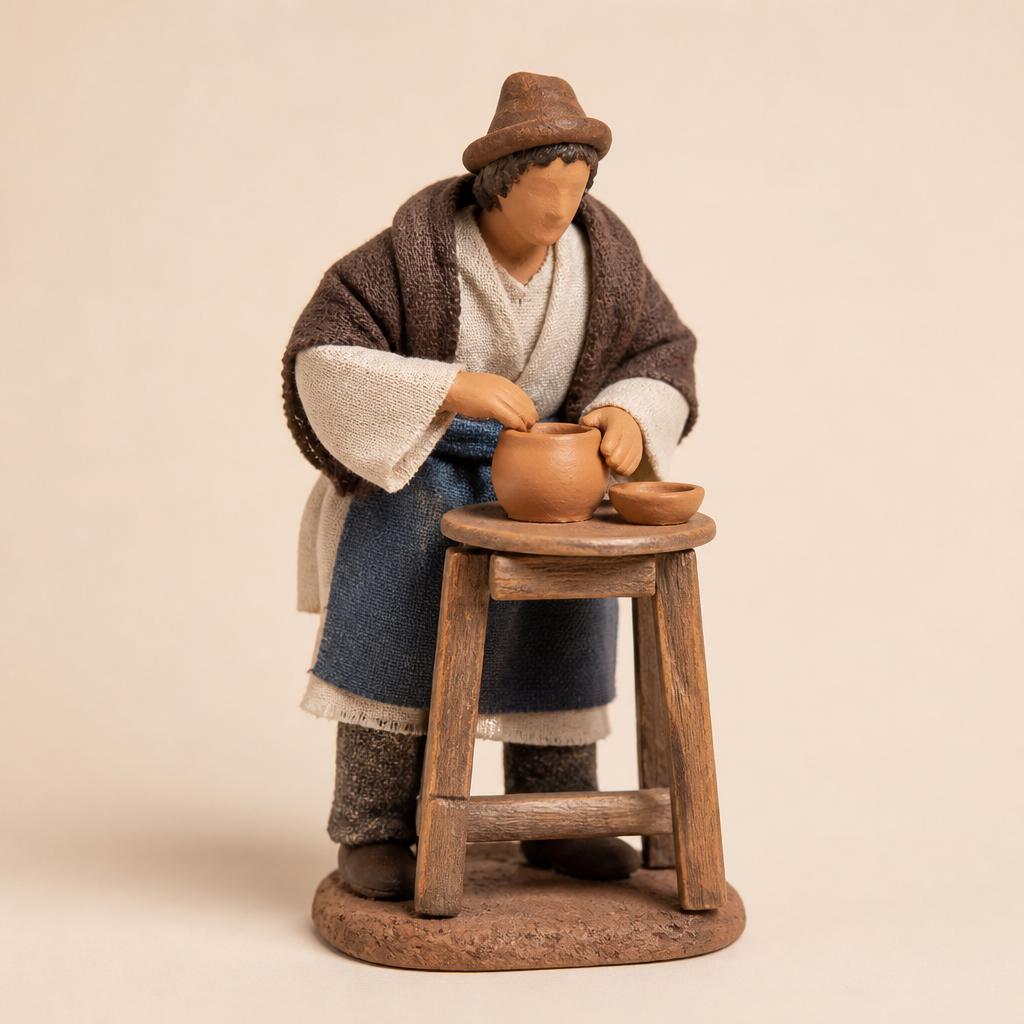
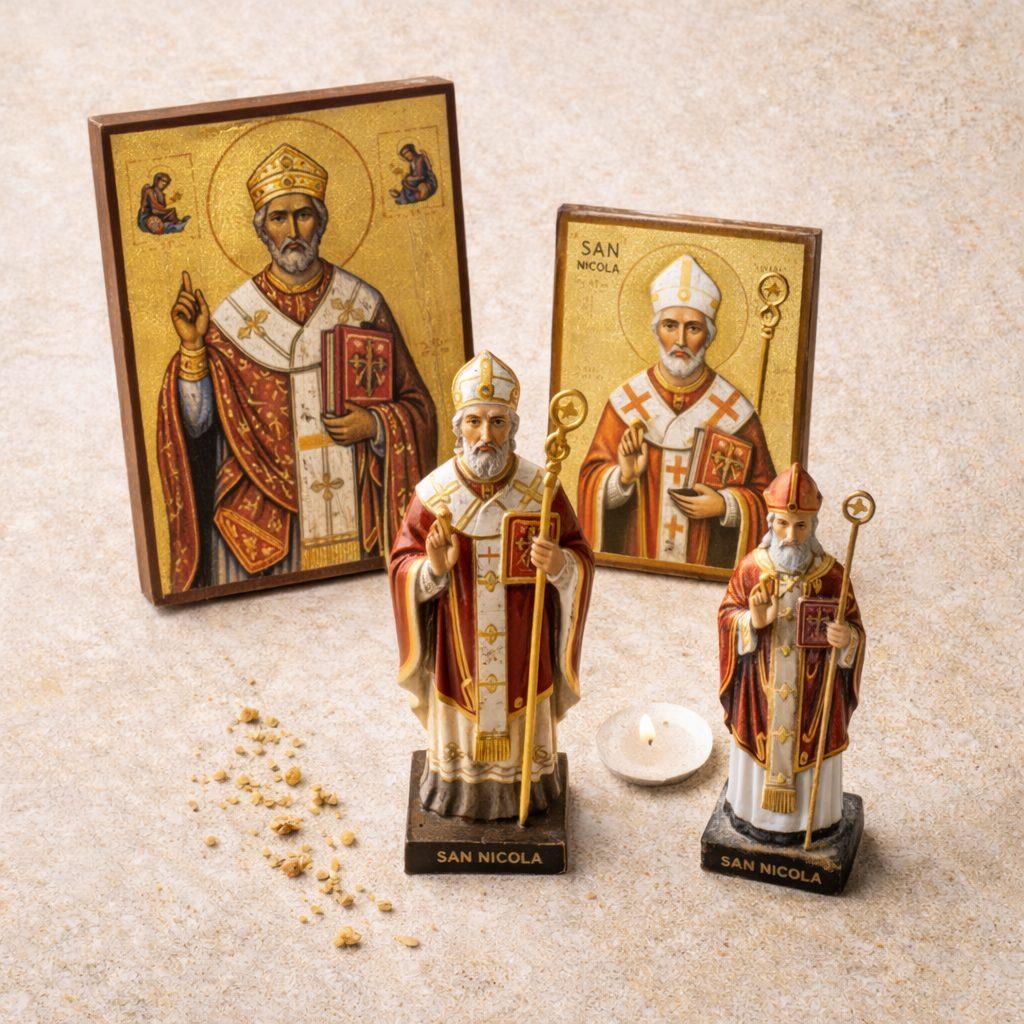
In Lecce you can take home a piece of a façade: the small sculptures in pietra leccese are carved from the same soft, golden limestone as Santa Croce and the Duomo. Next to them is papier-mâché, which for centuries gave churches and processions light statues of saints and Madonnas, and which you now also find in small figures such as the massaia salentina, the Salento housewife.
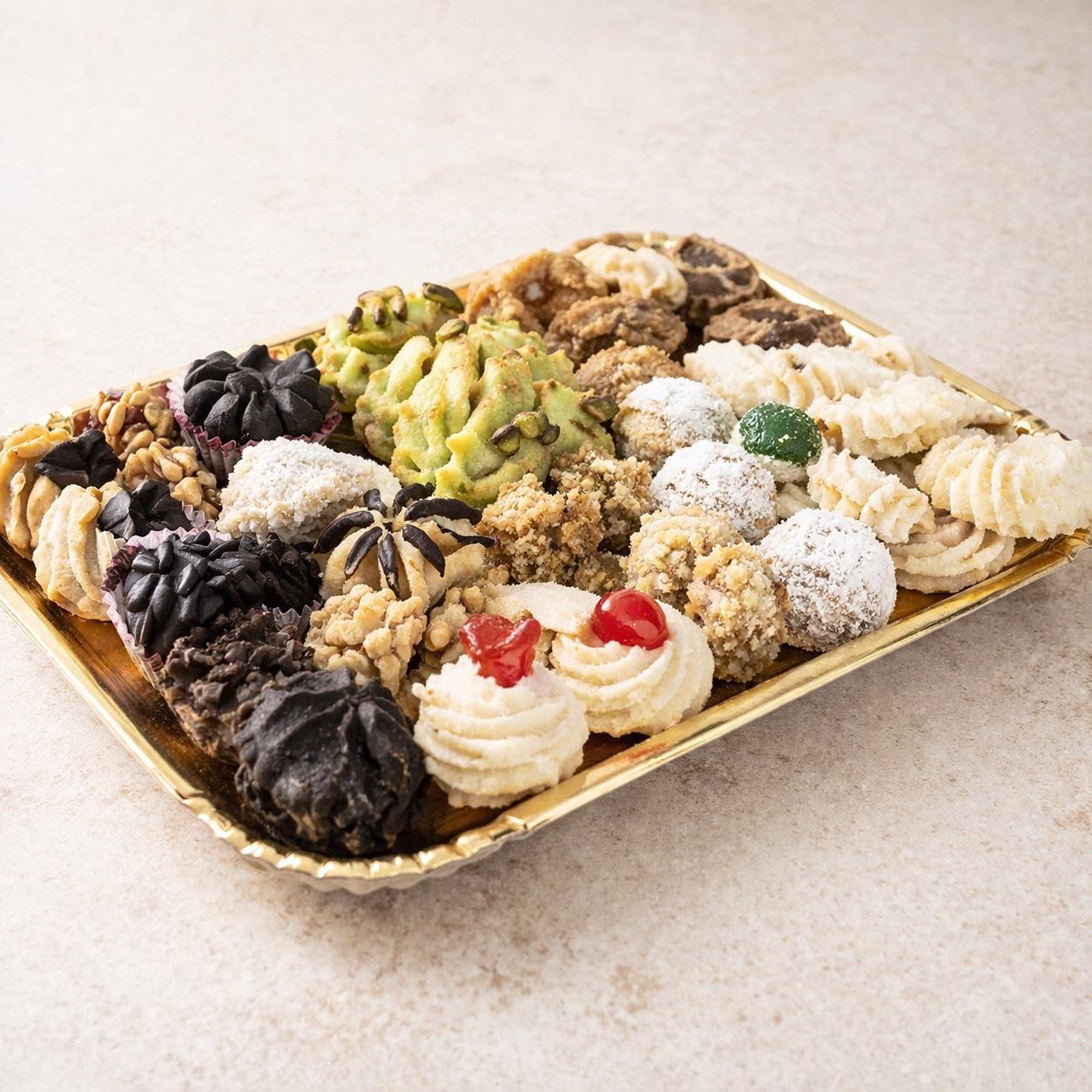
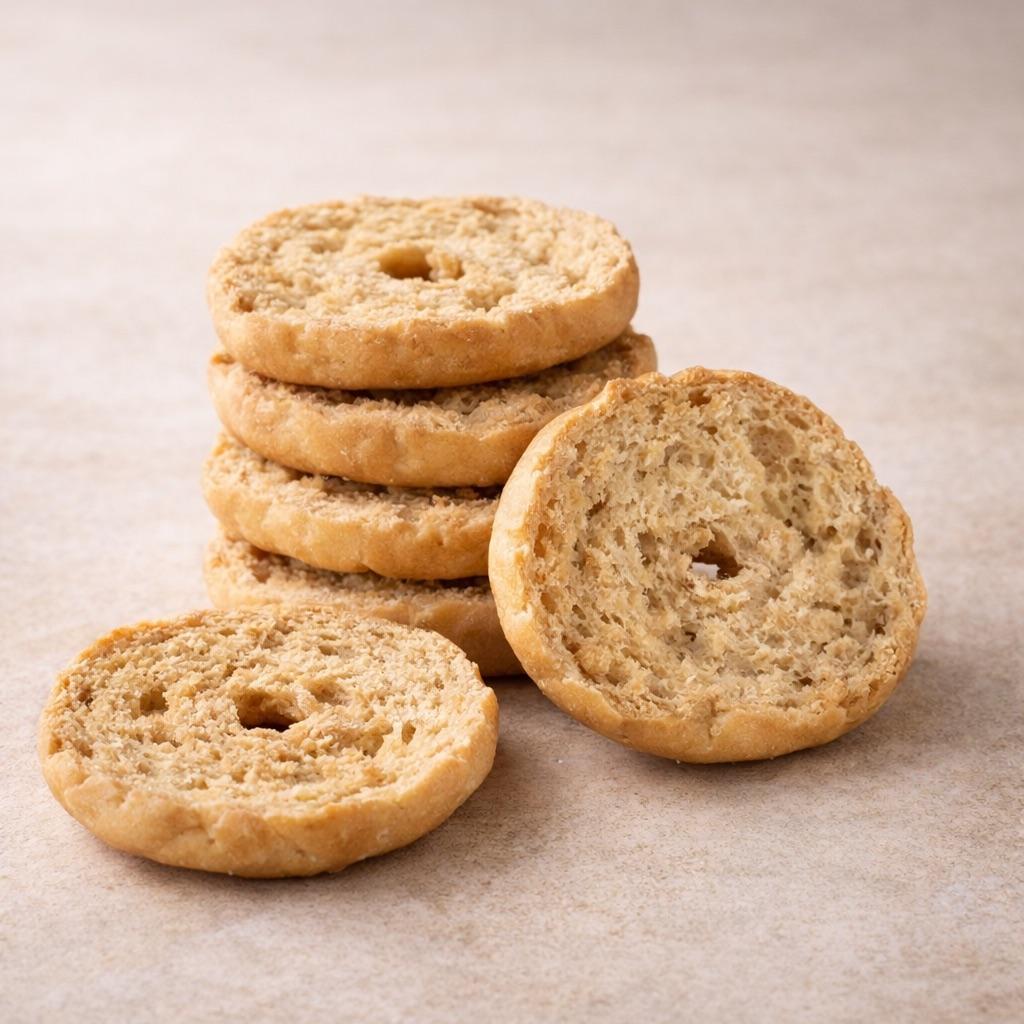
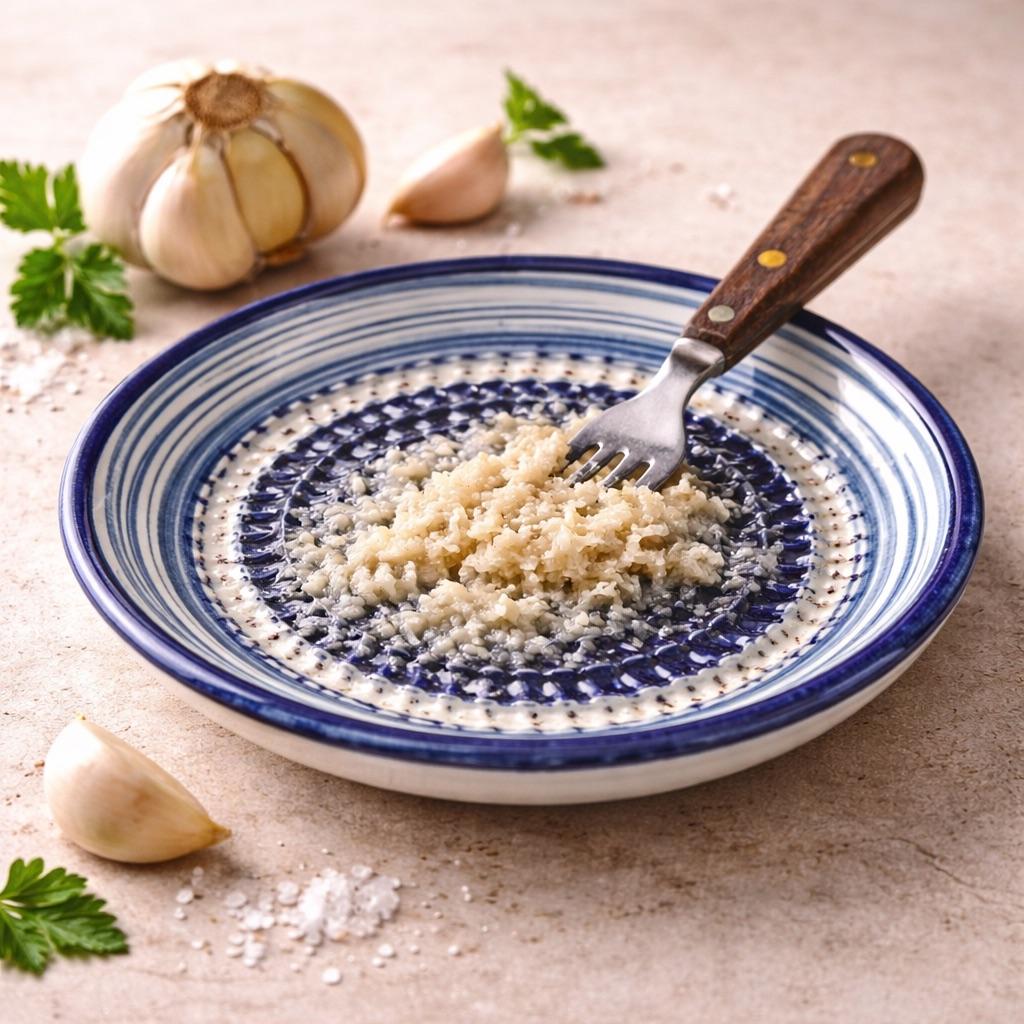
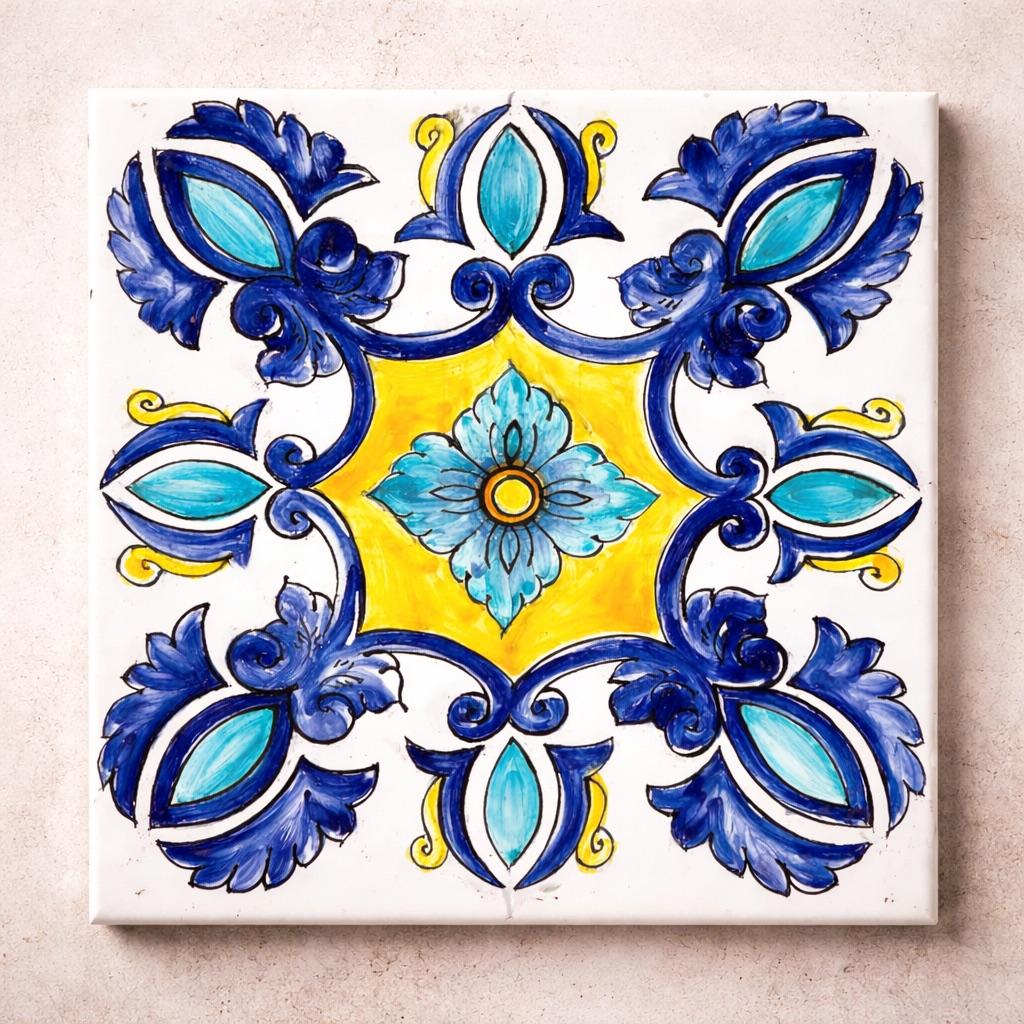
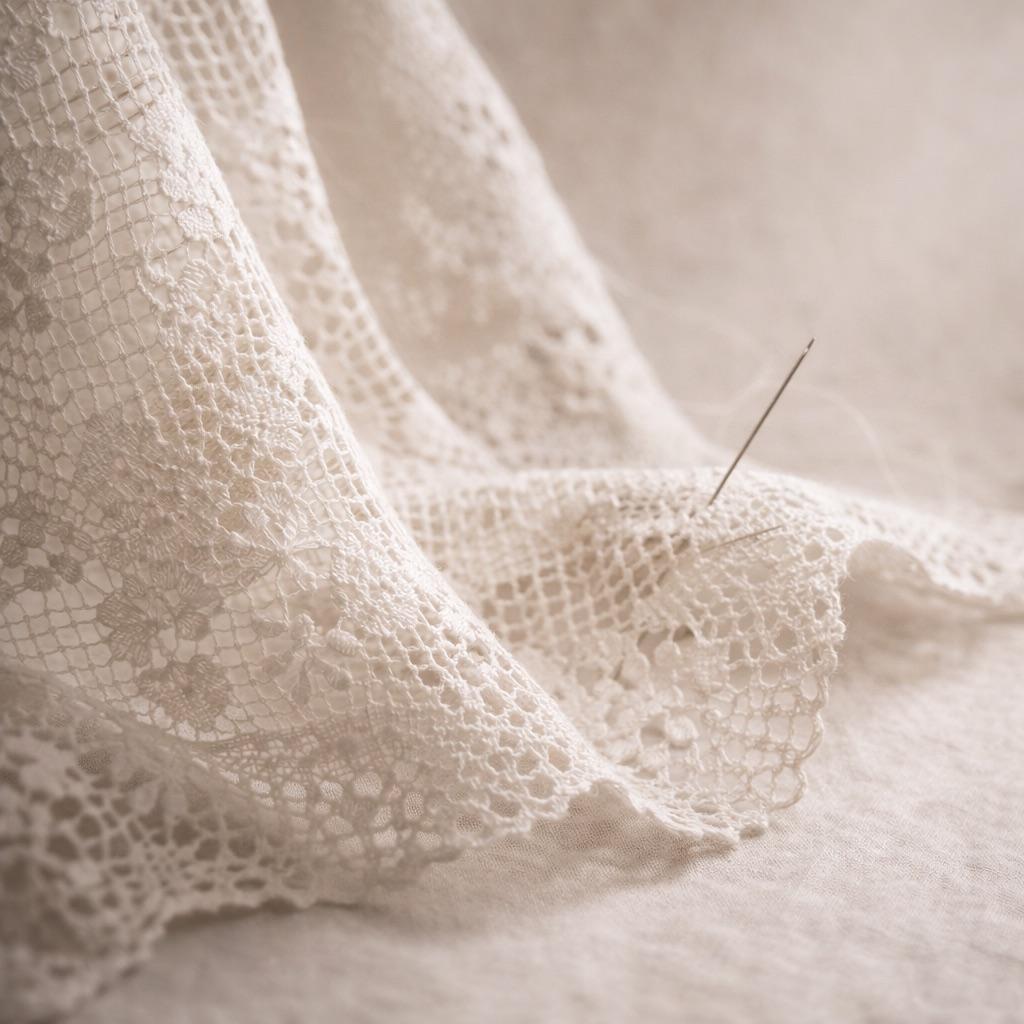
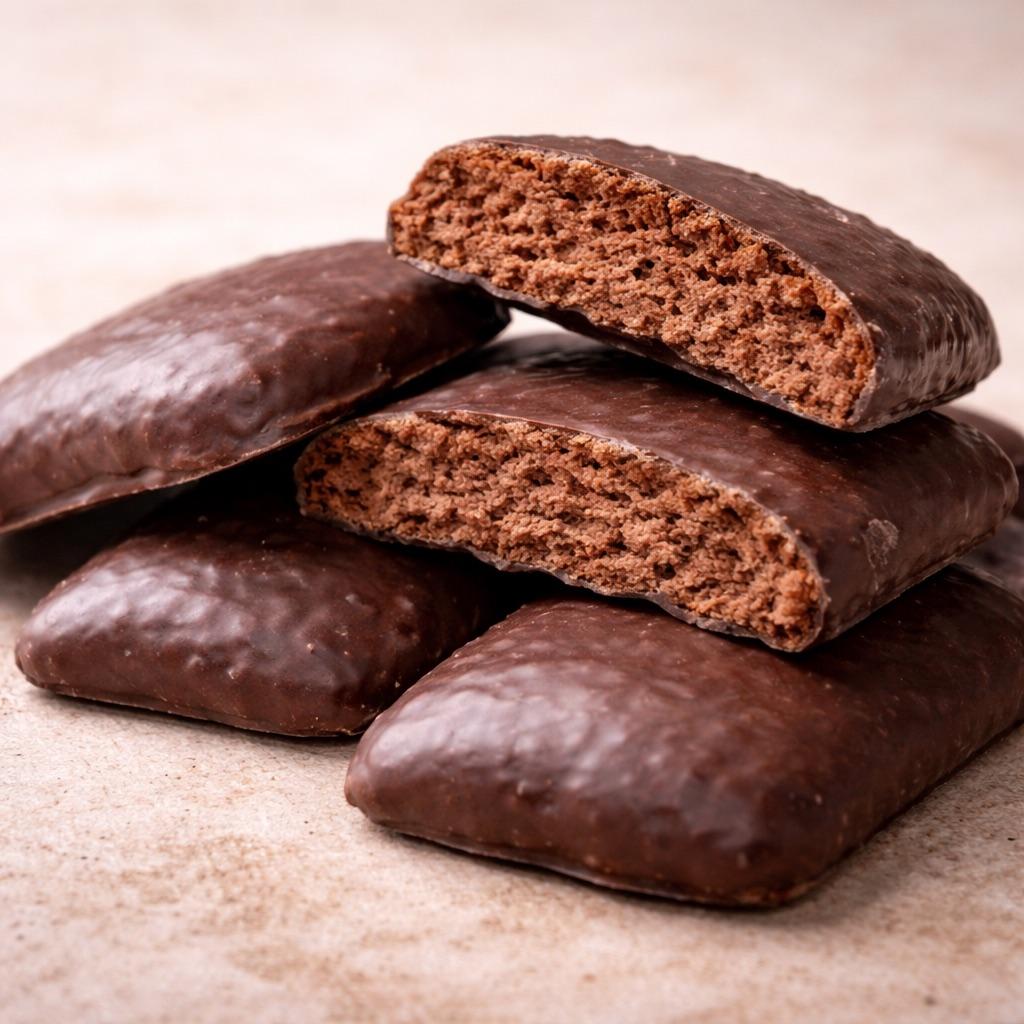
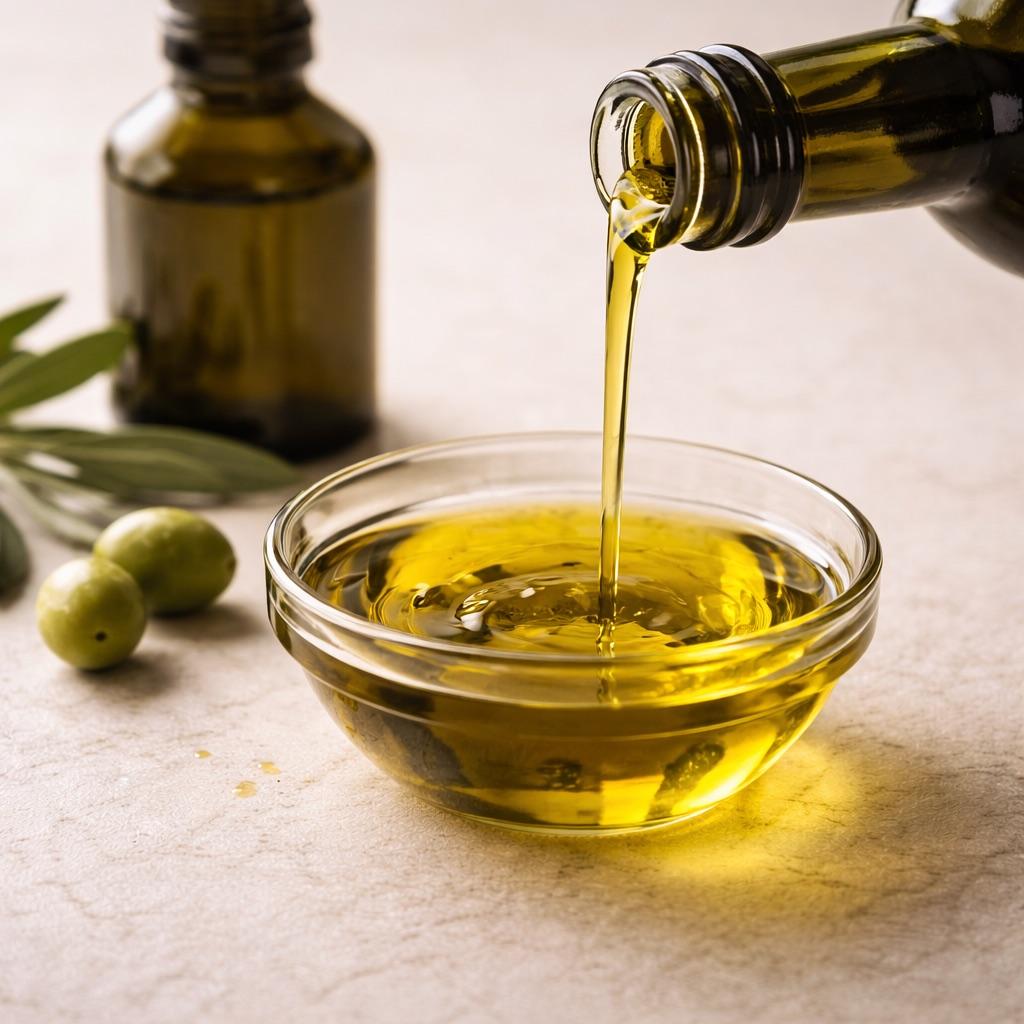
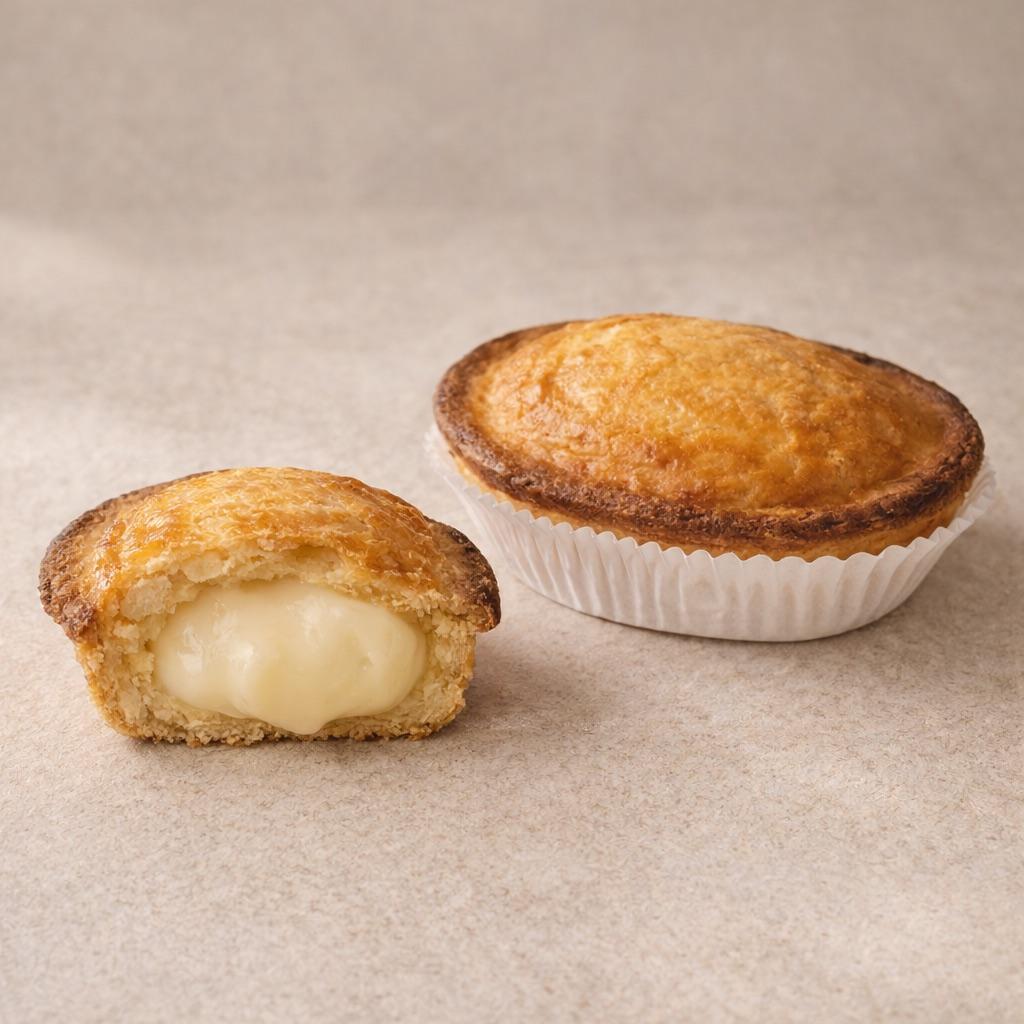
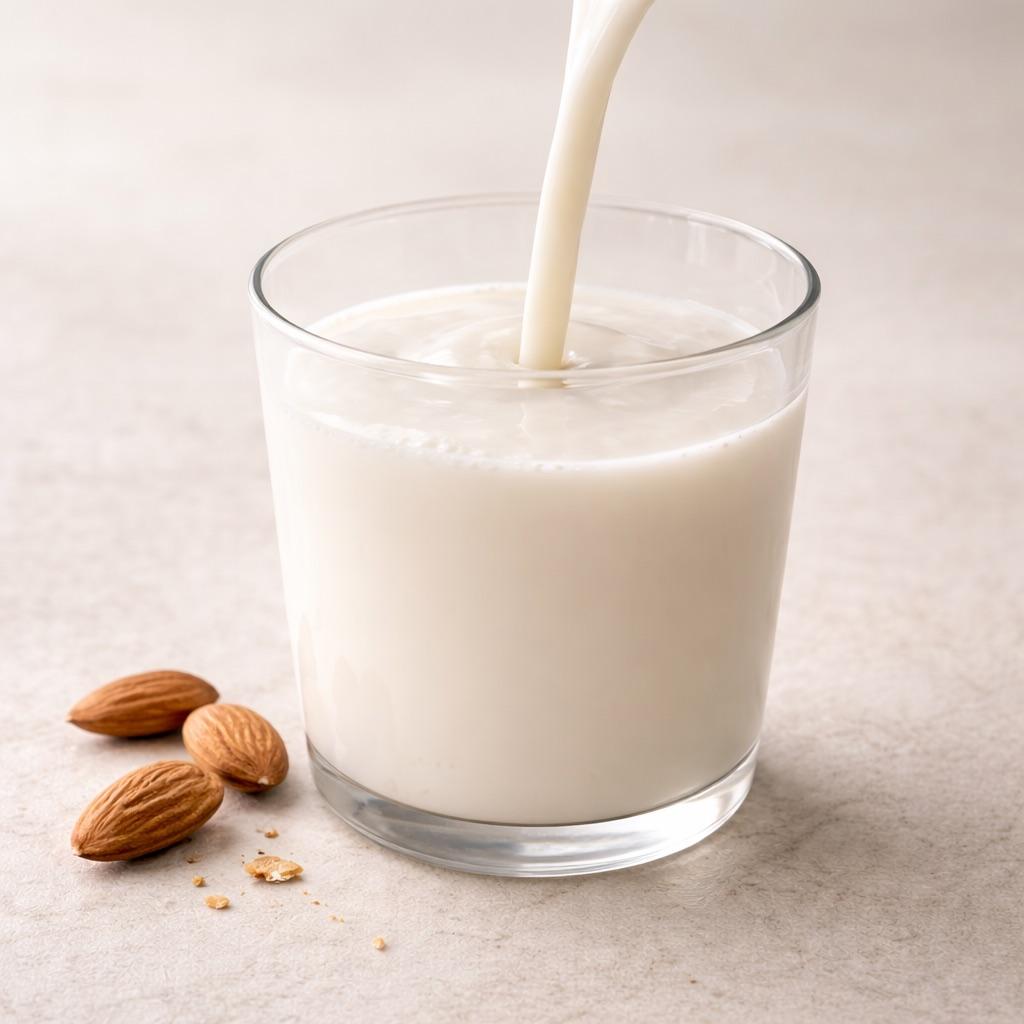
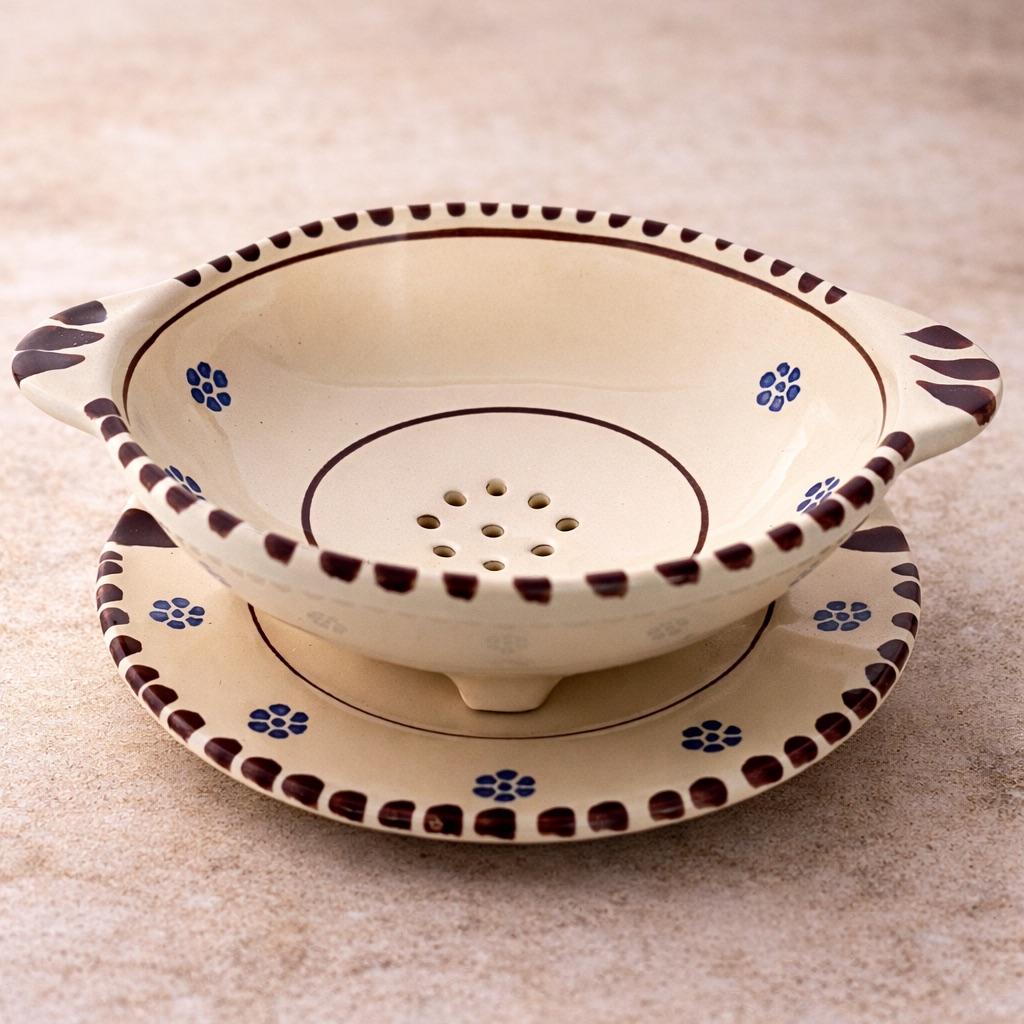
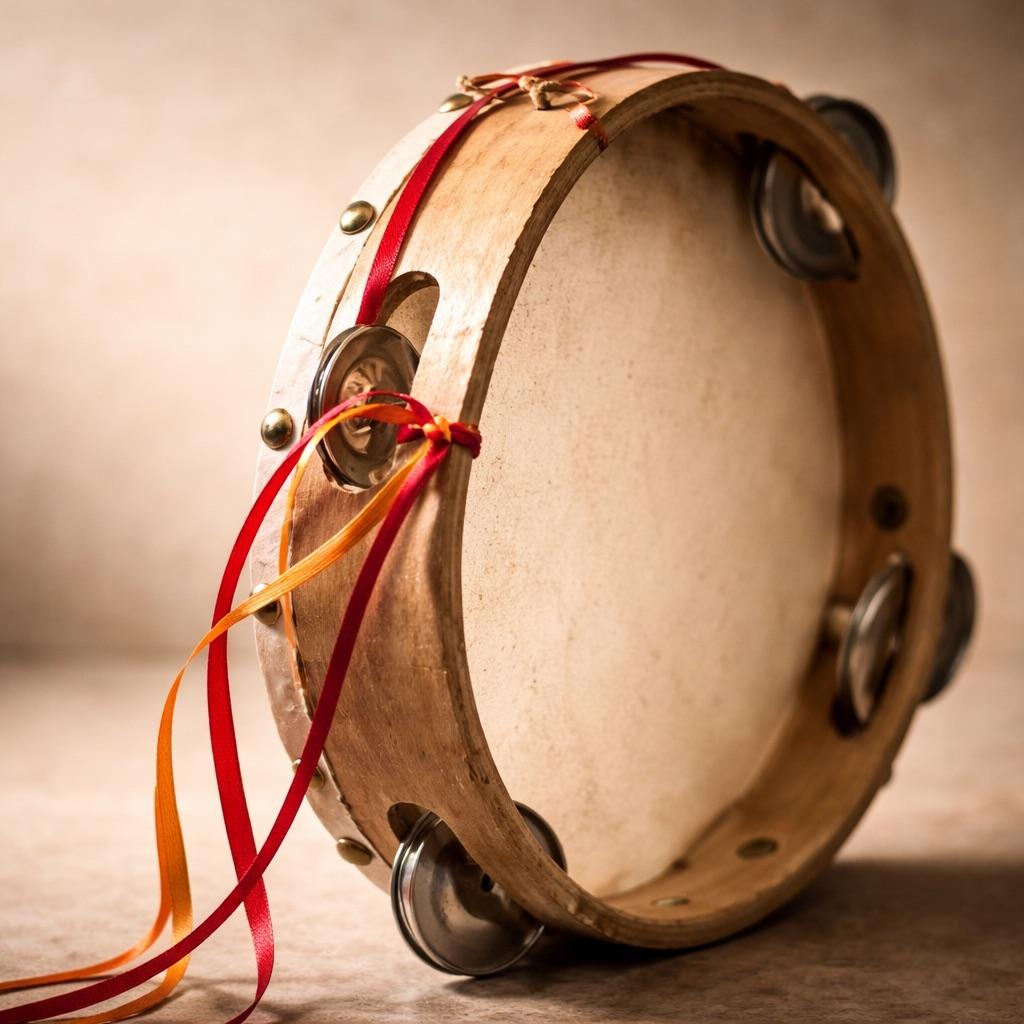
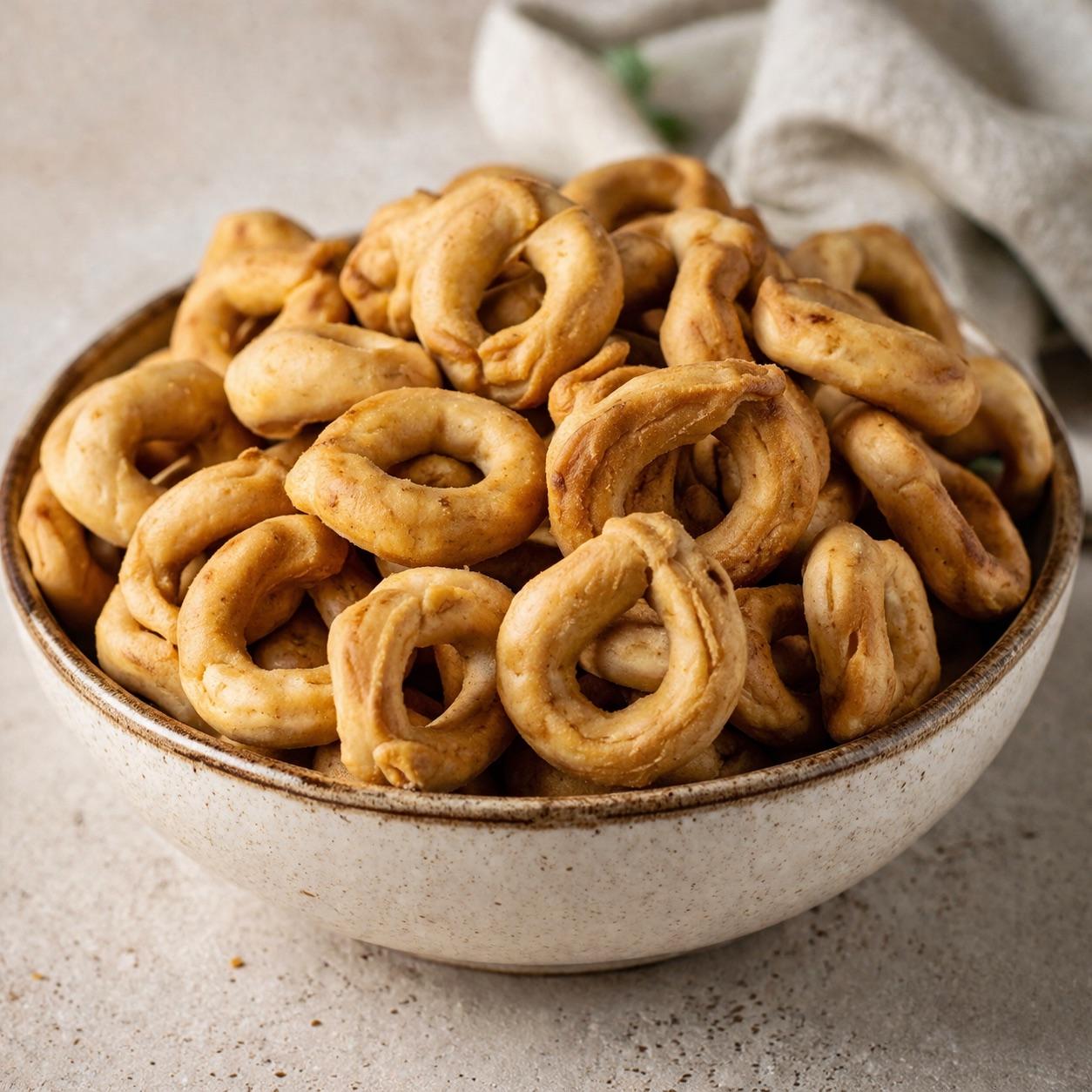
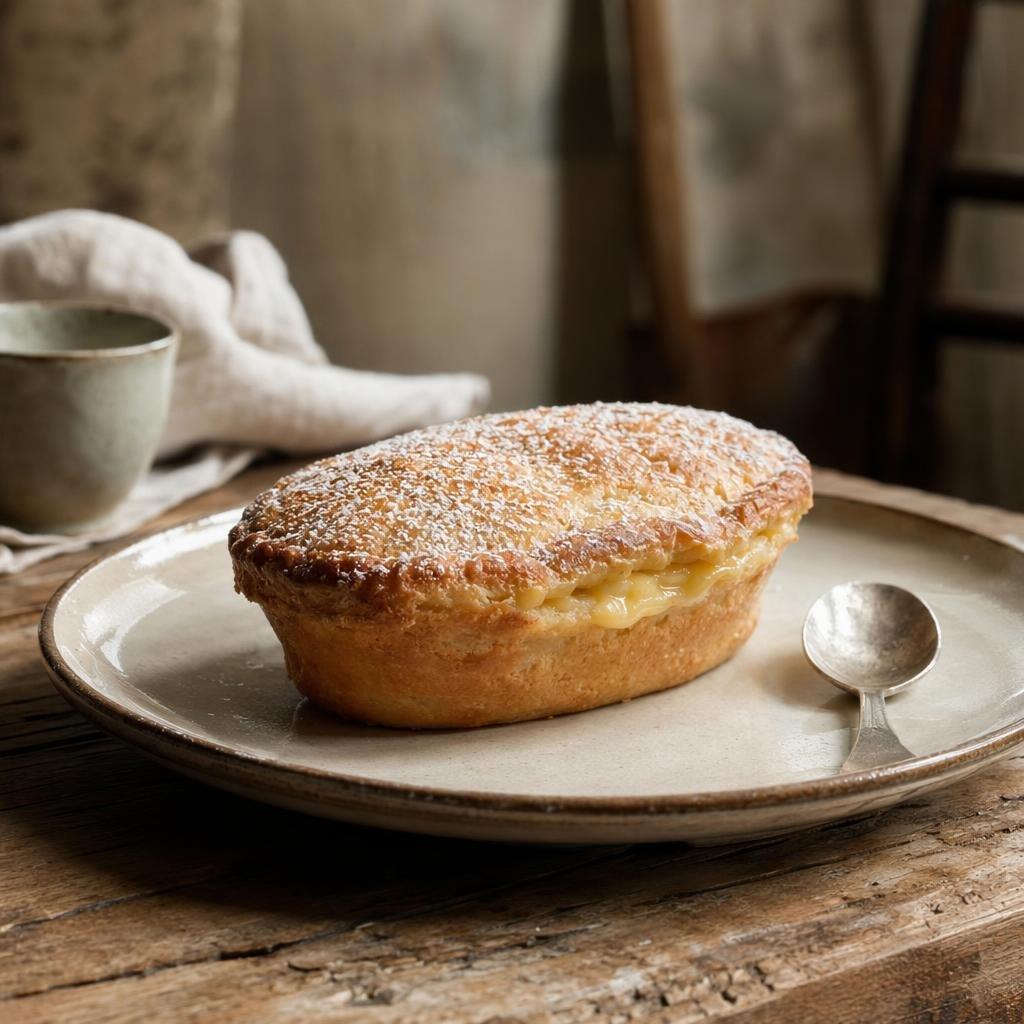
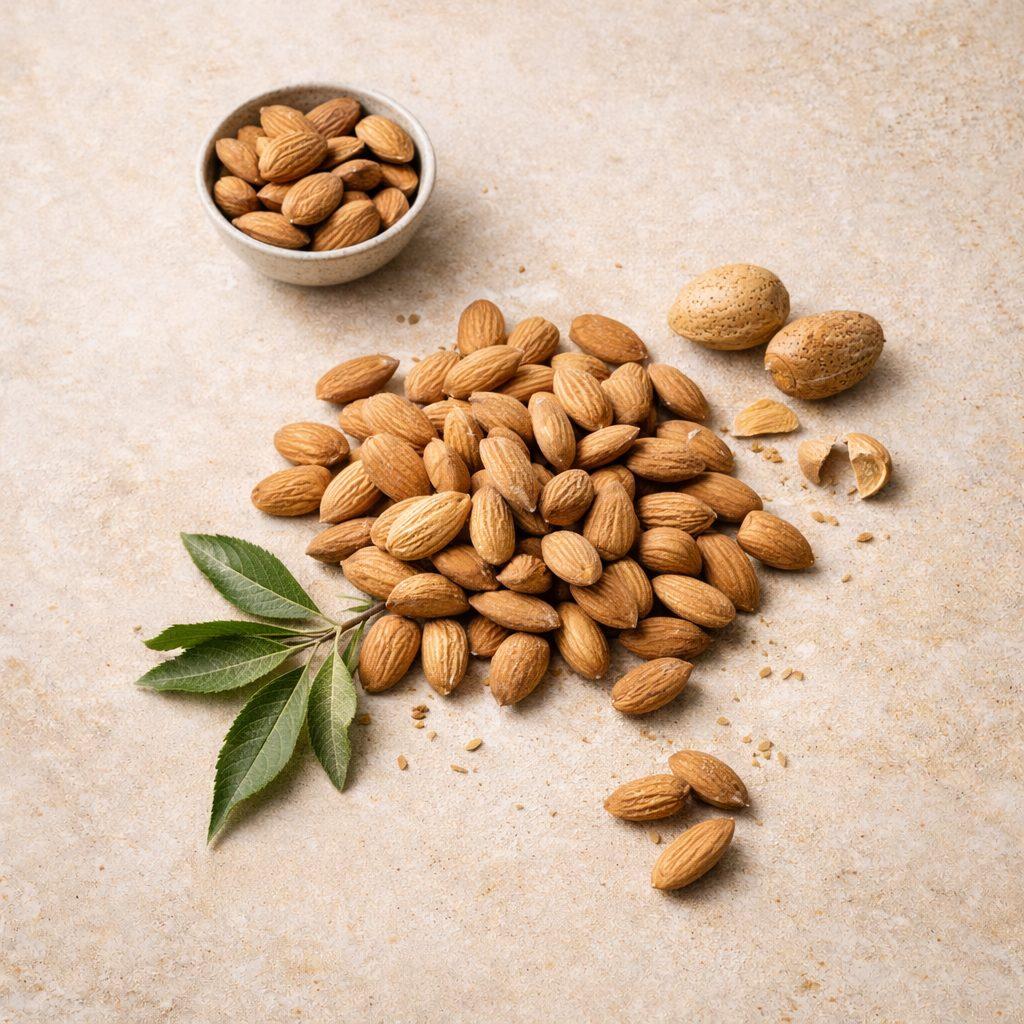
The everyday Salento lives in maiolica, in the ceramic garlic grater and mozzarella strainer, in lace and embroidery; the festive Salento in the tambourine of the pizzica. At the table, the pasticciotto is eaten warm in the morning, with caffè in ghiaccio e latte di mandorla, iced coffee with almond milk. In the suitcase go friselline, taralli, mustazzoli, almond-paste sweets and Terra d'Otranto DOP olive oil (DOP is the EU mark of protected origin).
Warm, to eat straight away
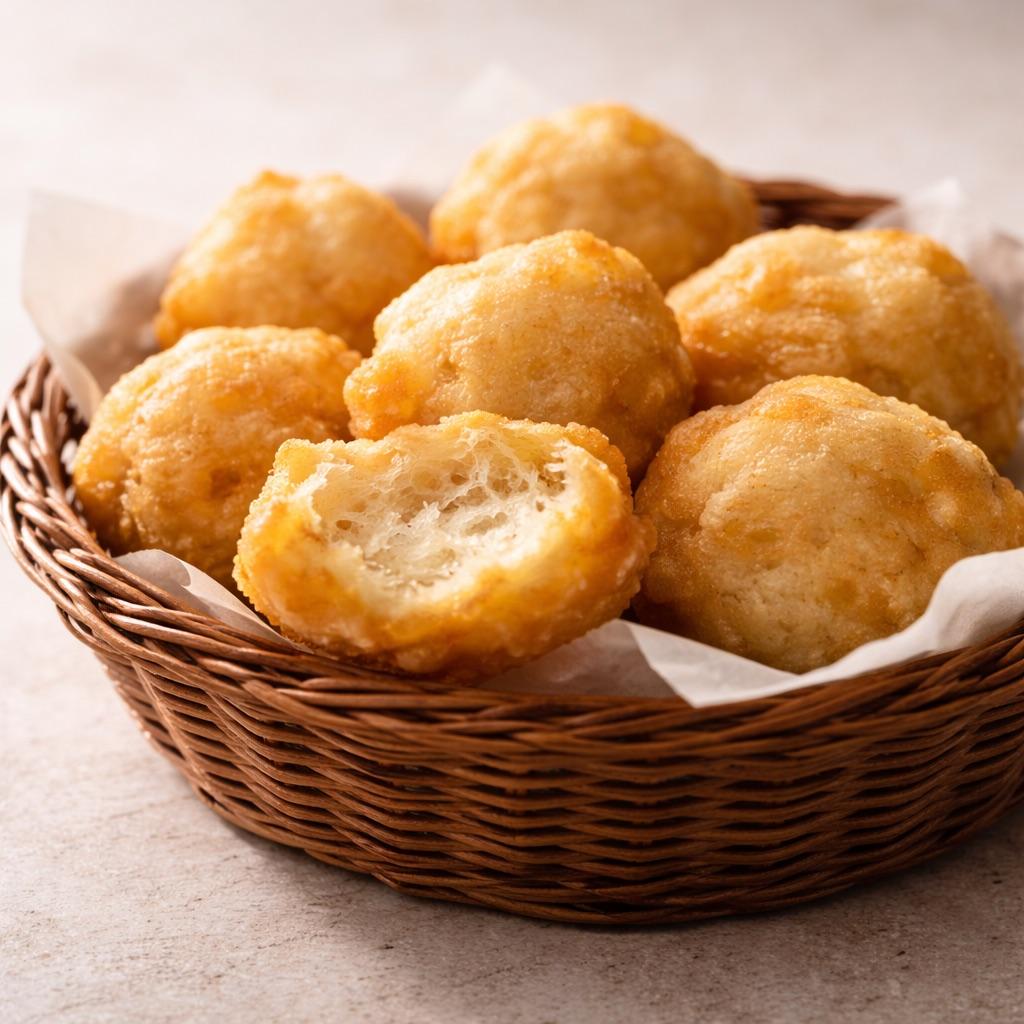
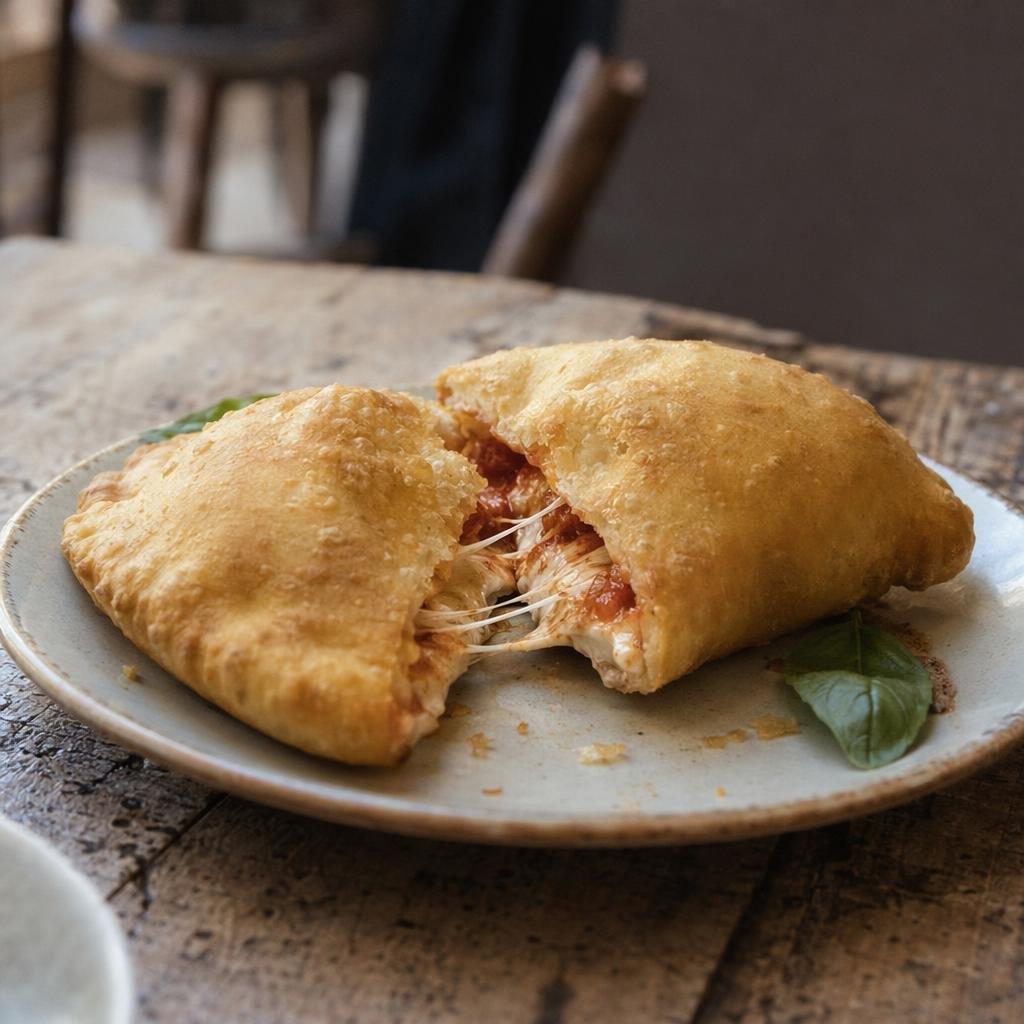
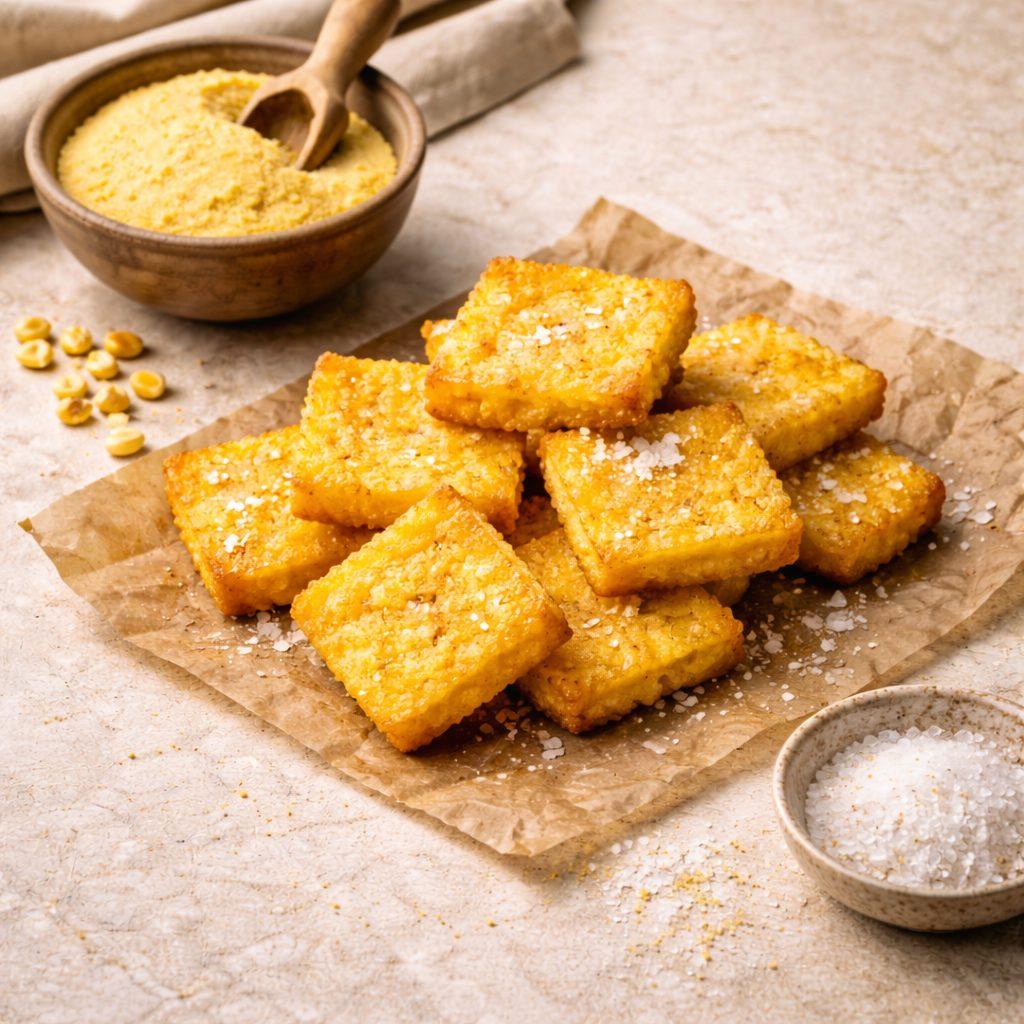
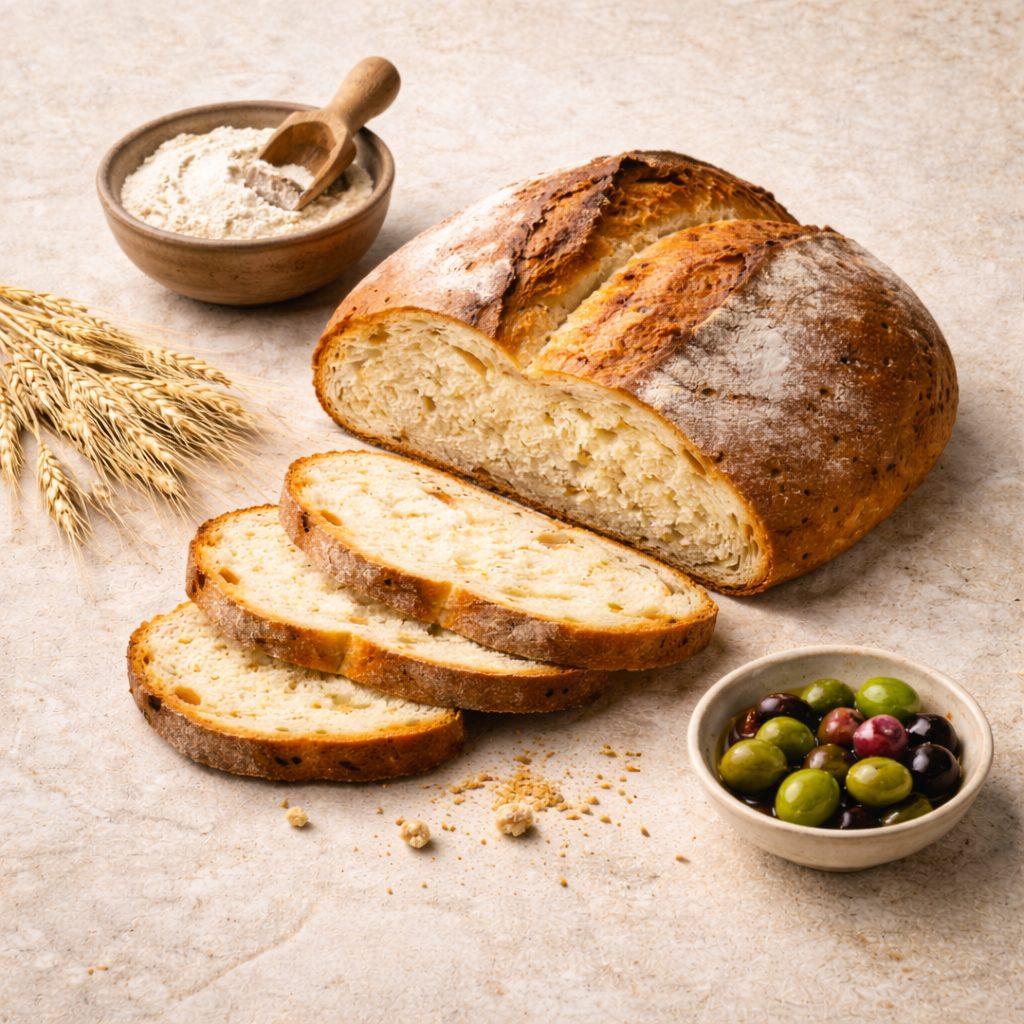
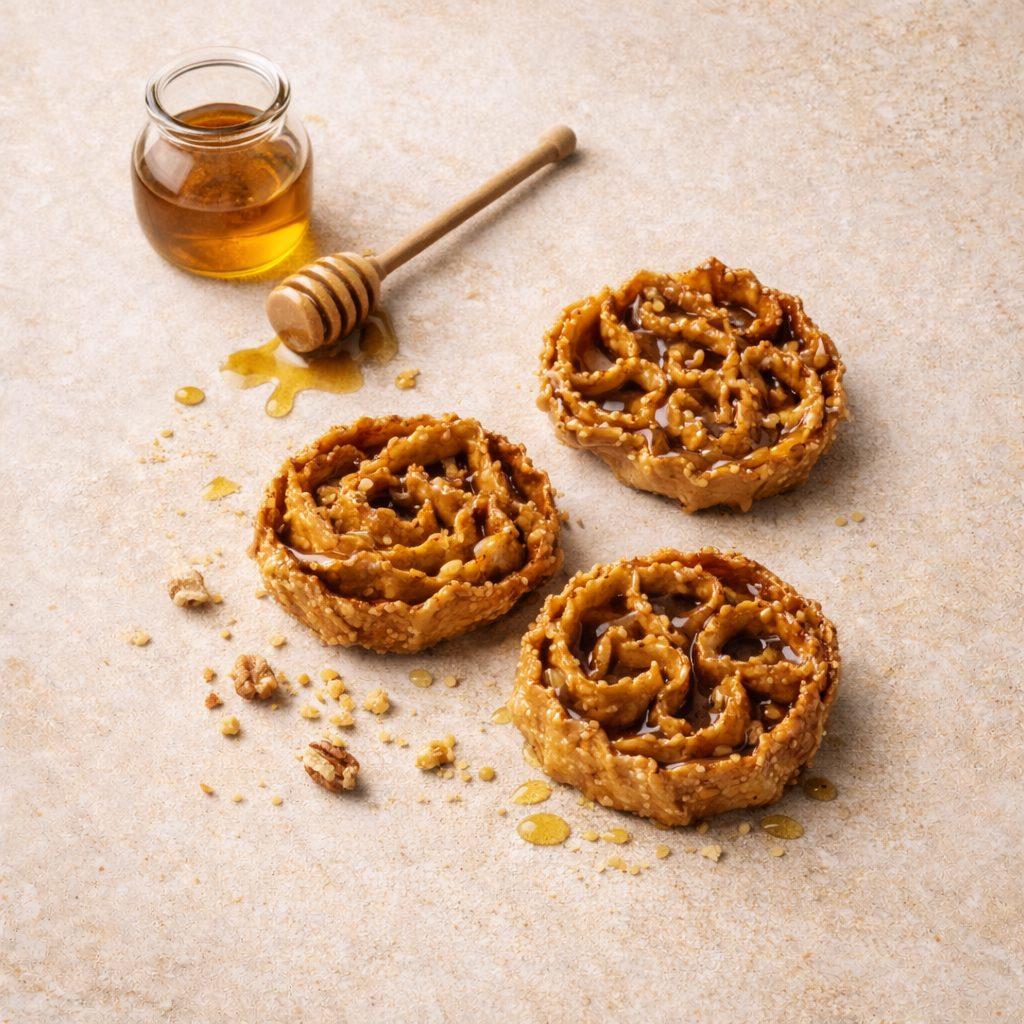
The pasticciotto leccese and the rustico leccese are eaten warm. Out of the bakery oven come pizzi leccesi, puccia and, in December, pittule.
At the table
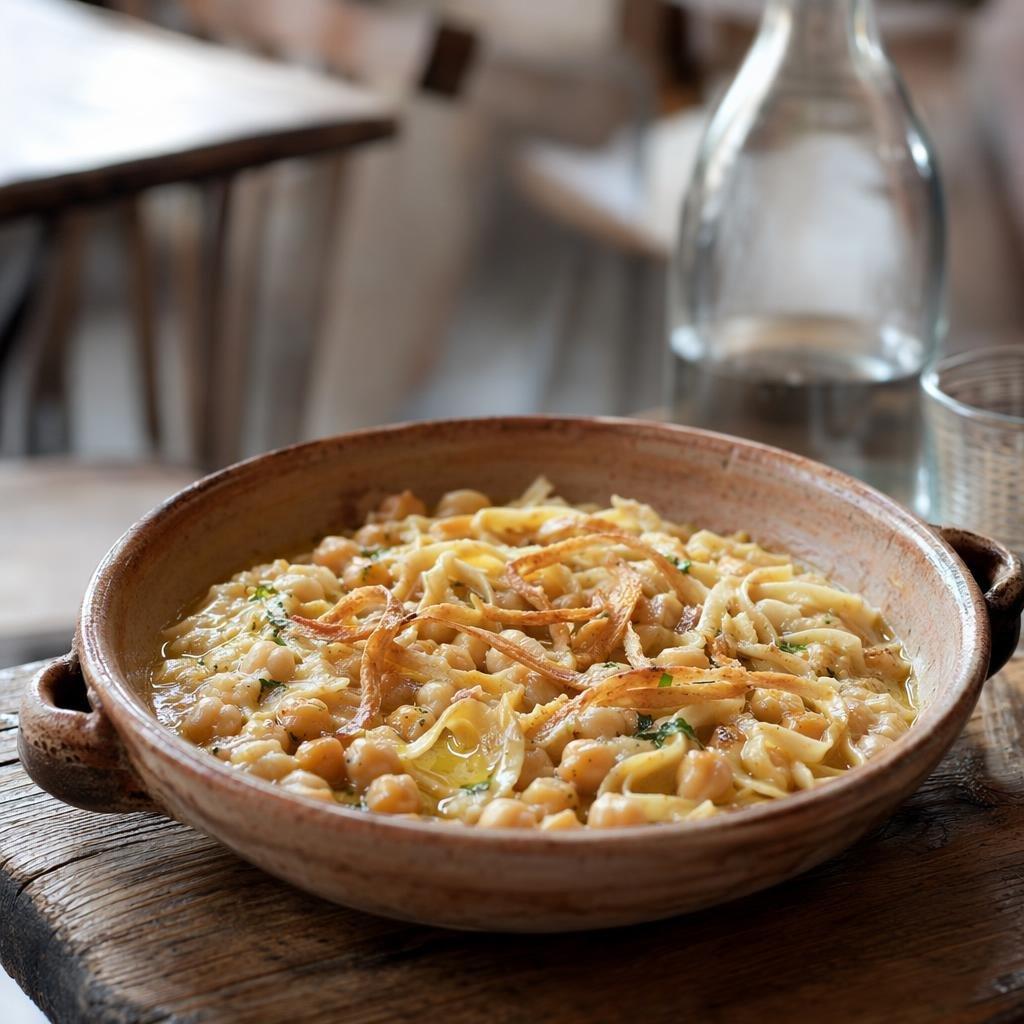
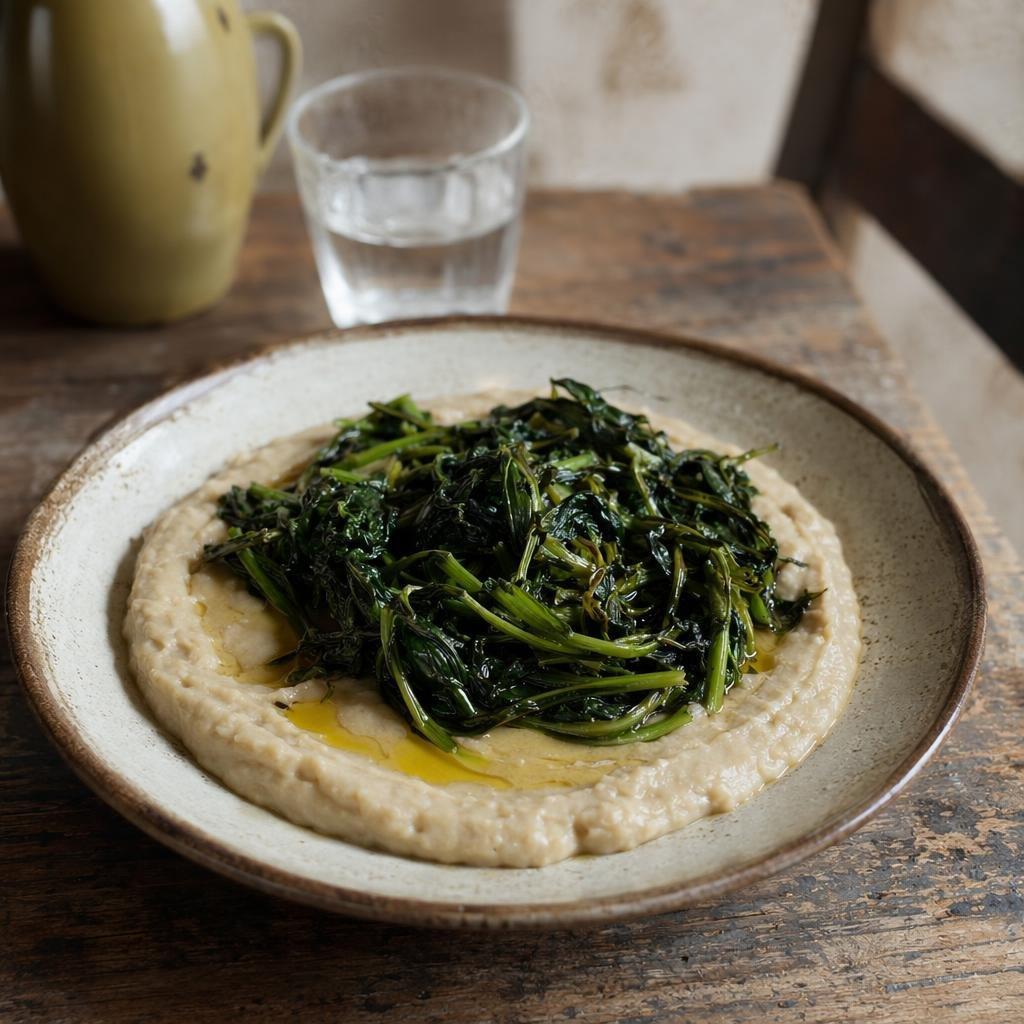
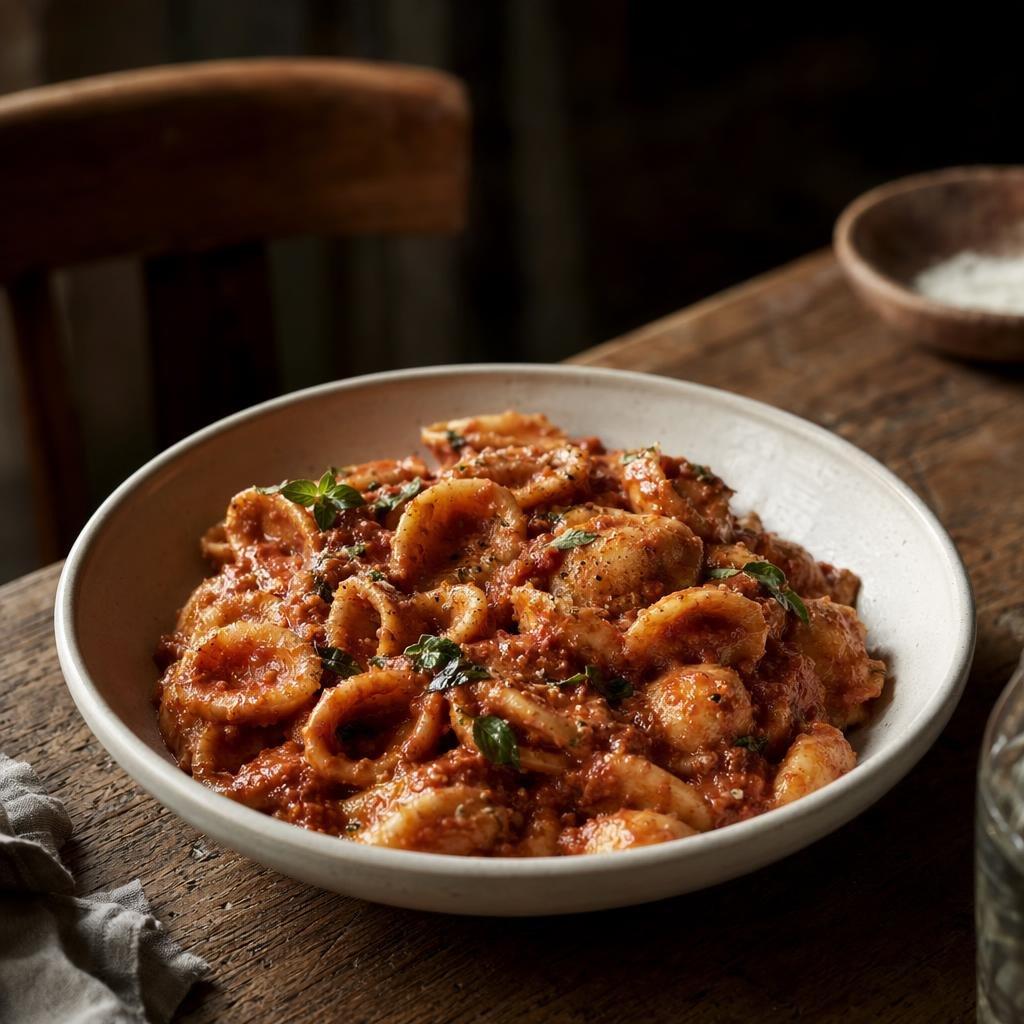
Ciceri e tria, fave e cicorie, sagne 'ncannulate, taieddhra and polpo alla pignata; in summer, towards Gallipoli, scapece gallipolina.
In the suitcase
Things to take home
Stone and papier-mâché: Lecce's baroque made by hand
Pietra leccese is soft when freshly quarried and hardens in the air: that is why, in the seventeenth and eighteenth centuries, Lecce could cover its churches and palazzi with rose windows, putti and garlands. In the same period the cartapestai learned to model paper, glue and plaster over a core of straw and wire, and to set the drapery with hot irons. The tambourine goes with the pizzica, the dance linked to tarantism, and since the 1990s it has come back to the squares of the Salento. The pasticciotto, according to the most widely told story, was born in Galatina in 1745.
How to choose stone and papier-mâché in Lecce
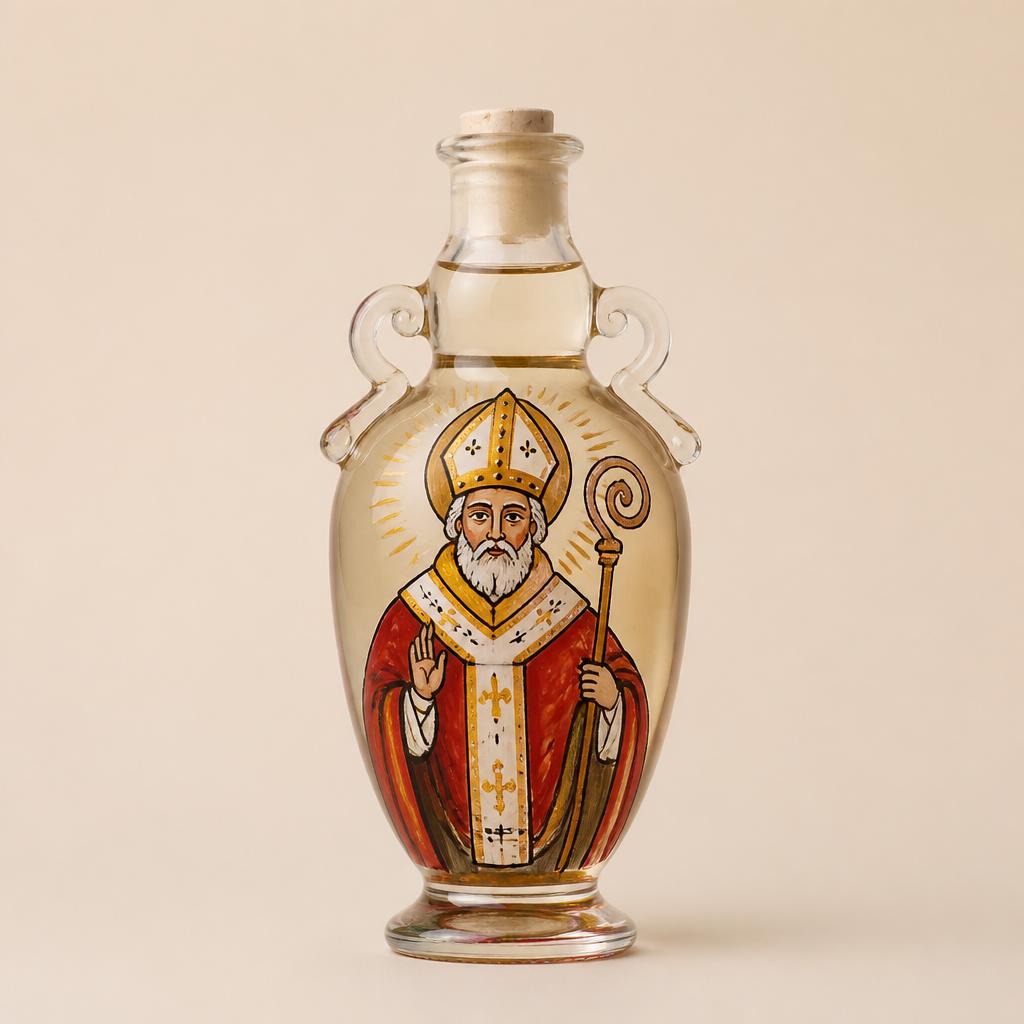
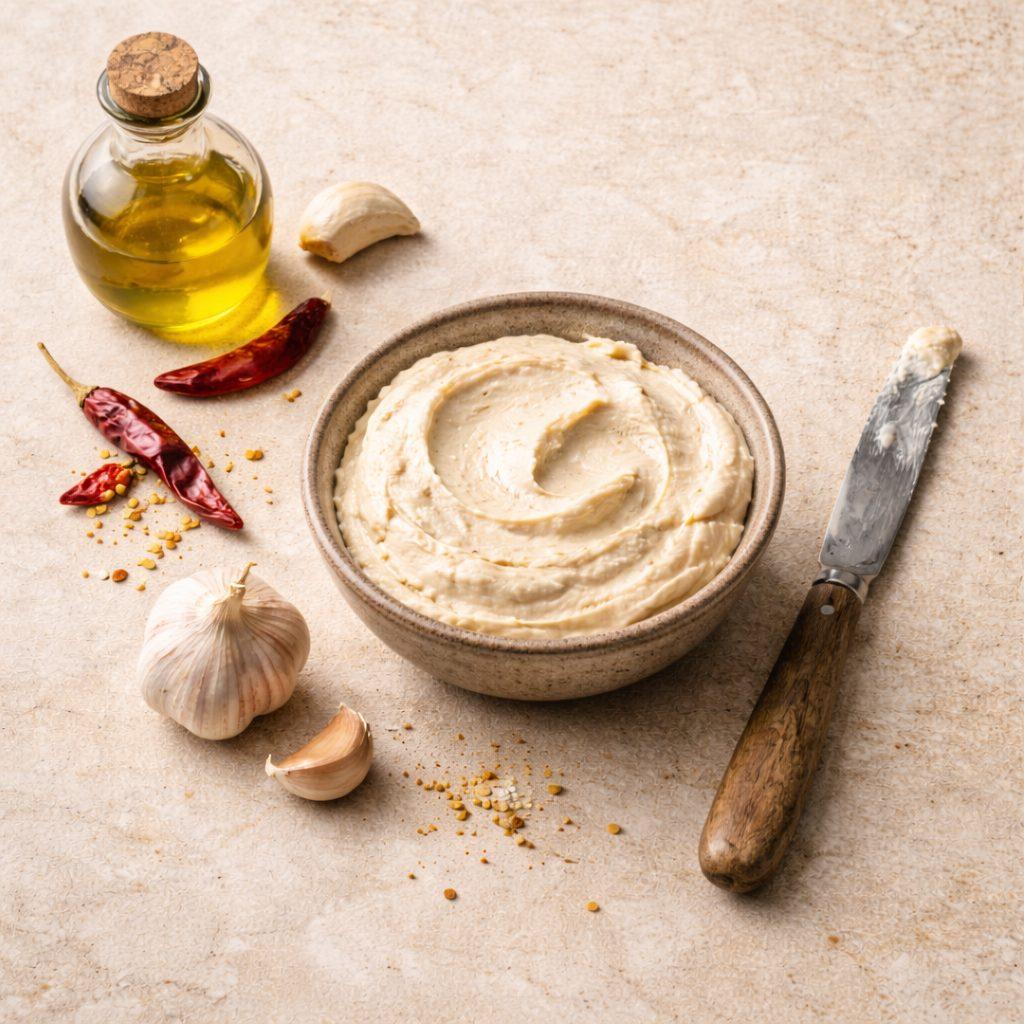
Pietra leccese is matt and porous, with small variations in colour: run a finger over it and feel the grain. Papier-mâché is light in the hand, with crisp folds where the hot iron set the drapery. For the oil, look for the words Terra d'Otranto DOP on the label, in full, with the EU symbol: a bottle of about 500 ml usually costs between €10 and €25.
Where to look in Lecce, between the Duomo and Santa Croce
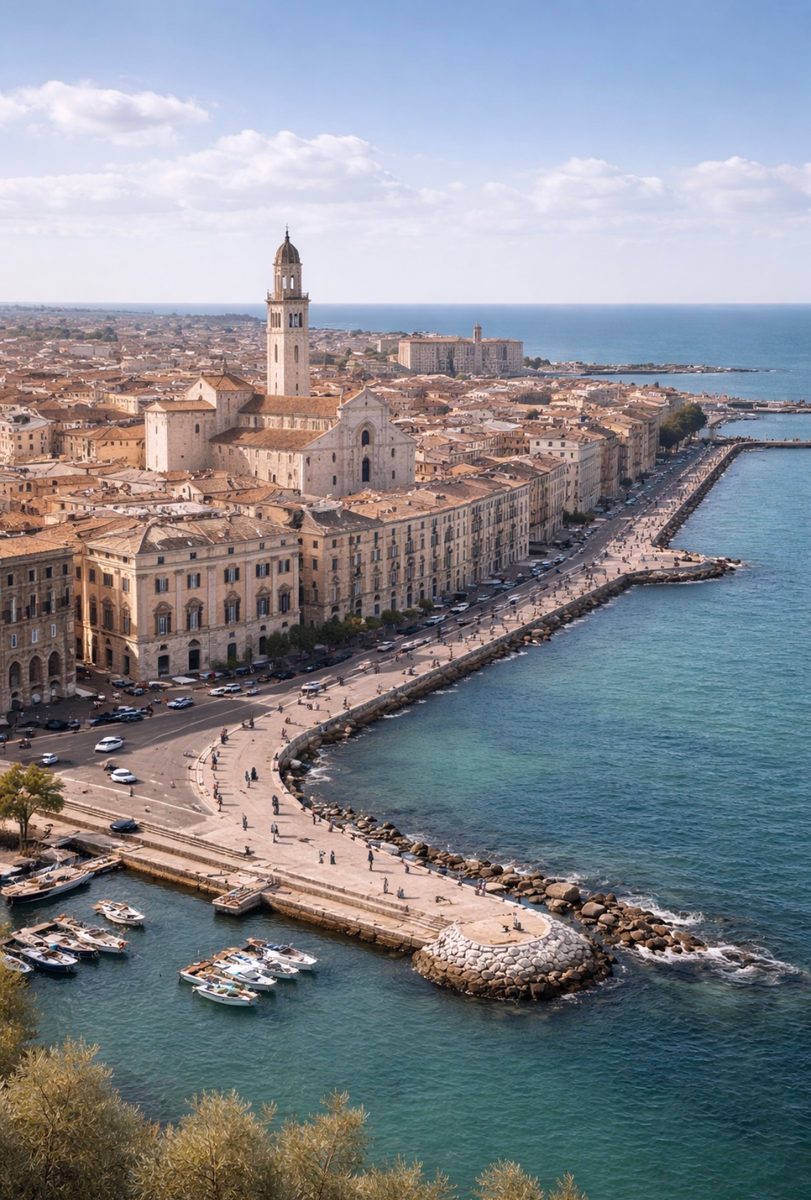
Stone, papier-mâché and maiolica are in the old town: around Piazza del Duomo, Piazza Sant'Oronzo, the Basilica di Santa Croce and along Via Palmieri and Via Umberto I. In the Castello Carlo V there is the papier-mâché museum, worth a visit to see the large pieces before you buy a small one. For pasticciotto and rustico, go to a bar or a pastry shop; for friselline, taralli and pizzi, the neighbourhood bakeries.
Before you leave Lecce: timing and suitcase
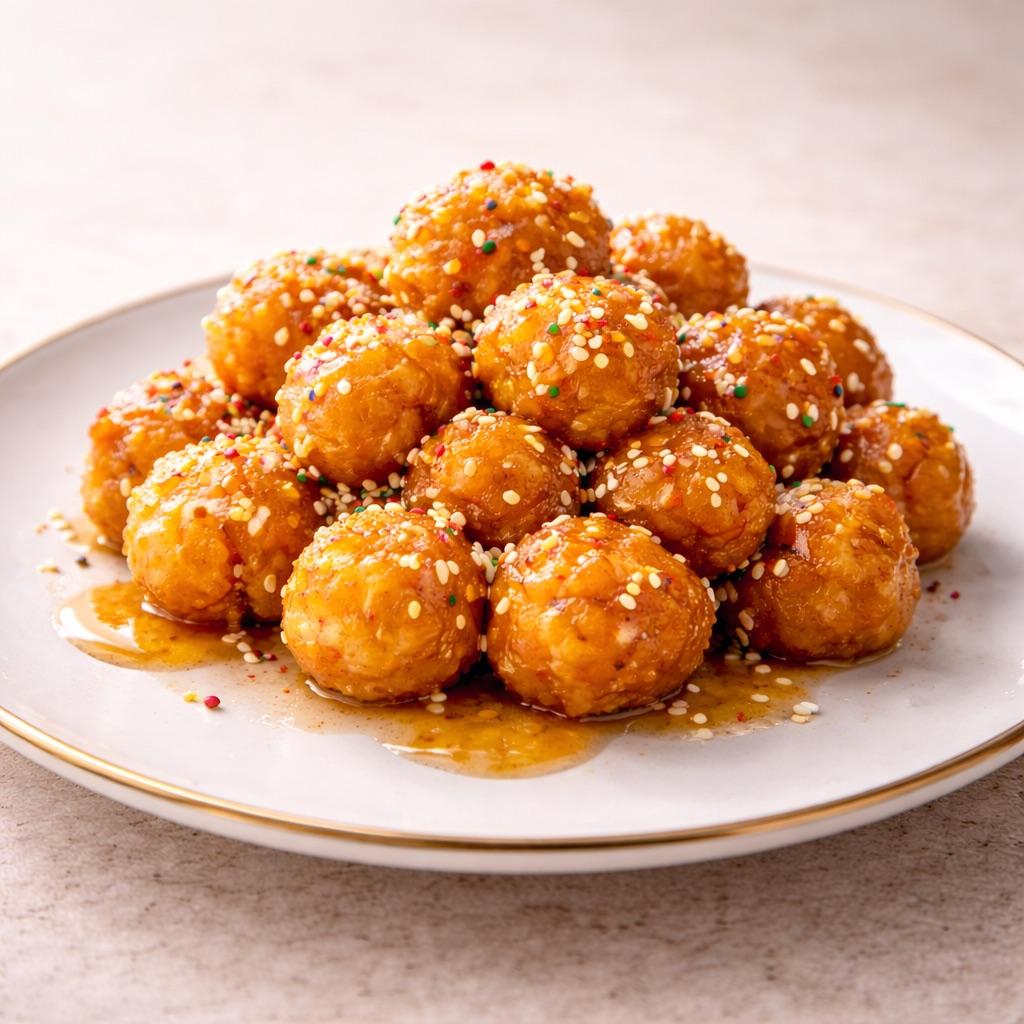
The pasticciotto does not travel: eat it warm, it costs between €1.50 and €3. To make Lecce coffee at home, bring the almond-milk syrup, in the hold like the oil, because liquid rules apply in hand luggage. Pittule and purceddhruzzi belong to December: pittule from the eve of the Immacolata, purceddhruzzi until Epiphany. At the table, try ciceri e tria and orecchiette with ricotta forte.