What to bring home from Palermo and what to eat on the spot
3 min read
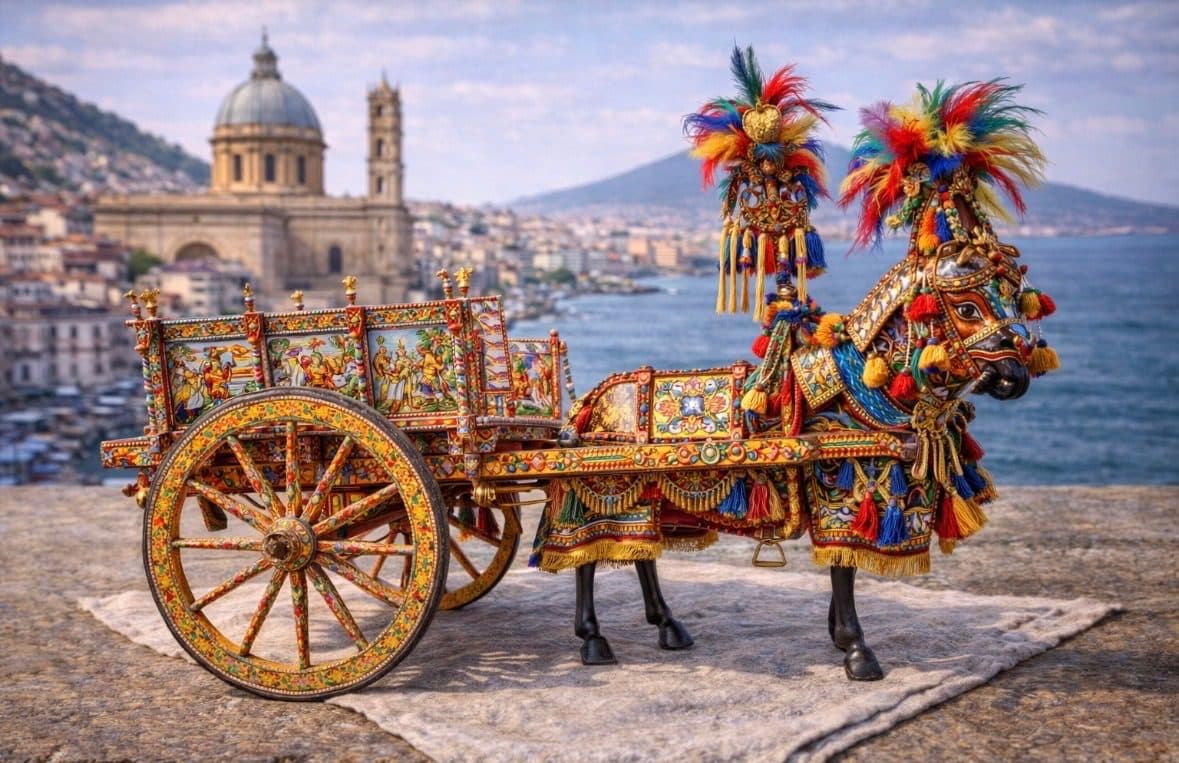
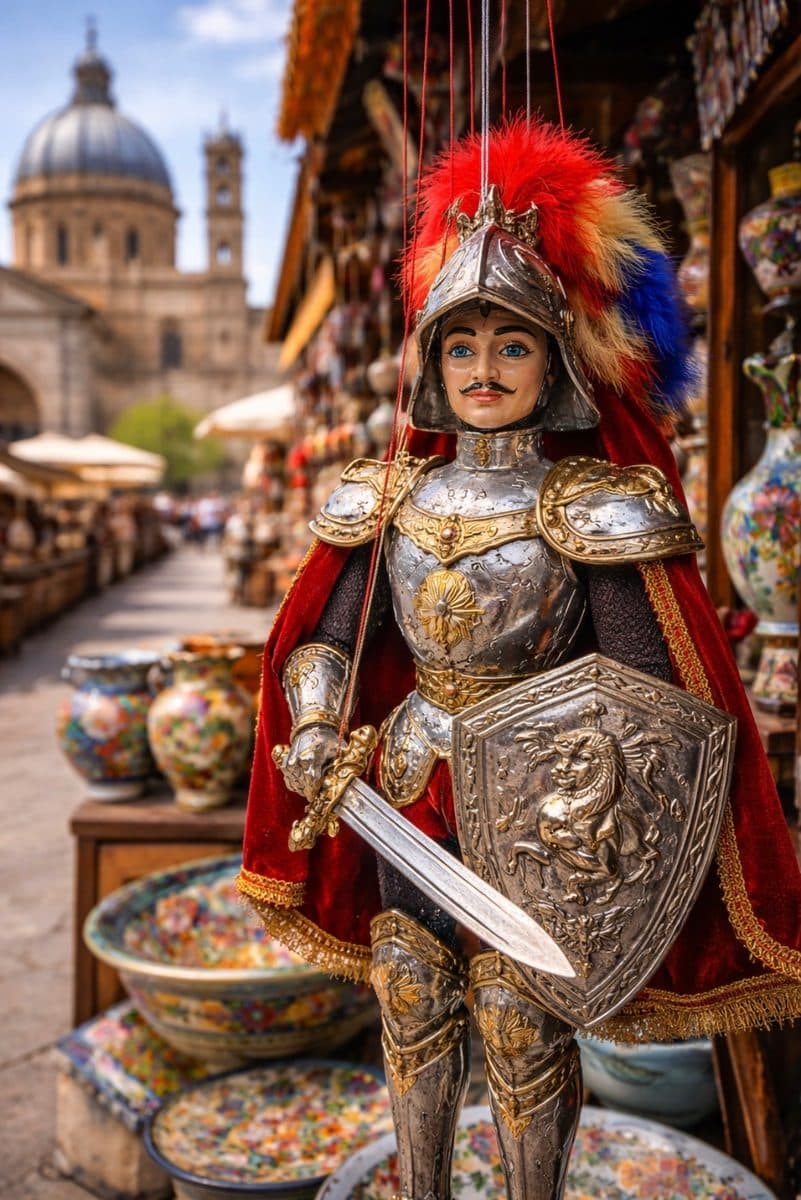
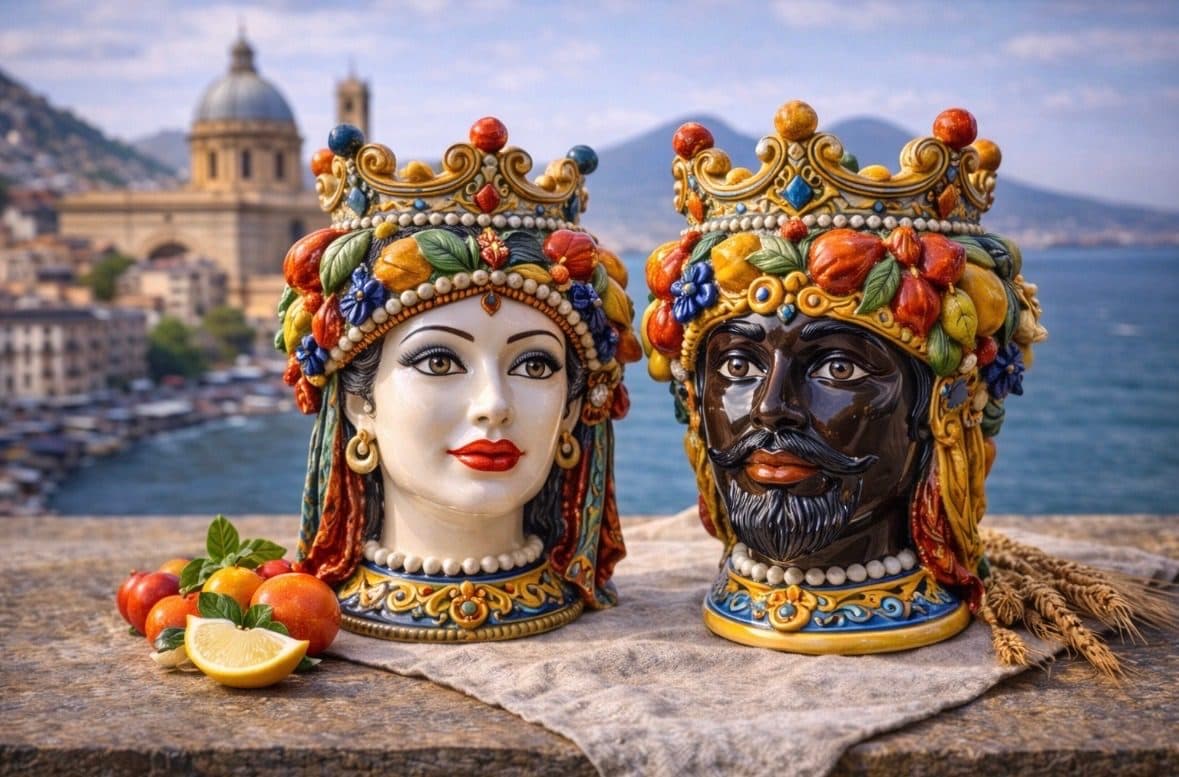
In Palermo you can go home with a paladin in armour: the pupi of the Opera dei Pupi, the Sicilian puppet theatre, are sold in the puppet-makers' workshops, together with painted carts and Teste di Moro. This is the Palermo that tells stories, and you carry it away in wood, metal and ceramic.
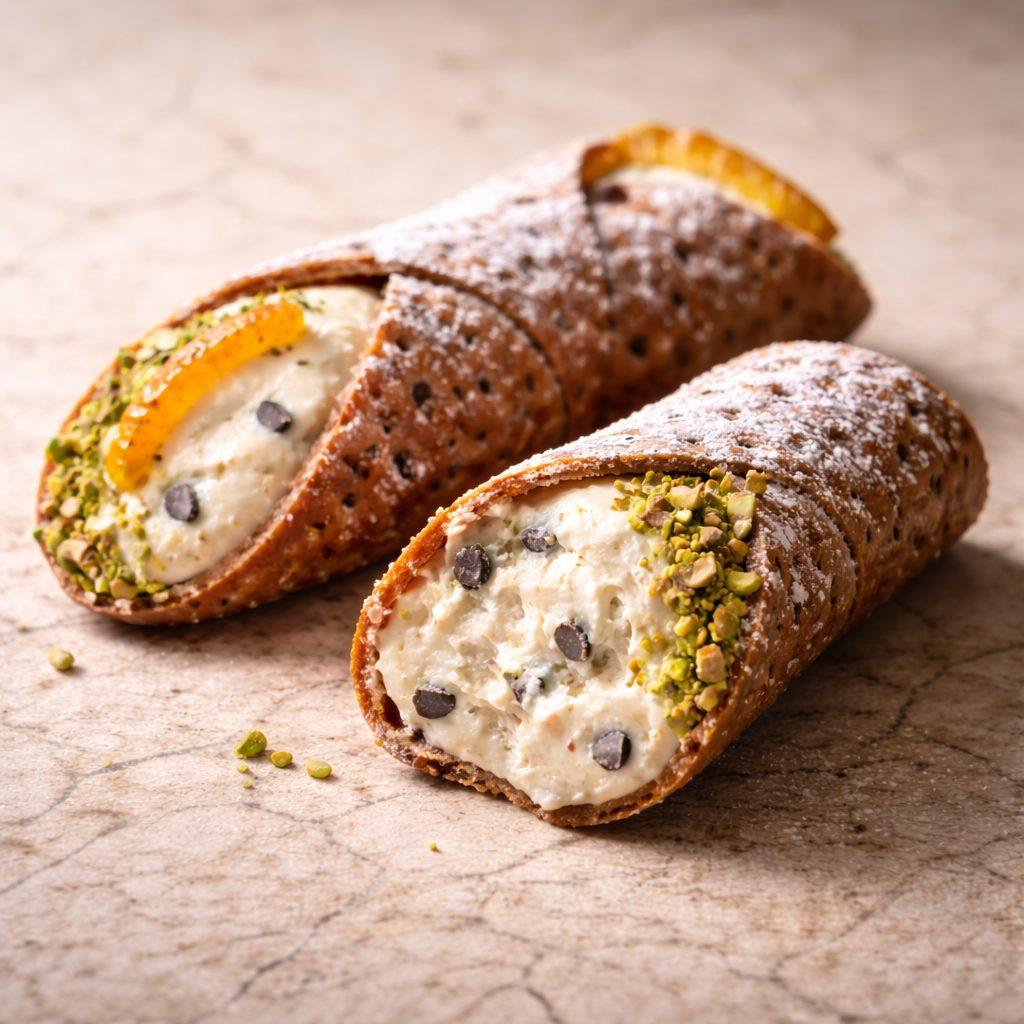
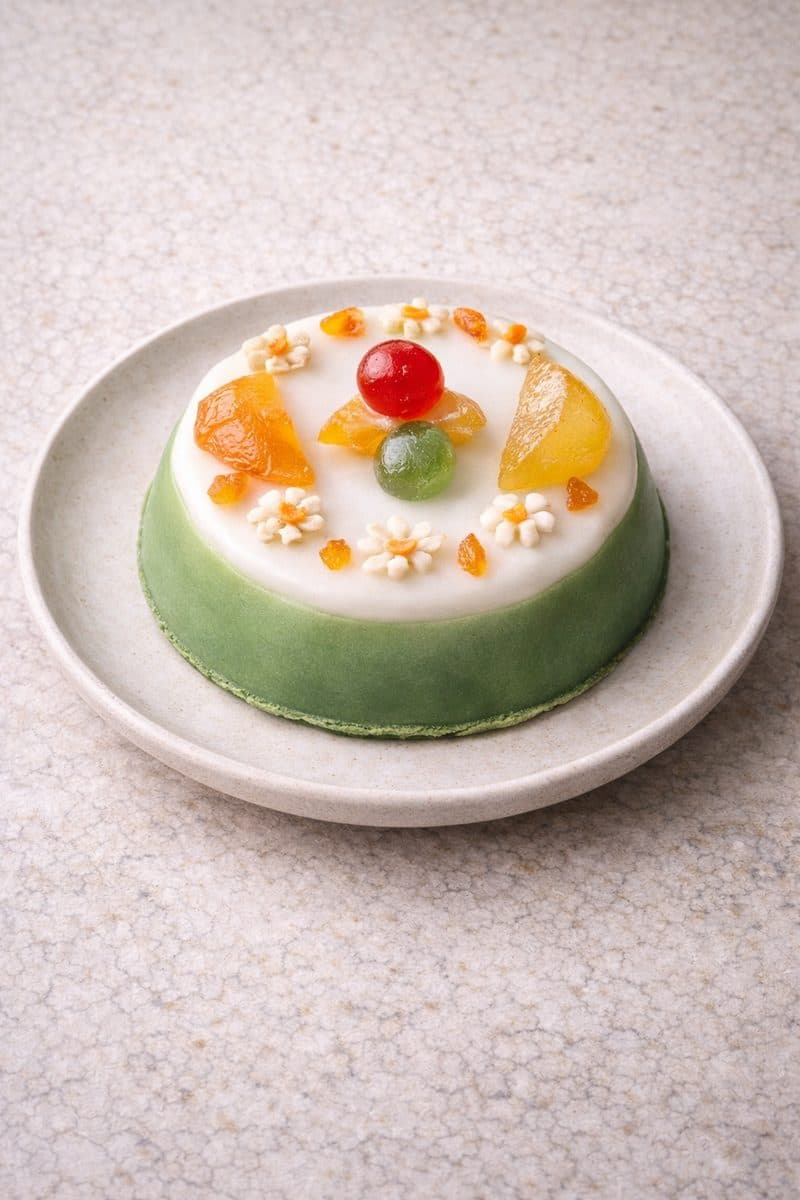
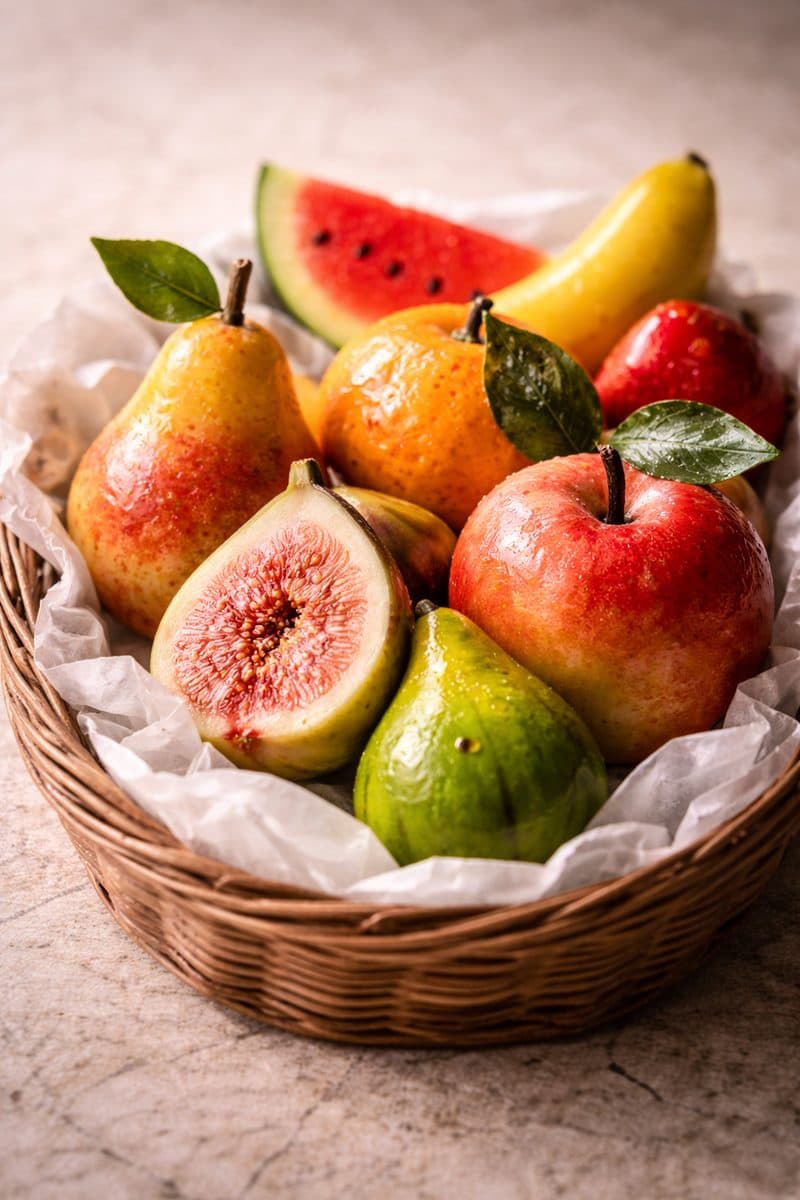
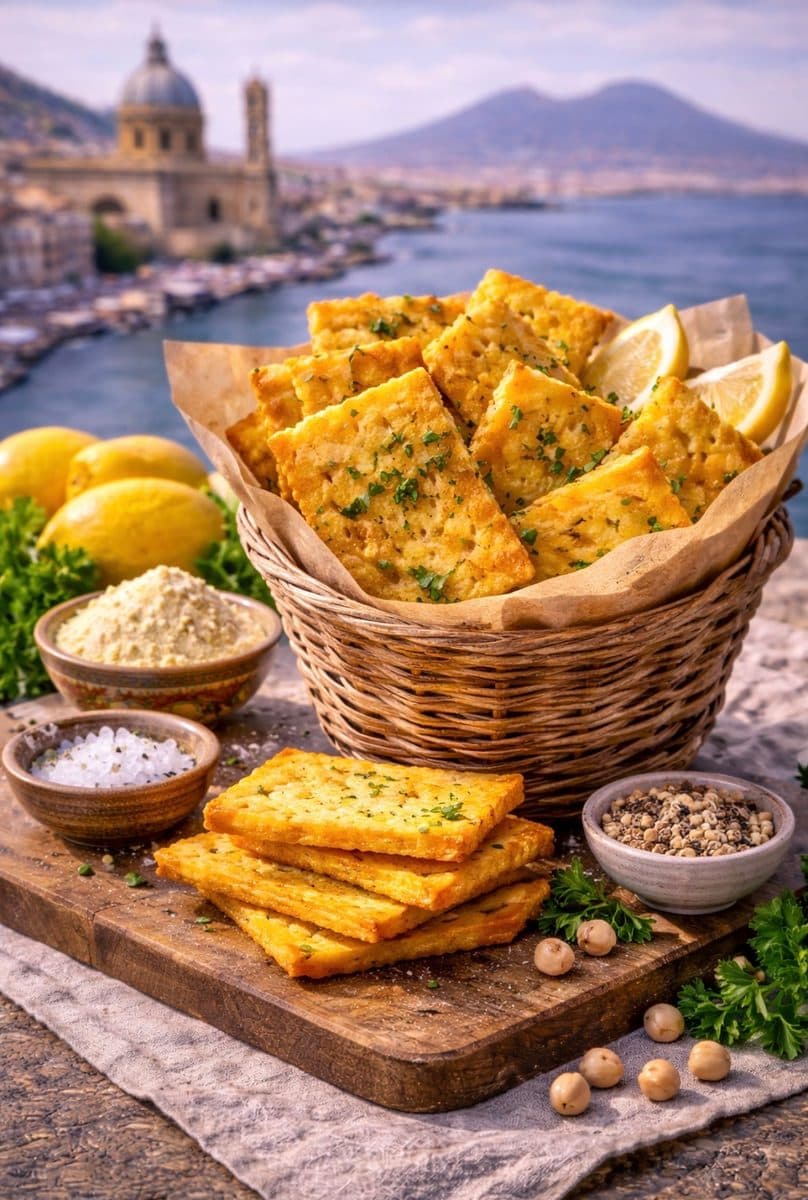
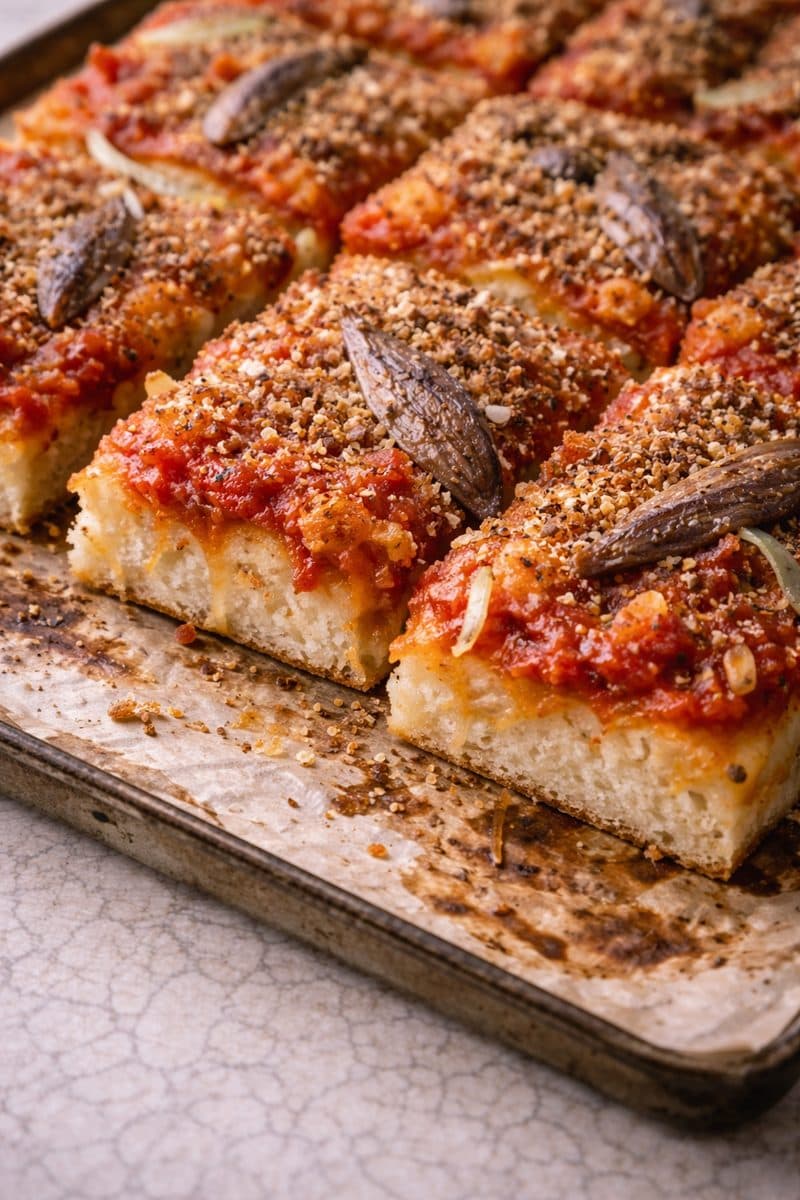
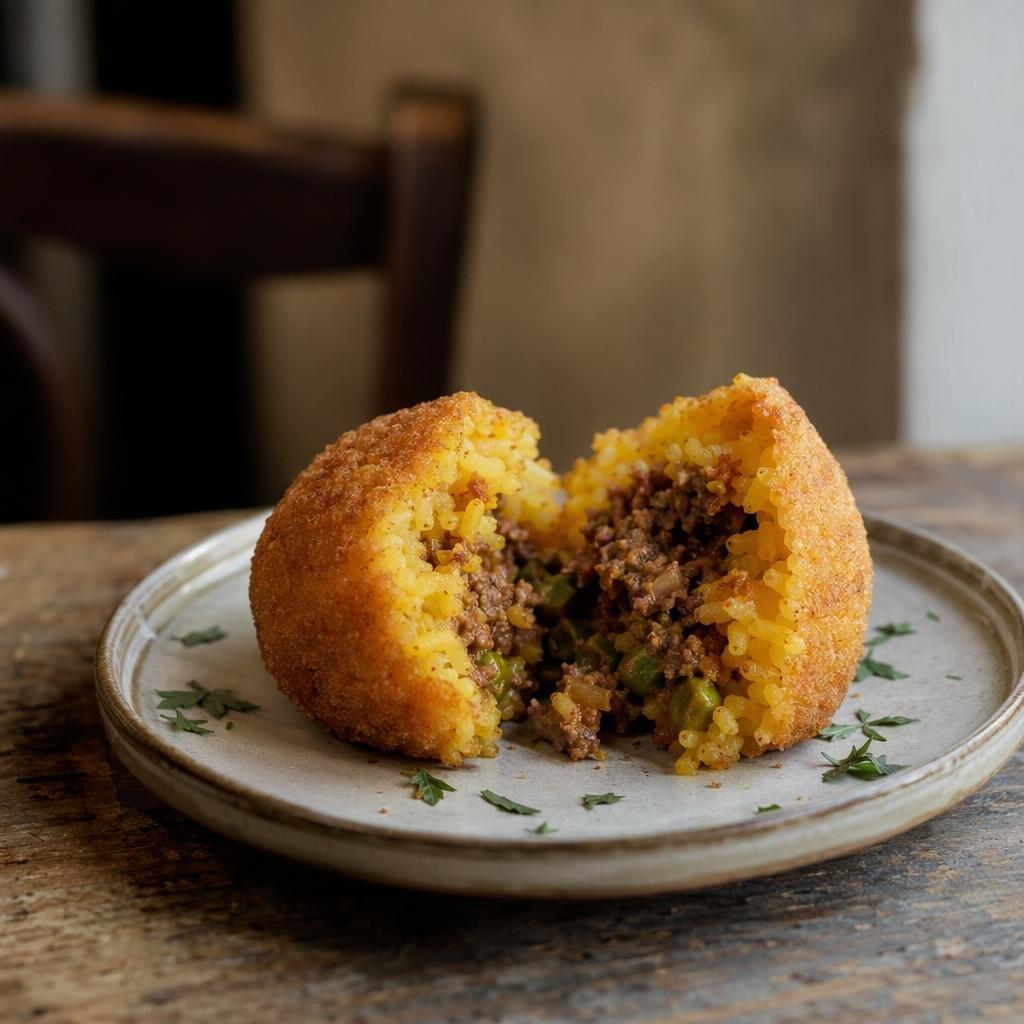
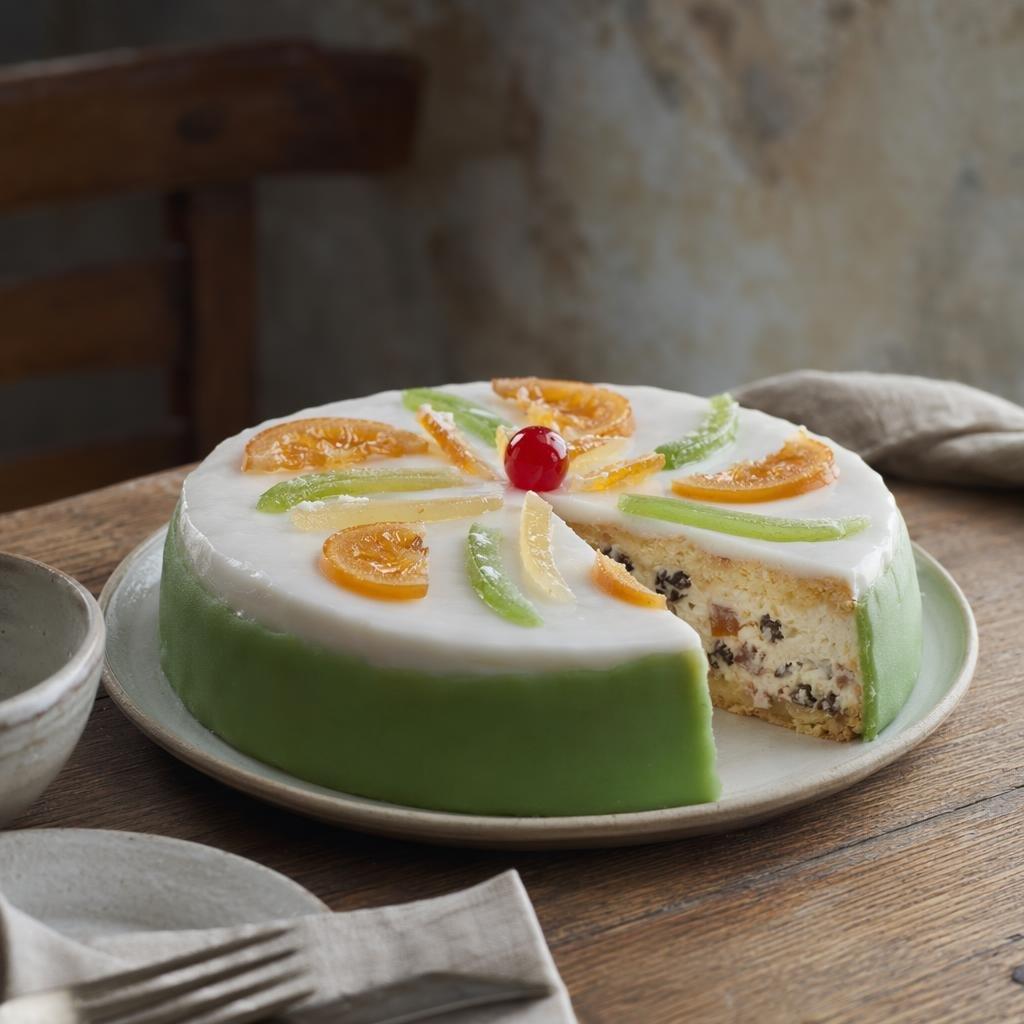
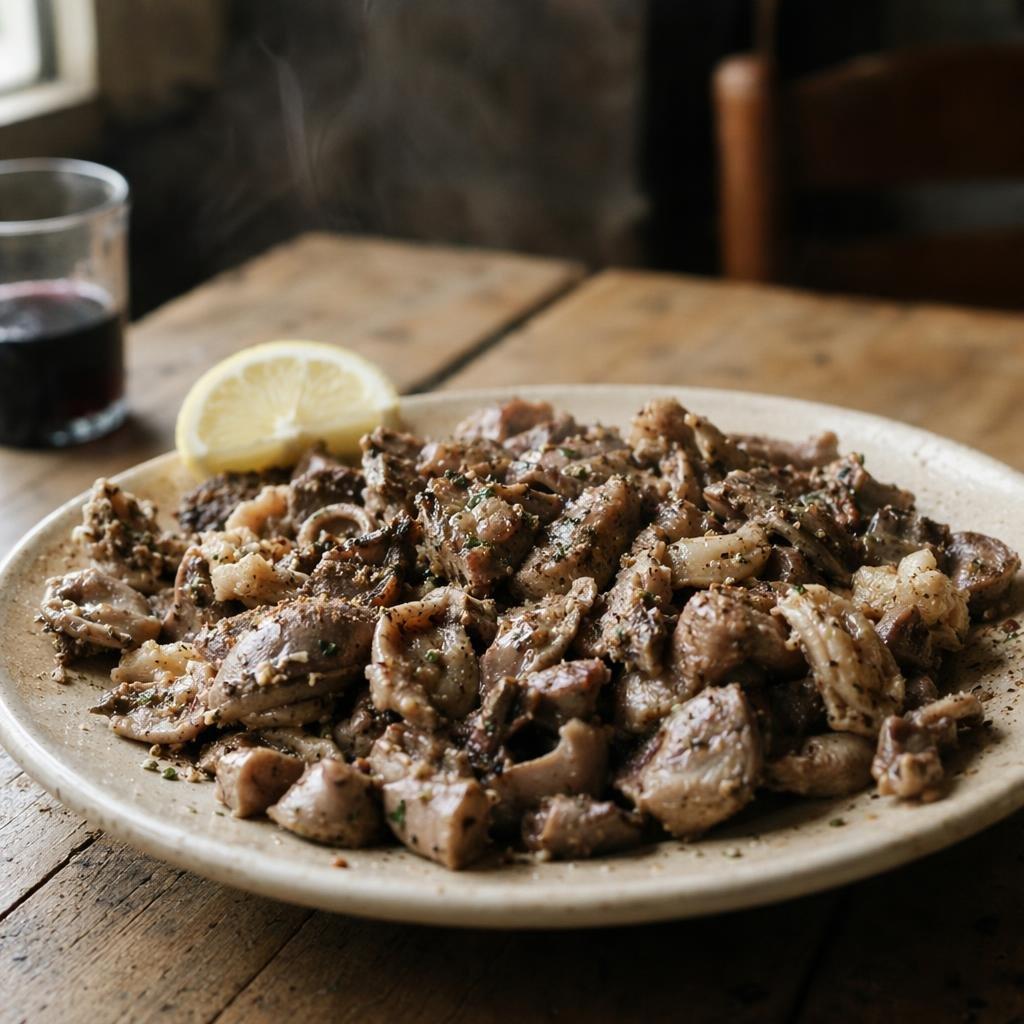
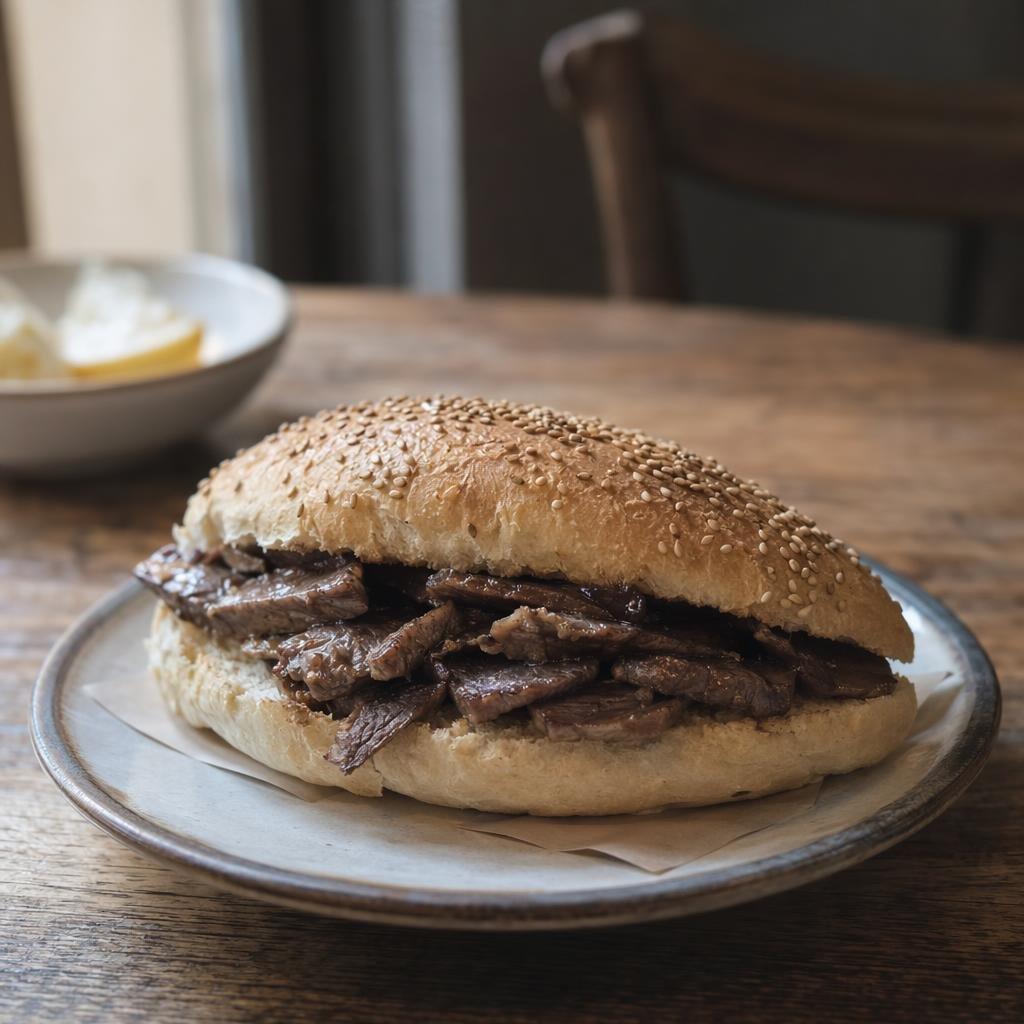
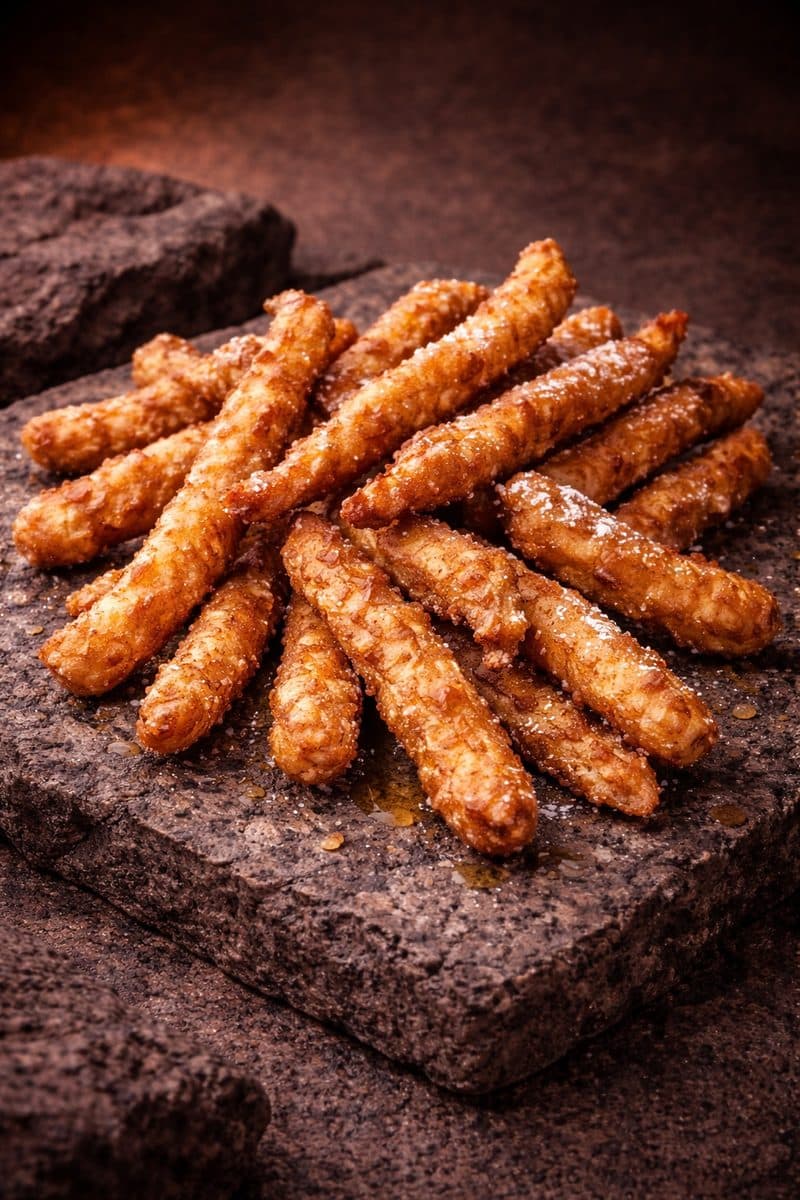
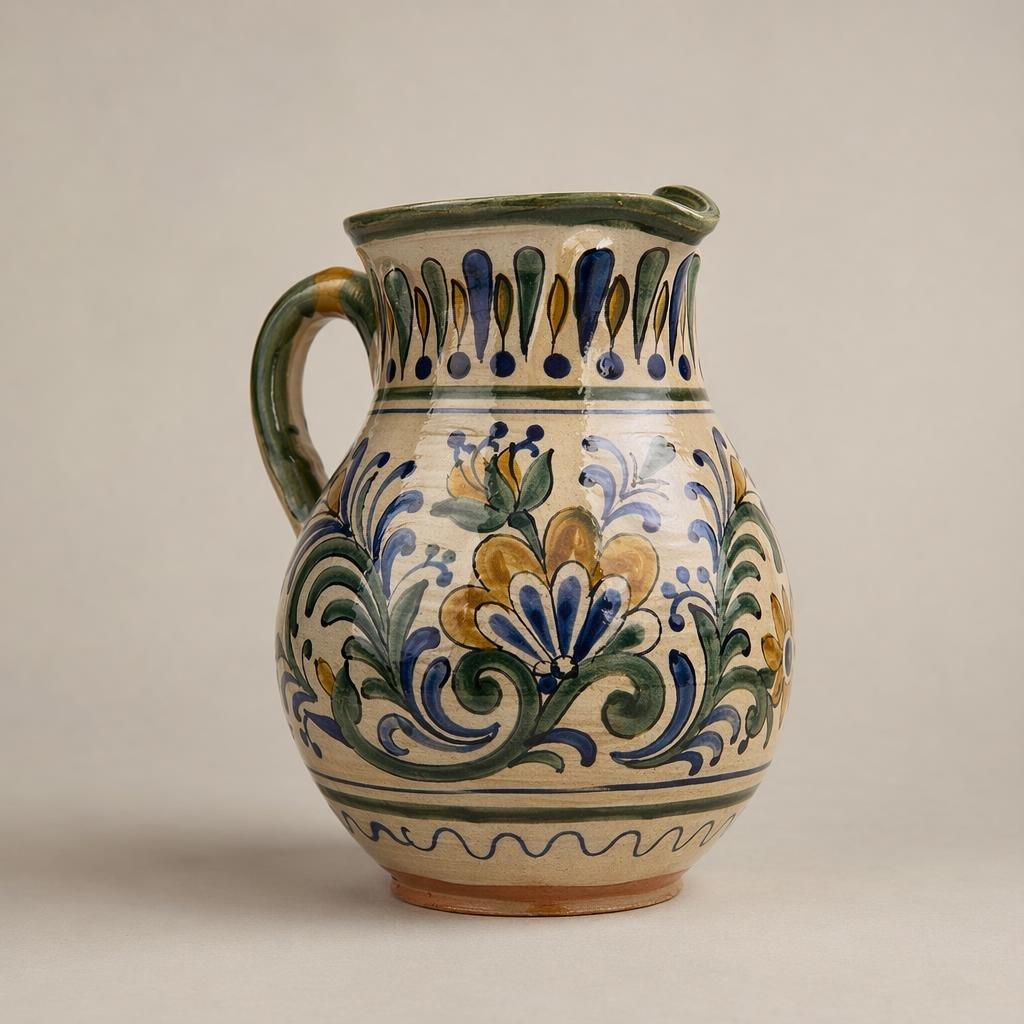
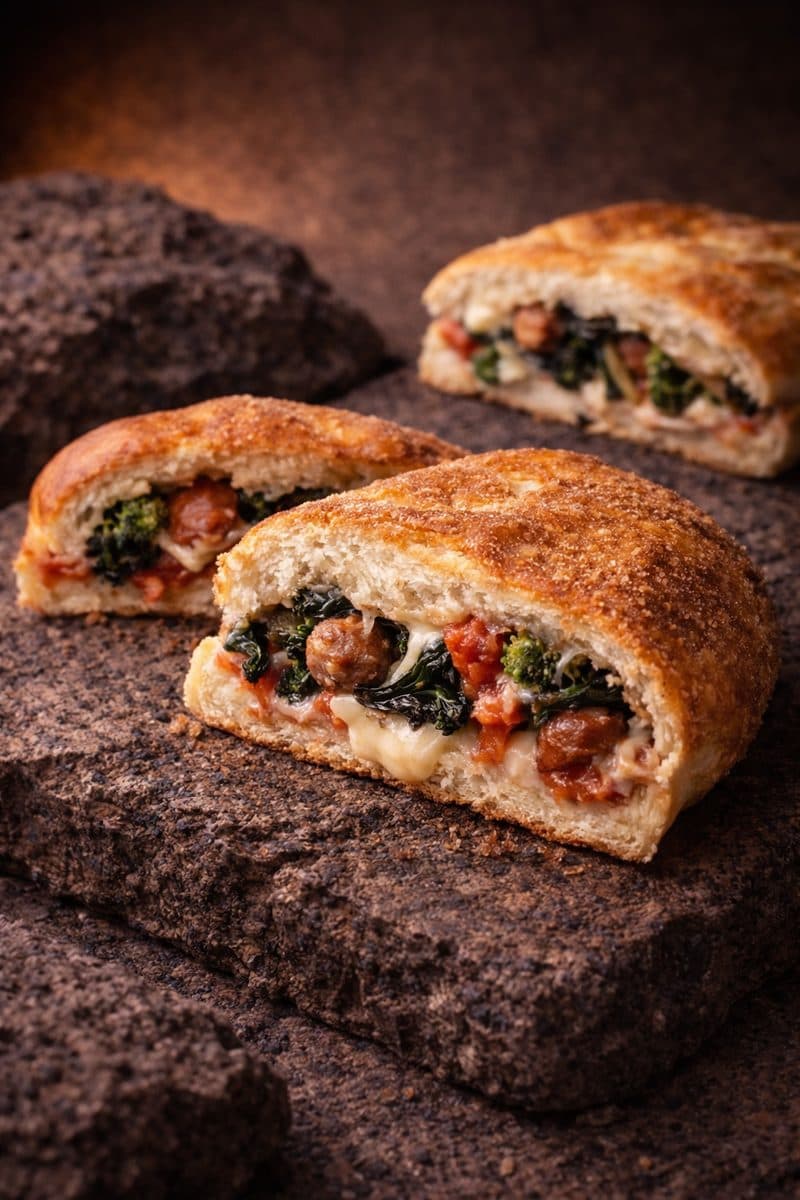
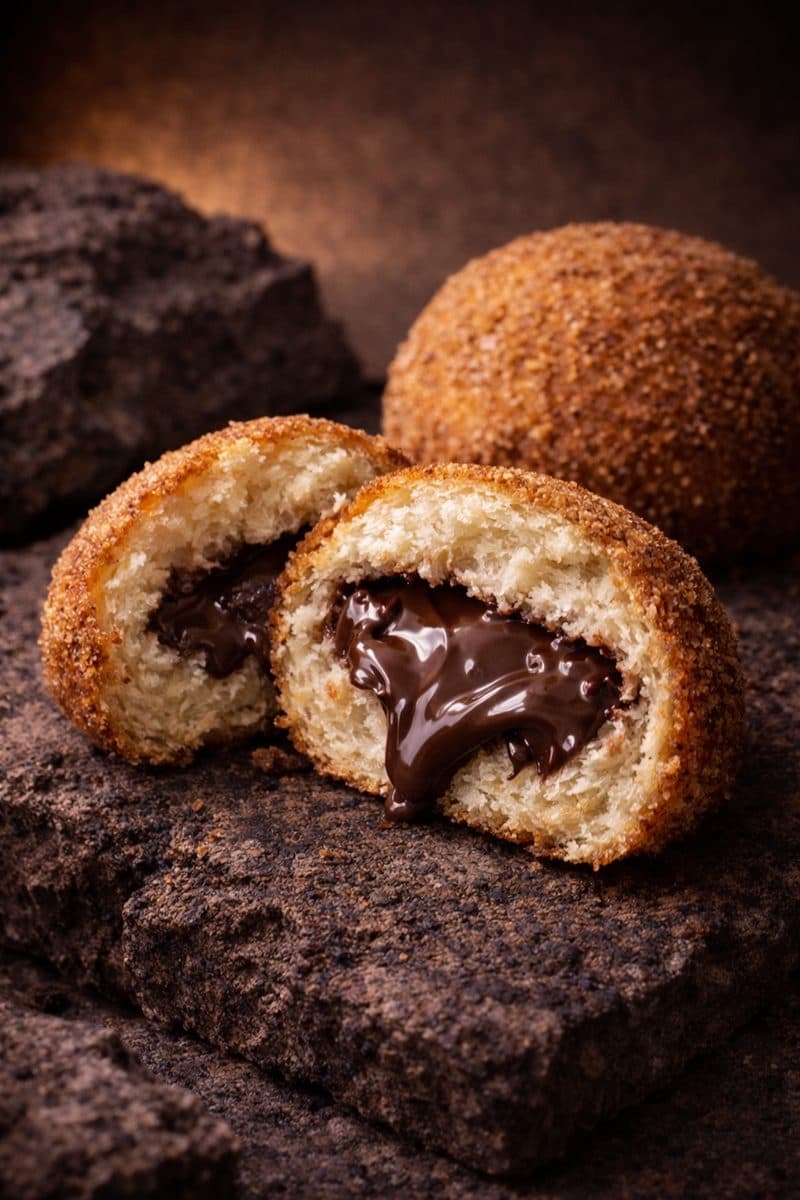
Then there is the Palermo of the convents: frutta martorana, cassata and cannolo, made of almonds, sugar and ricotta. And there is the Palermo of the markets: panelle, sfincione, arancina and pani ca meusa are eaten standing up at Ballarò or the Capo, and they stay there.
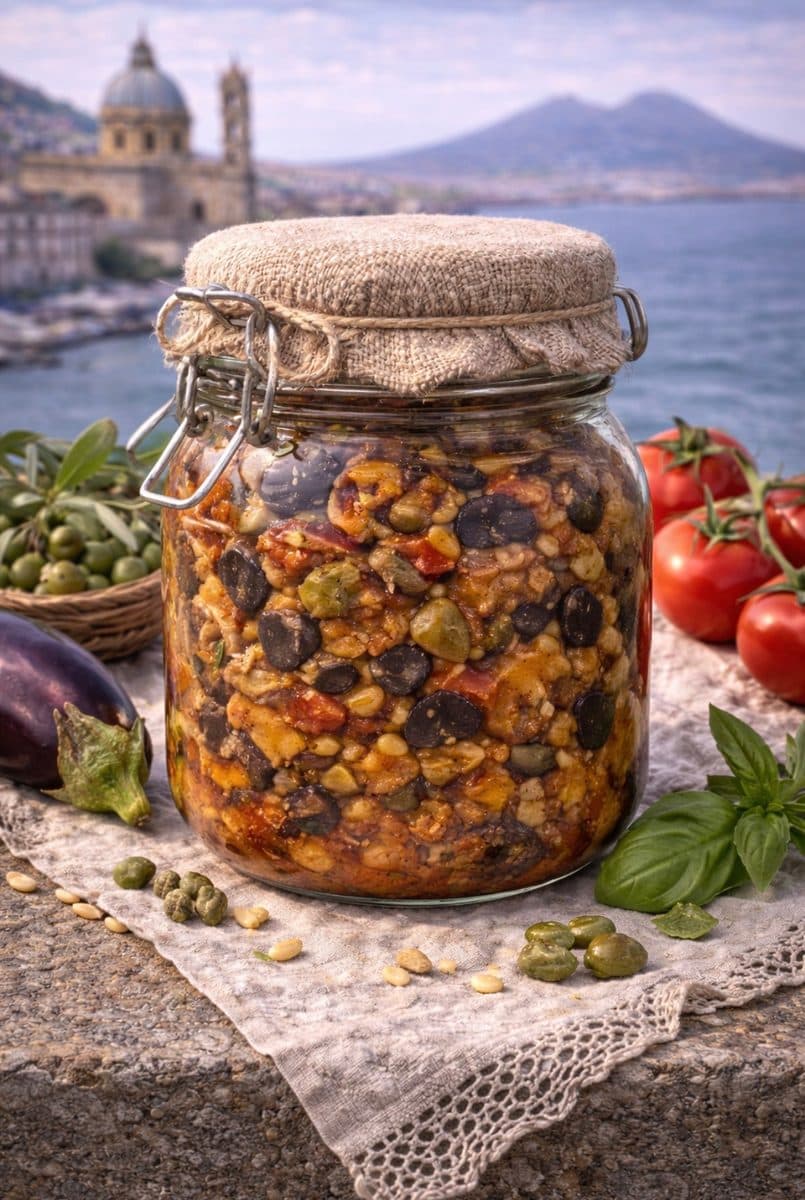
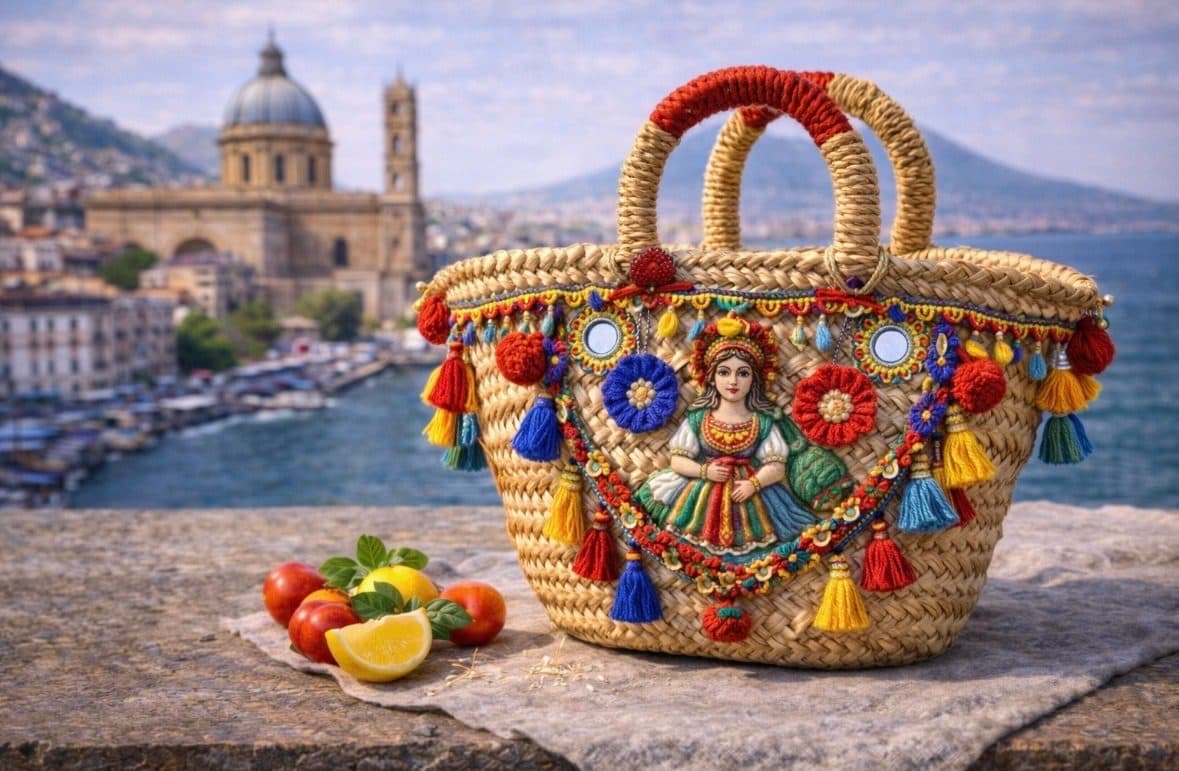
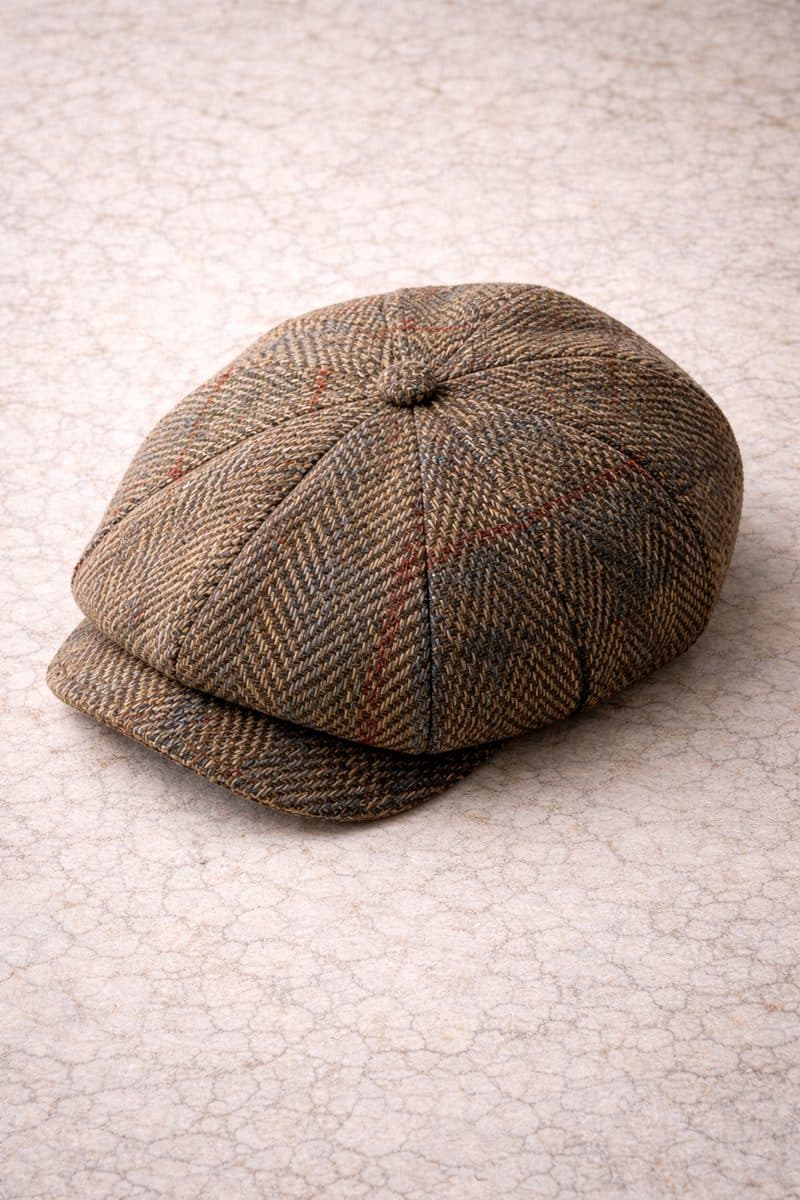
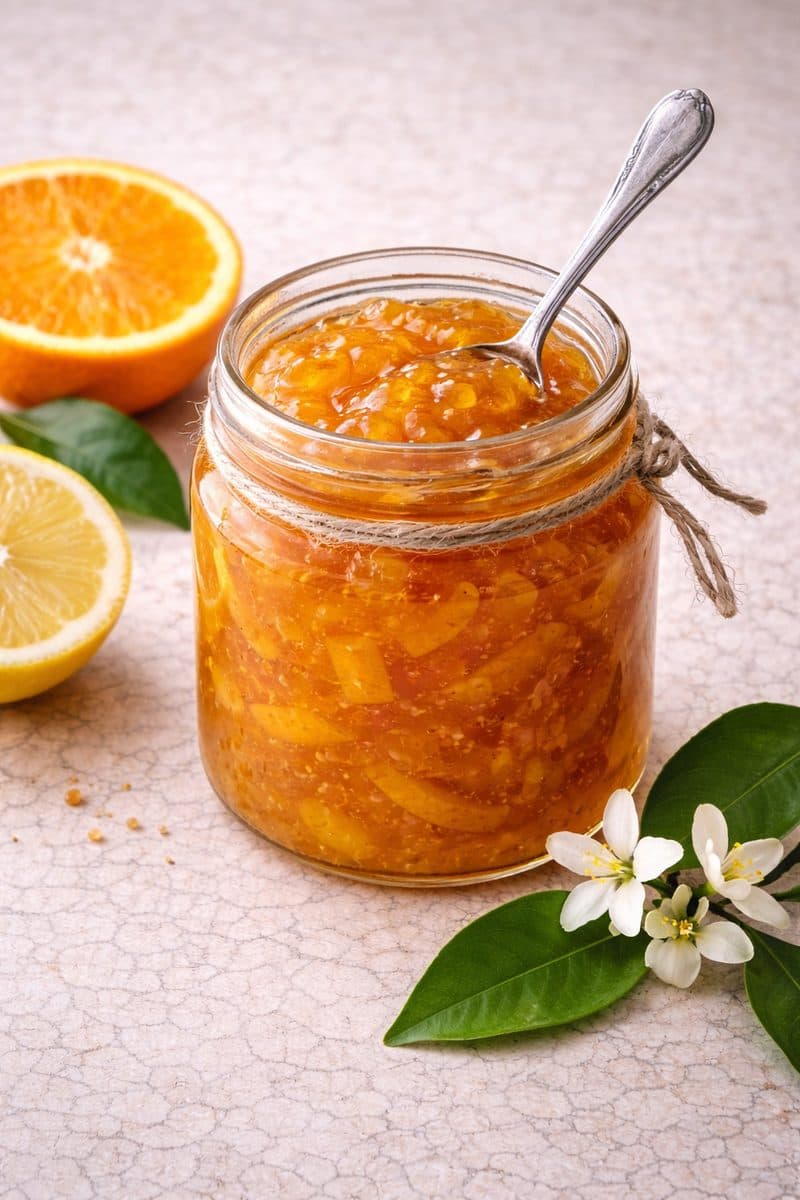
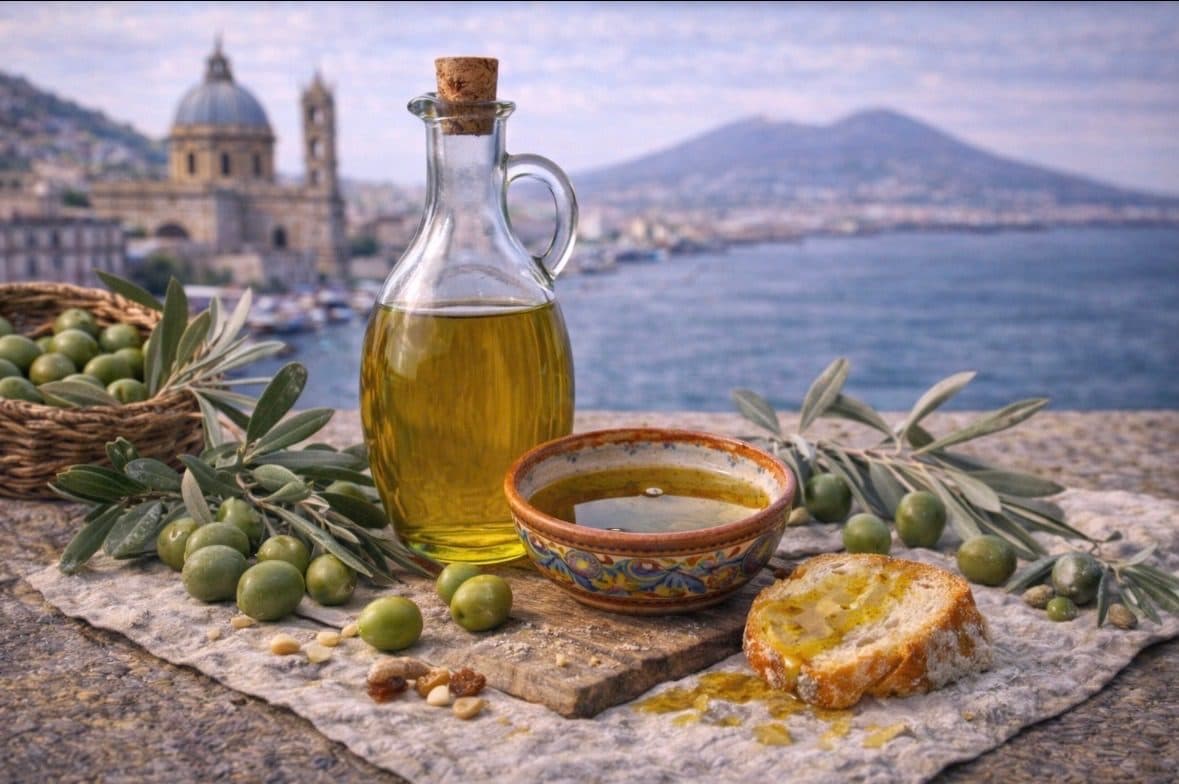
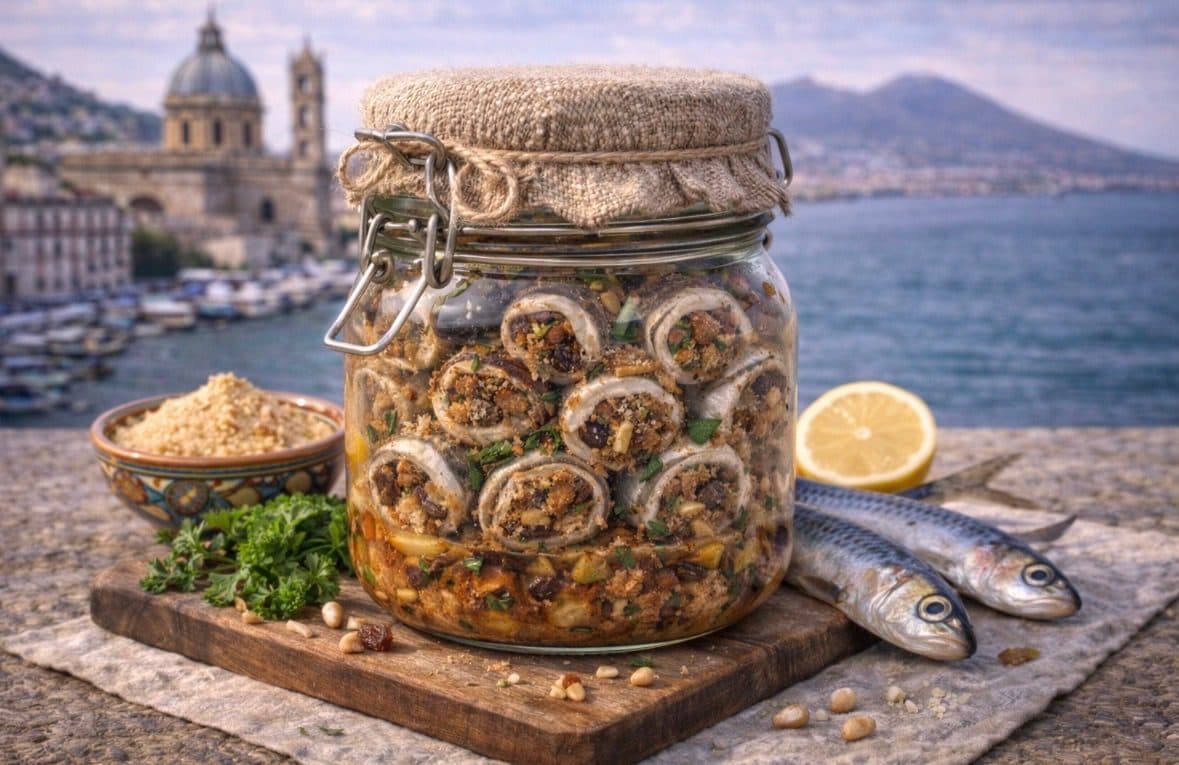
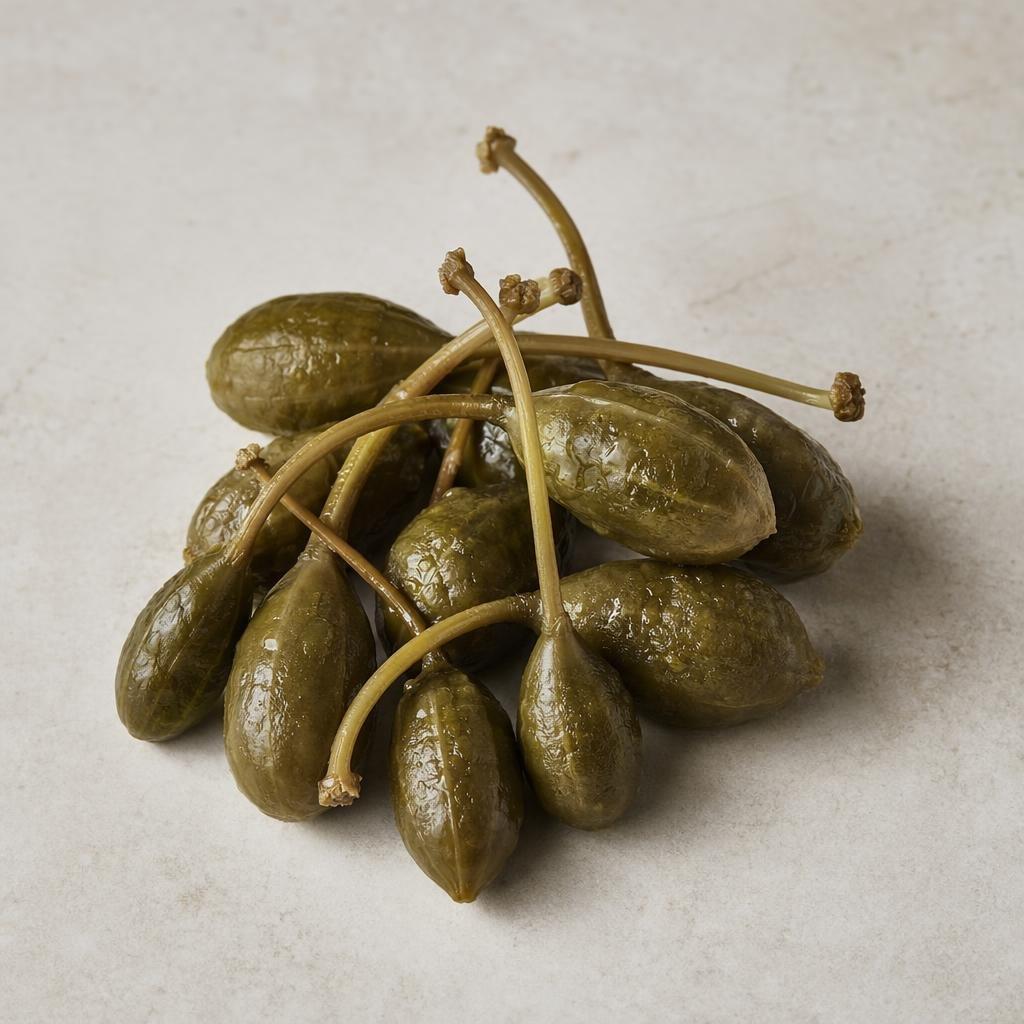
For the suitcase, choose the pantry, meaning caponata and sarde a beccafico in a jar, citrus marmalade from the Conca d'Oro and oil from the countryside around the city, and things made for use: the coppola cap and the woven coffa basket.
To eat in town
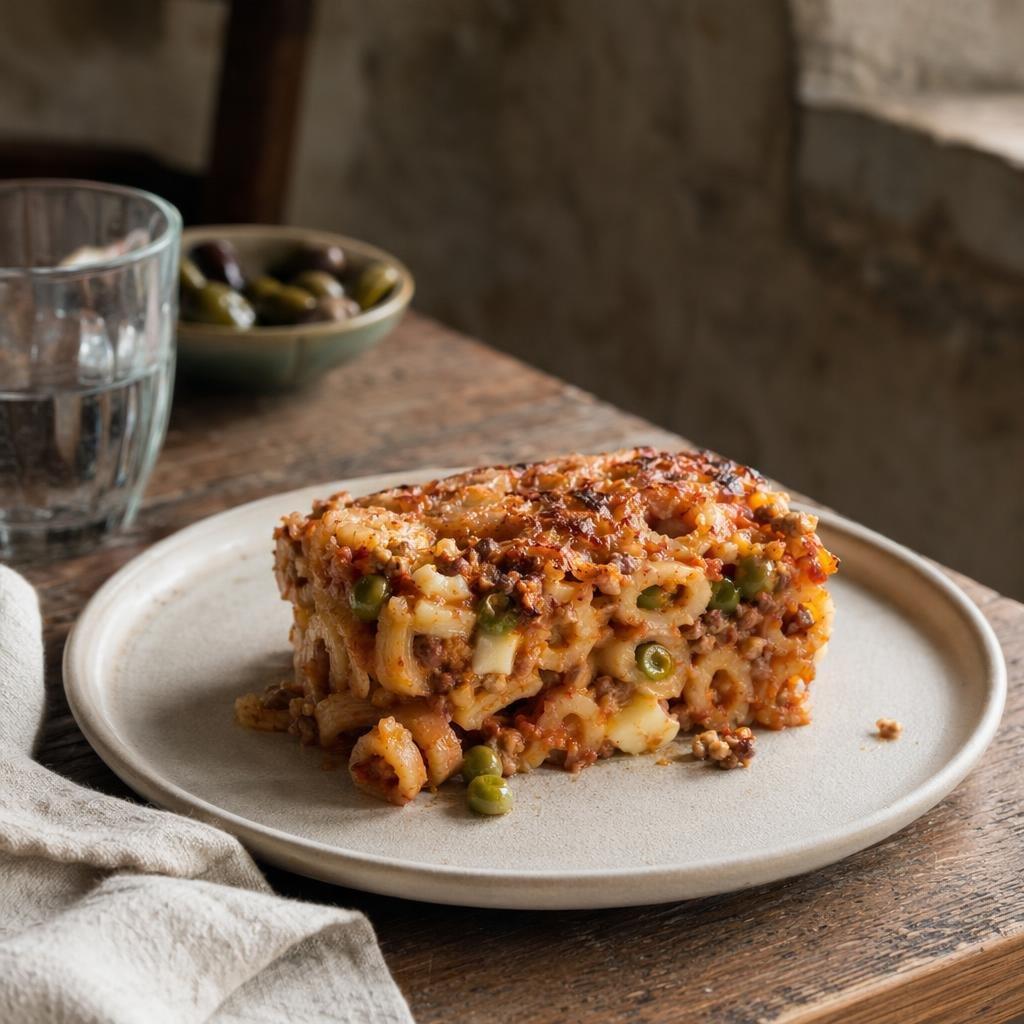
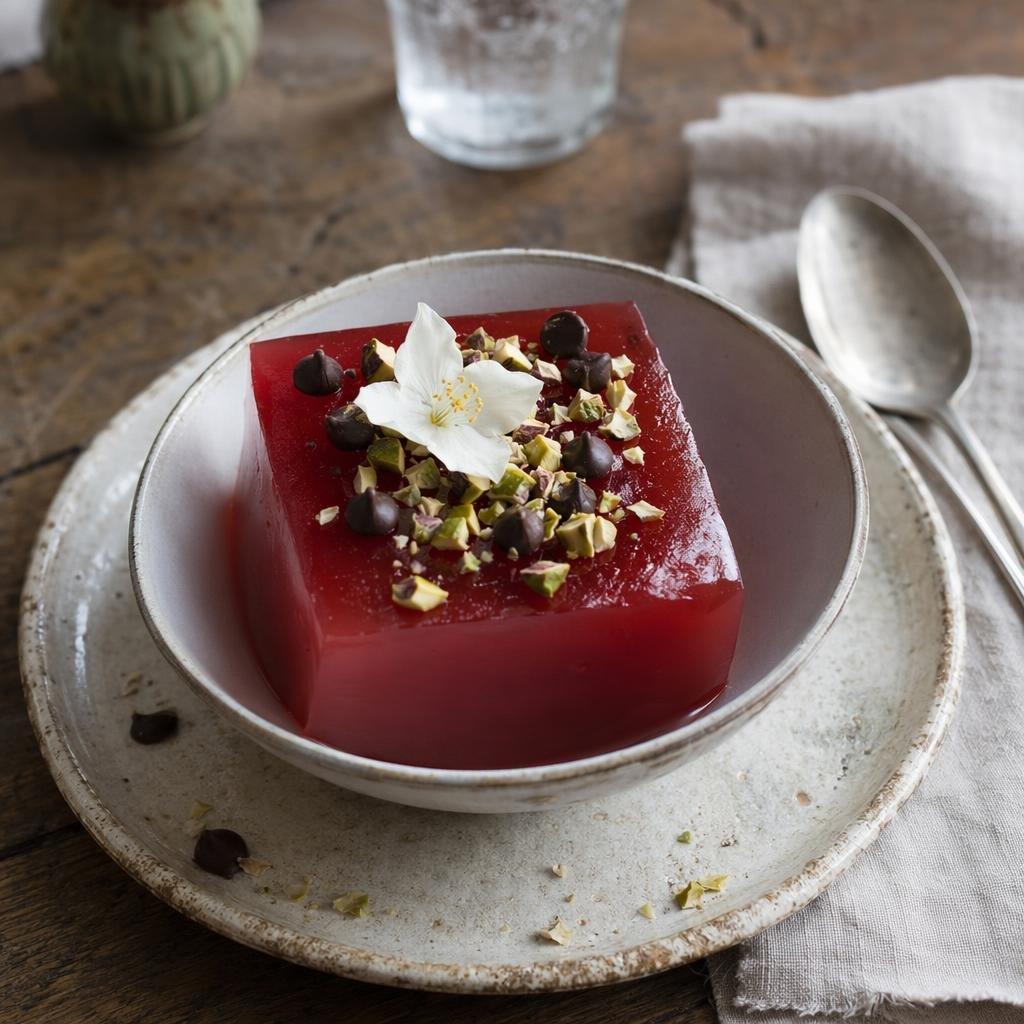
Arancina, panelle and crocchè, pani ca meusa and sfincione are counter food: hot, standing up, at the market. At the table, look for anelletti al forno, pasta con le sarde in spring and summer and, in summer, gelo di melone.
Sweets
The Sicilian cannolo and the Sicilian cassata are for today; frutta martorana is for the suitcase.
Pantry
Sarde a beccafico and caponata in a jar, Conca d'Oro citrus marmalade, oil from the Palermo countryside, sfincione mix.
Things to take home
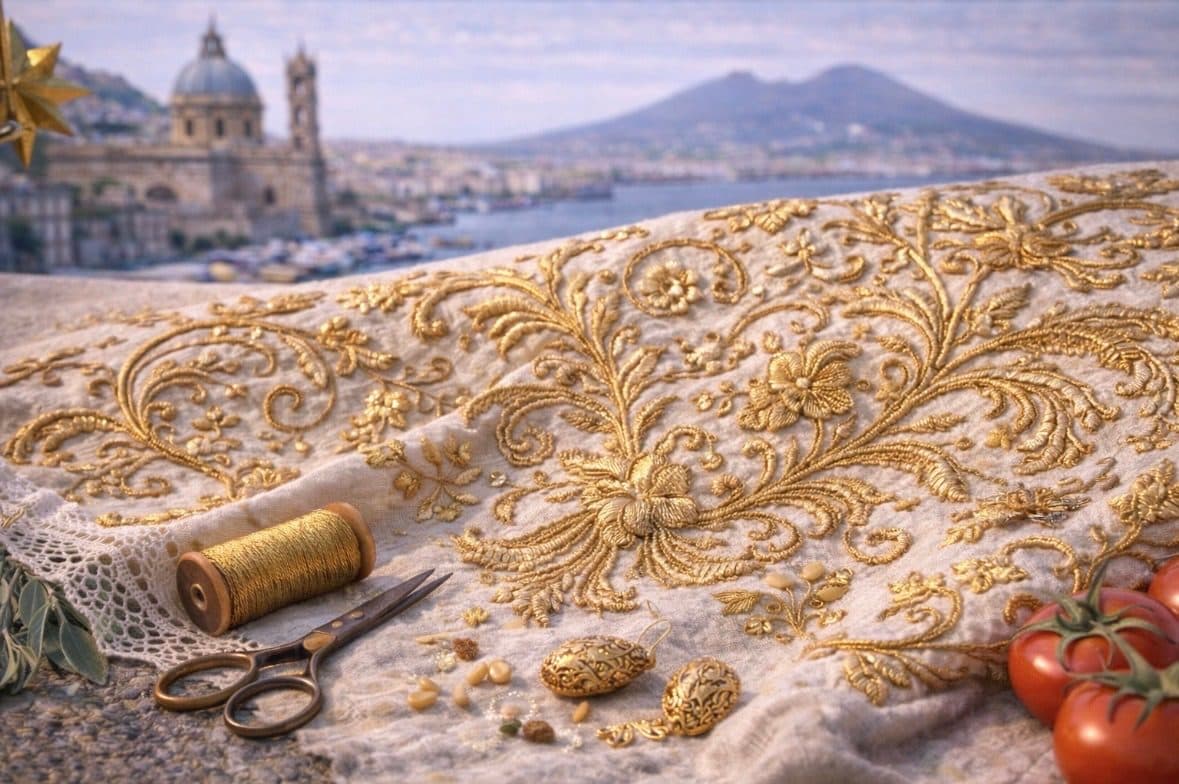
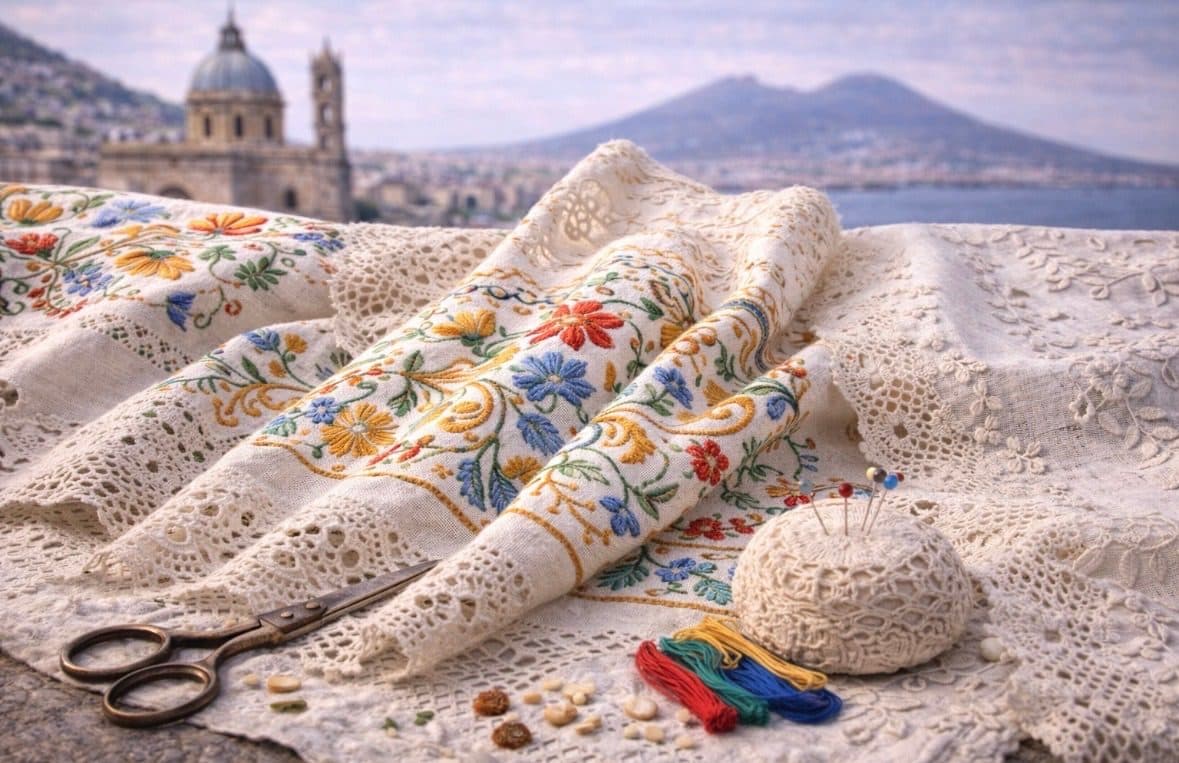
The pupo, the cart or its painted miniature, the Testa di Moro, gold-thread embroidery, the coppola and the woven coffa.
Pupi, carts and martorana: where they come from in Palermo
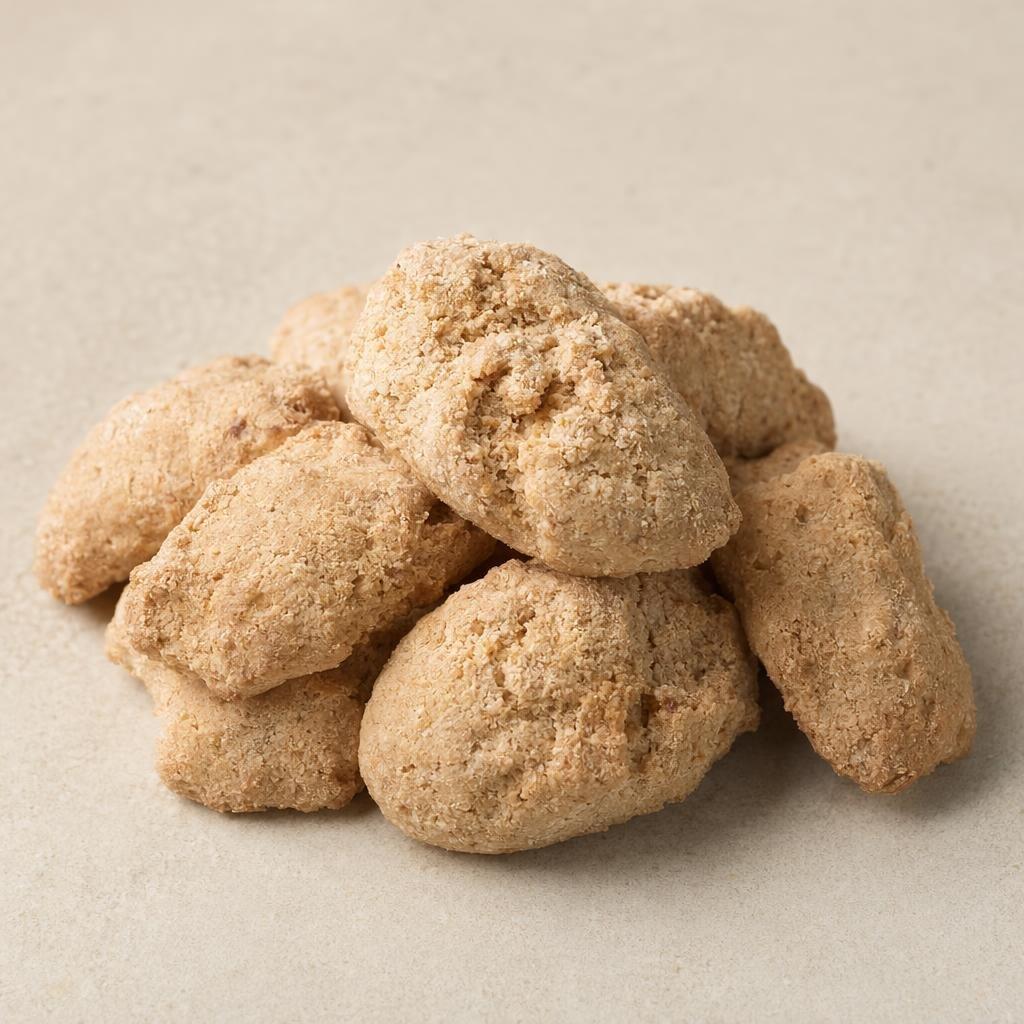
The Opera dei Pupi was born in the nineteenth century as popular theatre: the puppeteers stage Orlando, Rinaldo and the other paladins of Charlemagne, and in 2001 UNESCO recognised it as intangible heritage. The same paladins are painted on the sides of the cart, which in the nineteenth and early twentieth centuries carried goods and people. Frutta martorana takes its name from the Martorana convent, next to the church of Santa Maria dell'Ammiraglio, where the nuns shaped almond paste into fruit.
How to choose a pupo or a Testa di Moro in Palermo
A workshop pupo has a wooden head and body, armour in beaten metal and jointed knees: pick it up and move the legs. It usually costs between €80 and €300. For a Testa di Moro, ask which town it was fired in, often Caltagirone or Santo Stefano di Camastra, and look for brushstrokes made by hand.
Where to look in Palermo, between the markets and the old town
For eating and for the pantry, go to the historic markets: Ballarò in the Albergheria, the Capo and the Vucciria. At Ballarò and the Capo you also find coppole, citrus marmalades and sfincione mixes. To see real pupi before you buy one, stop at the Museo internazionale delle marionette Antonio Pasqualino. Martorana and cassata are in the pastry shops of the centre; the Martorana church is in Piazza Bellini.
Before you leave Palermo: what survives the suitcase
Eat your cannolo there, filled to order: it costs between €2 and €5. Martorana travels well, and you find it everywhere around 2 November, for the Festa dei Morti. Put caponata, marmalade and oil in the hold: liquid rules apply in hand luggage. On 13 December, Santa Lucia, many people in Palermo give up bread and pasta and eat arancine: if you are in town, it is the right day.