What to bring home from Messina
4 min read
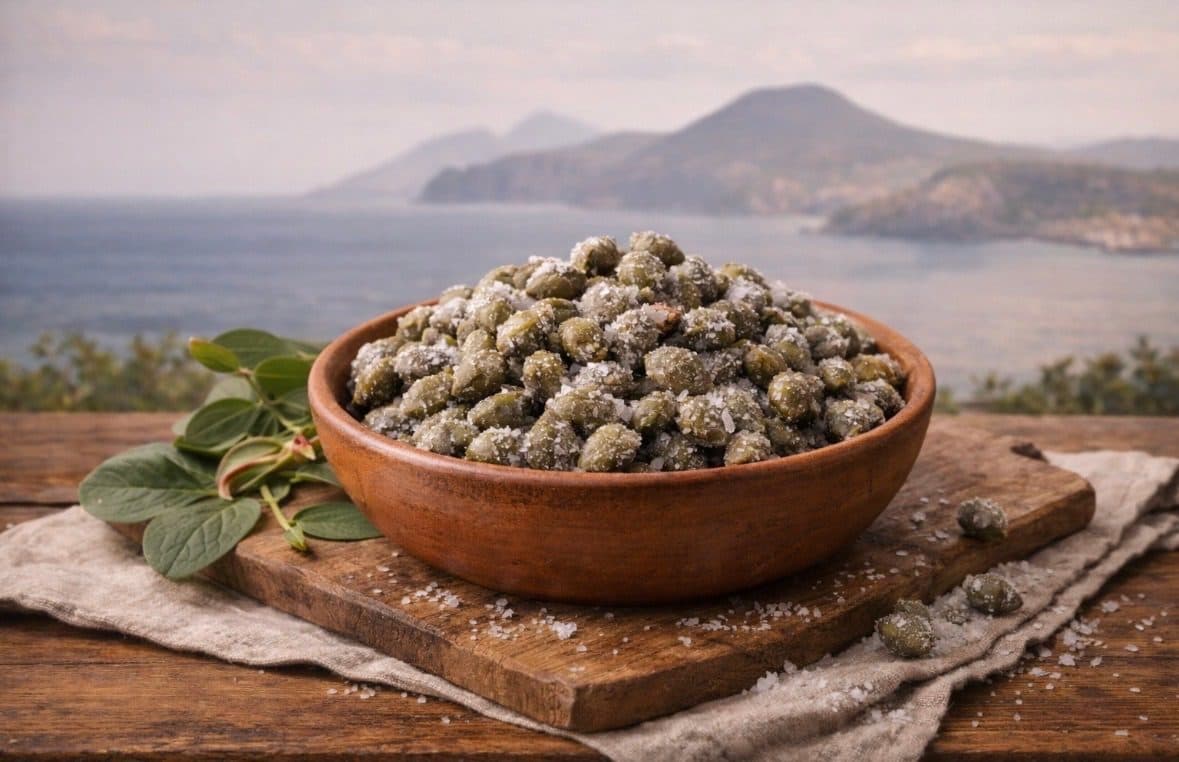
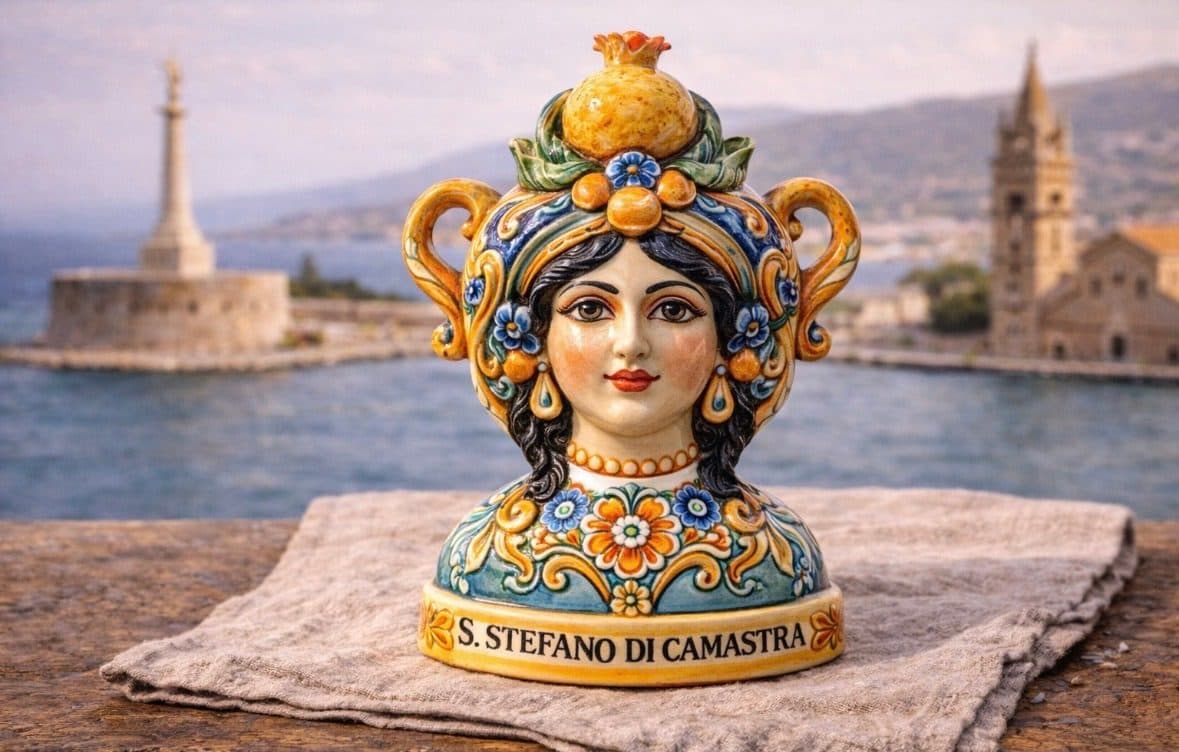
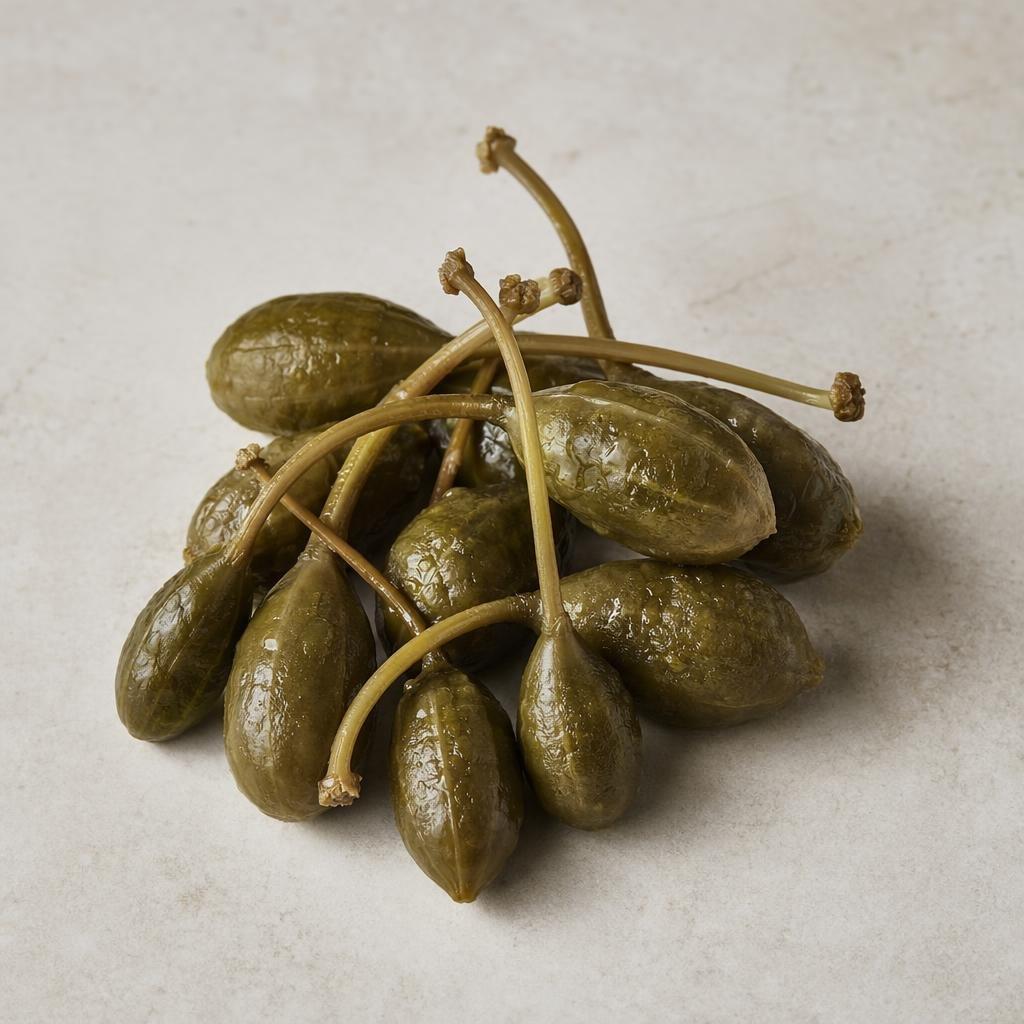
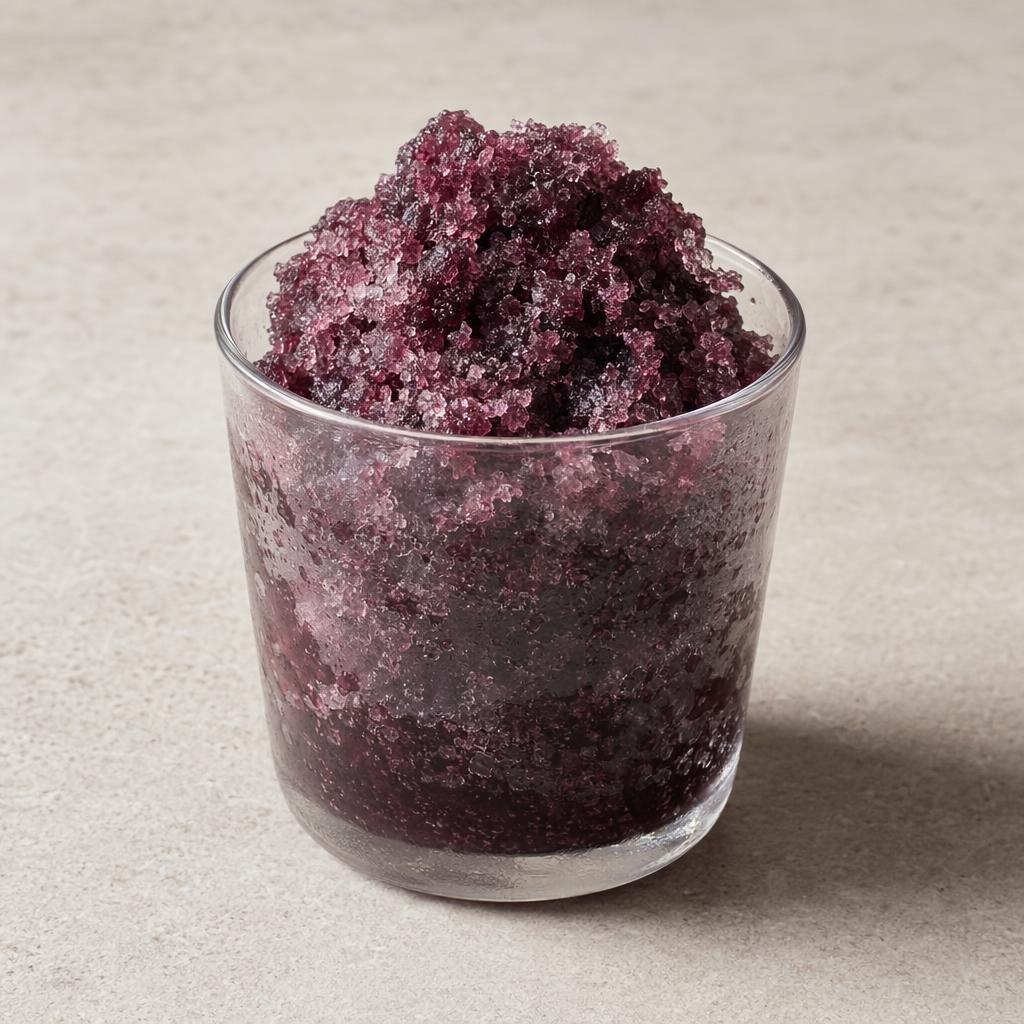
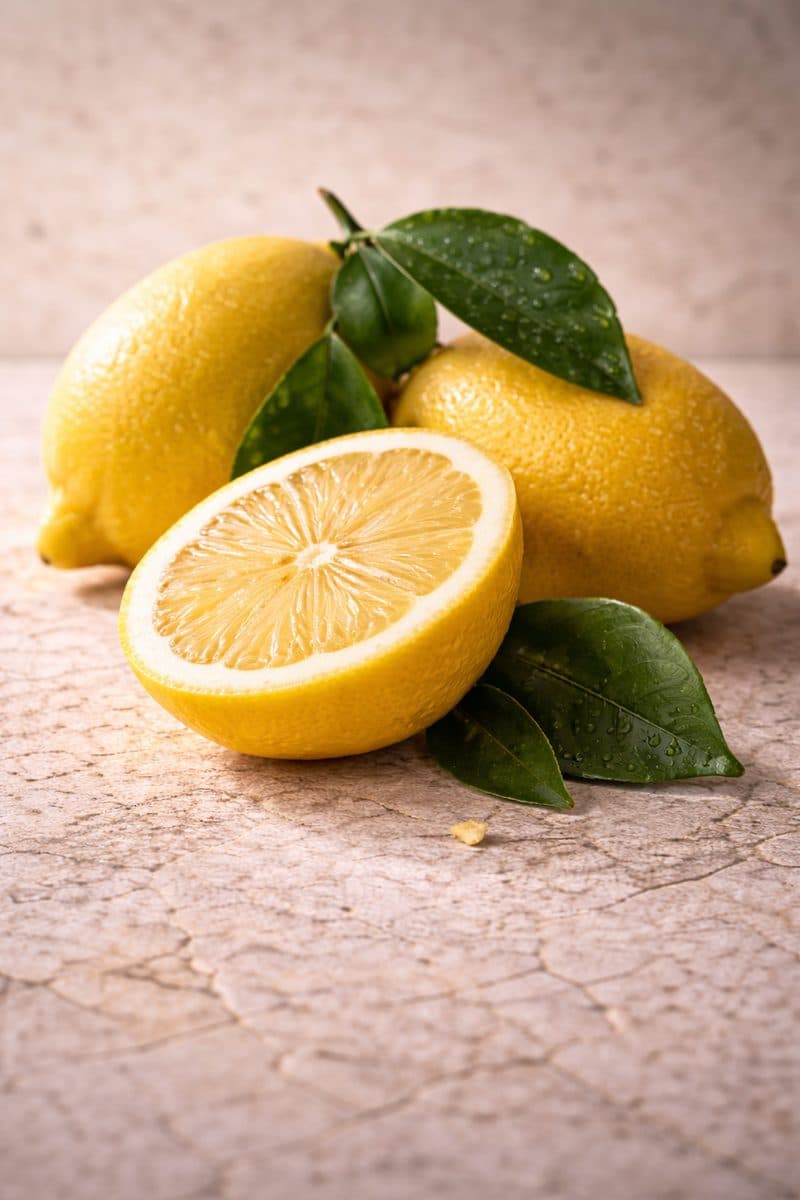
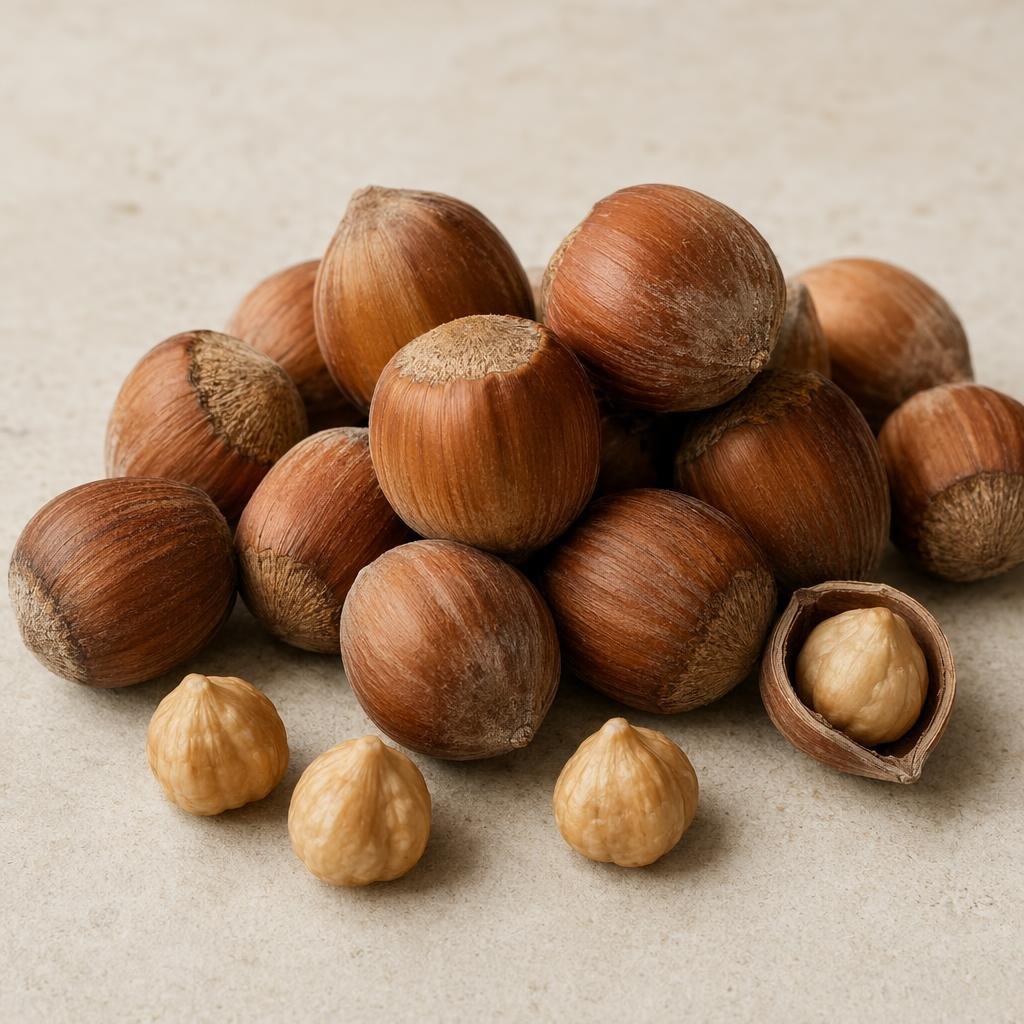
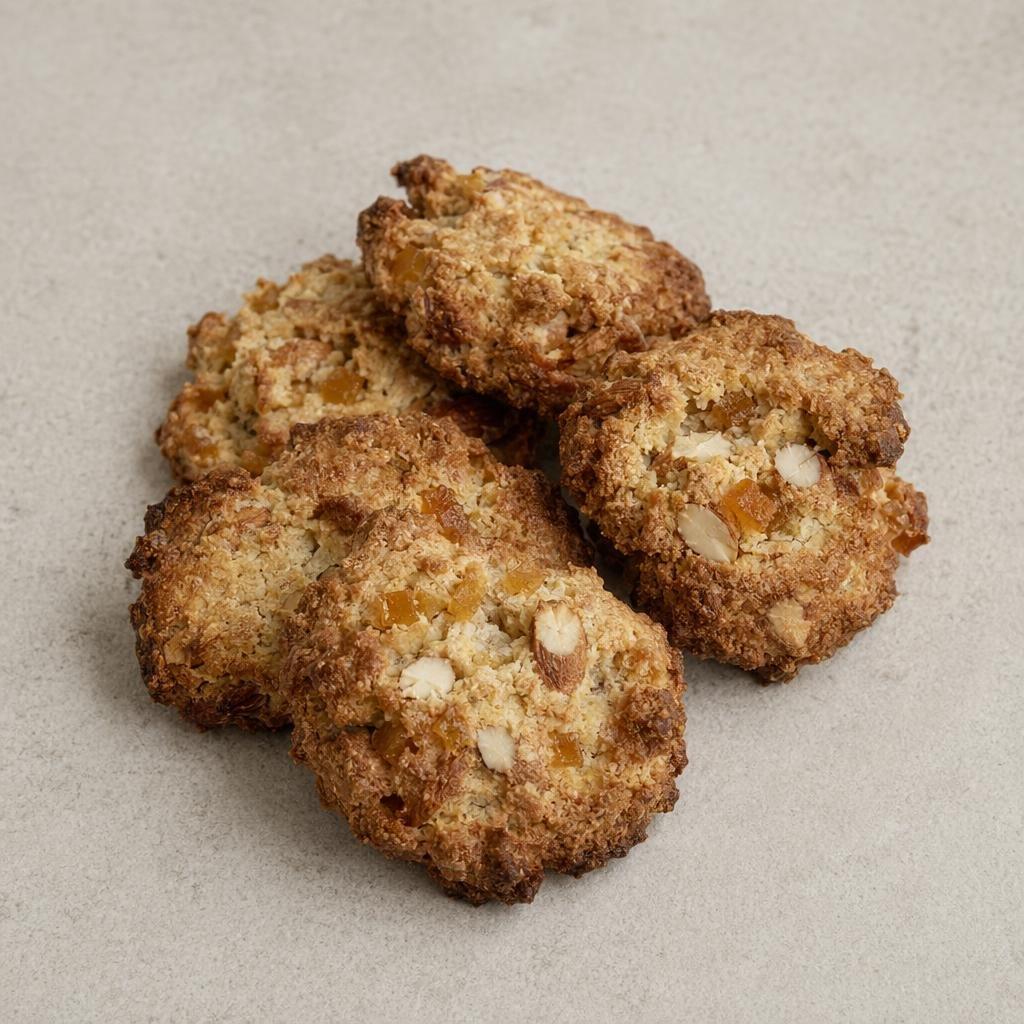
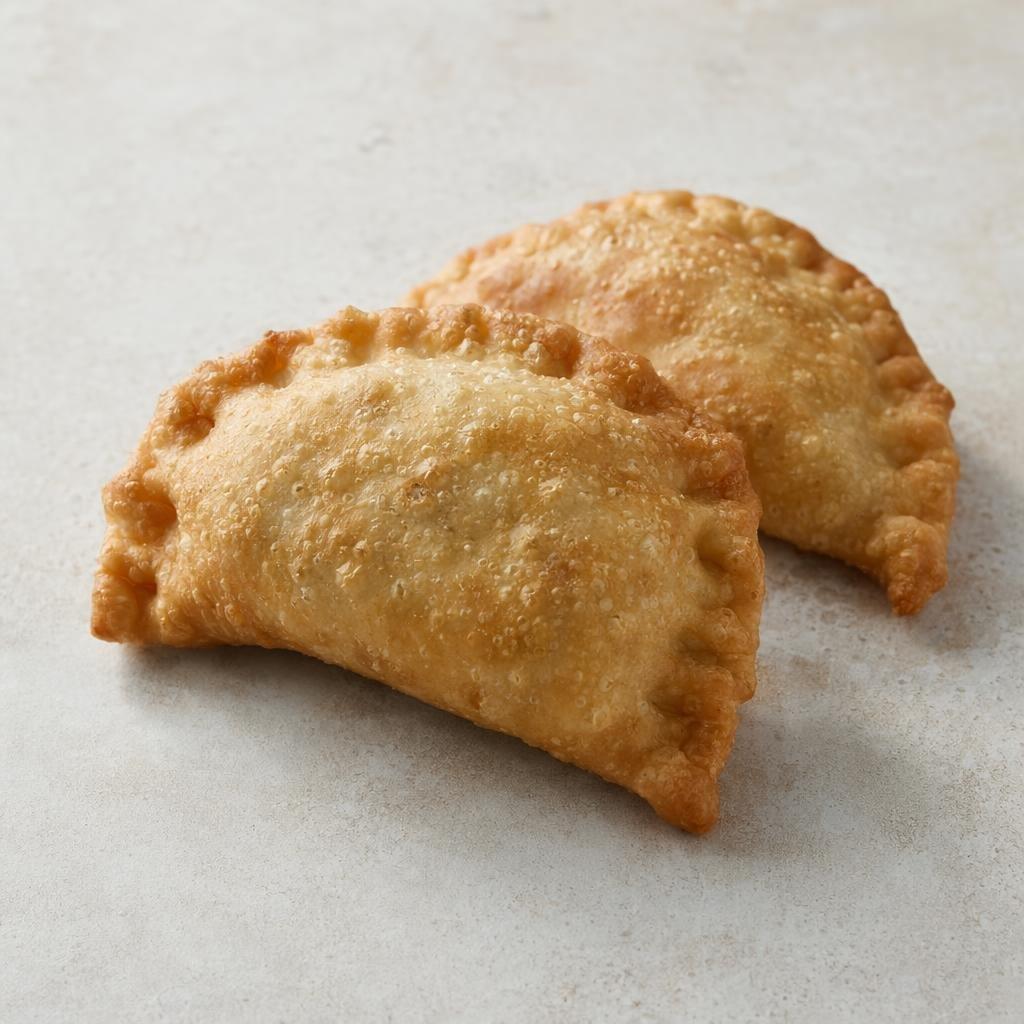
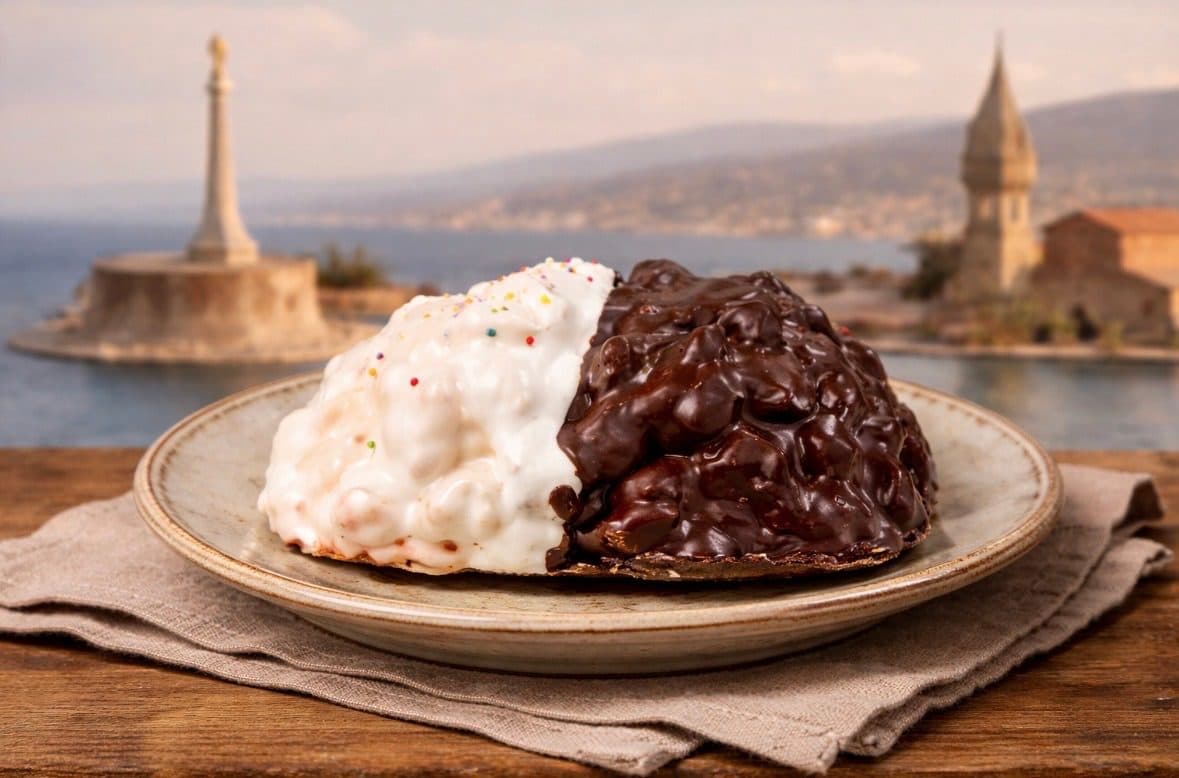
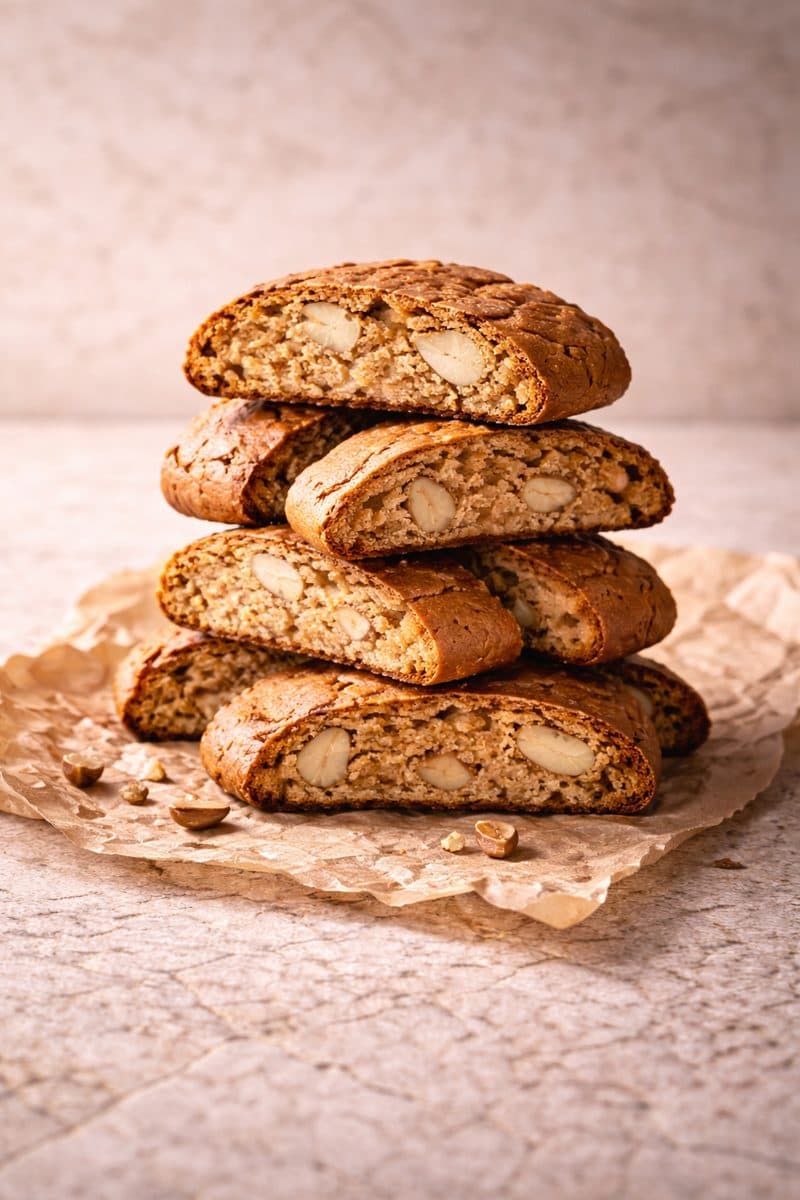
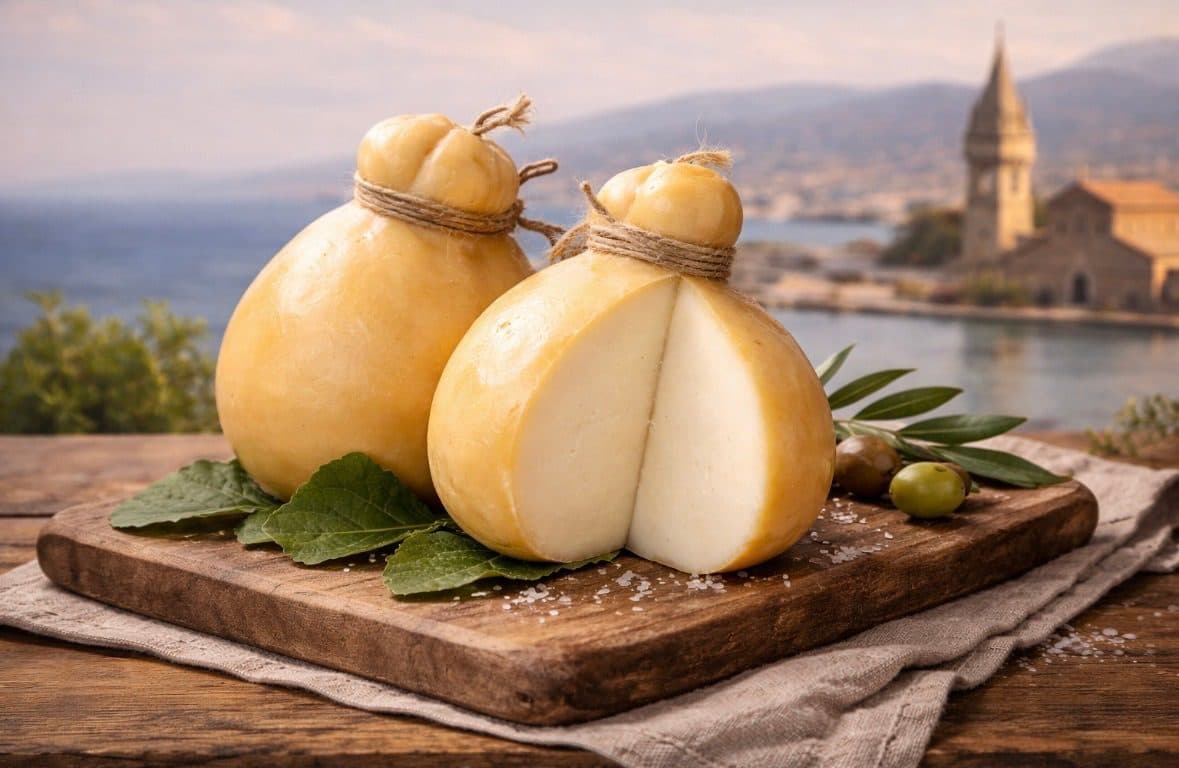
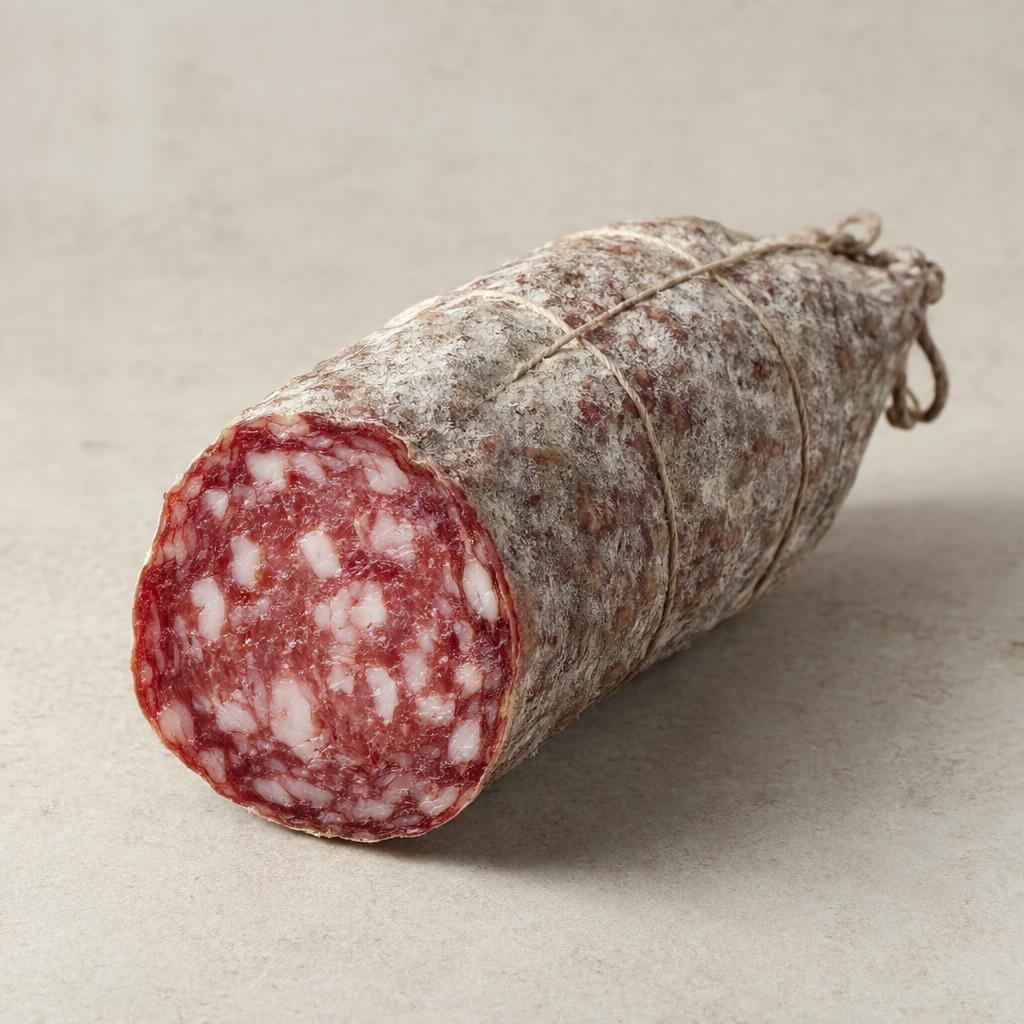
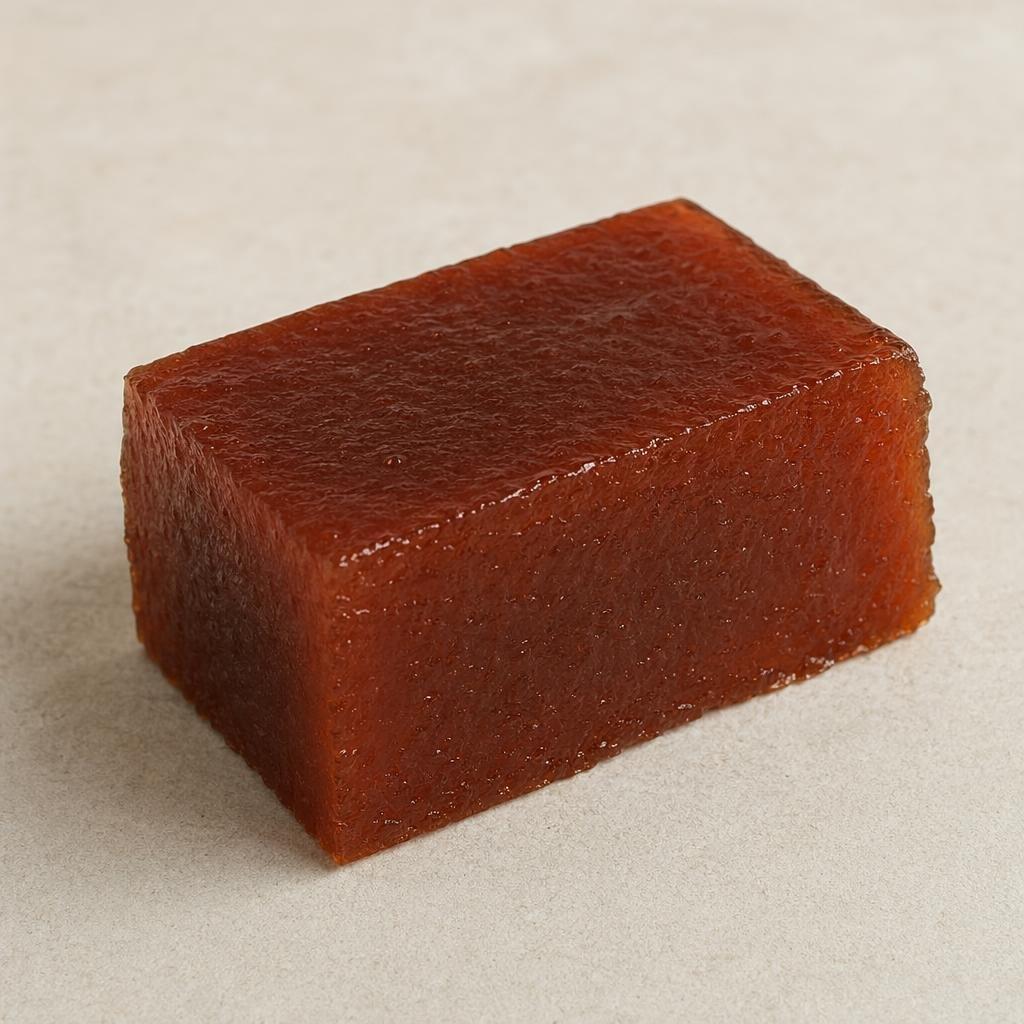
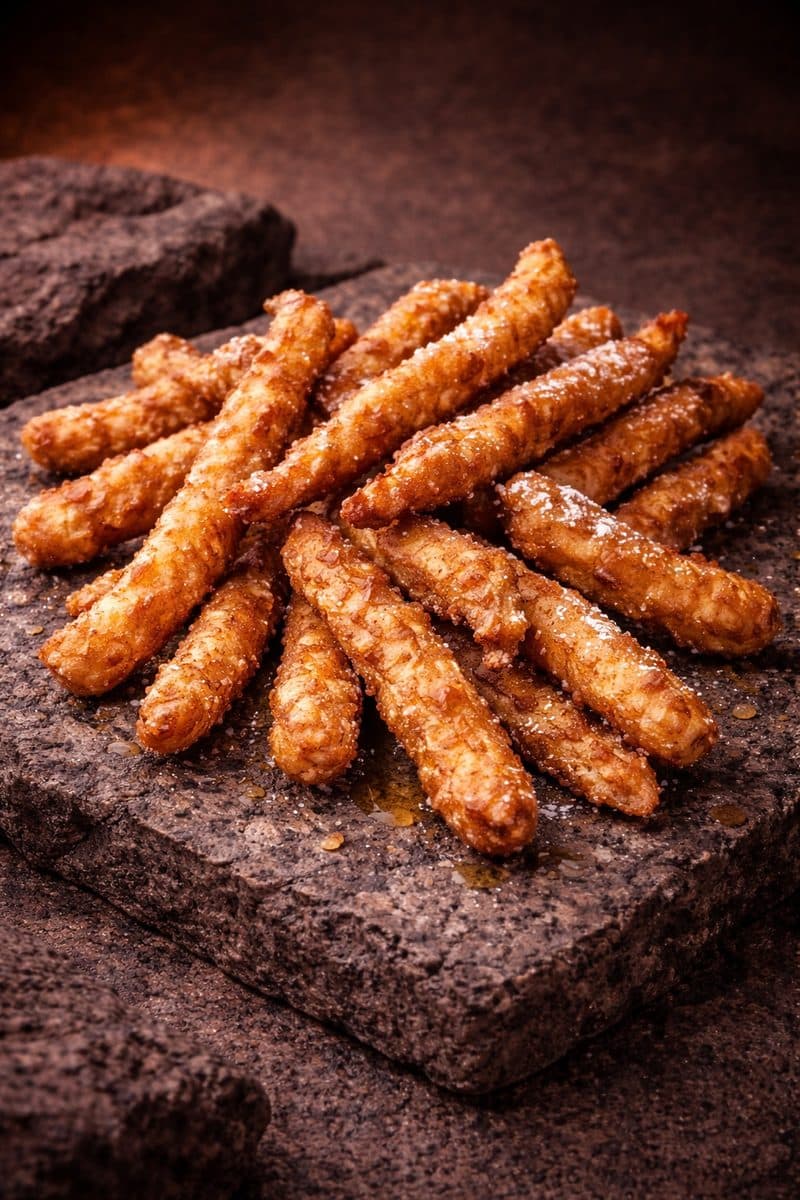
In Messina the food souvenir easiest to name is also the hardest to read on a label. In this guide you will find twelve souvenirs. Five belong to the city's counters and bakeries: pidoni, glazed pignolata, piparelli, nzuddi and black-mulberry granita, which is seasonal and eaten on the spot. Five carry a name registered in Europe: Limone Interdonato Messina IGP, Salame S. Angelo IGP, Provola dei Nebrodi DOP and Cappero delle Isole Eolie DOP with its cucunci (DOP and IGP are the EU marks of protected origin). Two come from the hinterland and have no EU name: the Nebrodi hazelnuts, a Sicilian speciality, and the ceramics of Santo Stefano di Camastra.
The province of Messina is far bigger than the city: the Aeolian Islands, the Nebrodi mountains and the Tyrrhenian coast are hours away from the Strait by road or by sea. Here they appear with their area written next to the name. Not in this guide: generic objects «dedicated to» a symbol with no precise product behind them, fish preserves with no named producer, miniature monuments and procession figures with no named workshop, and alcohol, even when it carries the city's name.
In this guide
In Messina the food souvenir easiest to name is also the hardest to read on a label. In this guide you will find twelve souvenirs. Five belong to the city's counters and bakeries: pidoni, glazed pignolata, piparelli, nzuddi and black-mulberry granita, which is seasonal and eaten on the spot. Five carry a name registered in Europe: Limone Interdonato Messina IGP, Salame S. Angelo IGP, Provola dei Nebrodi DOP and Cappero delle Isole Eolie DOP with its cucunci (DOP and IGP are the EU marks of protected origin). Two come from the hinterland and have no EU name: the Nebrodi hazelnuts, a Sicilian speciality, and the ceramics of Santo Stefano di Camastra.
The province of Messina is far bigger than the city: the Aeolian Islands, the Nebrodi mountains and the Tyrrhenian coast are hours away from the Strait by road or by sea. Here they appear with their area written next to the name. Not in this guide: generic objects «dedicated to» a symbol with no precise product behind them, fish preserves with no named producer, miniature monuments and procession figures with no named workshop, and alcohol, even when it carries the city's name.
Convent sweets, street food and village ceramics
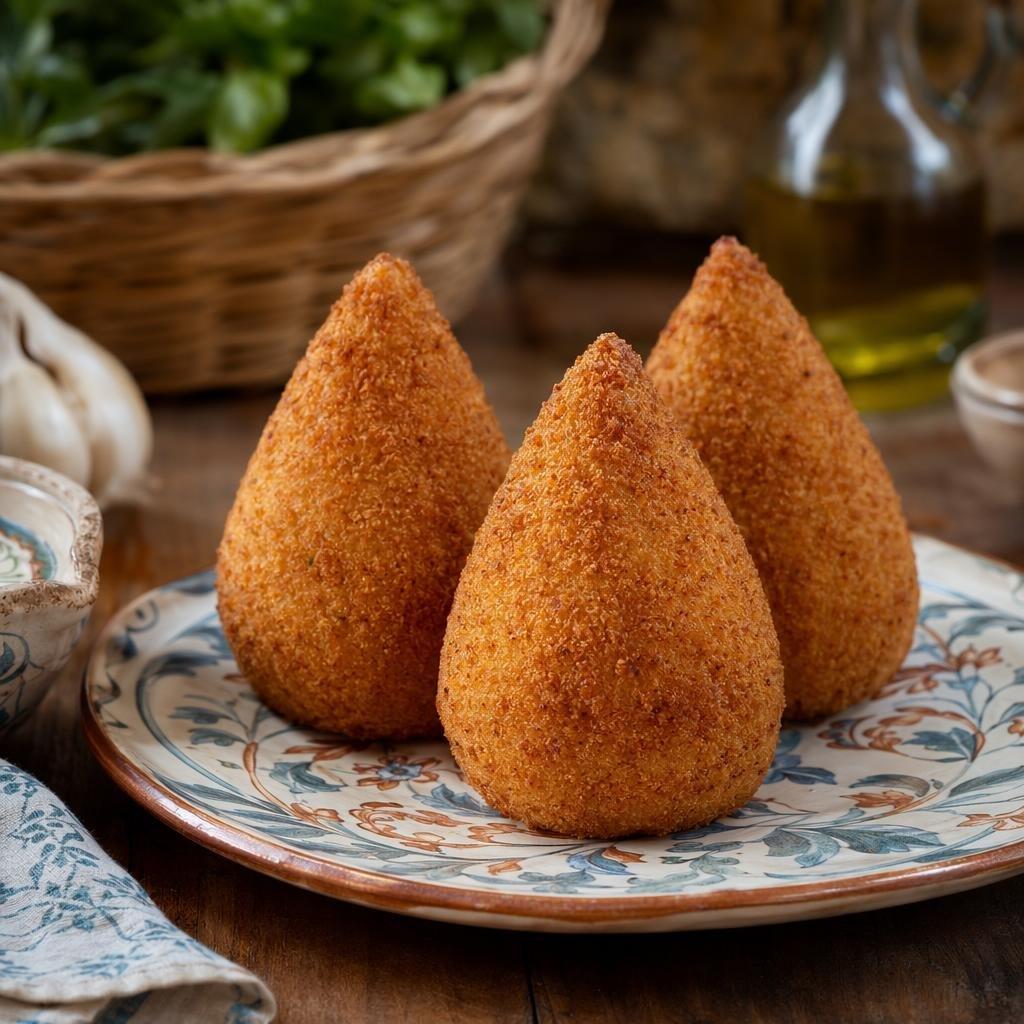
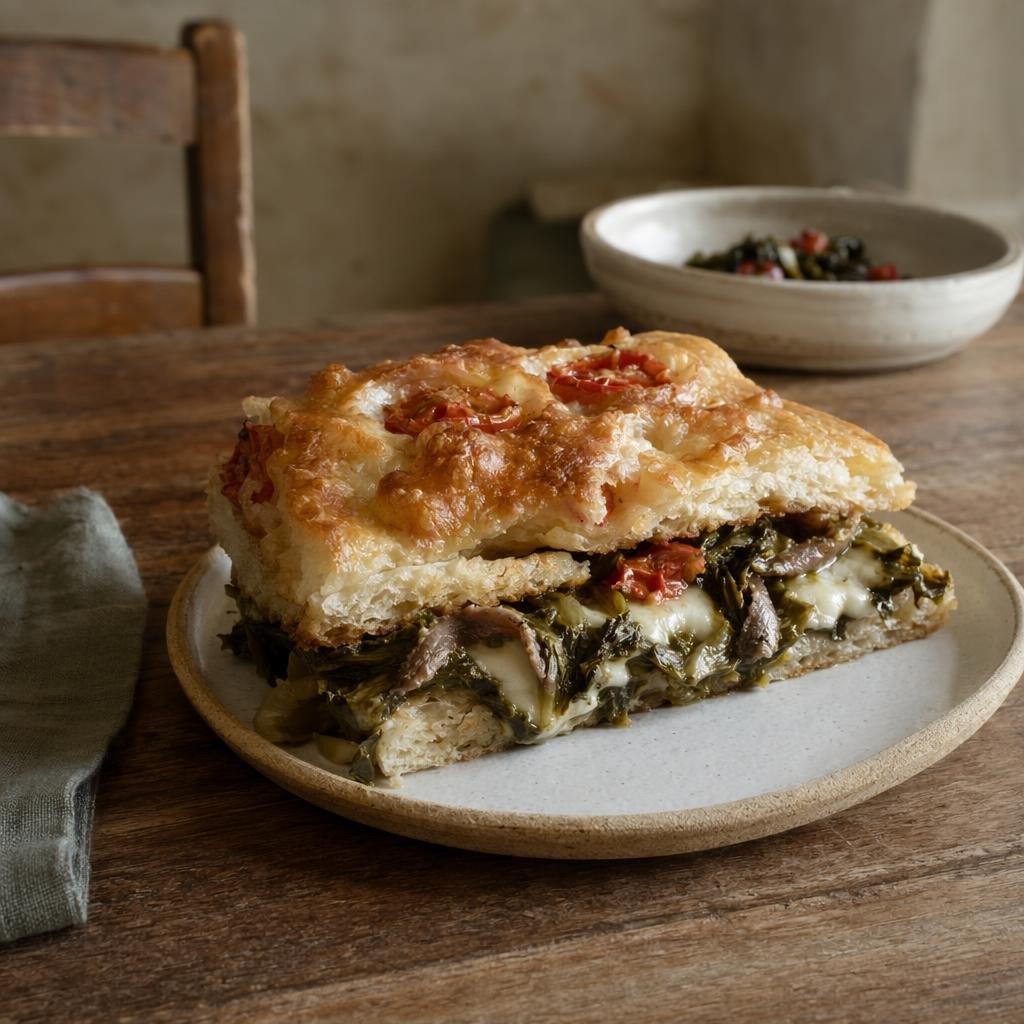
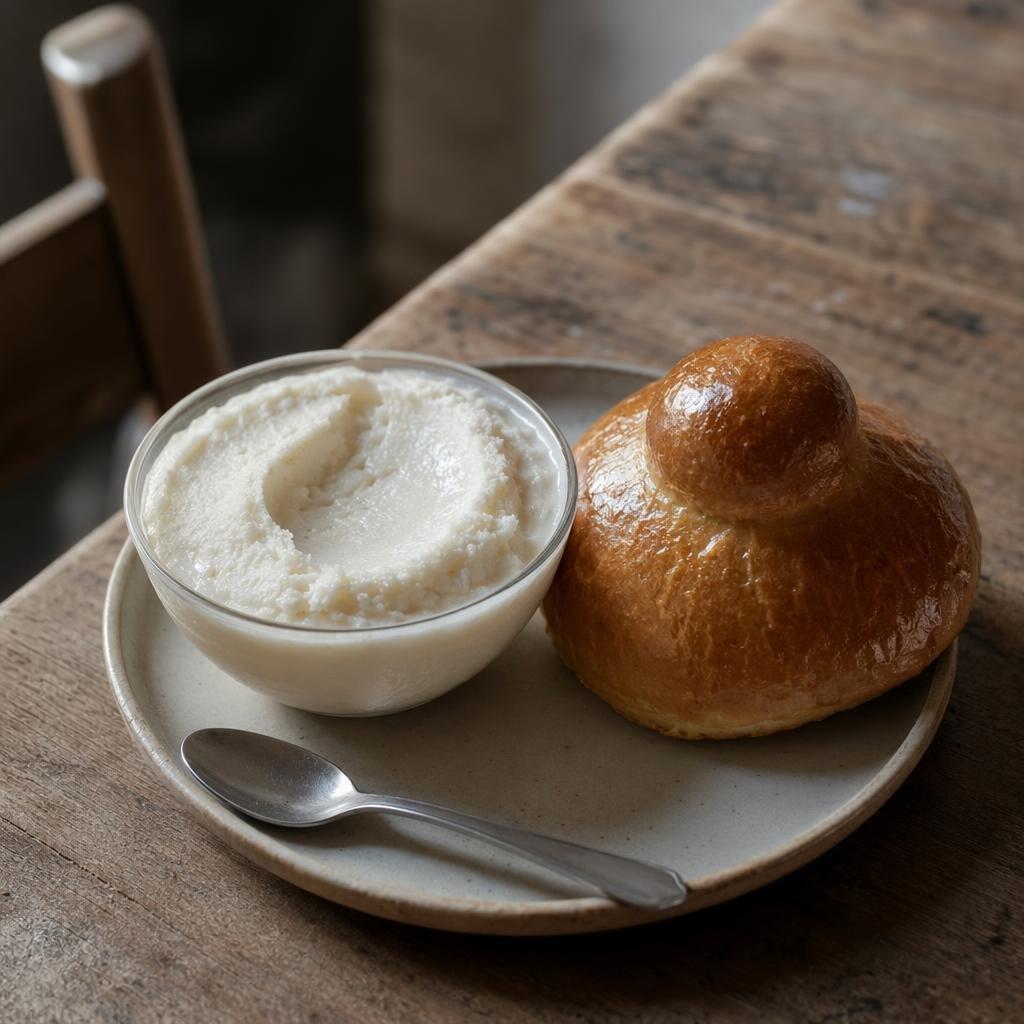
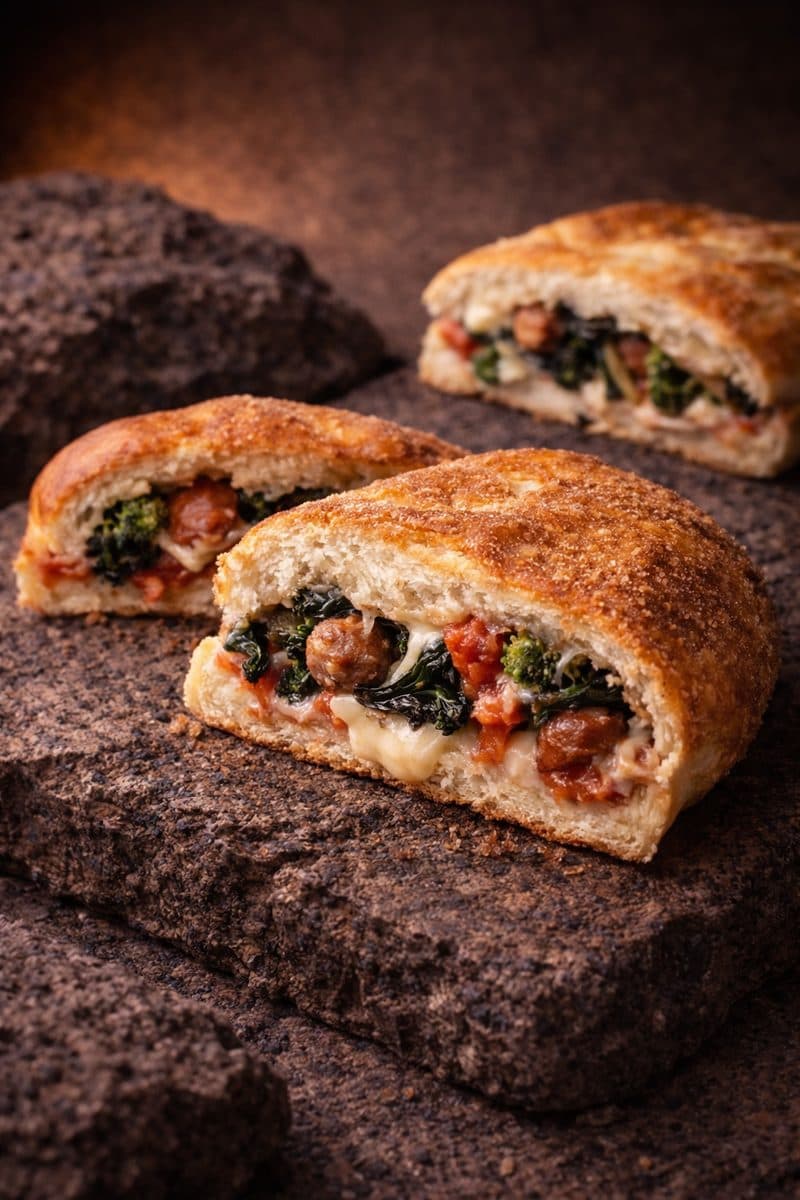
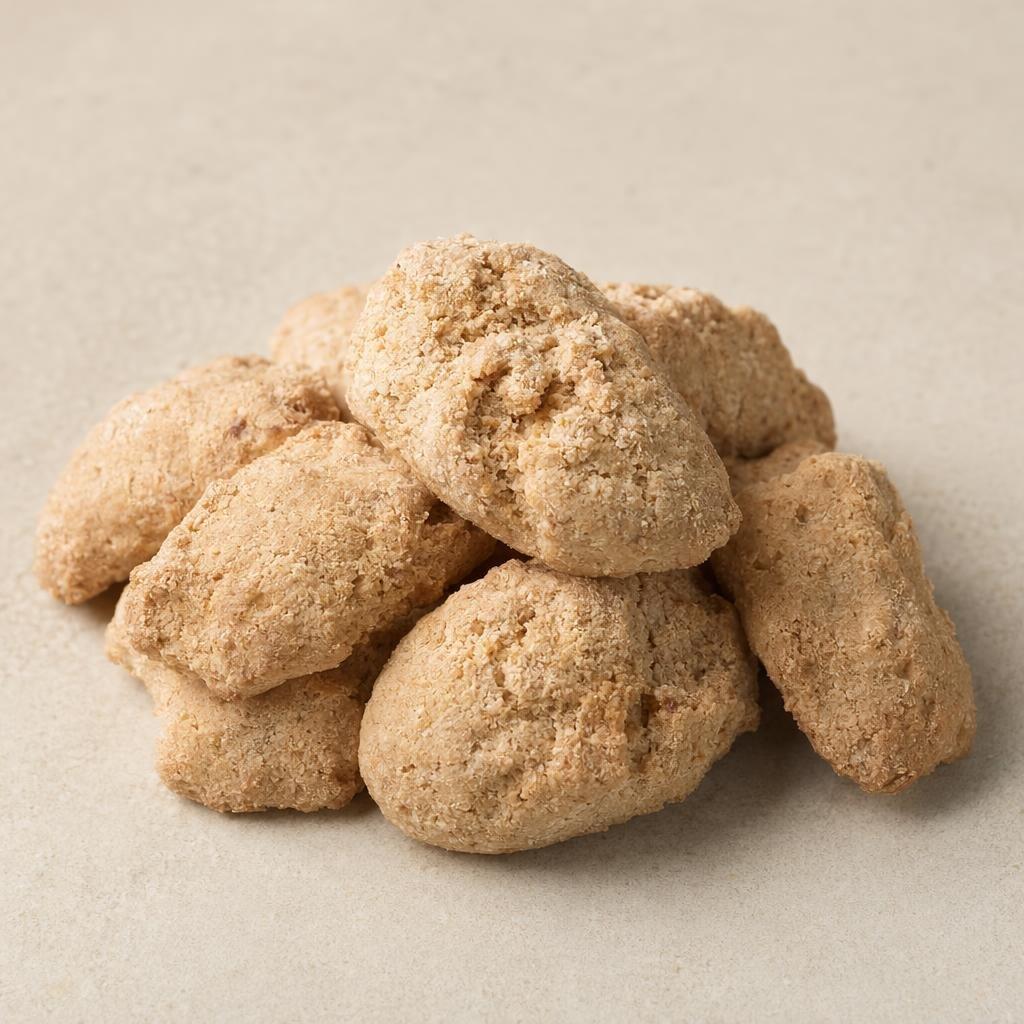
Pignolata di Messina, piparelle, the fried pitone or pidone messinese and black-mulberry granita are specialities typical of Sicily, without an EU protected name. Nzuddi have a disputed story: the monastery of San Vincenzo in Messina, which collapsed in 1908, according to one version; a Vincentian convent in Catania according to another.
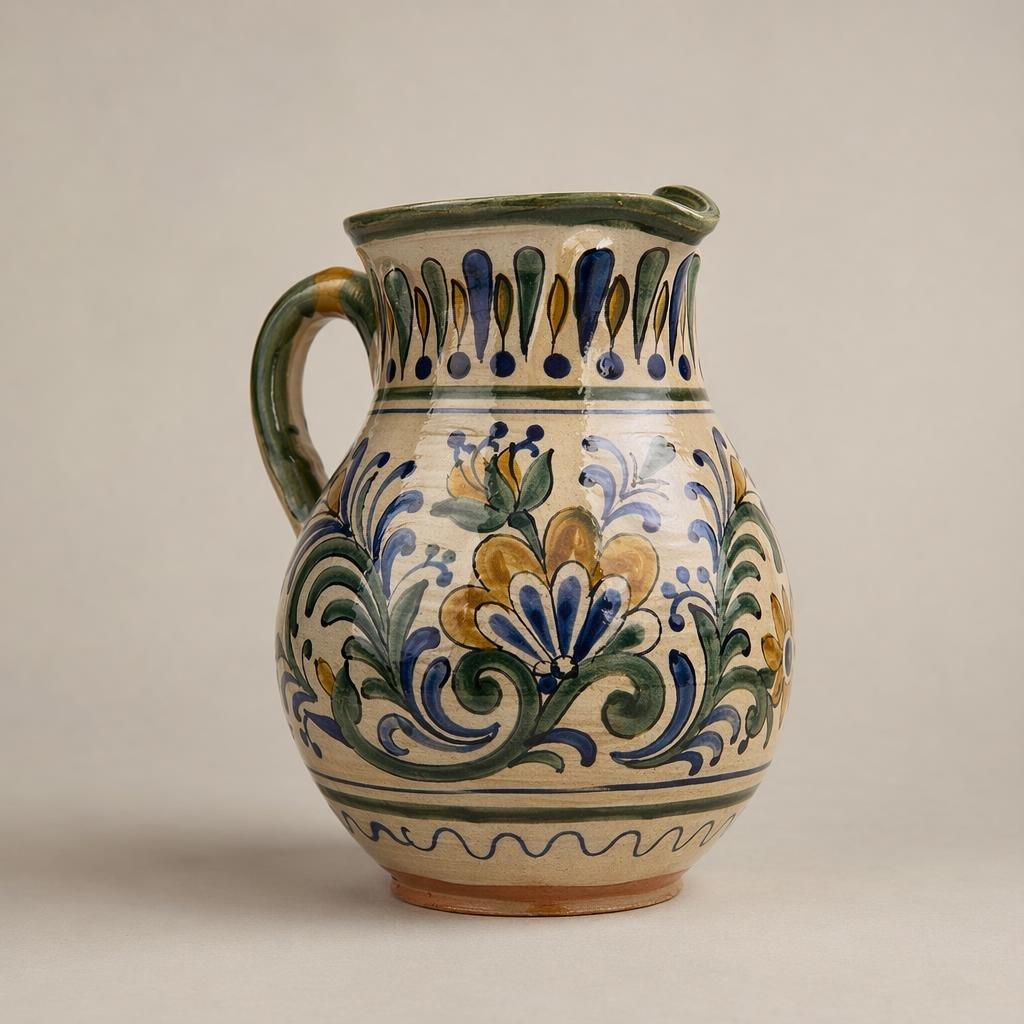
There are four EU protected names, and none of them comes from the city centre: Limone Interdonato Messina IGP, Salame S. Angelo IGP, Provola dei Nebrodi DOP and Cappero delle Isole Eolie DOP. Santo Stefano di Camastra, rebuilt in 1683 after the landslide of 1682, gives this guide its only craft: painted ceramics.
How to read the label
The registered name matters more than the look. It is written «Limone Interdonato Messina», not «Interdonato di Messina»; «Salame S. Angelo», even though the town is Sant'Angelo di Brolo; «Cappero delle Isole Eolie», in the singular. DOP and IGP count only with the words or the acronym and the EU symbol on the label. Nebrodi hazelnuts and nzuddi have no EU protected name, and a «Nocciola di Sicilia» IGP has been applied for but is not registered. Pidoni, pignolata and piparelle are regional specialities with no EU name. A ceramic piece «from Santo Stefano» is best judged in the workshop: ask whether it was painted by hand or mass-produced.
Where to look
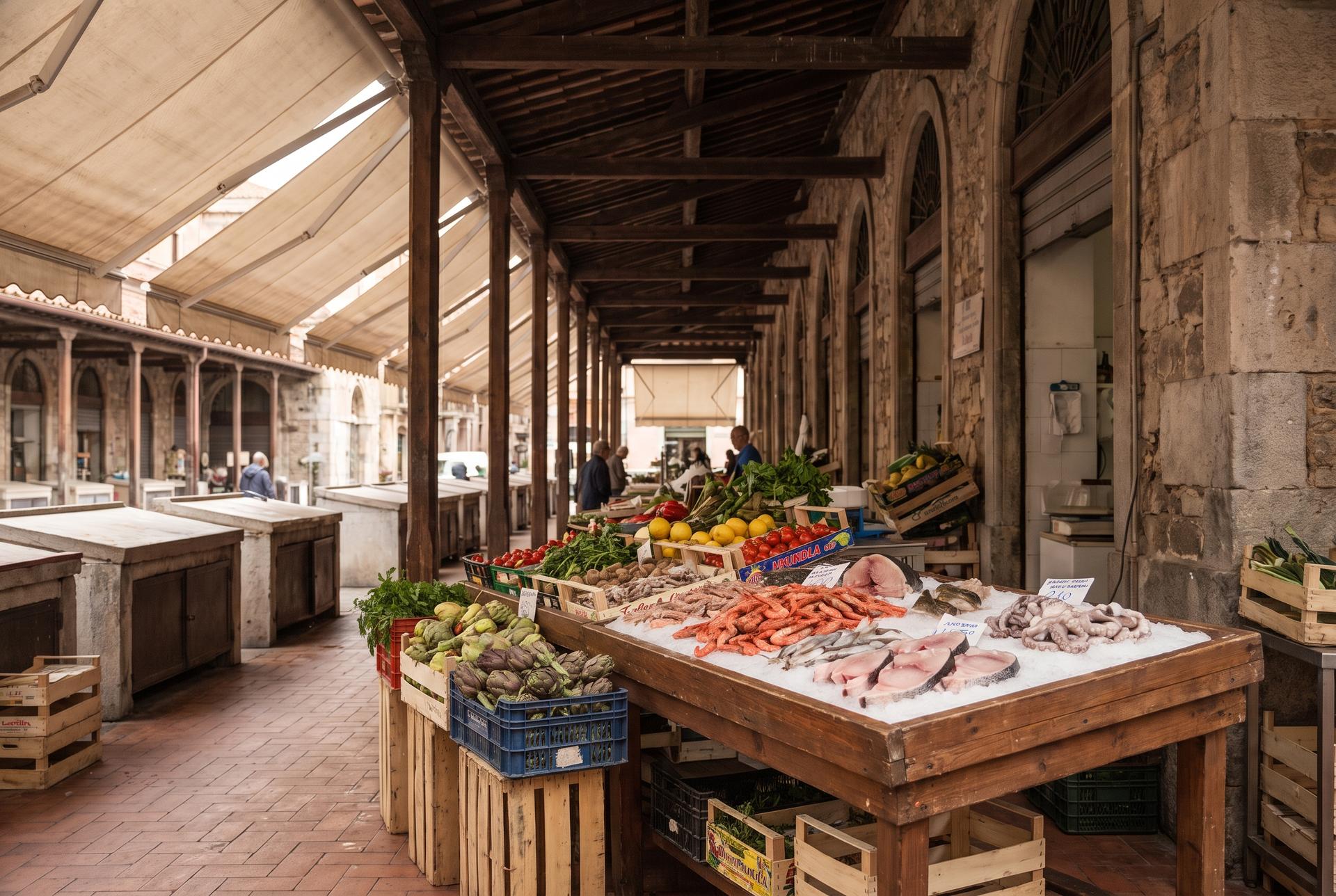
In town: pidoni in the friggitorie and rosticcerie, pignolata, piparelli and nzuddi in pastry shops and bakeries, black-mulberry granita in bars and gelaterie during the mulberry months (late May to July). On the Ionian coast, between Messina and Taormina: Interdonato lemons, from autumn to spring, at markets and from growers. For provola and hazelnuts: the villages of the Nebrodi. For salame: Sant'Angelo di Brolo, on the Tyrrhenian side. For capers and cucunci: the Aeolian Islands, or the shops in town that sell Aeolian produce. For ceramics: Santo Stefano di Camastra, with the Museo della Ceramica in Palazzo Trabia.
Before you pay
Pidoni and granita are eaten on the spot. Pignolata, piparelli and nzuddi travel in a pastry-shop box: ask what day they were made. On an Interdonato lemon, look for the full name and the IGP acronym, and remember it is harvested from 1 September to 15 April. On provola and salame, look for DOP or IGP on the label. For hazelnuts, look for the plain name: there is no IGP to look for yet. For ceramics, ask whether the piece was made in the workshop or mass-produced. If a shop offers you «objects of the Strait» without telling you what they are, ask to see the product and to know who makes it.