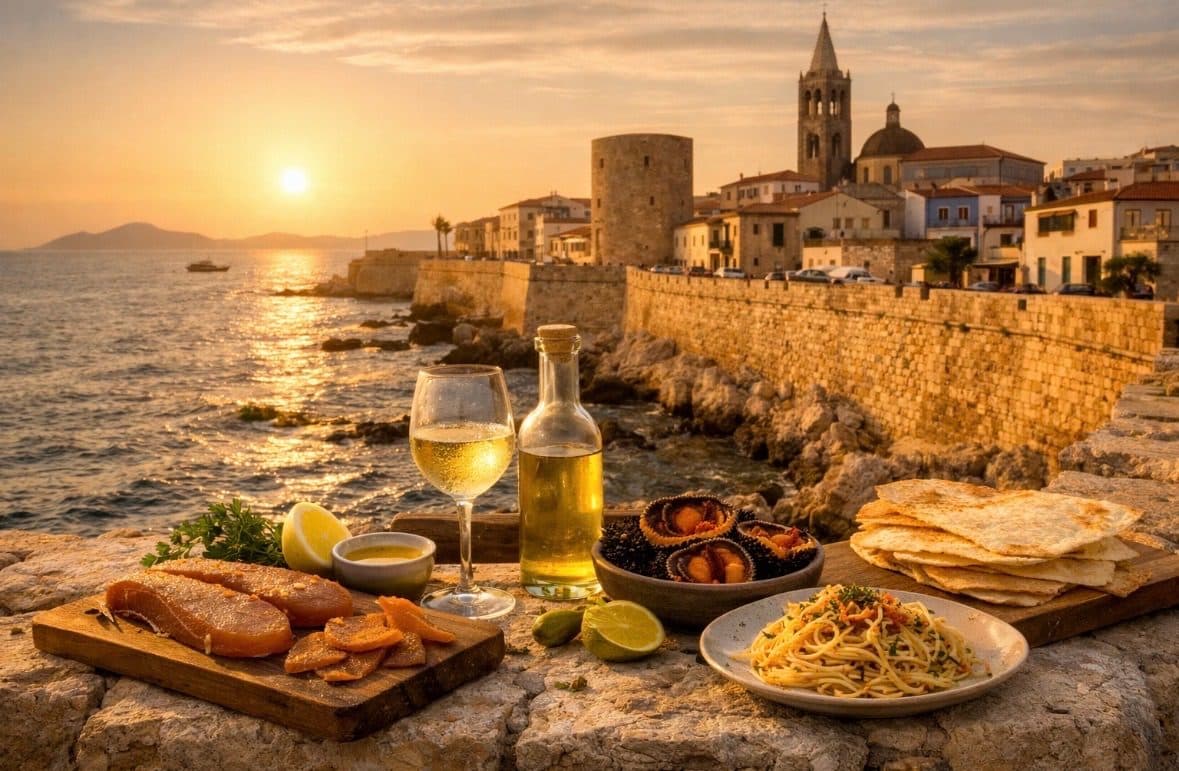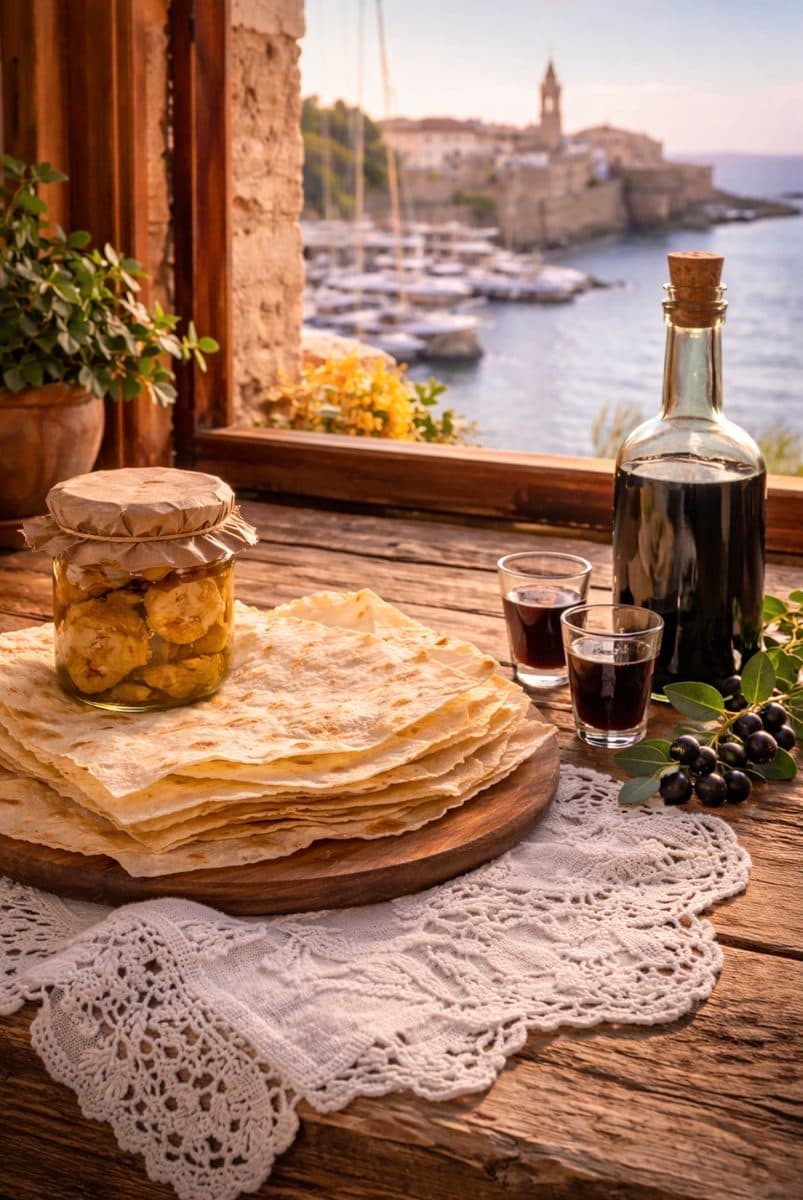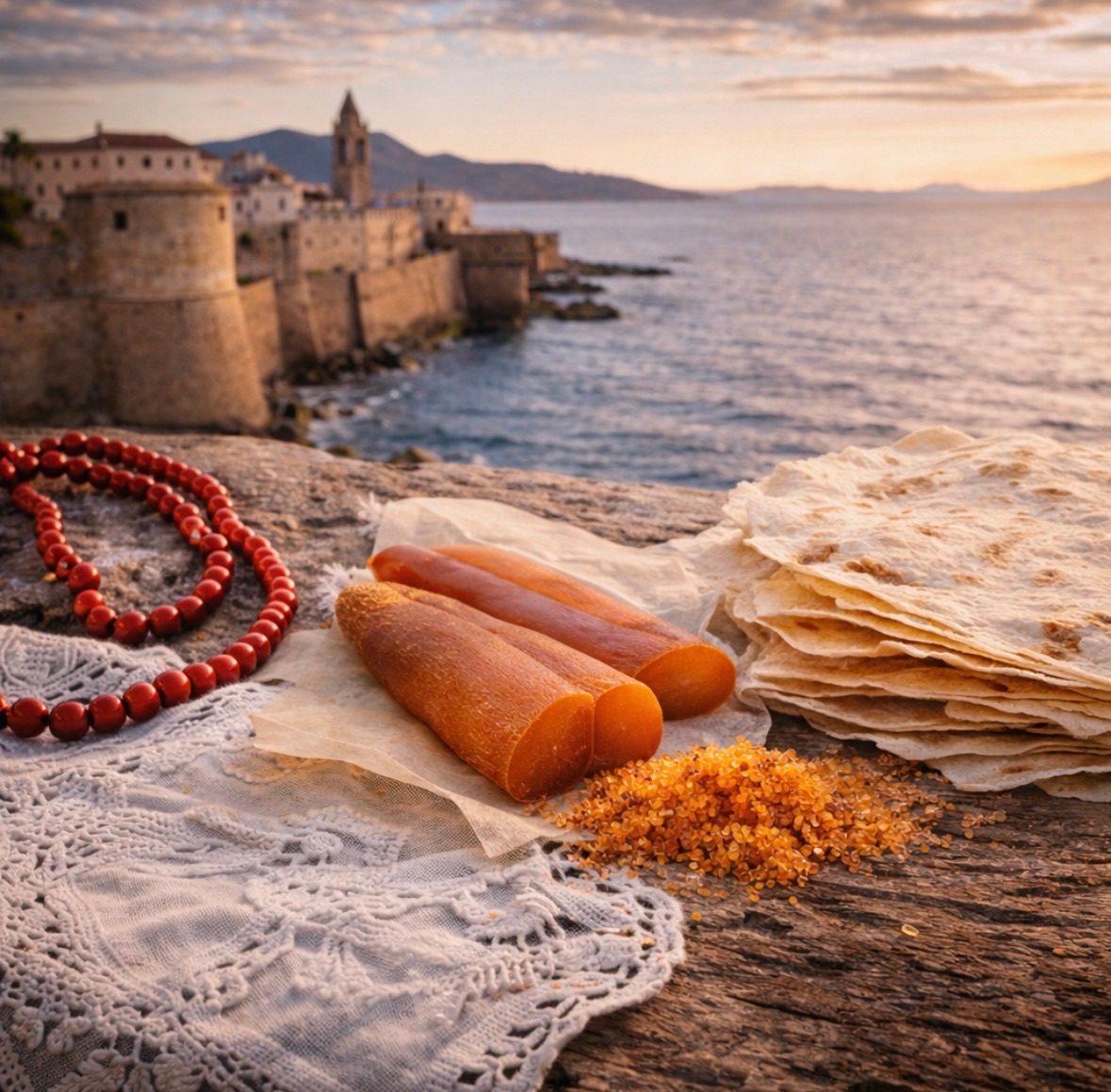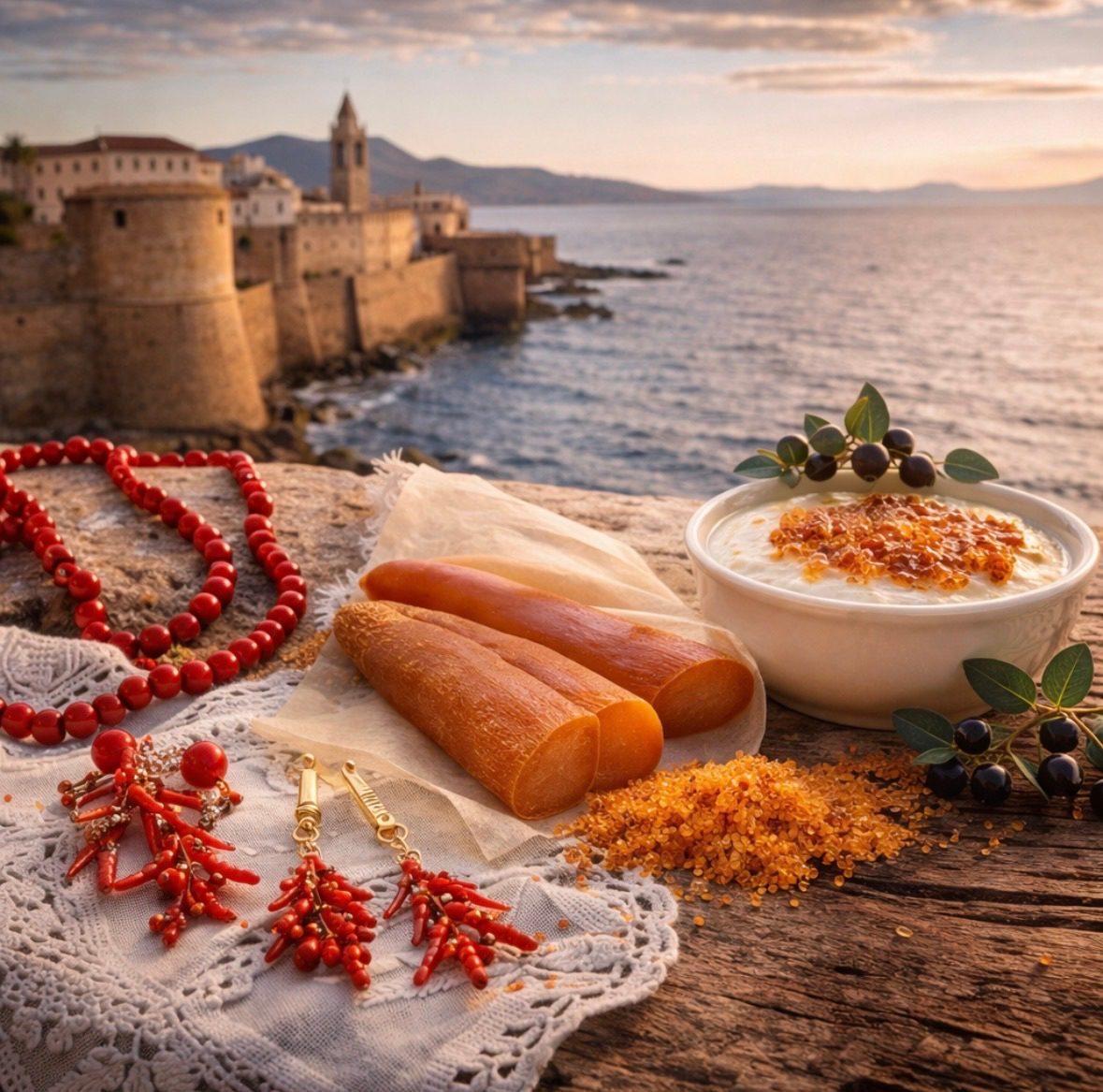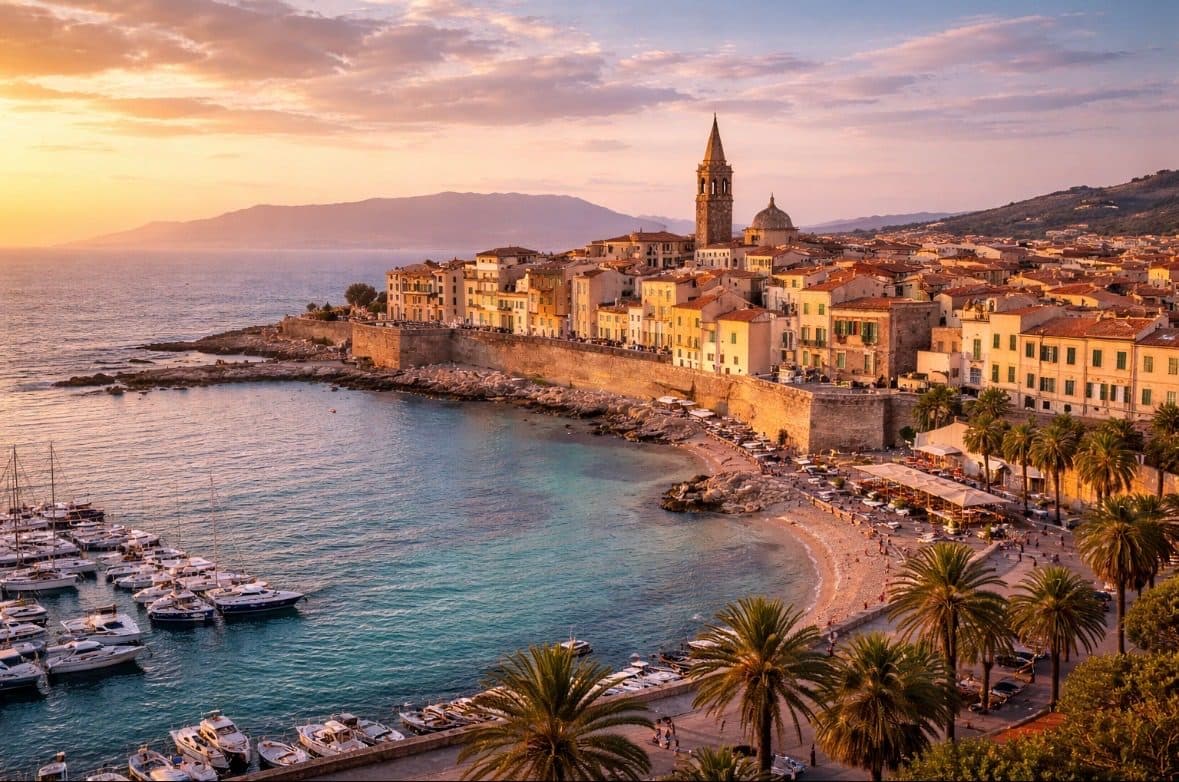
Alghero in twelve things to take home
3 min read
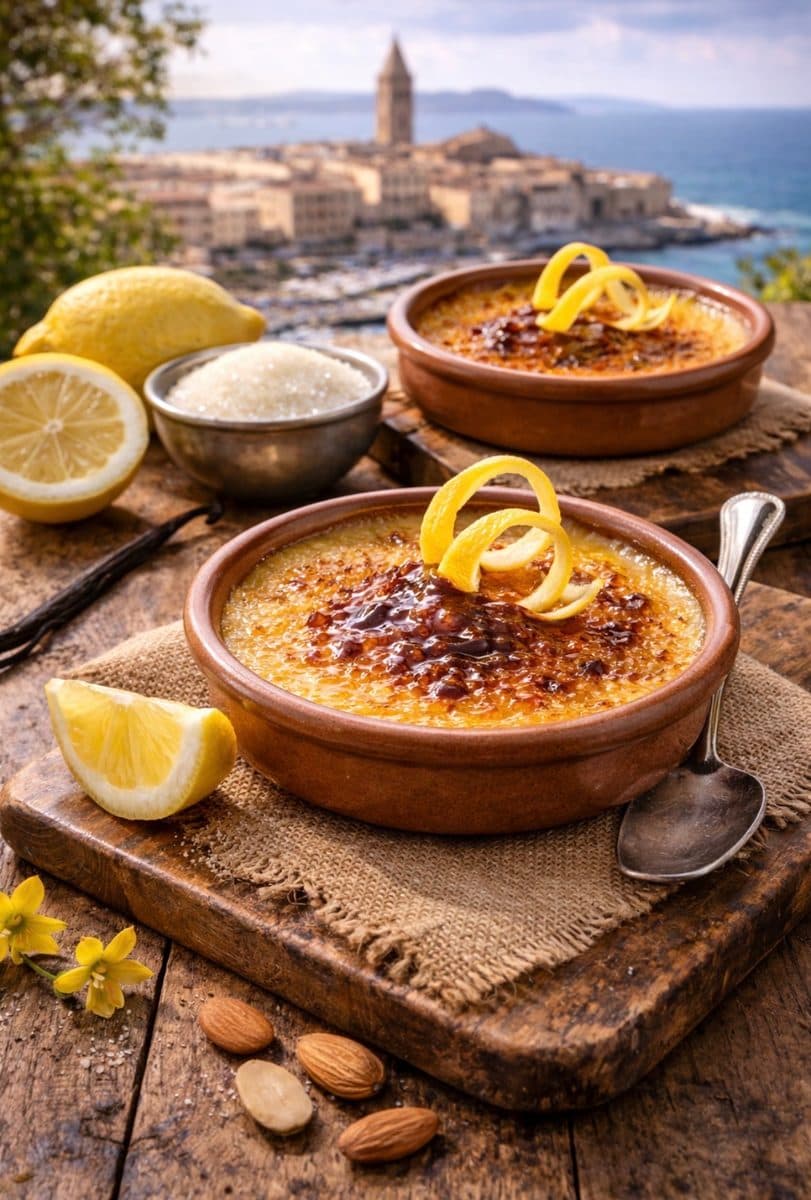
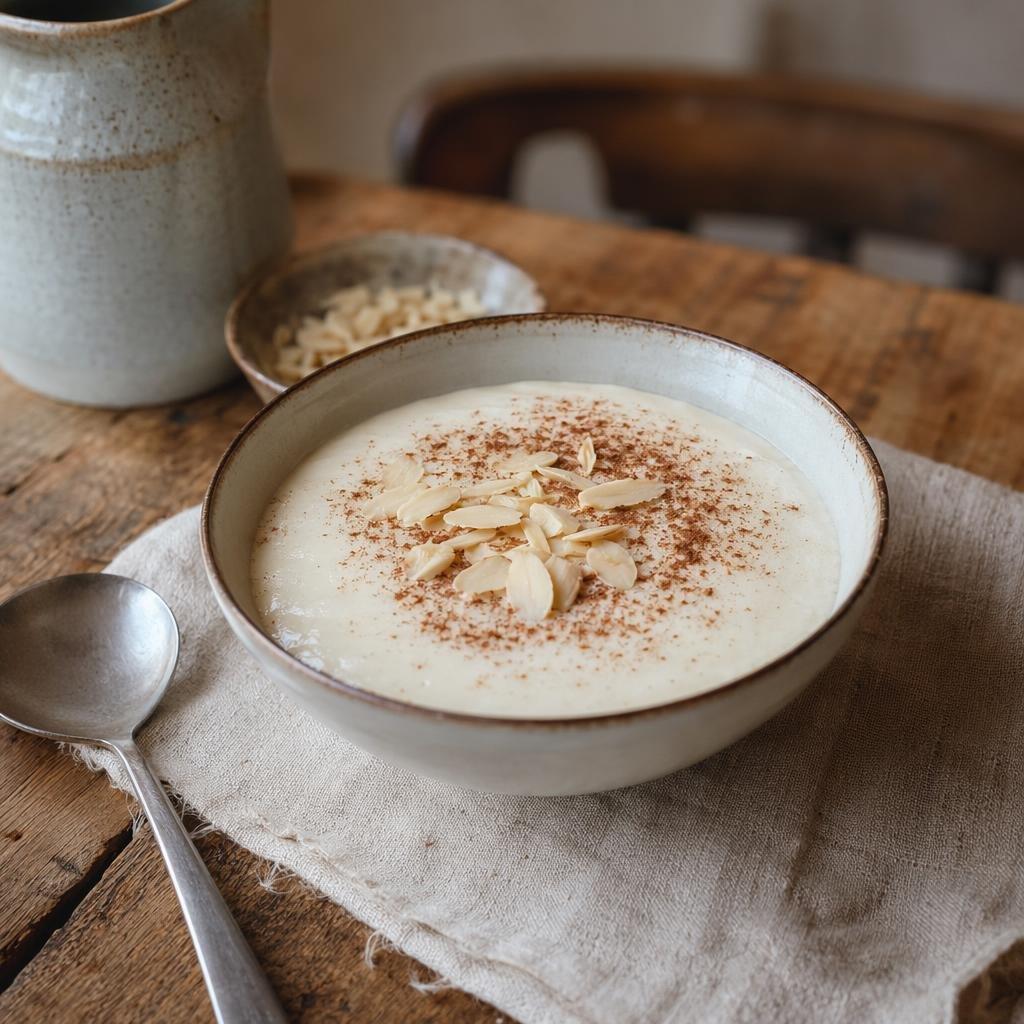
In Alghero you see the red of coral in the old-town shop windows before you see it in the sea, and the spoon desserts have Catalan names: crema bruciata and menjar blanc. In the fourteenth century the Crown of Aragon repopulated the city with Catalan settlers, and you can still read Algherese, a variety of Catalan, on the street signs next to the Italian.
In this guide you will find twelve souvenirs: three in coral and goldsmithing, two sweets of Catalan heritage and seven from the island's pantry and household crafts, from bottarga to tuna in oil, from fregula to embroidered filet lace and asphodel baskets. Choose coral and filigree in the workshop, the pantry in a delicatessen, and the two sweets at the end of dinner, in a restaurant.
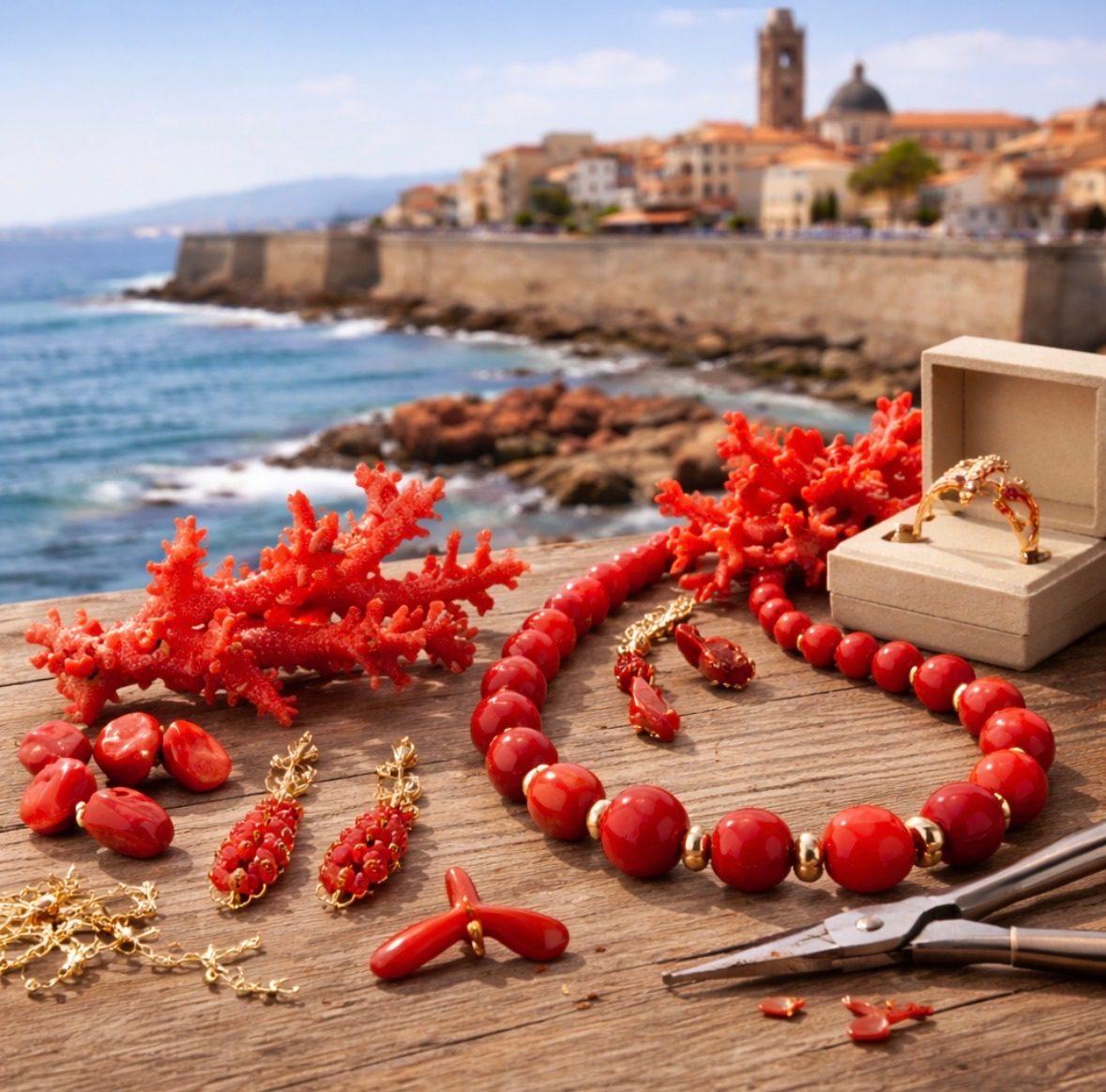
- Red coral from Alghero: branches cut and polished in town.
- Alghero red coral jewellery: necklaces, rings, cameos.
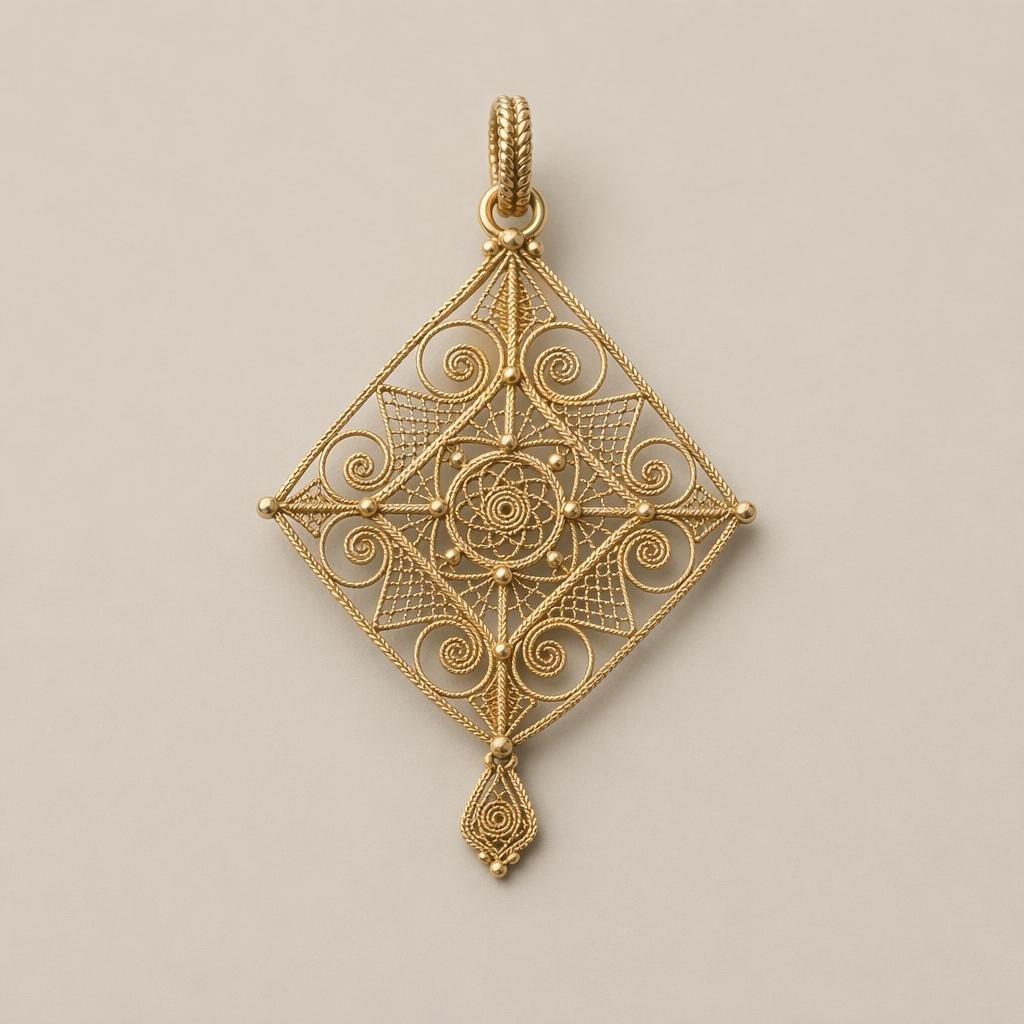
- Sardinian filigree jewellery: gold or silver threads, often with coral.
- Crema bruciata di Alghero: a crust of sugar caramelised to order.
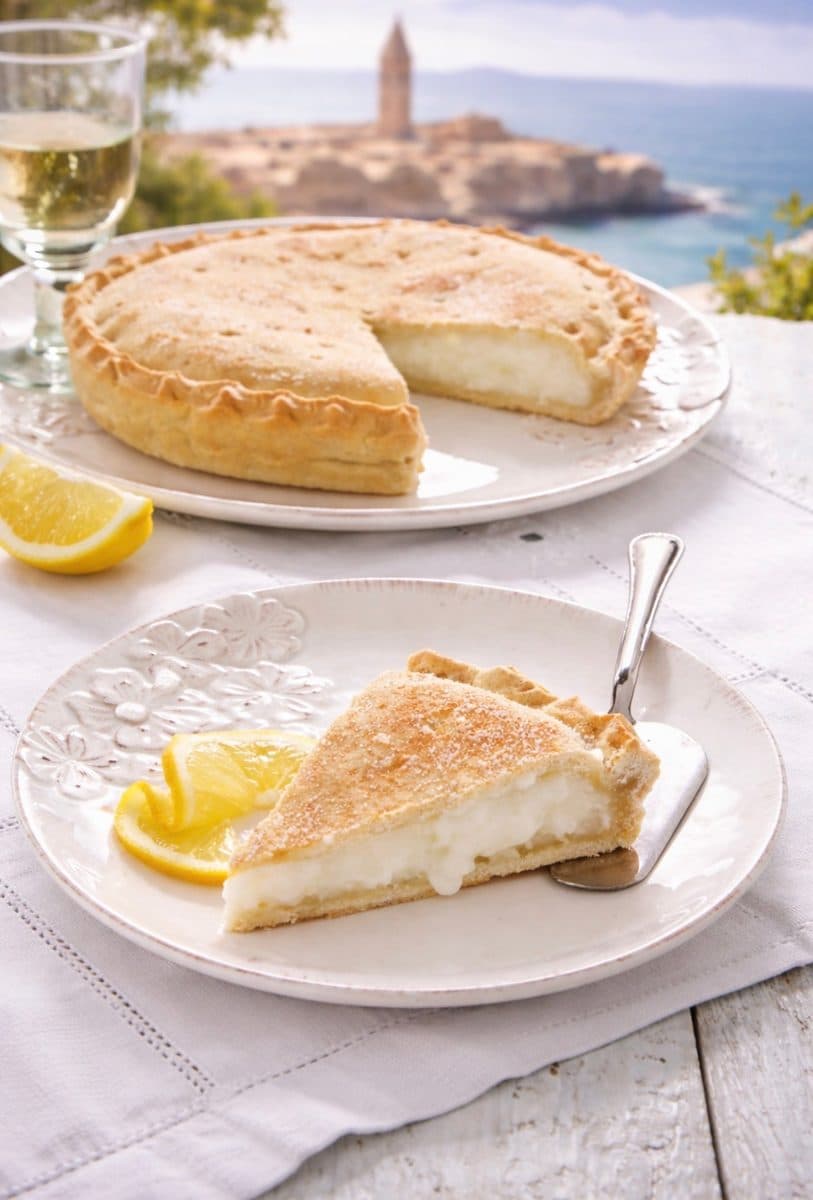
- Menjar blanc di Alghero: milk pudding, by the spoon or in a tart.
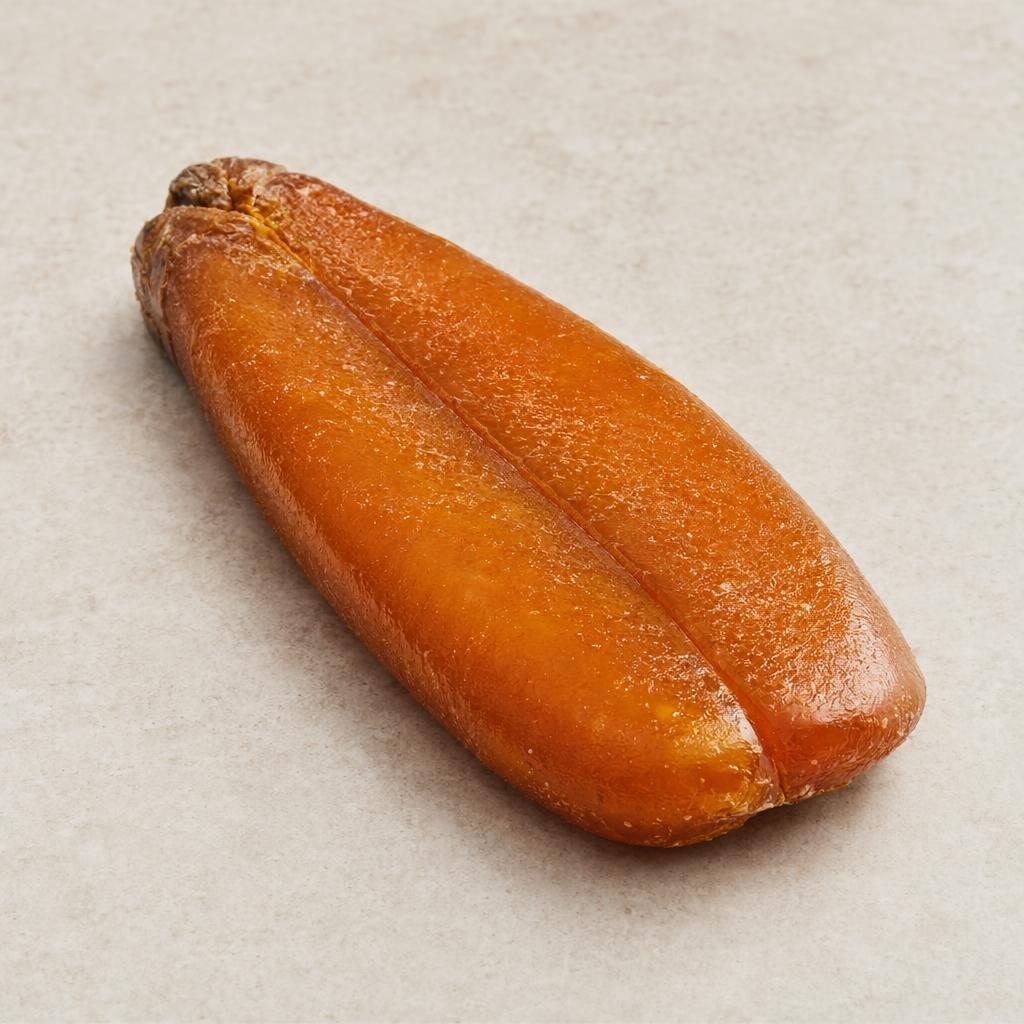
- Sardinian mullet bottarga: grey mullet roe, the product of Cabras.
- Bottarga from northern Sardinia: mullet or tuna, on pane carasau.
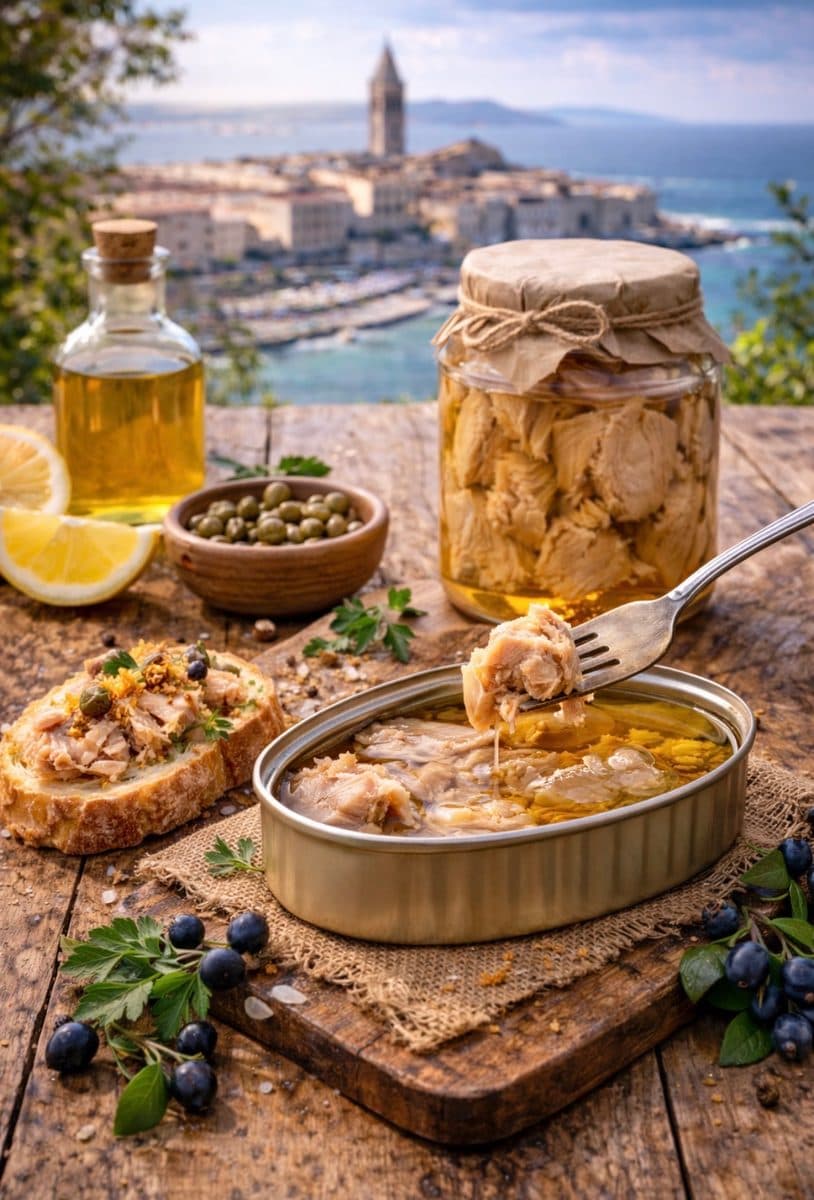
- Handmade Alghero tuna in oil: steaks in extra virgin olive oil.
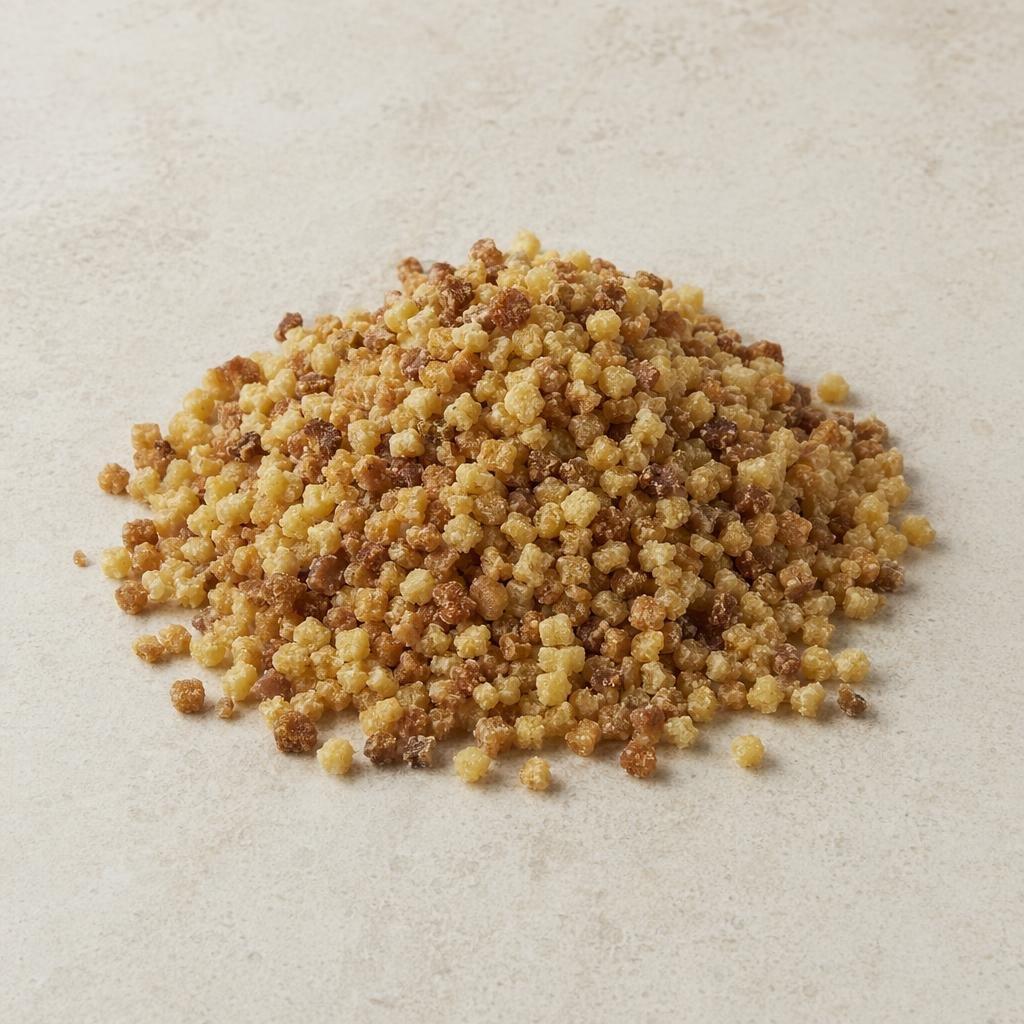
- Fregula sarda: toasted semolina, cooked like a risotto.
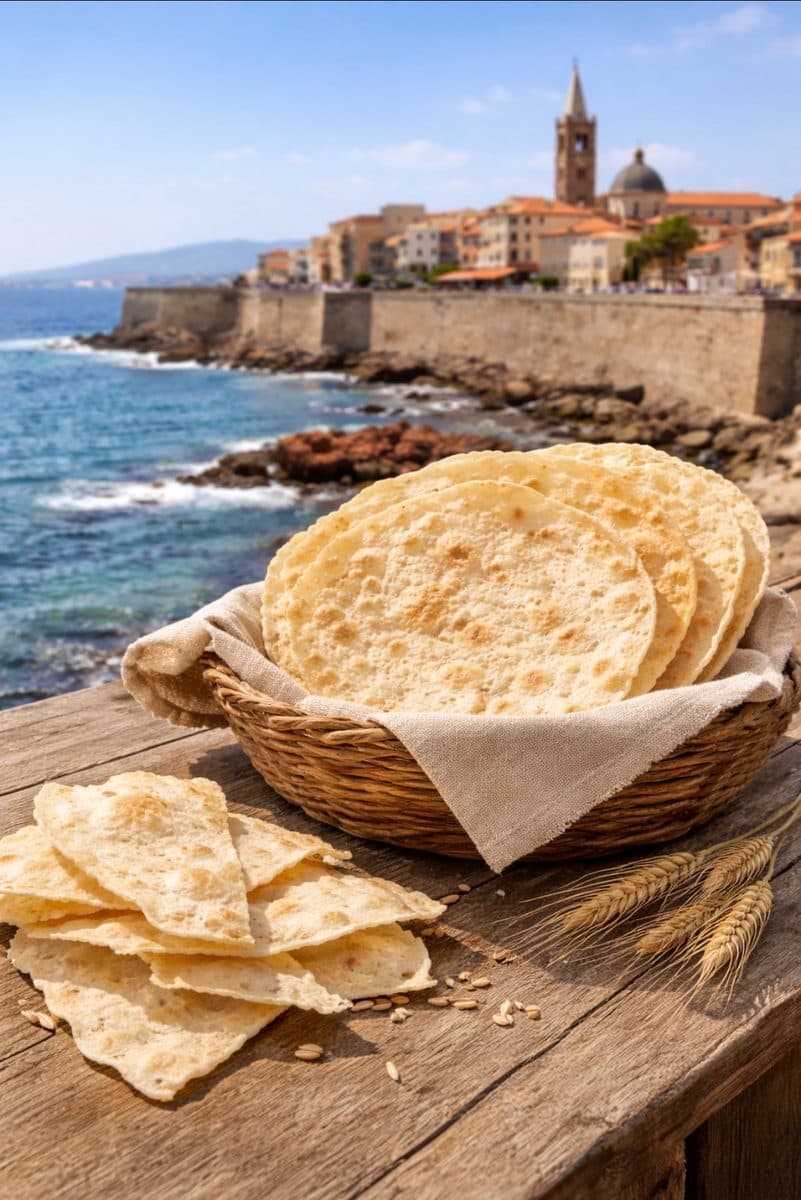
- Handmade pane carasau: thin sheets baked twice.
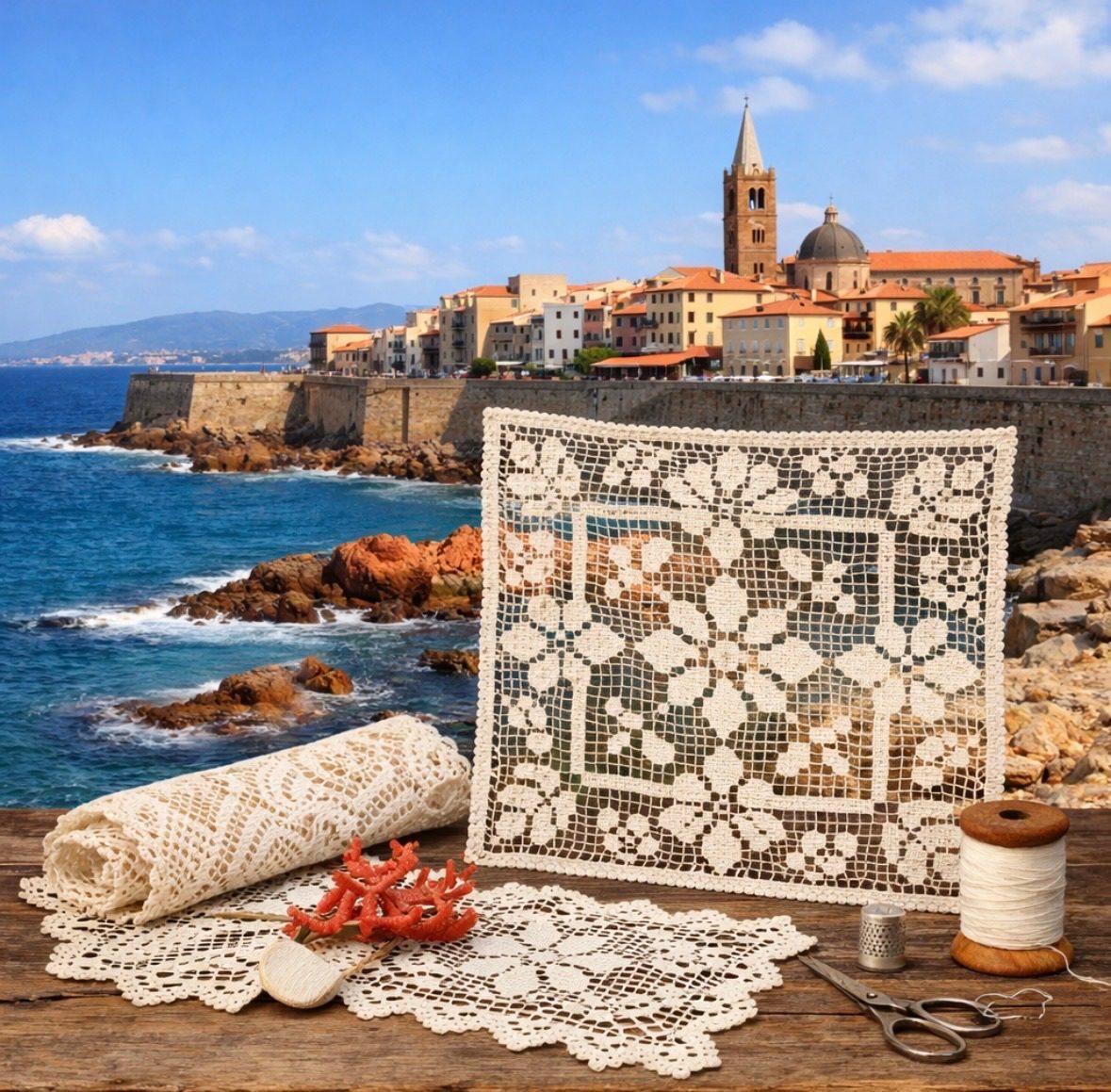
- Alghero embroidered filet: doilies and runners on knotted net.
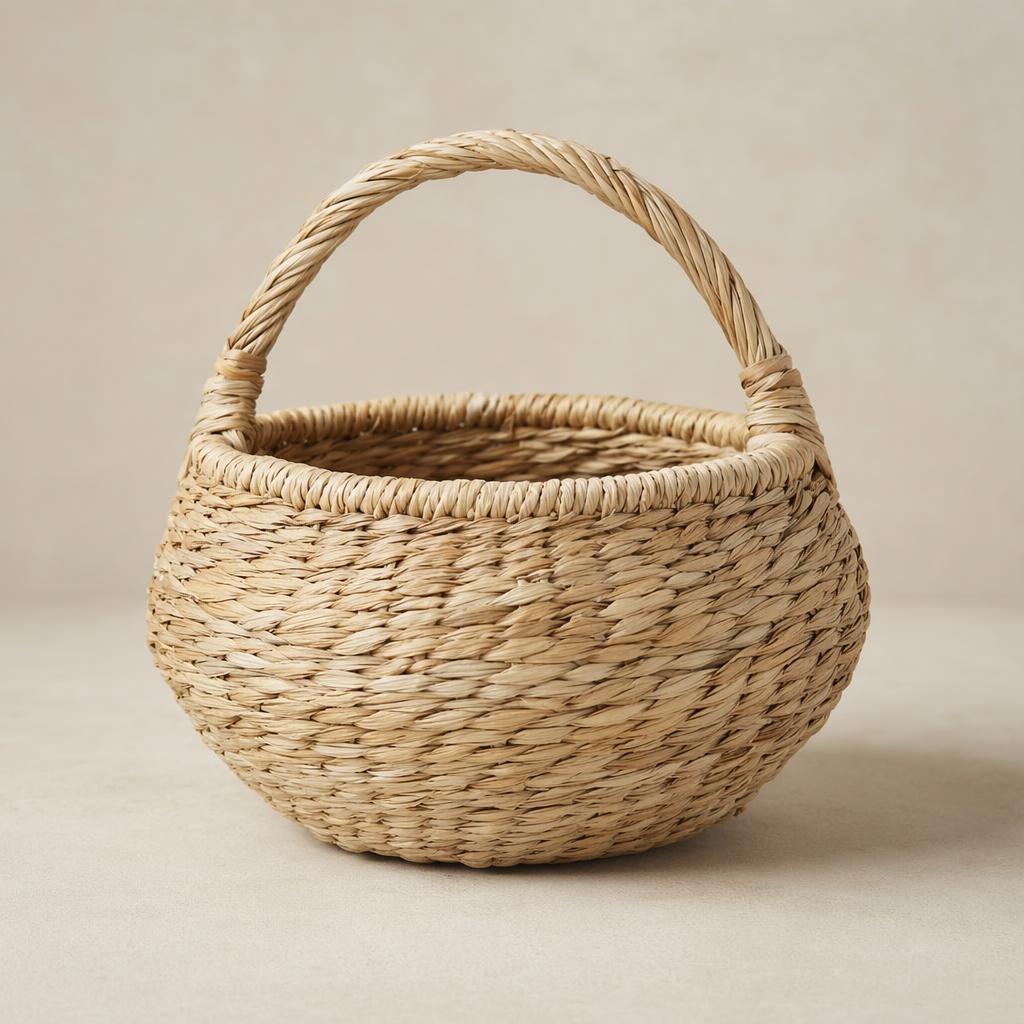
- Sardinian asphodel baskets: dried leaves woven by hand.
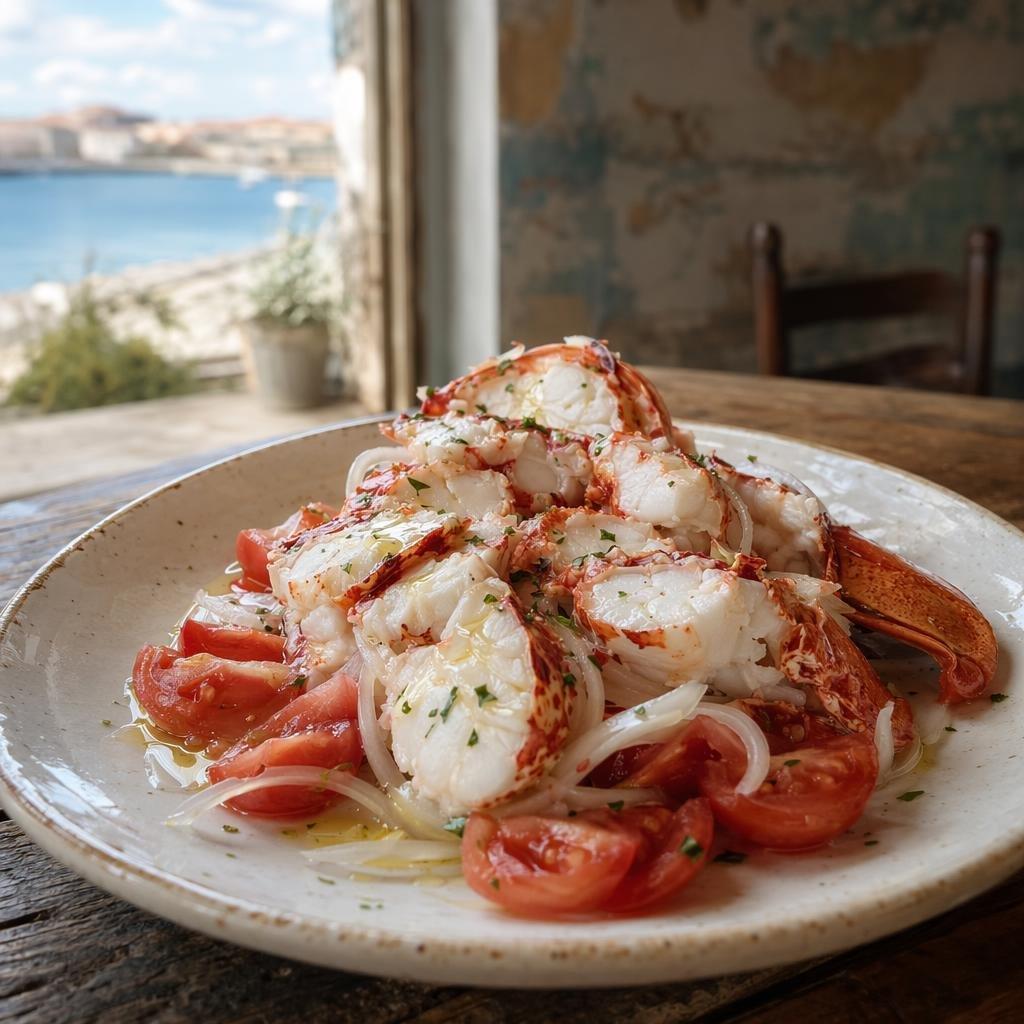
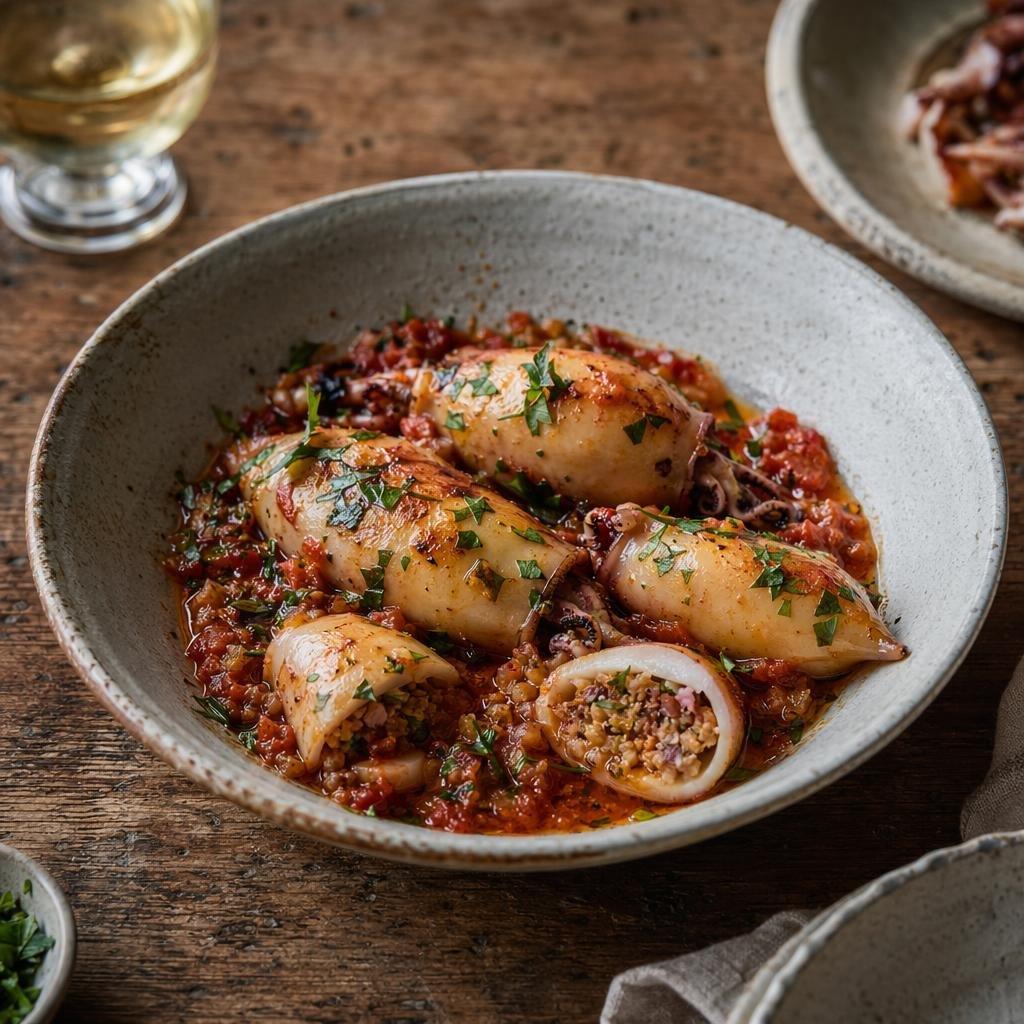
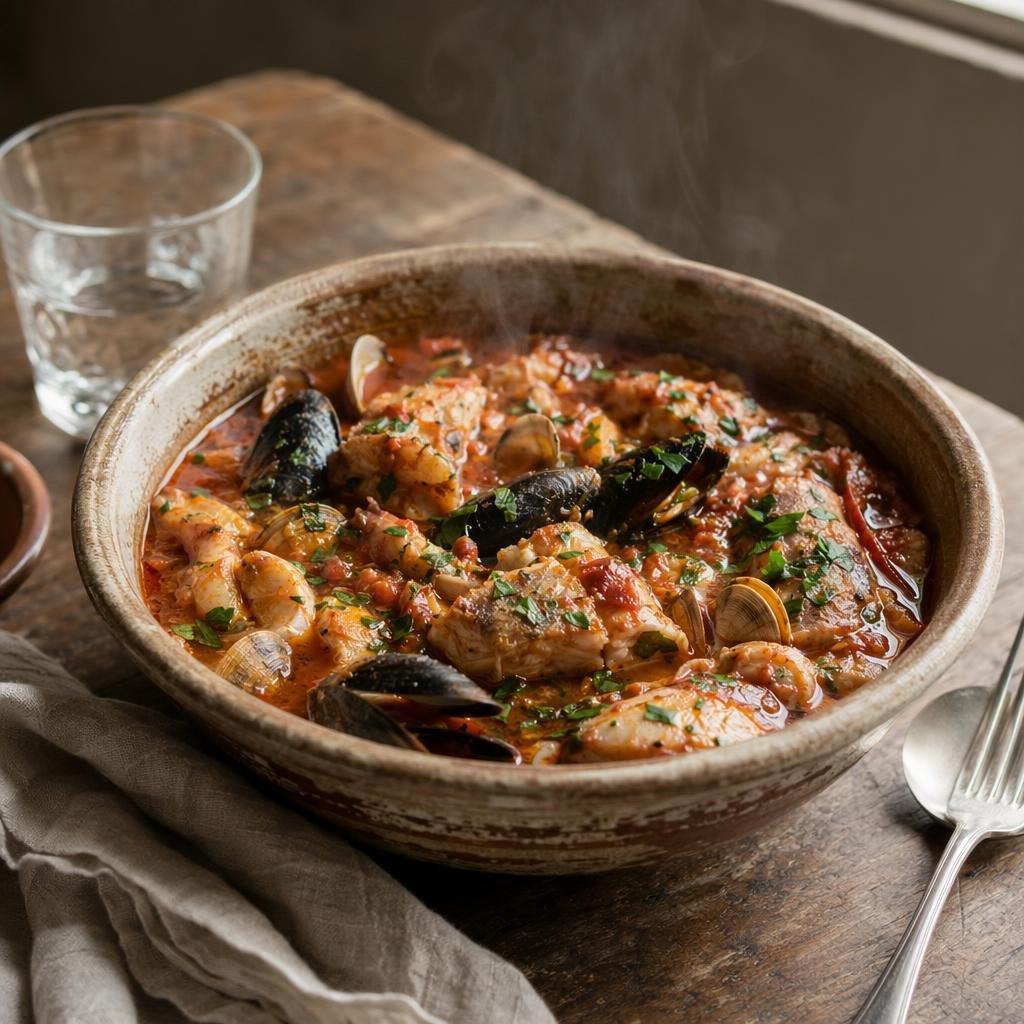
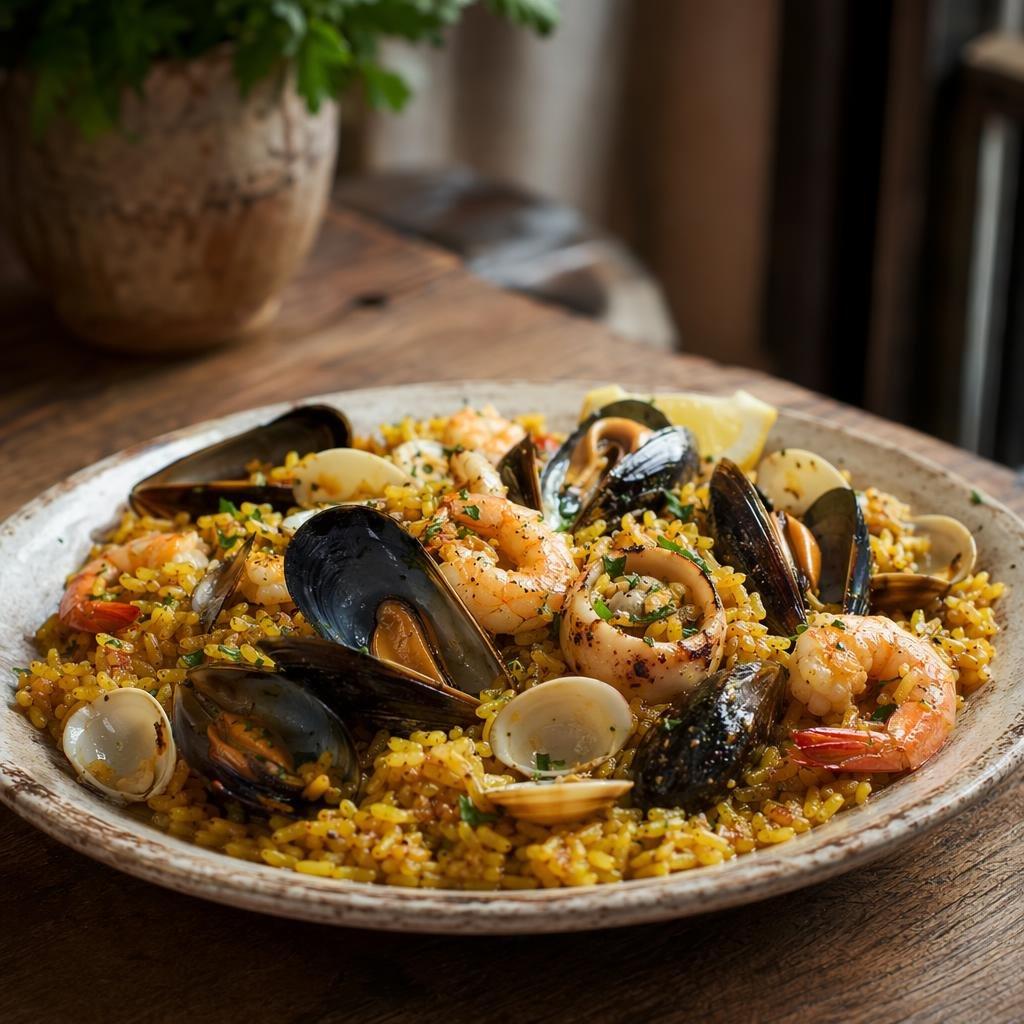
At the table, look for cassola de peix, paella algherese and, in summer, Catalan-style lobster.
Capo Caccia coral and recipes from Catalonia
Coral gave this coast its name, the Riviera del Corallo. For centuries the branches from the seabed between Alghero and Capo Caccia have gone from the boats to the workshops, which cut them, polish them and set them in gold or silver. Today the Region regulates the harvest, with no-take zones near Capo Caccia so the species can grow back, and the town has created a quality mark, Corallium rubrum ad Alghero. Filet lace, by contrast, was born at home, for the bridal trousseau. In the kitchen, Catalonia lives on in the names, from cassola de peix to menjar blanc.
What to look at on coral, filet and bottarga
For coral, ask for the material and the workshop to be written on the receipt; the colour runs from bright red to pink, with the small irregularities of the branch. In filigree, look at the fine threads soldered one by one. In filet, look for the knotted net under the embroidery. On bottarga, read the fish on the label: grey mullet or tuna.
Between the Bastioni, Via Carlo Alberto and the harbour
You find coral and jewellery in the old town, between the Bastioni, the sea walls, and Via Carlo Alberto. Before you choose, stop at the Museo del Corallo, in Villa Costantino, which tells the story of the fishing and the craft. Bottarga, tuna in oil, fregula and pane carasau are in the delicatessens of the centre and in the Sardinian produce shops towards the harbour. Filet and baskets also turn up at the seasonal markets.
What to pack in Alghero
Coral goes in your hand luggage, in a small rigid box: it costs between €40 and €800 depending on size and setting. Vacuum-packed mullet bottarga runs from €20 to €80 a piece, tuna in oil from €8 to €20 a jar; put the glass in the hold, well wrapped. Pane carasau is light but fragile: keep it on top of everything else. Eat crema bruciata and menjar blanc in town.