Catania in fourteen things to take home
3 min read
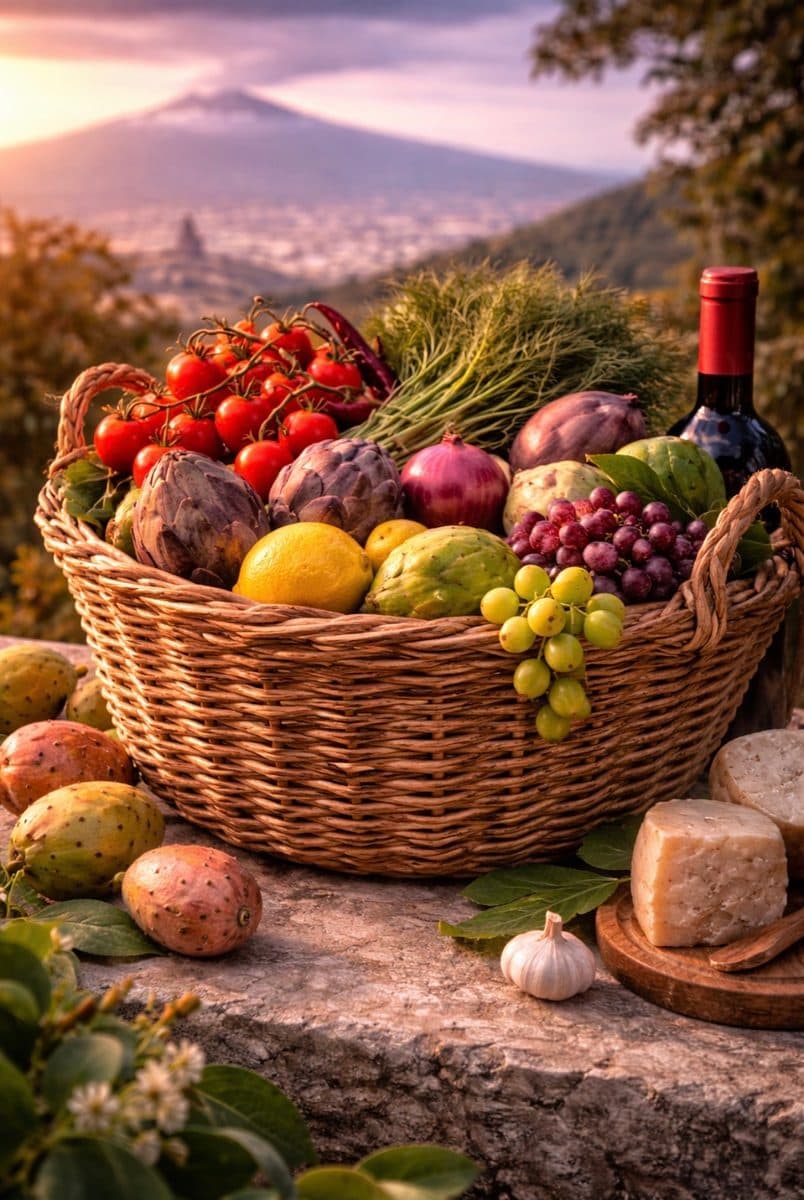
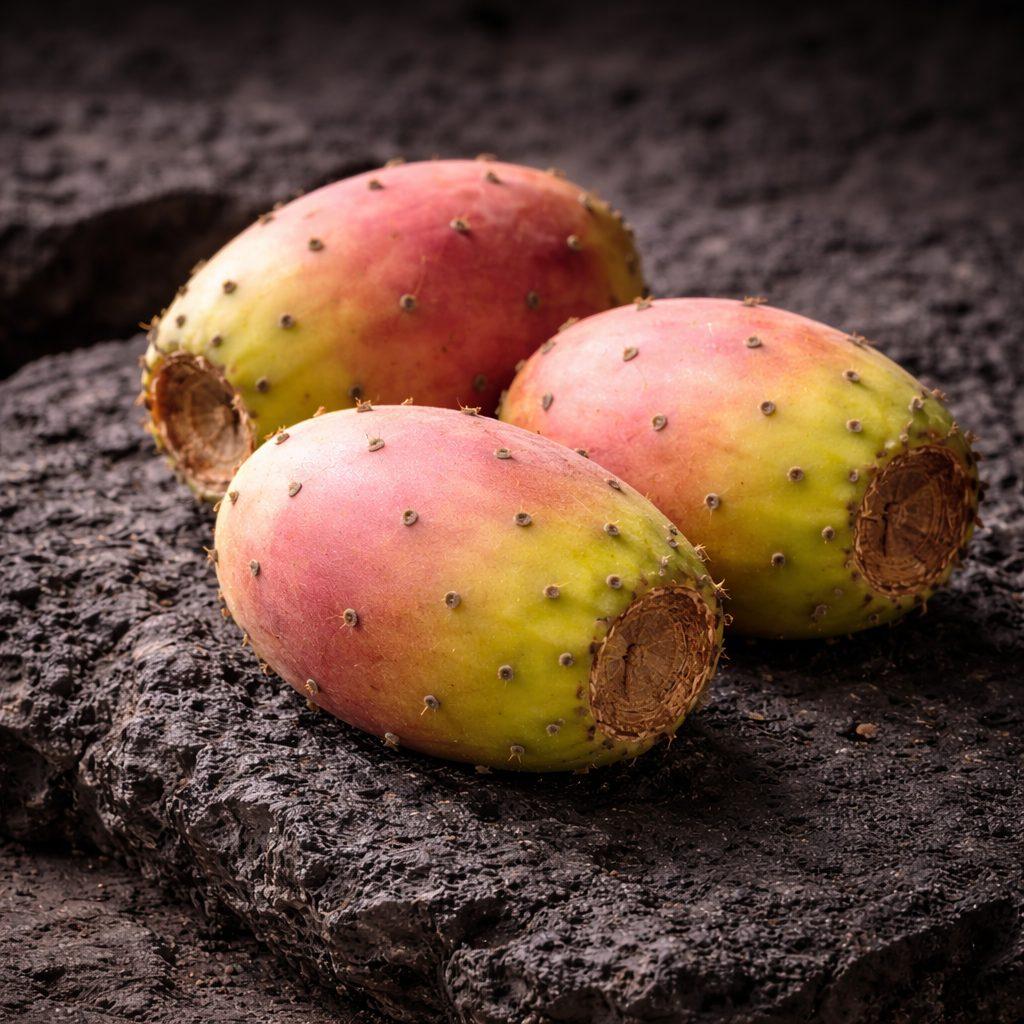
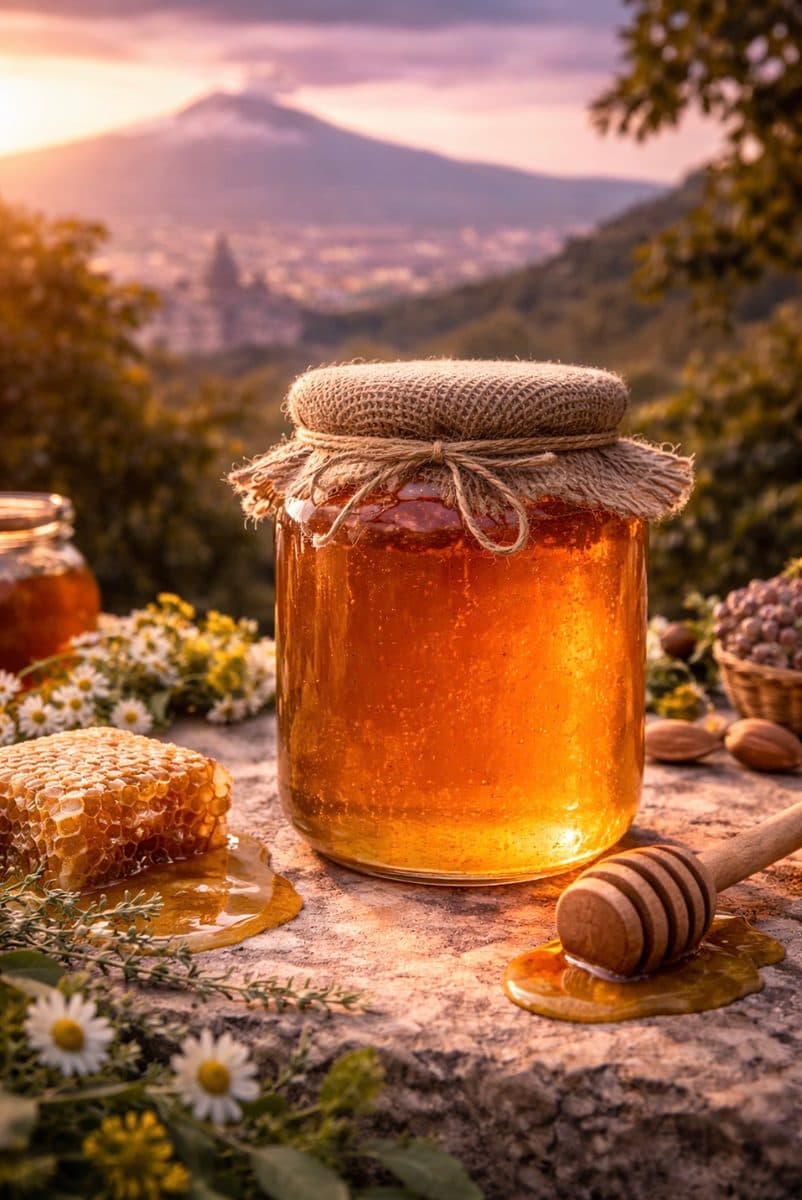
In Catania, almost everything you take home comes from Mount Etna or Saint Agatha. From the volcano come Bronte pistachio, which grows among the lava flows of the western slope, Monte Etna DOP oil, prickly pears from the volcanic countryside, and Zafferana Etnea honey. Stone arrives too: the dark lava with which the city was rebuilt after the 1693 earthquake becomes plates, trivets, and small objects.
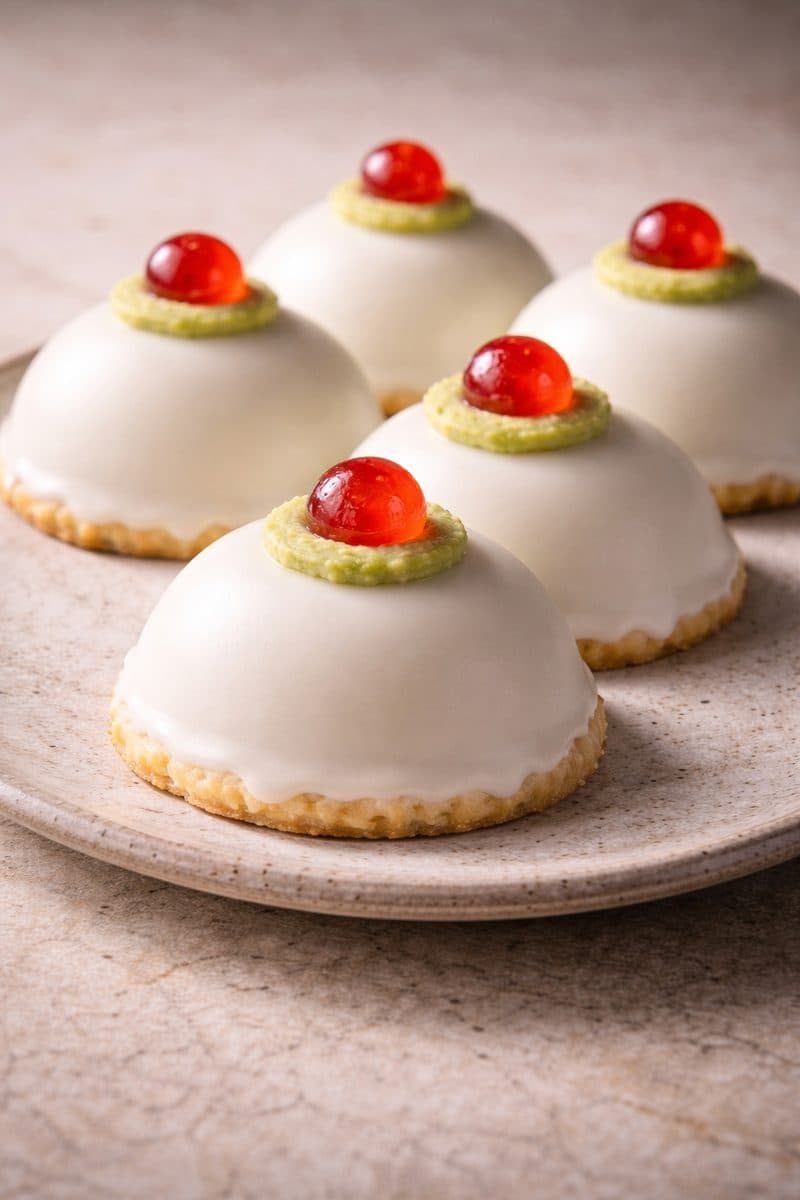
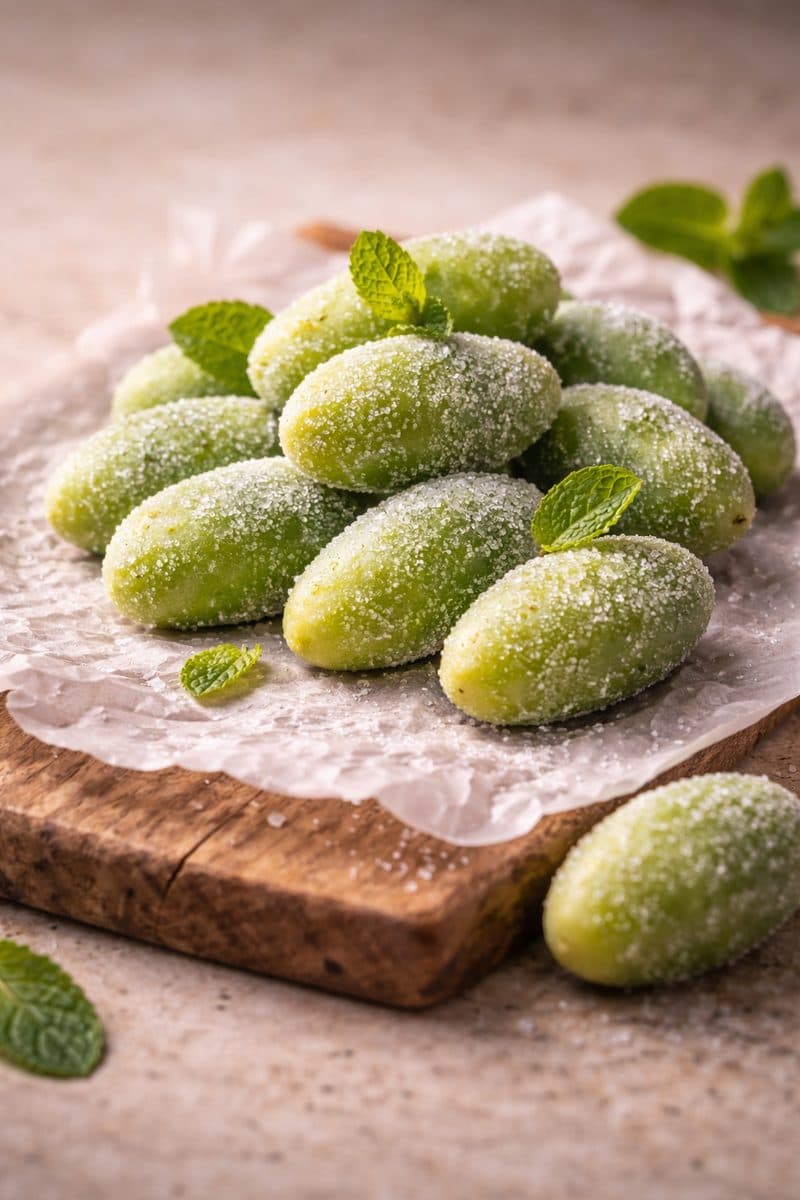
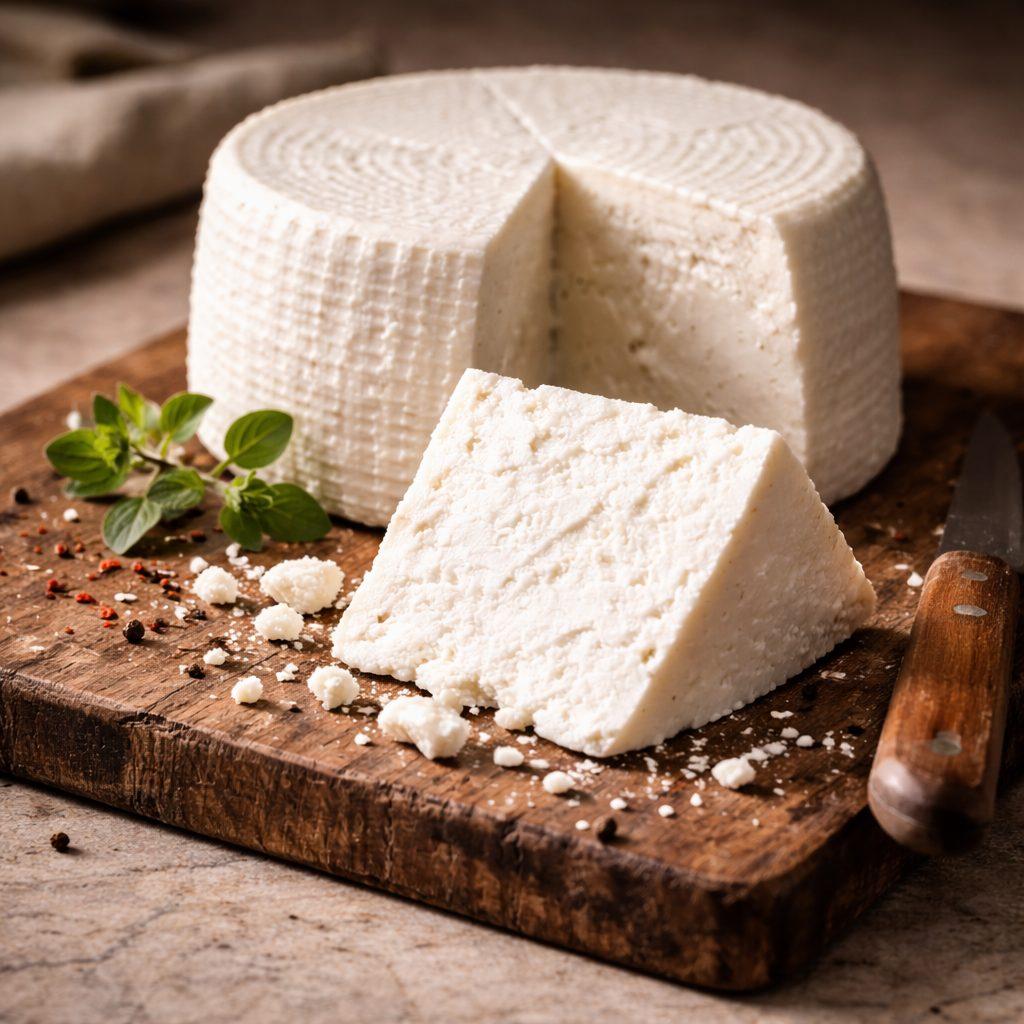
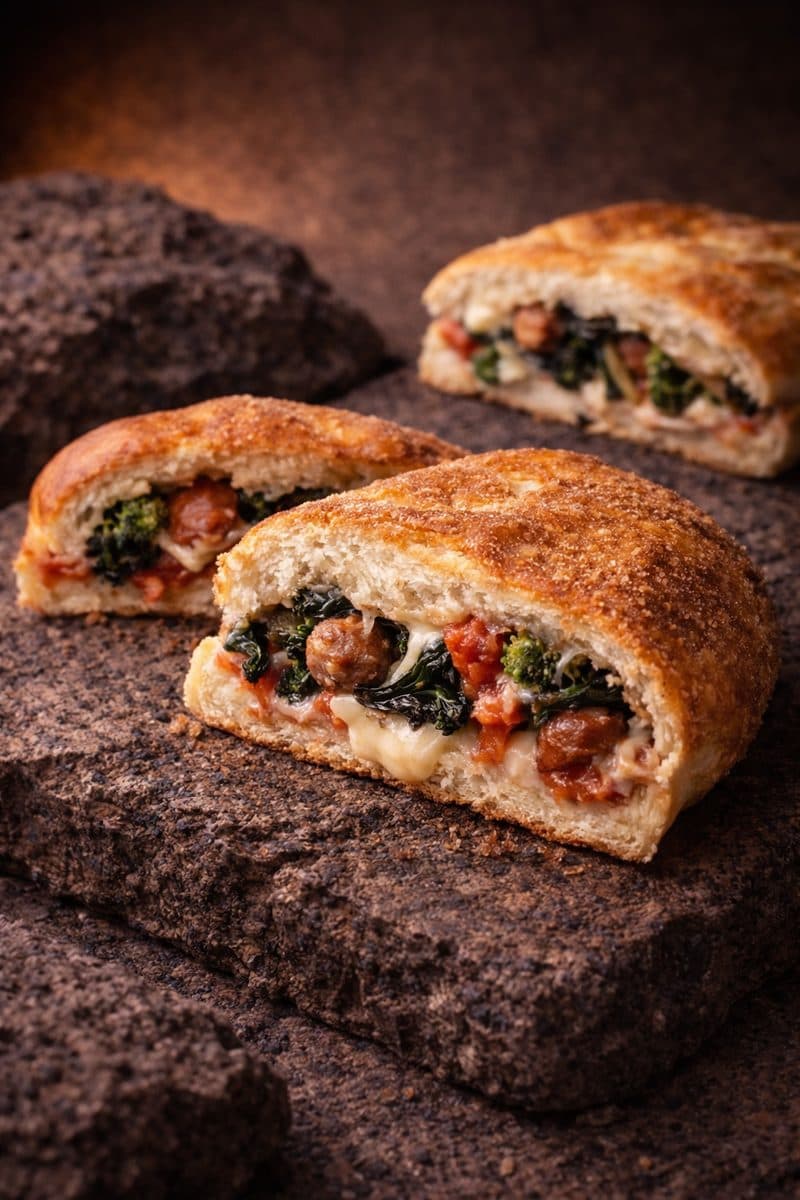
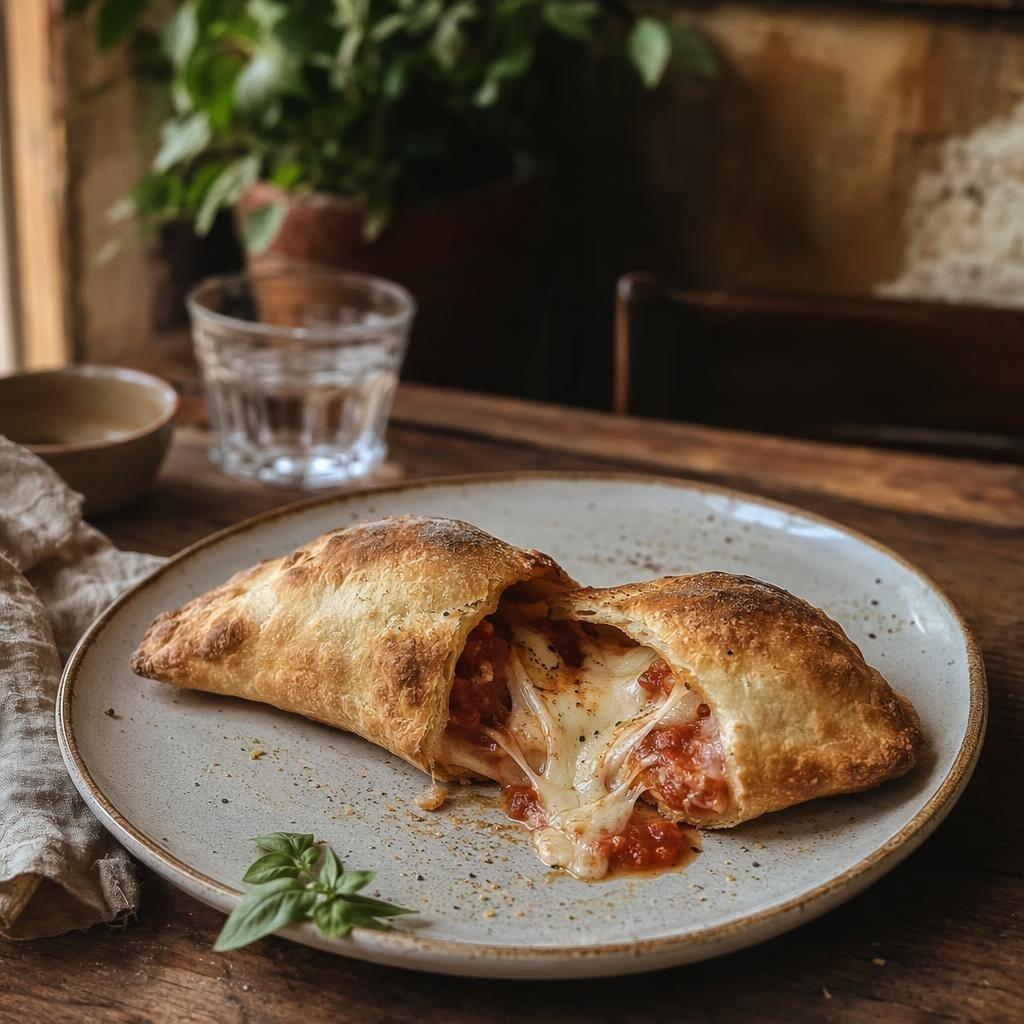
From the patron saint come the pastries: olivette, green, made of almond paste, and minne di Sant'Agata, white-glazed ricotta domes topped with a candied cherry. At the rotisserie counter you will find cipolline, crispelle di riso and scacciata; at the cheesemaker's, salted ricotta to grate over Norma pasta.
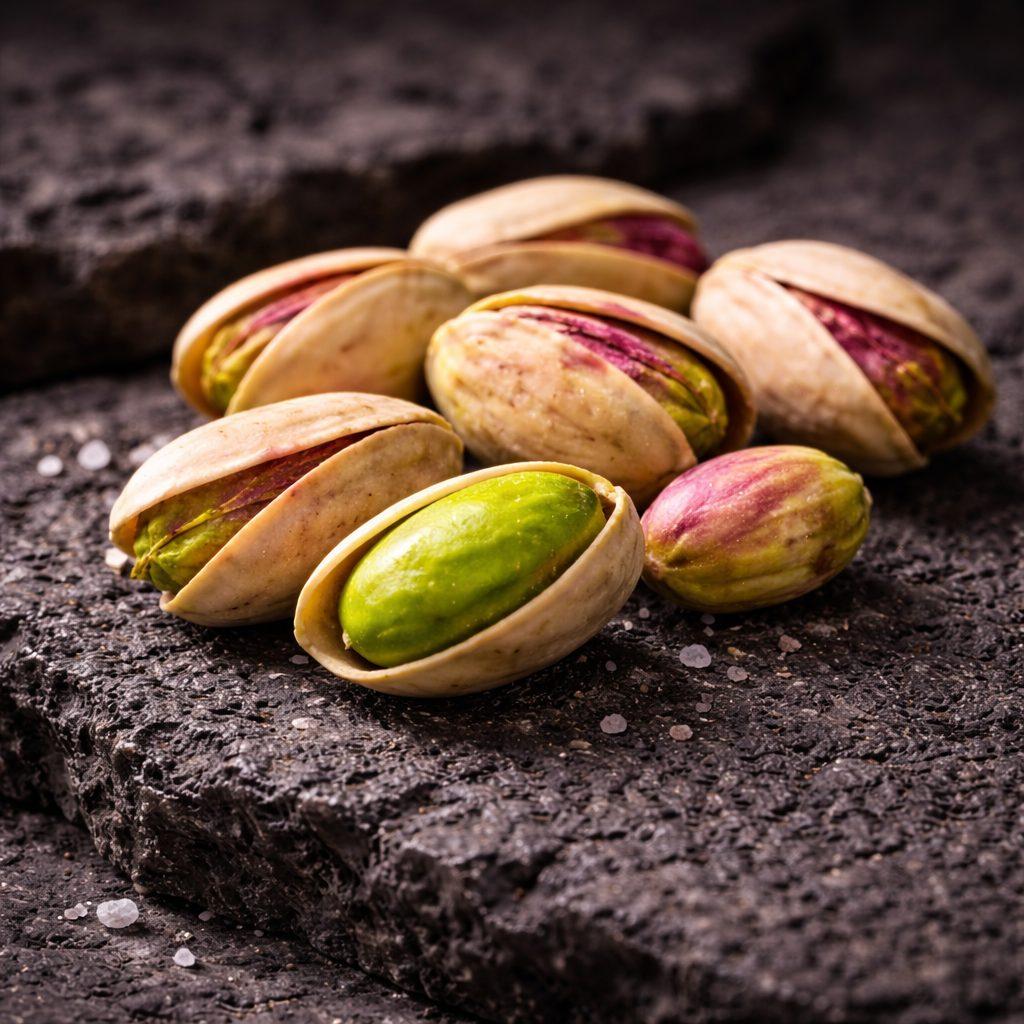
- Pistacchio verde di Bronte DOP: from the lava flows of Bronte.
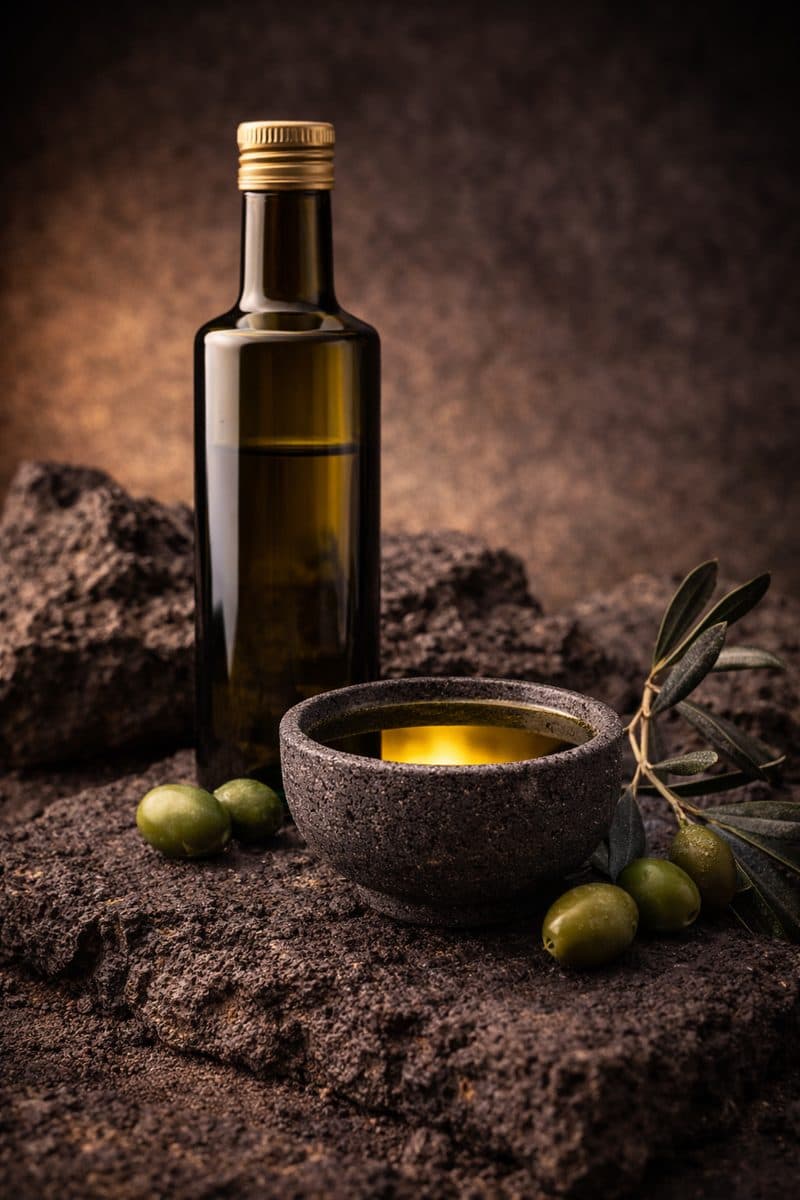
- Olio Monte Etna DOP: from the foothills olive groves.
- Ficodindia dell'Etna DOP: yellow, red, or white, in autumn.
- Miele dell'Etna: from the apiaries of Zafferana Etnea.
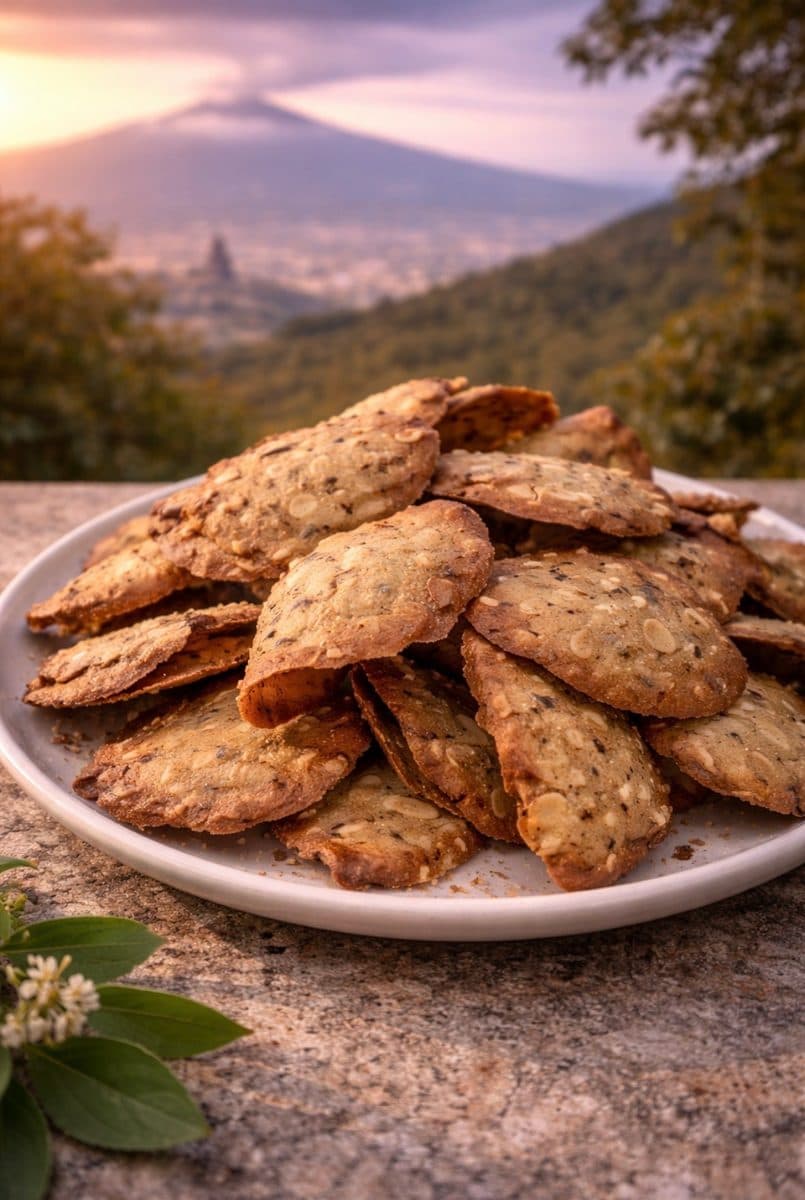
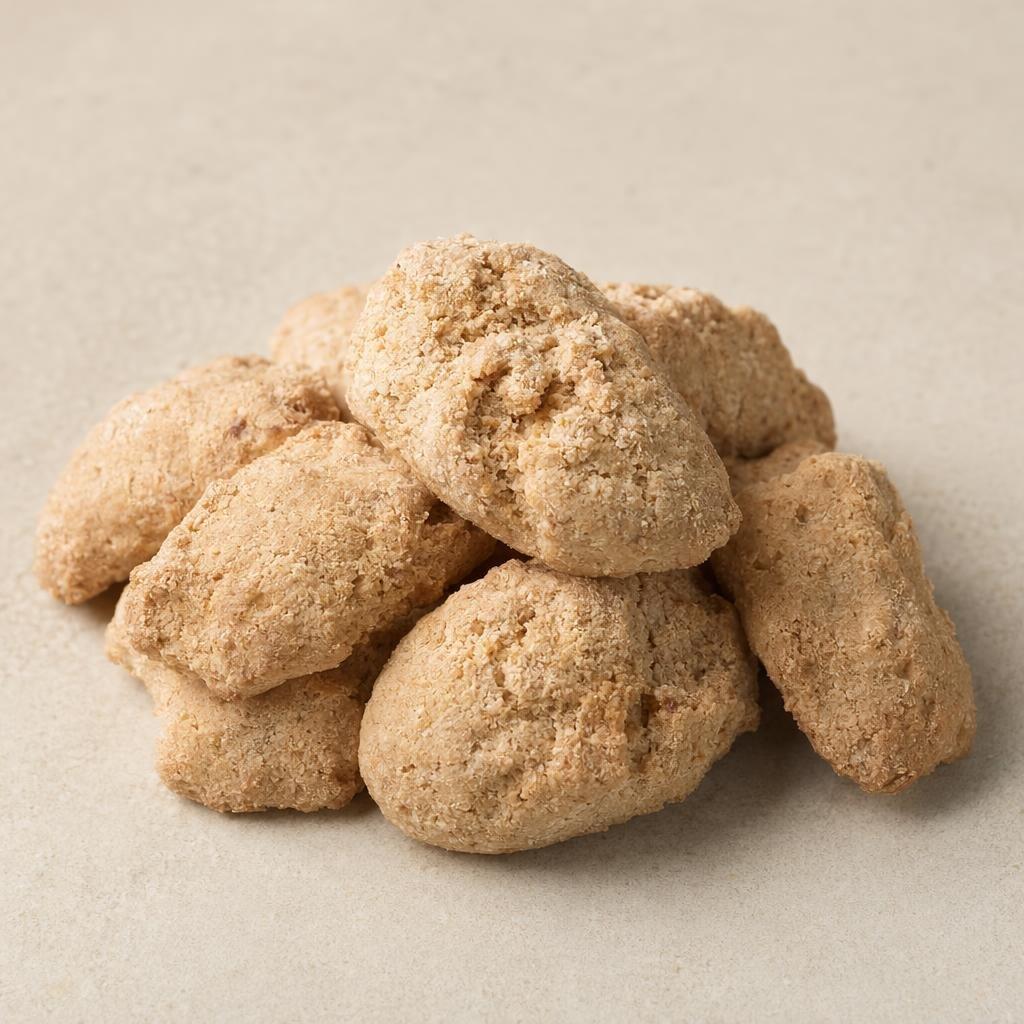
- Biscotti foglie di tè di Zafferana Etnea: dry and thin.
- Oggetti in pietra lavica dell'Etna: plates and trivets.
- Cesto intrecciato dell'area etnea: the panaru, in reed and rush.
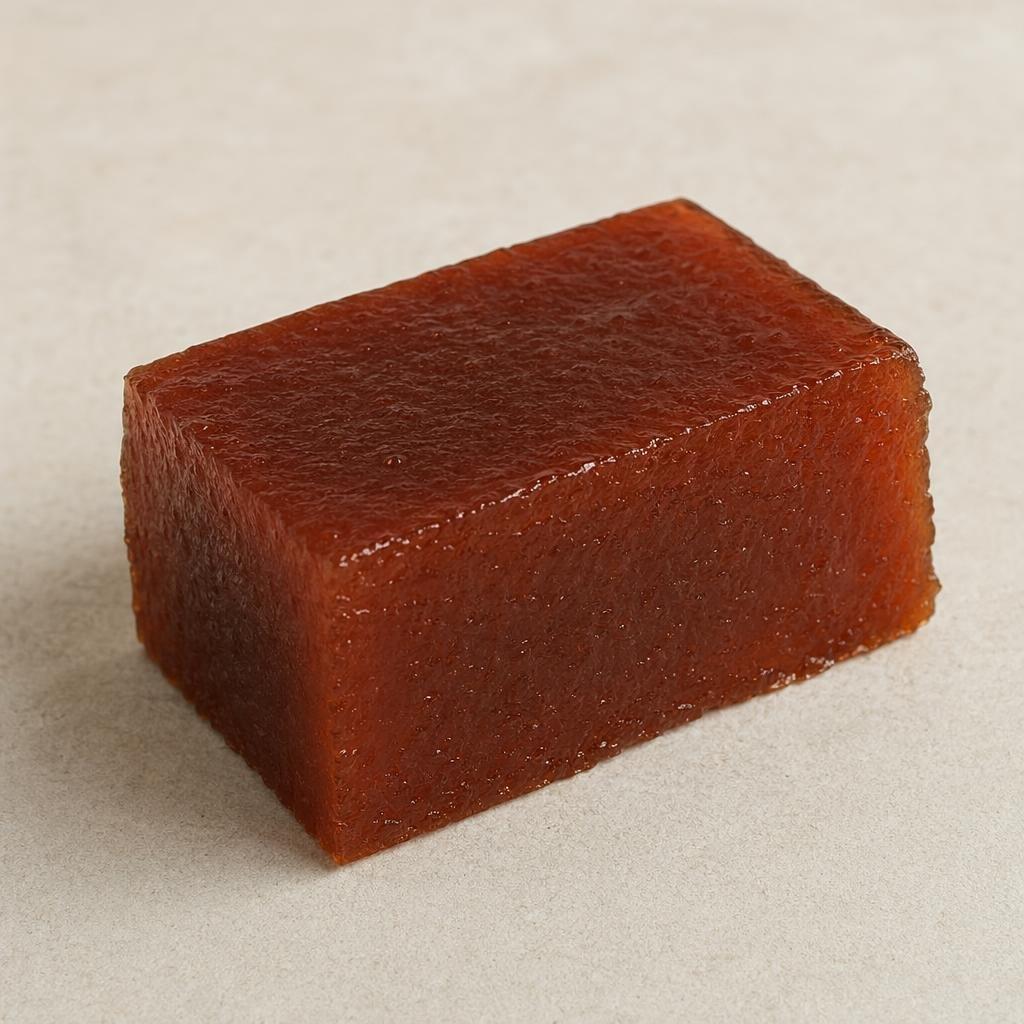
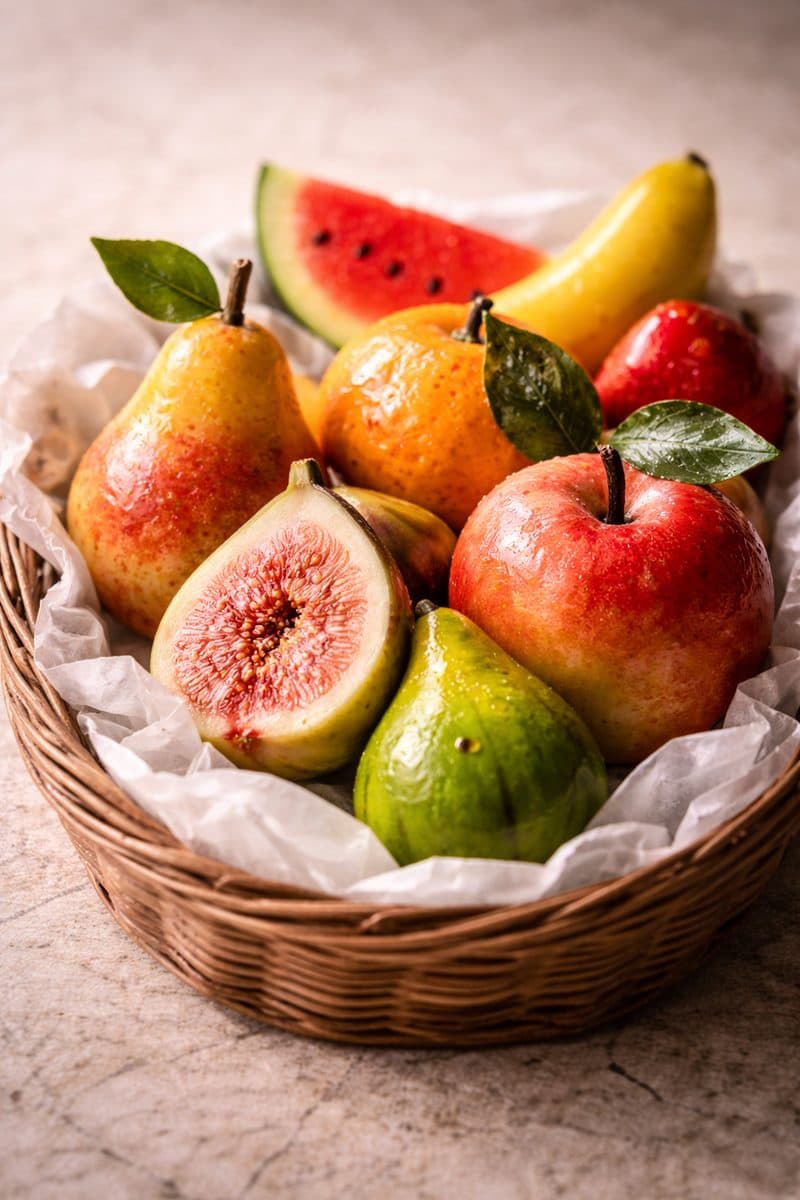
- Olivette di Sant'Agata: green almond paste.
- Minne di Sant'Agata: ricotta, glaze, and cherry.
- Ricotta salata siciliana: to grate.
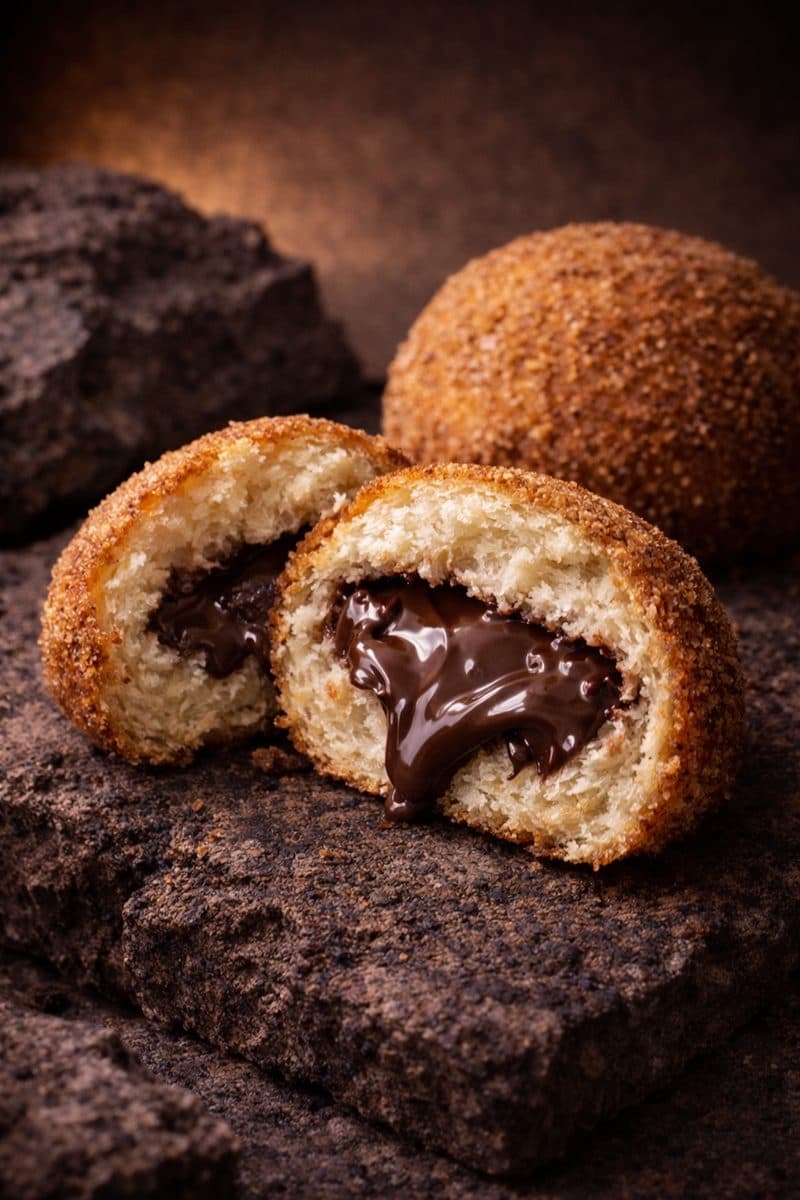
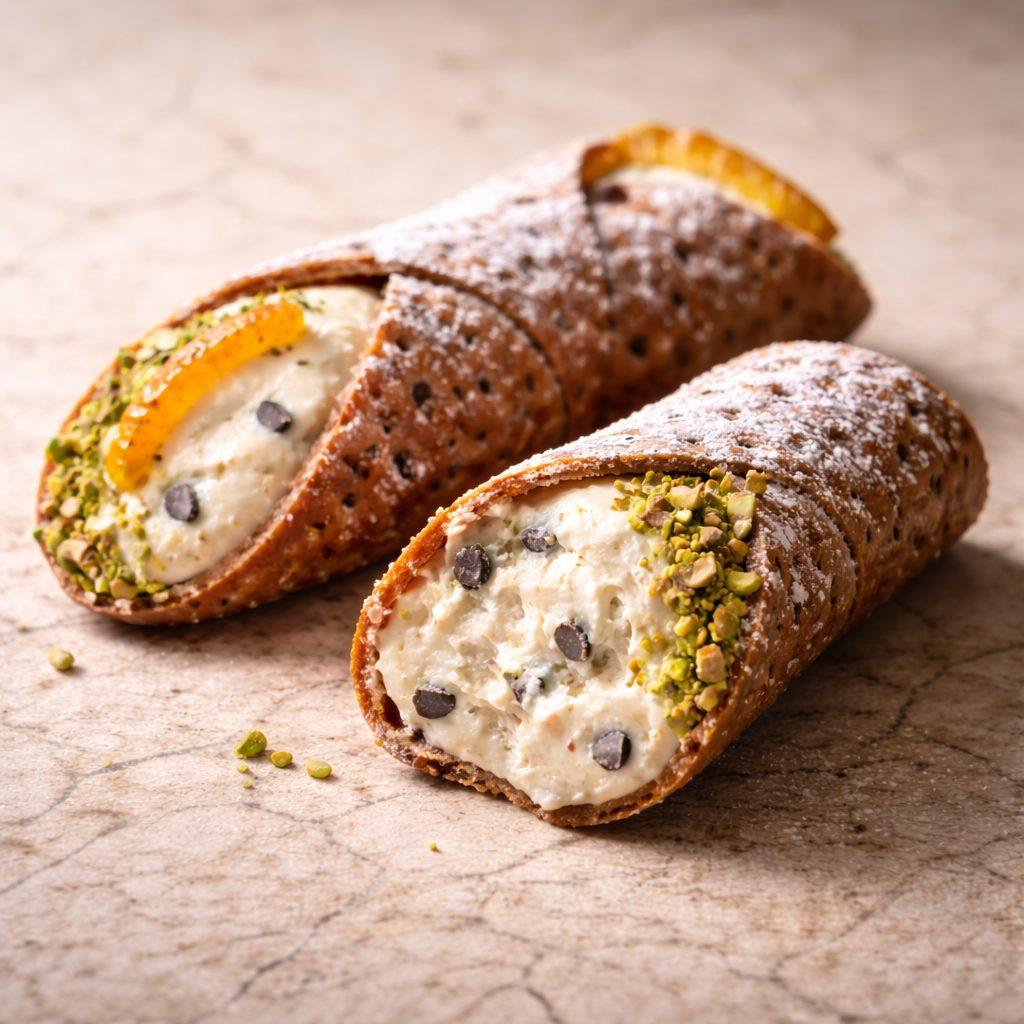
- Iris catanese: fried and filled with ricotta.
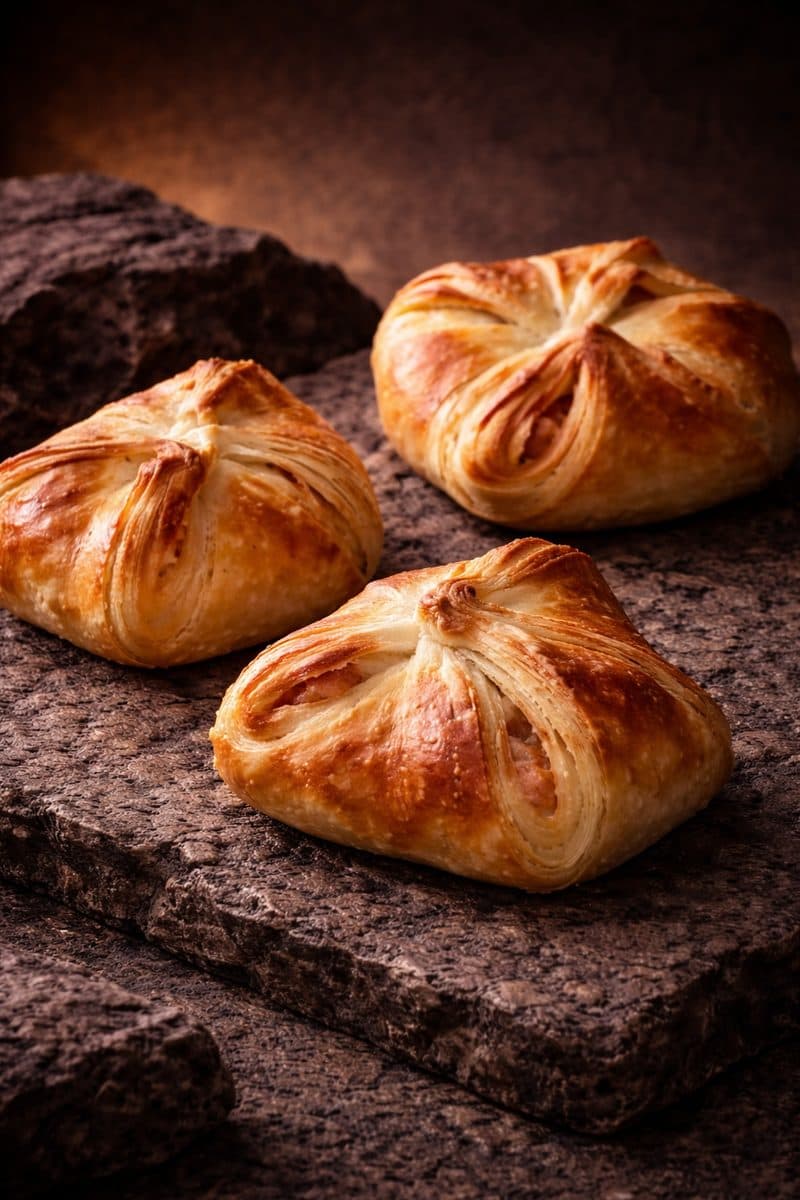
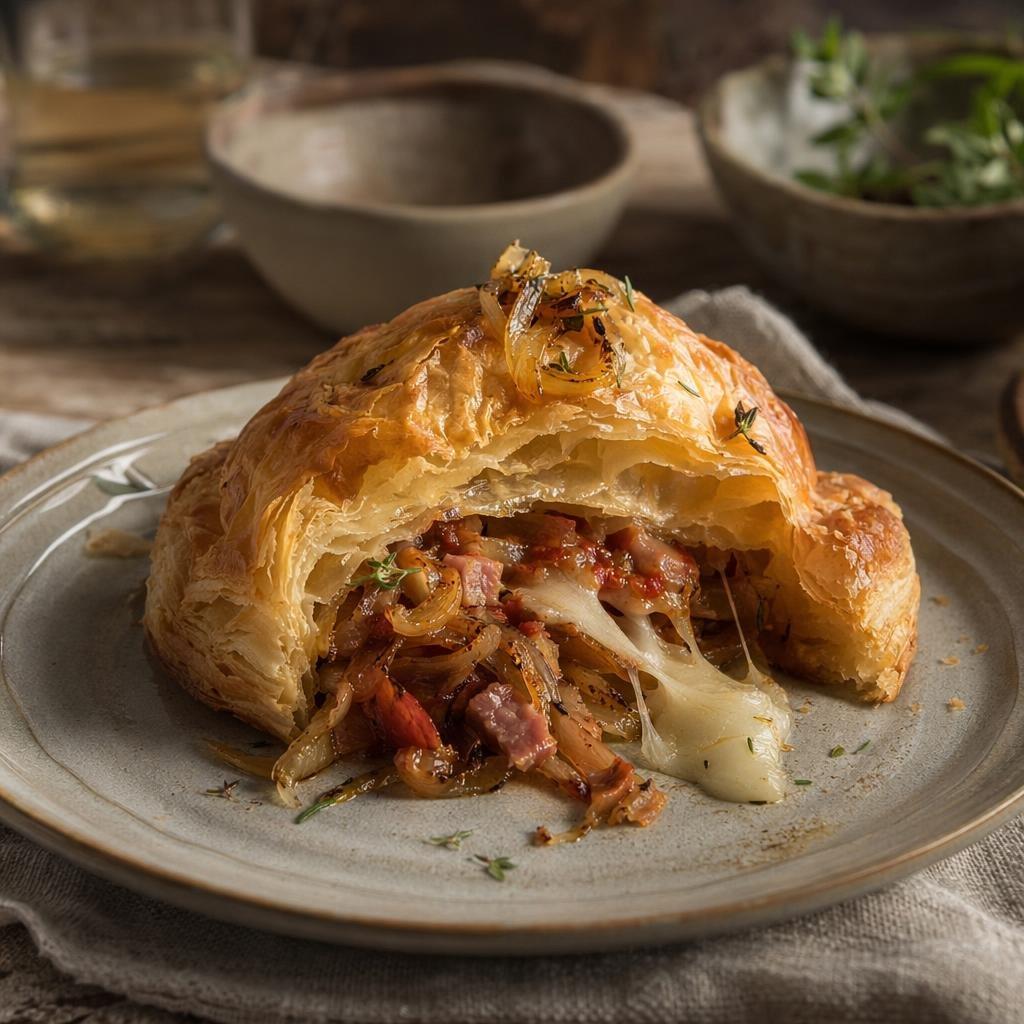
- Cipollina catanese: puff pastry with stewed onion.
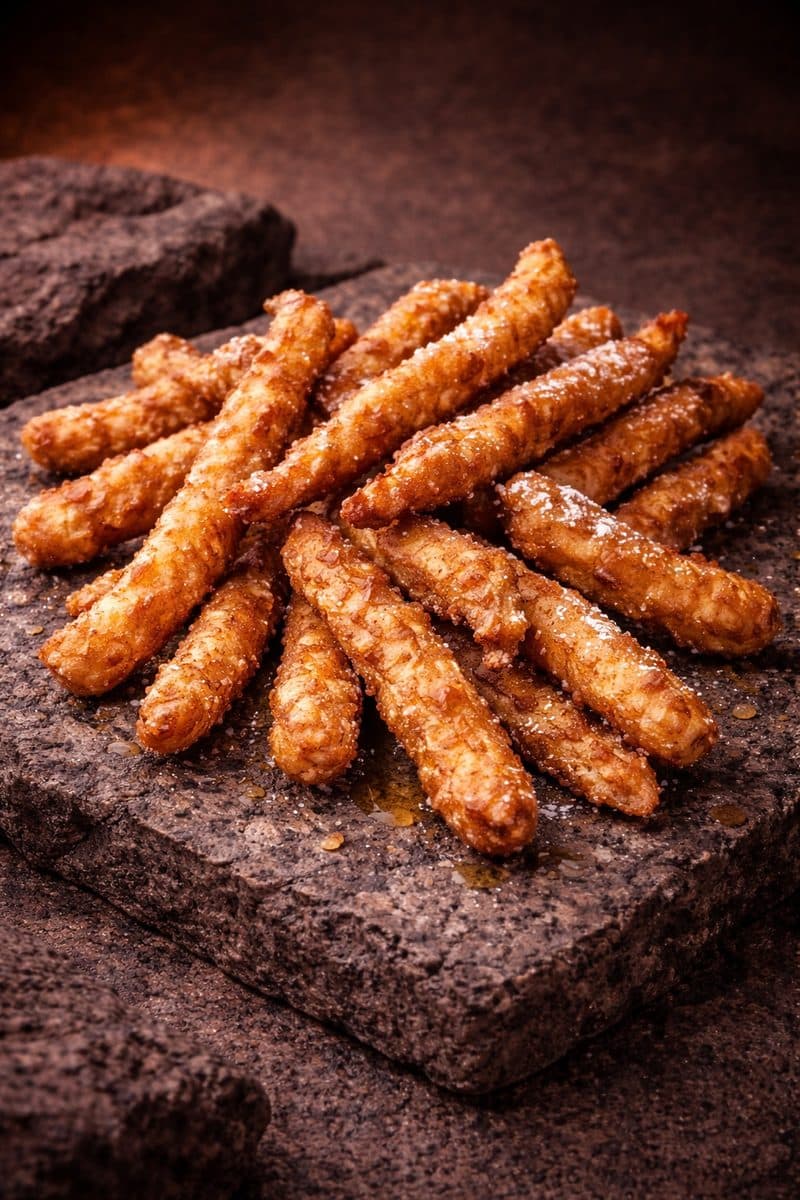
- Crispelle: milk and rice fritters.
- Scacciata catanese: two filled pastry sheets, sliced.
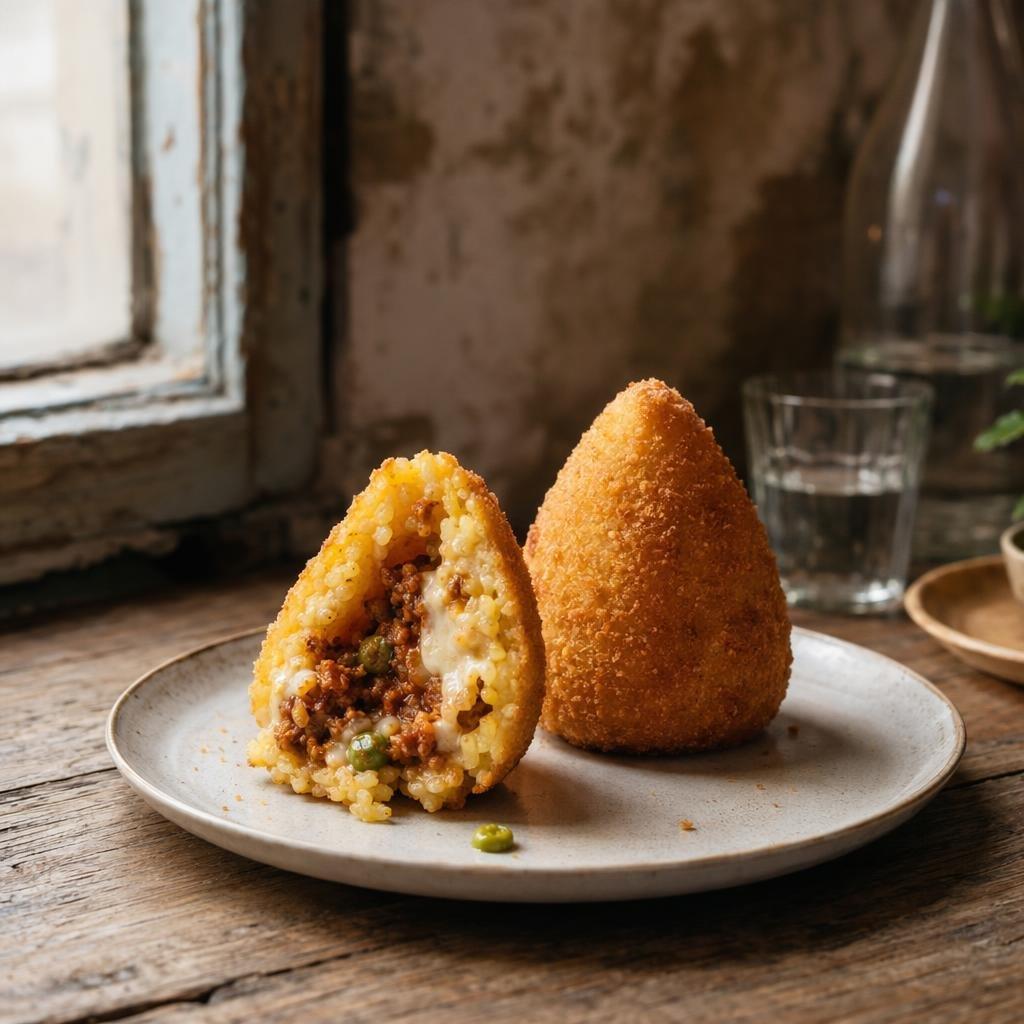
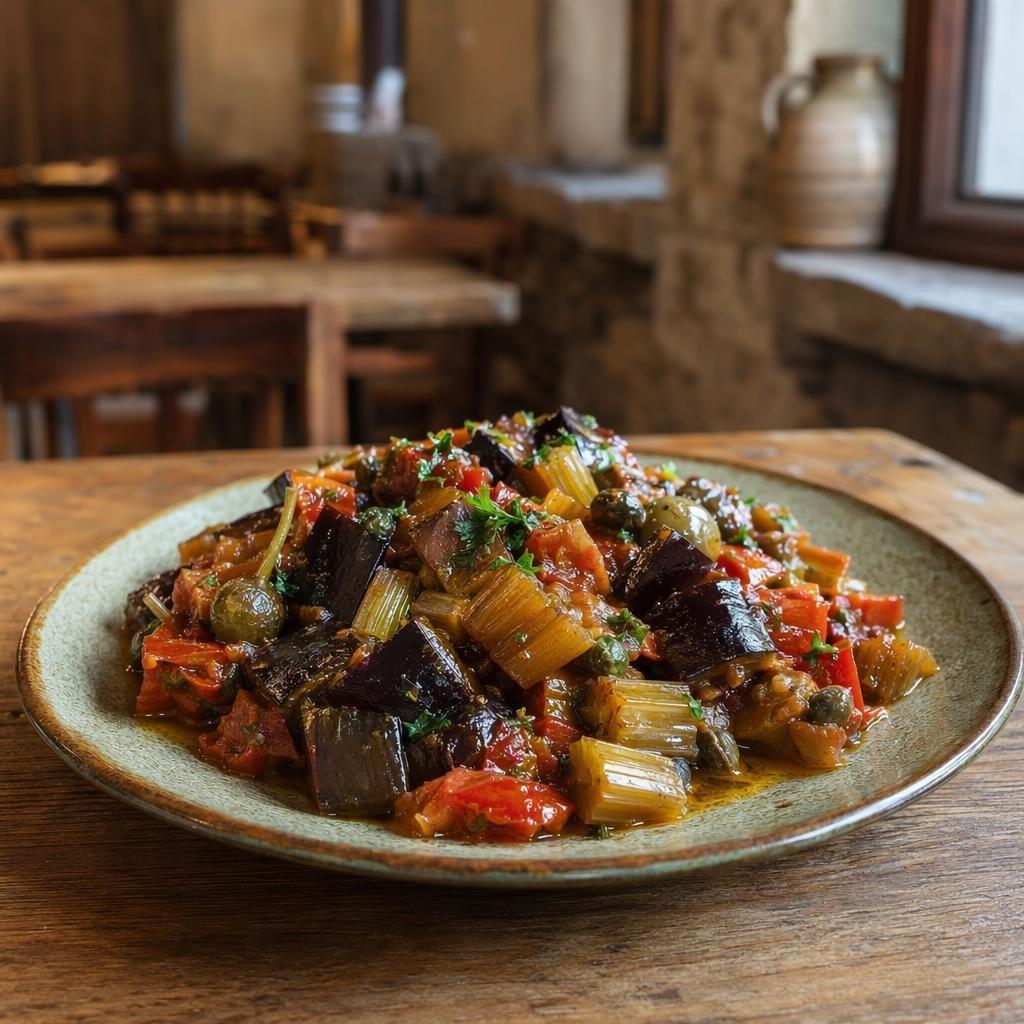
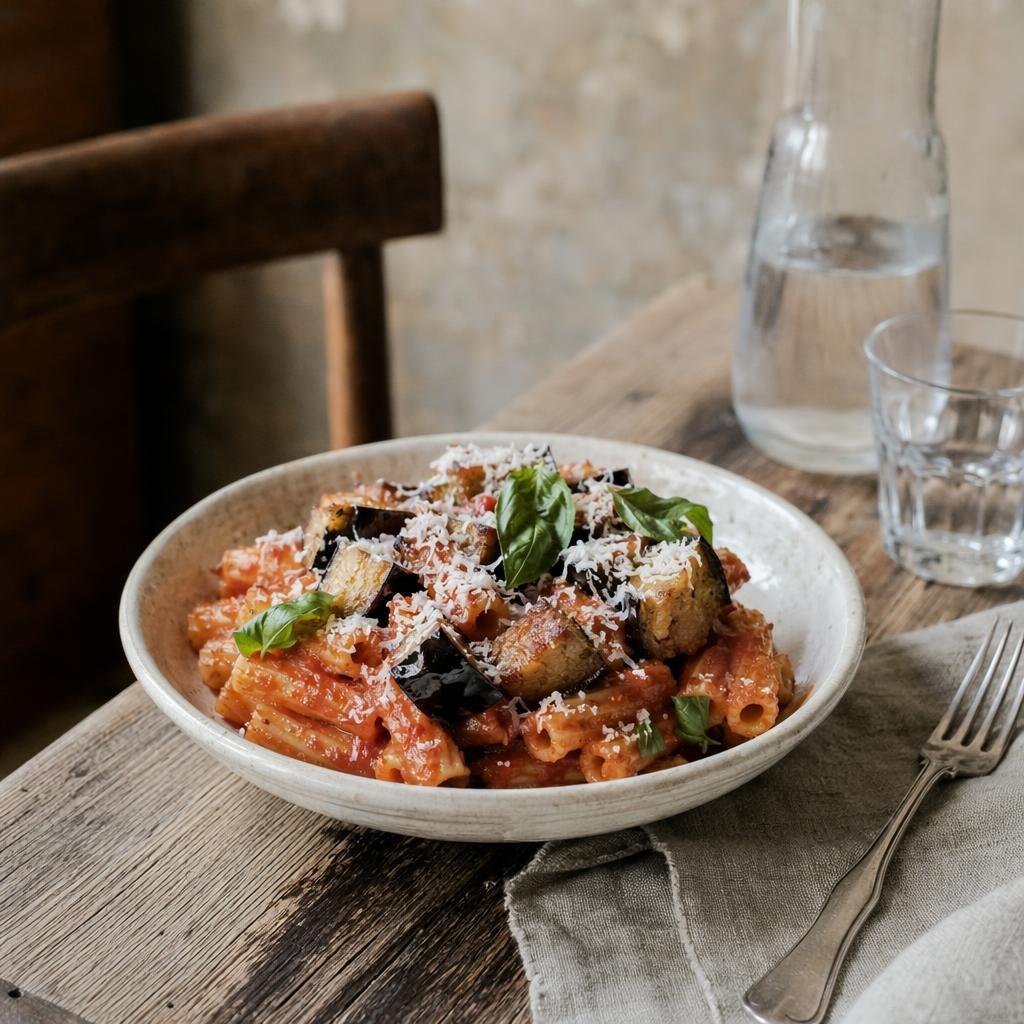
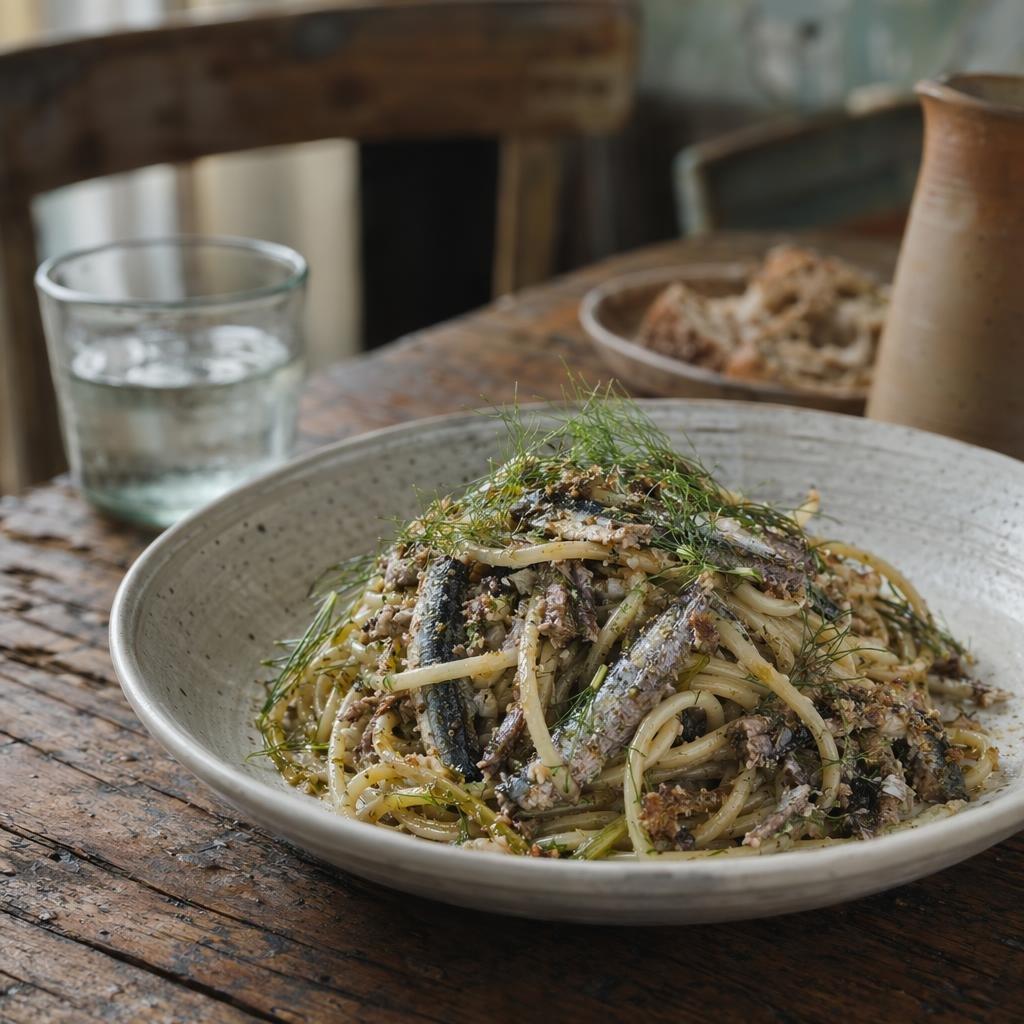
At the table, try arancino catanese, pasta alla Norma and, in spring, pasta con i masculini da magghia.
Lava, pistachios, and monasteries in Catania
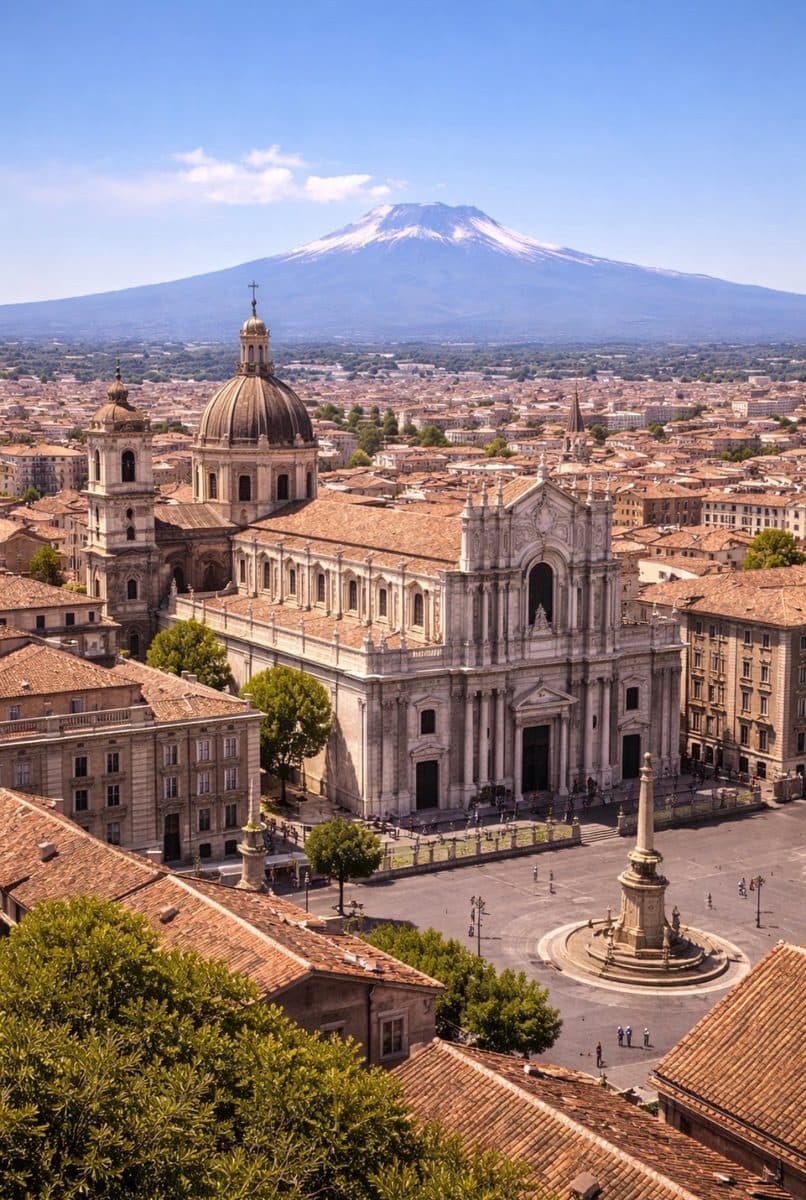
After the 1693 earthquake, Catania was rebuilt in lava stone: you can see it in the street paving stones, the Baroque palaces of the center, and the elephant of the Piazza Duomo fountain, which the people of Catania call u Liotru. Pistachio, dating back to the Arabs, adapted to the lava soils in Bronte. The pastries of the patron saint come from the monasteries: the shape of the minne recalls the martyrdom of Agatha, and the olivette, as the story goes, an episode of her escape. For the festival, from February 3 to 5, they fill the windows of the pastry shops.
What to read on Etna labels
On the bag of pistachio look for the wording Pistacchio Verde di Bronte DOP; in creams and pastries check the percentage of pistachio indicated on the label. Harvesting takes place only in odd-numbered years, between late August and September. On the oil bottle read Monte Etna next to the DOP symbol. Certified prickly pears bear the name Ficodindia dell'Etna DOP on the packaging. For lava stone items, ask the workshop where the stone was quarried and worked.
From Pescheria to Zafferana and Bronte
In the city, shopping is done at the historic markets: Pescheria, next to Piazza Duomo, for salted ricotta, prickly pears, and pistachio, and Fera 'o Luni in Piazza Carlo Alberto, where you will also find the woven baskets called panaru. Lava stone objects are found in craft shops between Piazza Duomo and Via Etnea. For honey and tea leaf biscuits, go up to Zafferana Etnea, on the eastern slope of the volcano; for pistachio, to Bronte.
Traveling with pastries, oil, and lava stone
Almond paste olivette travel well and cost between 15 and €30 per kilo. Minne, containing ricotta, should be eaten in the city: between 2 and €4 each. Pistacchio Verde di Bronte DOP ranges from 15 to €35 for about 200 g, Monte Etna DOP oil from 12 to €25: put the glass bottle in checked luggage, wrapped up. Zafferana honey costs between 8 and €18. A lava stone object ranges from 10 to €150 and is heavy: keep this in mind for your luggage weight.