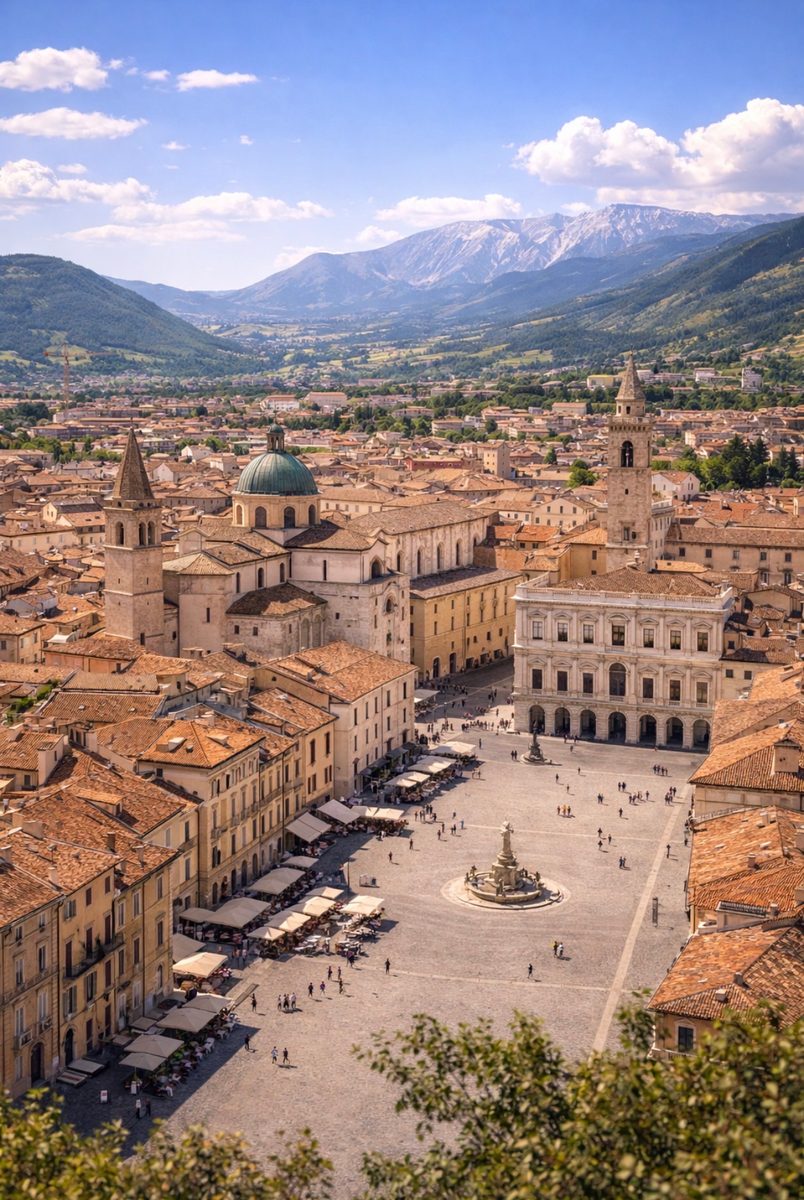
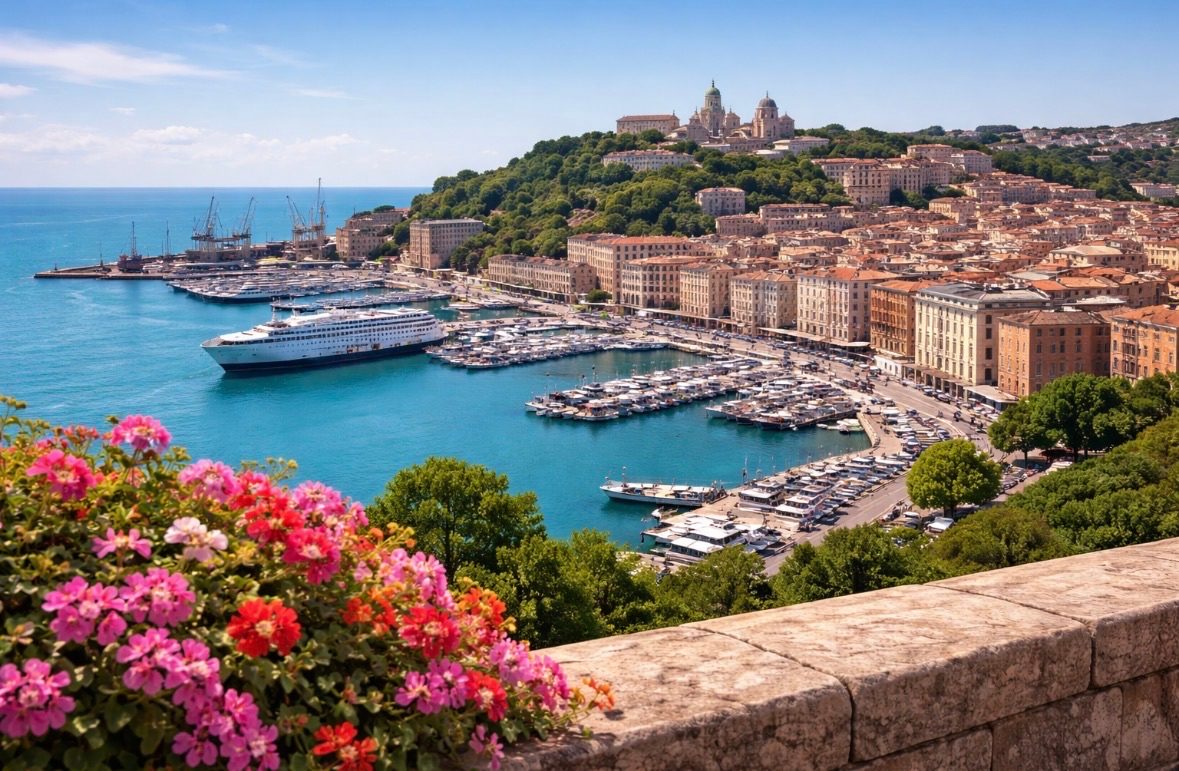
Cards with a name you can check, from Fontina DOP and three Valle d'Aosta designations to rye bread, tegole biscuits, and three objects in wood, iron, and lace.
TTrouvenir editors
Find what to bring home
Budget
Aosta's tourist stalls mix cheeses that have a European name with objects that do not. This guide keeps the purchases you can check against a product specification, recognition as a typical Valle d'Aosta product (PAT), or a village and a workshop. Carved wood with no object, generic Christmas decorations, generic felt, and soapstone with no named quarry are not on the list. Wine and spirits are not here either.
The pictures on these cards are AI-generated and are marked as such on the product page. They are not photographs of a shop counter.
1
Food
Fontina DOP
The registered name is Fontina alone. The PDO covers production, ageing, and portioning across the whole of Valle d'Aosta. The current specification allows whole milk that is raw or thermised, from Valdostan cattle breeds, and sets a minimum ageing of 80 days. The specification also provides the mentions «di Alpeggio» and «Lunga Stagionatura». In the shop, the casein plaque matters more than the word alpeggio on the sign.
The register writes Valle d'Aosta Fromadzo, in French Vallée d'Aoste Fromadzo (PDO since 1996). It is a cheese of partly skimmed cow's milk: the cream has been taken off, and the paste is drier than Fontina. On the label the name to read is Valle d'Aosta Fromadzo, in full.
A raw ham elaborated in Saint-Rhémy-en-Bosses, at the head of the Gran San Bernardo valley. The registered name is Valle d'Aosta Jambon de Bosses (PDO since 1996). The specification's dry cure lists salt, garlic, sage, rosemary, pepper, and local berries: thyme, repeated on many tourist cards, is not in that recipe. The pigs come from the regions the specification allows, not necessarily from the valley. In Aosta you buy a piece; the town where it is made is another stop.
In the register the spelling is Lard. The full name is Valle d'Aosta Lard d'Arnad, a PDO since 1996, elaborated only in the municipality of Arnad. Ageing happens in wooden doil. It is sliced thin and put on dark rye bread: at the table it is a starter.
Lean meat, salted and dried. Valle d'Aosta recognises it as a typical product (PAT) under two names, Mocetta and Motsetta - Motzetta. The counter names the animal that piece comes from. It is sliced thin, at room temperature, as a starter. The same counter holds Valle d'Aosta Jambon de Bosses DOP and Valle d'Aosta Lard d'Arnad DOP. Slow Food lists Motsetta in the Ark of Taste.
As a typical Valle d'Aosta product (PAT) its name is Pan ner, Pane nero. It is a dense rye loaf that mountain households kept for a long time, often dried. It goes with butter, toma, mocetta, or Lard d'Arnad. A bakery that can name the rye flour is the right one.
Thin, curved biscuits of hazelnuts, sugar, egg white and flour, often with almonds and vanilla, bent into a roof-tile shape while still hot. The regional tourism database traces them to Valle d'Aosta pastry cooks in 1930. They go with a cream, a gelato, or a hot chocolate.
Clogs hollowed from a block of wood, once a shoe for winter and mud. The regional note describes them as warm and dry. They show up at the Foire de Saint-Ours, on 30 and 31 January, and with the sabotiers of the Val d'Ayas. The hollowing shows on the sole.
Toma di Gressoney is a cow's-milk cheese from the summer pastures of the Lys valley, recognised as a typical Valle d'Aosta product (PAT). Slow Food lists it in the Ark of Taste. A travel piece is often €8–18. Toma di Gressoney card.
The lace of Cogne is bobbin lace. The cooperative Les Dentellières de Cogne shows it at the Maison di Pitz; in Aosta it appears at the Foire de Saint-Ours. Cogne lace card.
The forged campanaccio is the pasture bell, hammered in a forge and hung on a cow so the herd can be heard on the slope. Valley iron has a background in the mines of Cogne and Ussel. The Region documents the Sabofer workshop of Mauro Savin, with the «Coquettes» and «Dodues» models awarded at the Fiera di Sant'Orso. A bell is often €20–120, depending on diameter. Forged campanaccio card.
 1