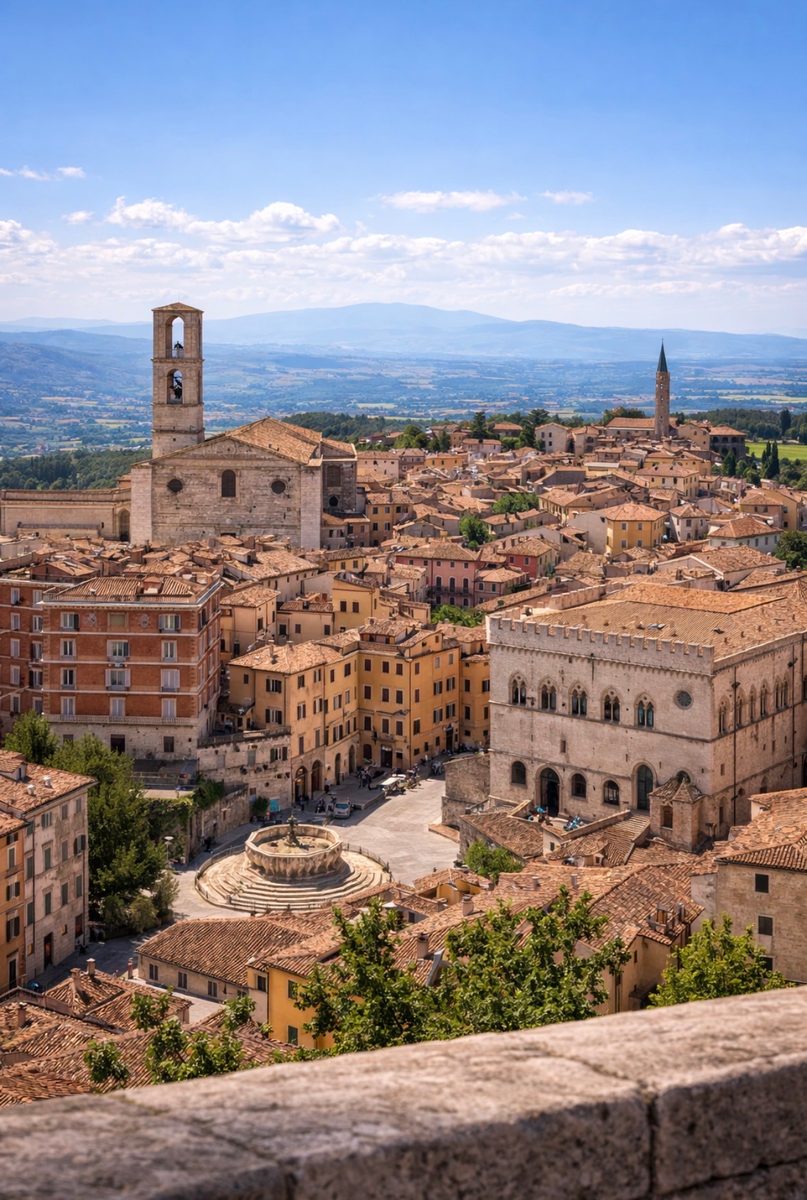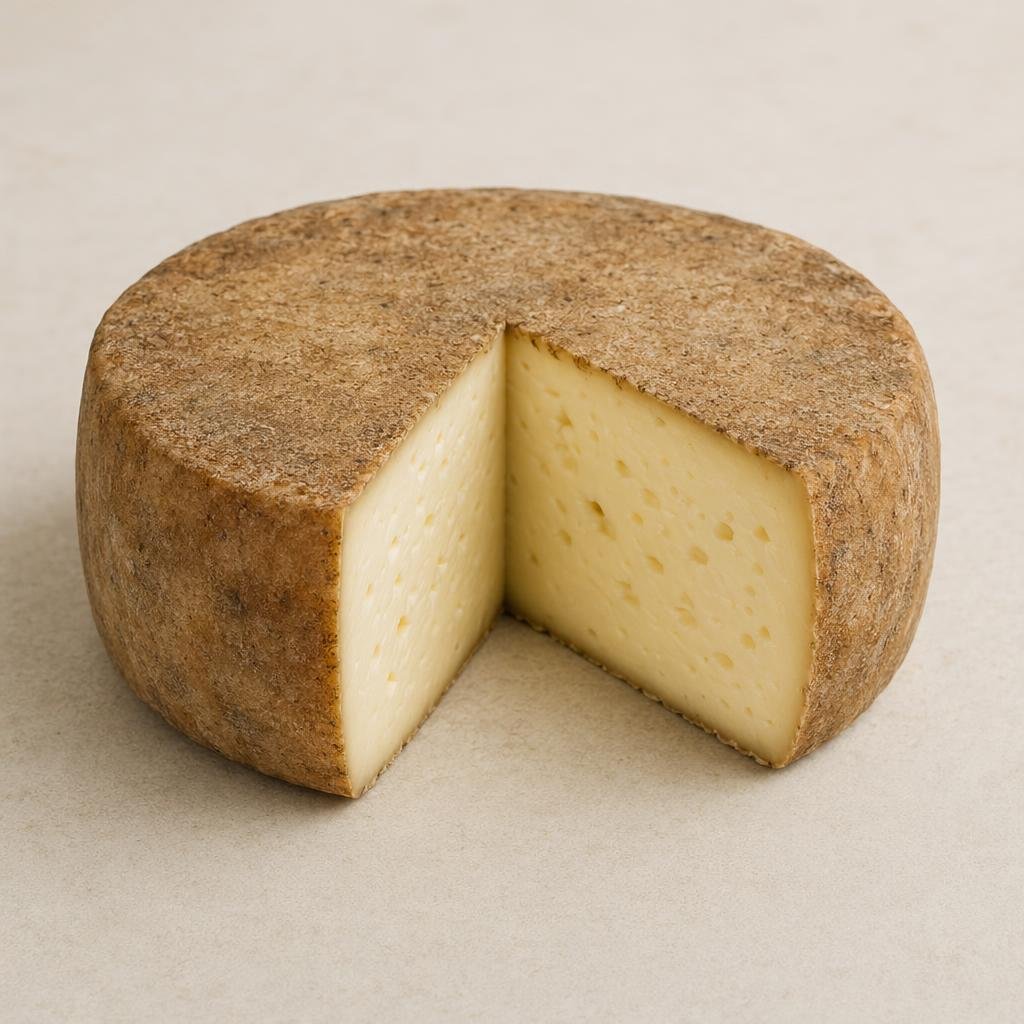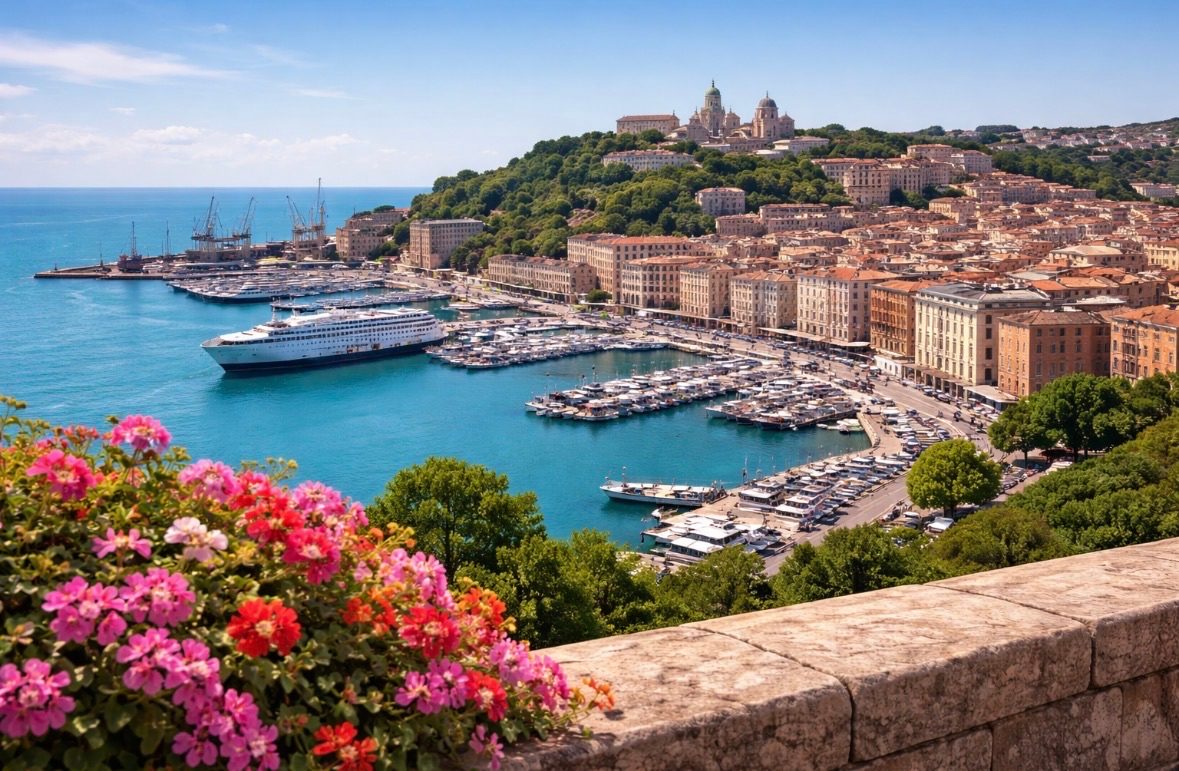
The best 7 souvenirs in Ancona
Stadtguide · Ancona

The best 7 souvenirs in Ancona

8 min · 7 souvenirs

Discover the 7 souvenirs from Ancona selected by Trouvenir: handmade Fabriano paper, the Castelfidardo accordion, Monte Conero honey, paccasassi, Ancona-style stockfish, brodetto and the wild mussel of Portonovo.

Die Geschenke aus diesem Guide, auch bei Amazon

  1. Carta artigianale di FabrianoAmazon
  2. Fisarmonica di CastelfidardoAmazon
  3. Miele del Monte ConeroAmazon

Amazon-Affiliate-Link

Find what to bring home

Budget

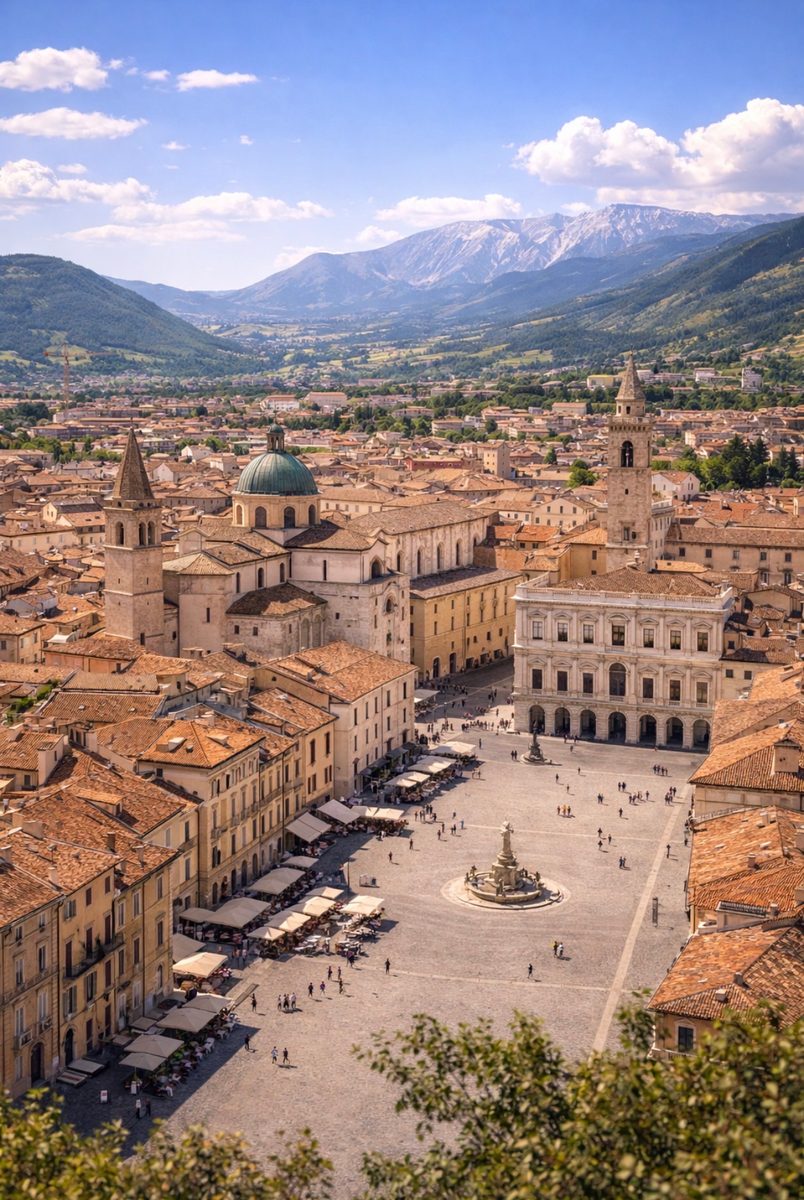
Ancona is a port city that tells its story through very specific objects and flavours: handmade paper from the hinterland, a musical instrument that made a small nearby town famous, honey and herbs from the cliffs of the Conero, two seafood recipes you can cook at home, and a wild mussel that today is above all something to know about and protect.

This guide collects the Ancona souvenirs selected and reviewed by the Trouvenir app: for each one you'll find historical context, indicative prices and where to find it. Where a product has a recognised protection (Ark of Taste, Presidium) or has none (no PDO or PGI), we say so plainly.

Carta artigianale di Fabriano1
Crafts

Carta artigianale di Fabriano

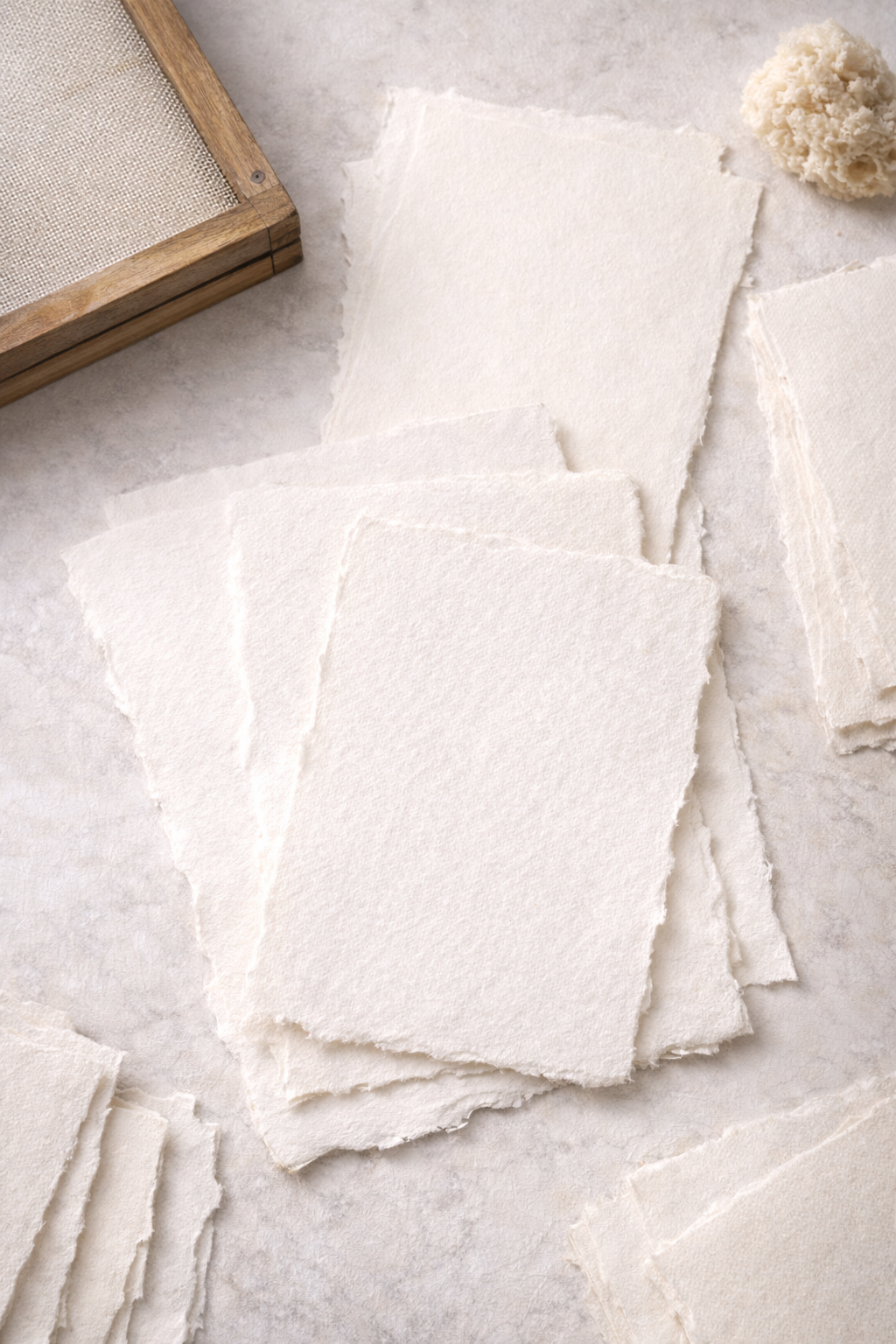
Handmade Fabriano paper is a high-quality paper produced with historic techniques dating back to the Middle Ages. It is often made from cotton fibres or selected rags and may feature deckled edges, watermarks and a surface ideal for writing, fine-art printing and watercolour. Sheets are sold individually or in small pads, folders or bound notebooks. To the touch it is thick, slightly textured and very resistant, qualities that made it famous among artists and printers.

€5–40

"Fabriano" is also a registered trademark of the Fedrigoni group. In this guide the name refers to paper made by hand in the town of Fabriano and in the workshops of its district, with no commercial relationship to Trouvenir.

Why it's special: Fabriano's paper industry played a fundamental role in the development of European written culture. From the 13th century, local craftsmen introduced decisive innovations such as the watermark and sizing techniques that improved paper quality, making Fabriano one of the most influential papermaking centres in the Mediterranean and then in all of Europe.

Where to find it: in Ancona at independent bookshops, fine-art supply stores and shops selling regional crafts. Inland, the town of Fabriano has historic stationers and the Museo della Carta e della Filigrana.

Amazon-Affiliate-Link
Fisarmonica di Castelfidardo2
Crafts

Fisarmonica di Castelfidardo

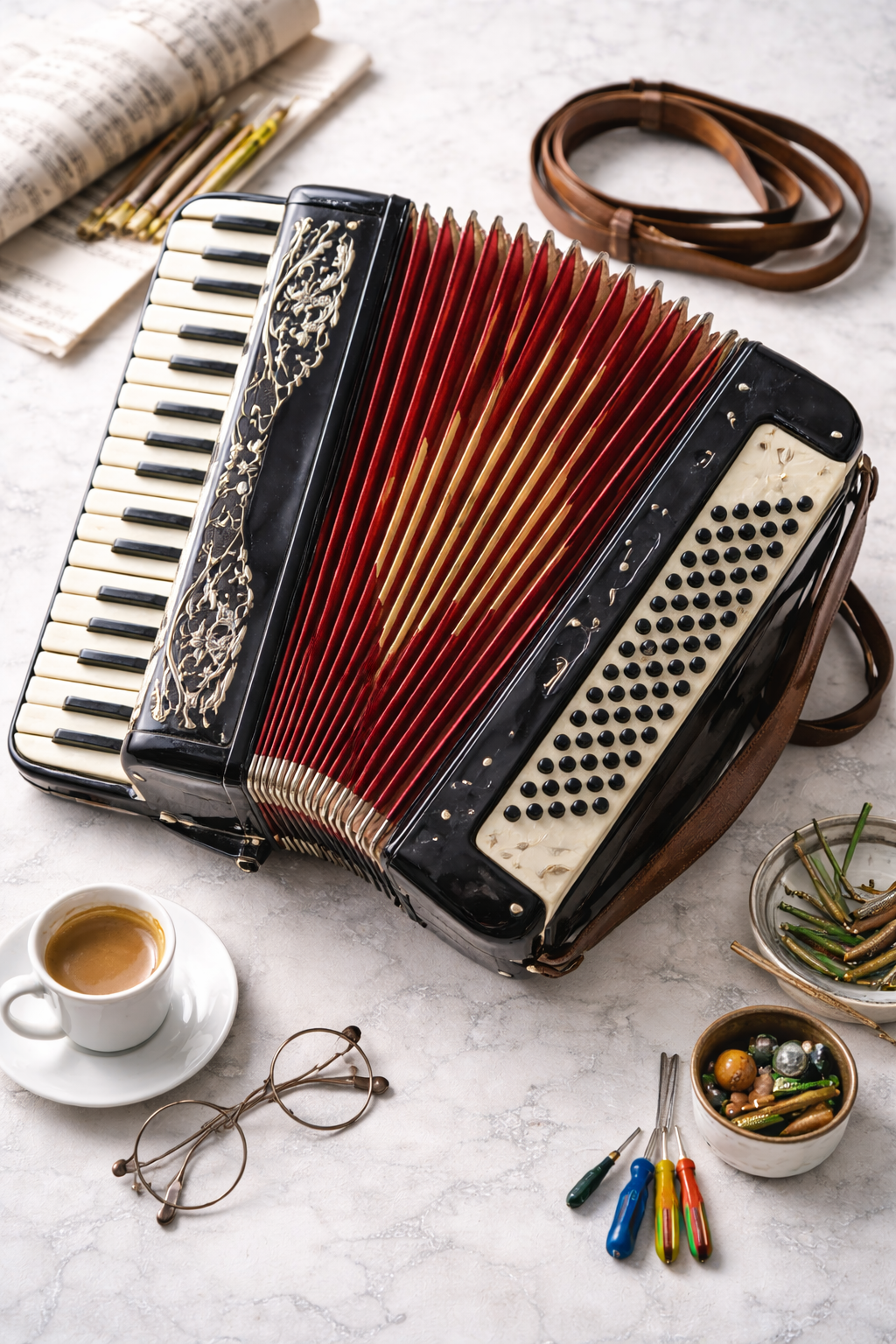
The Castelfidardo accordion is a handcrafted musical instrument built in a small town in the Marche about half an hour from Ancona, often described for over a century as the world capital of this instrument. It consists of a central bellows and two sound boxes with keys or buttons. The instruments made here are known for the quality of their materials, mechanical precision and elegant decoration.

€300–5,000

Why it's special: the accordion is deeply tied to Italian and European popular music, from dance halls and folk to tango and concert music. Over time Castelfidardo became a worldwide reference point for the instrument and still hosts international festivals and competitions.

History: accordion making in Castelfidardo began in the second half of the 19th century. According to the most widespread account, the first local craftsman was Paolo Soprani, who started building accordions inspired by a model that reached the area through travelling merchants and musicians. During the 20th century the town became one of the main production hubs in the world.

Where to find it: directly from the workshops and historic firms of Castelfidardo, many of which still build instruments by hand. The Museo Internazionale della Fisarmonica displays historic models.

Amazon-Affiliate-Link

Miele del Monte Conero3
Food

Miele del Monte Conero

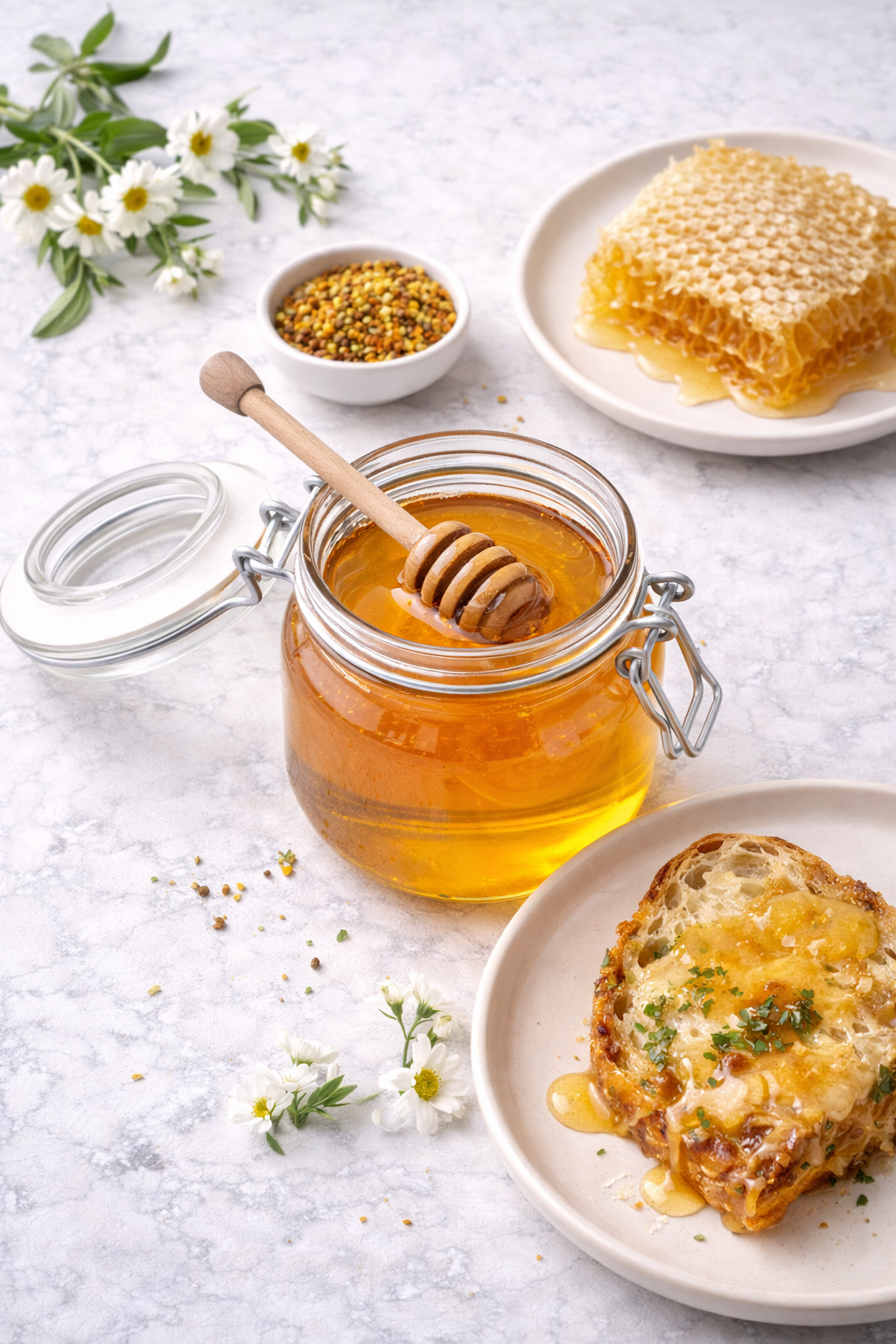
Monte Conero honey comes from apiaries inside and around the Conero Natural Park, the promontory overlooking the coast south of Ancona. The bees gather nectar from a rich Mediterranean flora: strawberry tree, sulla, acacia, scrubland wildflowers and wild aromatic plants. The result is an intense, fragrant honey whose nuances change with the season and the blooms.

€8–20 per jar (about 250–500 g)

"Monte Conero honey" is not a PDO or PGI designation. It simply indicates the area where the bees gather nectar.

Why it's special: it reflects the biodiversity of one of the few rocky promontories on Italy's Adriatic coast, a protected natural area. For the local community it also represents a small but meaningful agricultural economy.

Where to find it: in Ancona's regional-food shops and in the Conero villages of Sirolo, Numana and Camerano; many farm stays and beekeepers sell it directly.

Amazon-Affiliate-Link

Paccasassi del Conero (finocchio marino)4
Food

Paccasassi del Conero (rock samphire)

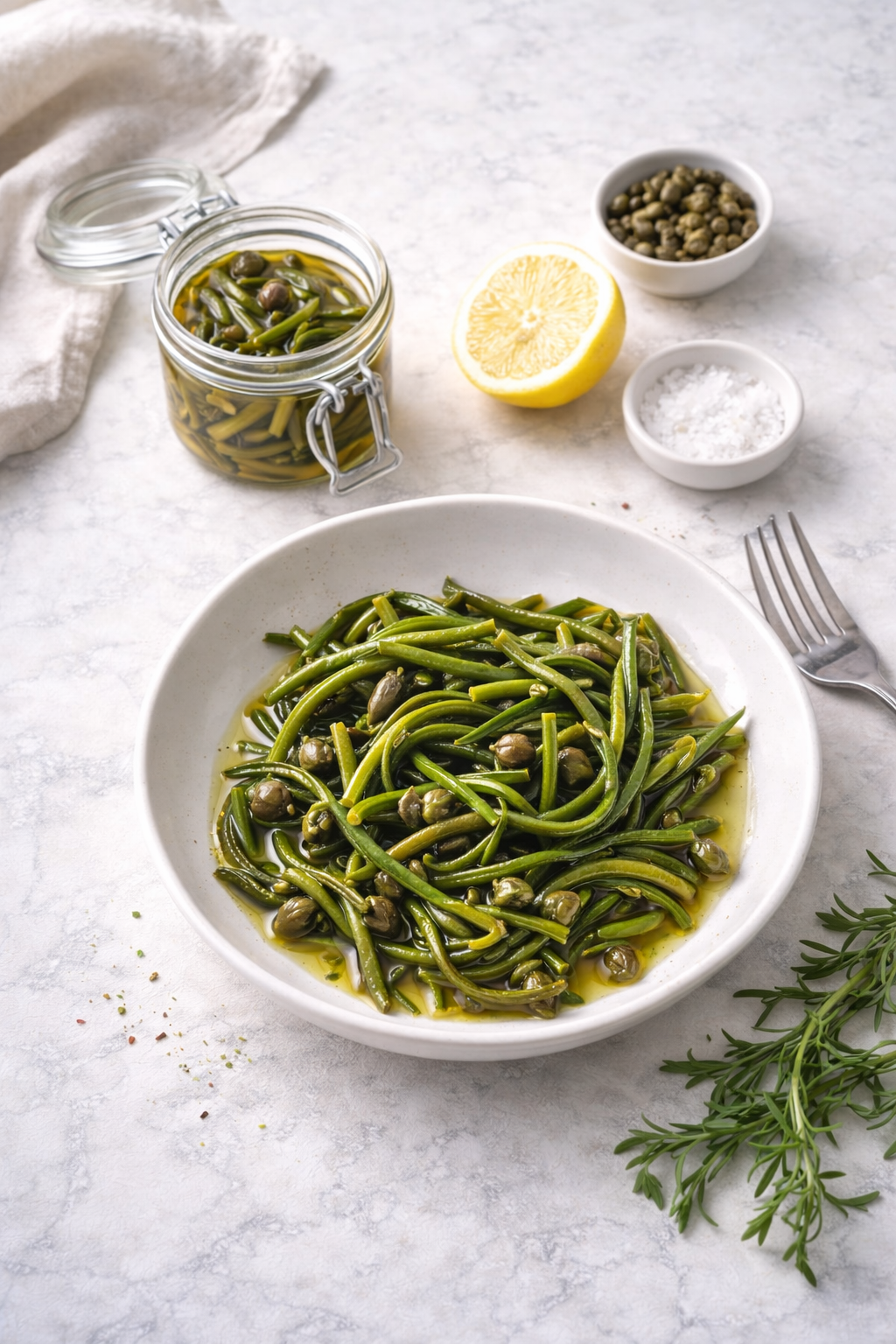
Paccasassi are the shoots of rock samphire (Crithmum maritimum), a plant that grows wild among the rocks of the Monte Conero cliffs. They have fleshy, jagged leaves with an intense aromatic flavour recalling fennel, celery and citrus at once. They are preserved in oil or vinegar and used as an antipasto, in sandwiches, salads, or alongside fish and cured meats.

€6–12 per jar

along the Conero coast rock samphire is a protected species and wild harvesting inside the Park is not permitted. The jars on sale come from cultivated plants: this is a product you buy, not one you forage.

Why they're special: for a long time they were gathered by fishermen and coastal residents as a wild herb to preserve for winter. Today they are a gastronomic symbol of the Riviera del Conero and are listed in Slow Food's Ark of Taste, a catalogue of food biodiversity (not a Presidium).

Where to find them: in regional-food shops in Ancona and along the Riviera del Conero, and in delicatessens alongside other Marche specialities.

Amazon-Affiliate-Link

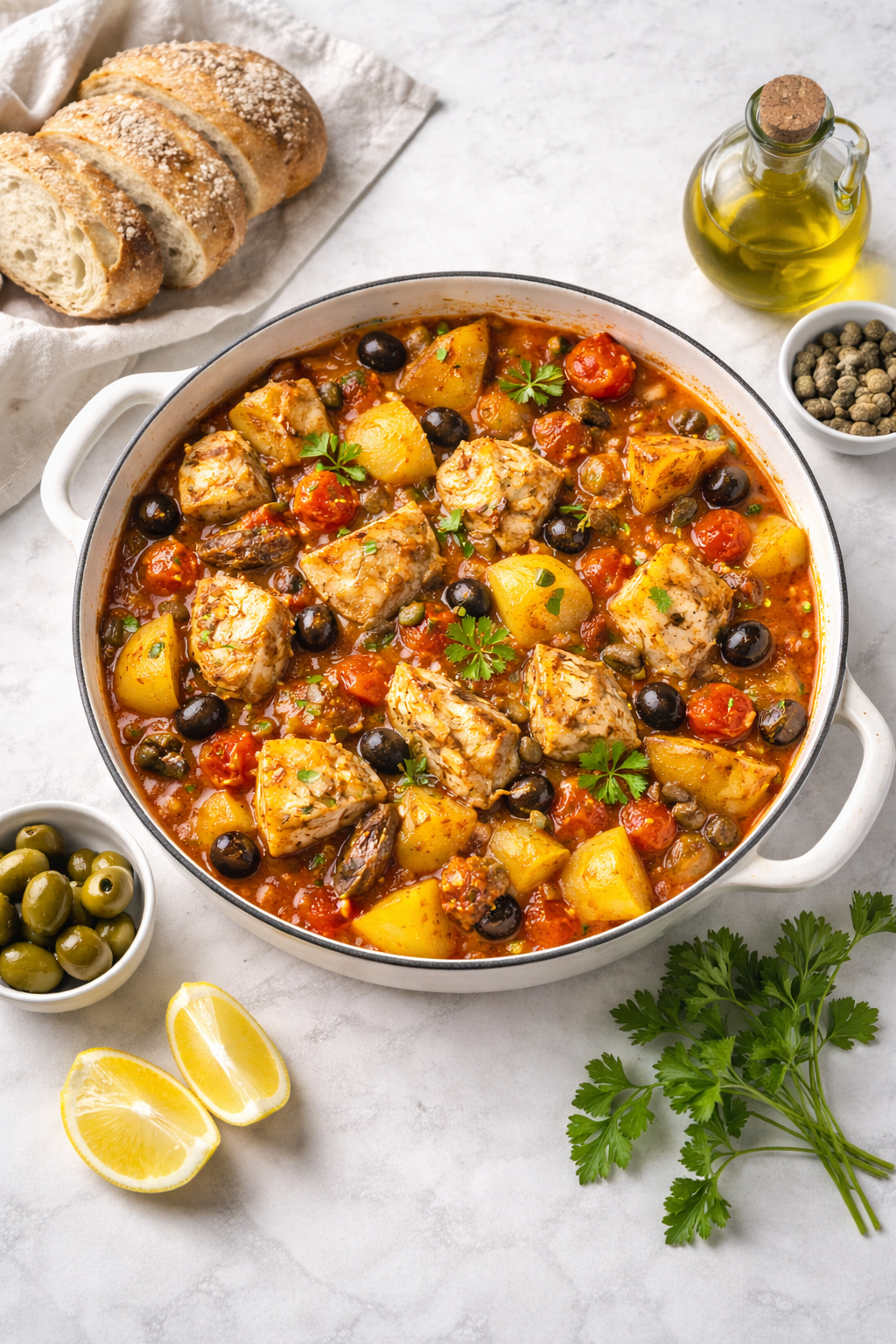
Stoccafisso all’anconitana5
Food

Stoccafisso all’anconitana

Ancona-style stockfish is one of the most recognisable dishes of Marche seafood cooking. It is made with soaked stockfish slowly cooked with potatoes, tomato, extra-virgin olive oil and herbs; many versions also include white wine, olives, garlic and parsley. As a souvenir it is found in Ancona's delicatessens and food shops as a ready-made preserve or as pre-soaked stockfish with the selected ingredients to cook it at home.

€10–35

Why it's special: its place in local cooking bears witness to the historic role of the port and the maritime trade linking the Adriatic with Northern Europe. The Accademia dello Stoccafisso all’Anconitana keeps the recipe in a written code of practice, and the name used here follows the Accademia's spelling.

History: stockfish, dried cod from Northern Europe, reached Ancona through the port's maritime trade and was reinterpreted with Mediterranean ingredients until it became a distinctive dish of the city, handed down in families and trattorias.

Where to find it: in historic delicatessens, regional-food shops and some fishmongers in the centre and the port area; at city food events such as "Stoccafissando".

Amazon-Affiliate-Link

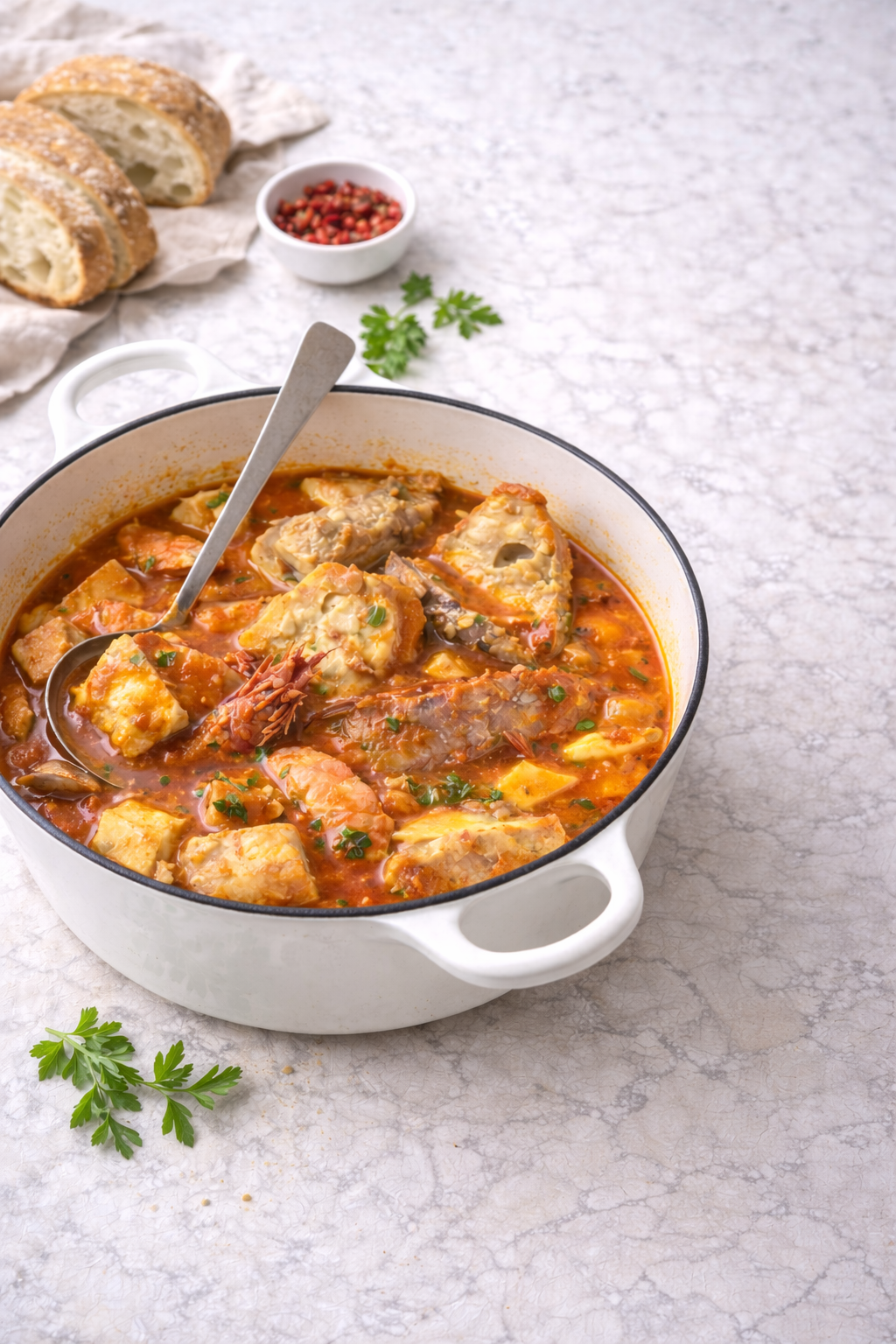
Brodetto all’anconetana6
Food

Brodetto all’anconetana

Brodetto all’anconetana is the historic fish soup of the Ancona coast, made with several species of Adriatic fish cooked in a tomato and vinegar sauce. The Ancona version is one of the most recognisable of the Adriatic brodetti and uses many different fish, often including less prized but very flavourful varieties. As a souvenir it comes as a jarred preparation or base for brodetto, or as a recipe book devoted to Ancona cooking.

€8–25

Why it's special: it began as a fishermen's dish, made by cooking together the species left unsold. That practice produced a collective recipe, handed down in families and in the port's restaurants, and today described by the Marche Region among the identity dishes of regional cooking. It has no PDO, PGI or TSG designation.

History: like many Mediterranean seafood dishes, brodetto most likely arose in the fishing communities of the Adriatic; no precise dating is documented. Each coastal town developed its own variant: Ancona's stands out for the number of species used and the balance between tomato and acidity.

Where to find it: in Ancona, brodetto is first of all a seafood-trattoria dish. As a souvenir, preparations and bases are sold by local delicatessens and Marche food shops; some bookshops sell small dedicated recipe books.

Amazon-Affiliate-Link

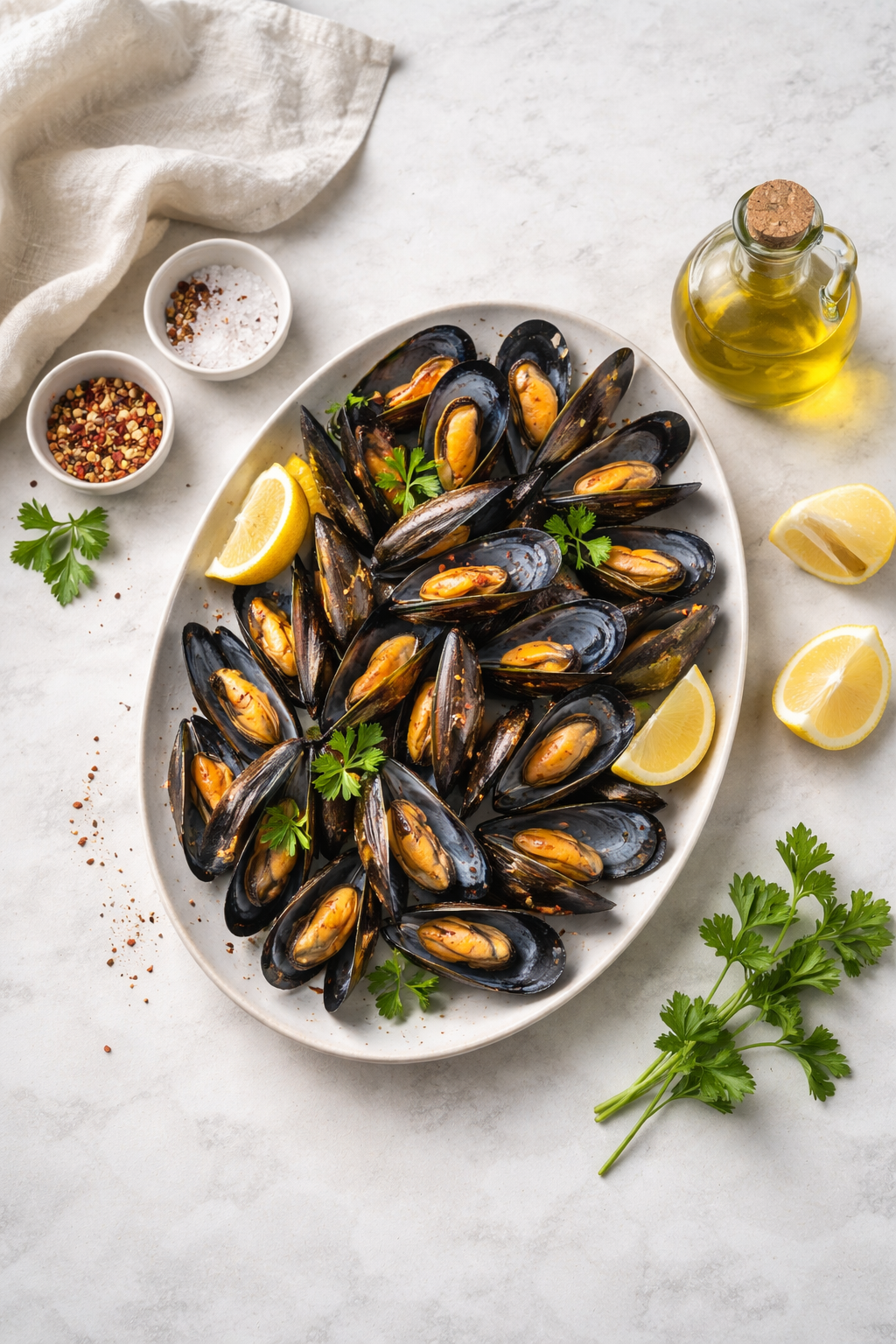
Mosciolo selvatico di Portonovo7
Food to know about not to buy

Mosciolo selvatico di Portonovo

The wild mussel of Portonovo is the mussel (Mytilus galloprovincialis) that grows spontaneously on the rocks of Monte Conero in the bay of Portonovo, within the municipality of Ancona. Unlike farmed mussels it is not cultivated but gathered by hand, by diving, by local professional fishermen, in an area subject to specific rules and protections.

it is not a product to take home or to seek out. Production is minimal, the fishing season is regulated and changes every year according to the state of the resource. In this guide the mosciolo is a story to carry with you: that of a protected bay and a community that chose to stop so as not to lose the species.

Why it's here: it is one of the symbols of the Ancona coast and of the Conero fishing community. Slow Food recognised it as a Presidium in 2004; in June 2025 the association suspended the Presidium until a real recovery of the species is observed, threatened by rising temperatures, mucilage and over-exploitation, and called for a halt to fishing.

Amazon-Affiliate-Link

What about the wines?

The province of Ancona is also home to historic wine designations — Rosso Cònero DOC, Verdicchio dei Castelli di Jesi and Lacrima di Morro d’Alba — that tell the story of the hills between the sea and the hinterland. They are not part of this souvenir selection: Trouvenir does not present alcoholic drinks as products to buy.

How to recognise a typical souvenir in Ancona

Typical products from Ancona are found in artisan workshops, neighbourhood markets and directly from producers, not in tourist shops in the city centre.

Practical rule

if a product has no indication of origin, producer or production method, it's probably not what it seems. And if a label promises a protection (PDO, PGI, Presidium) that this guide does not mention, it's worth checking.

Use Trouvenir to find the workshops flagged near you, with details on products, prices and provenance.

In Ancona?

Open Ancona in the app and find workshops near you

Read next