 15-60 €
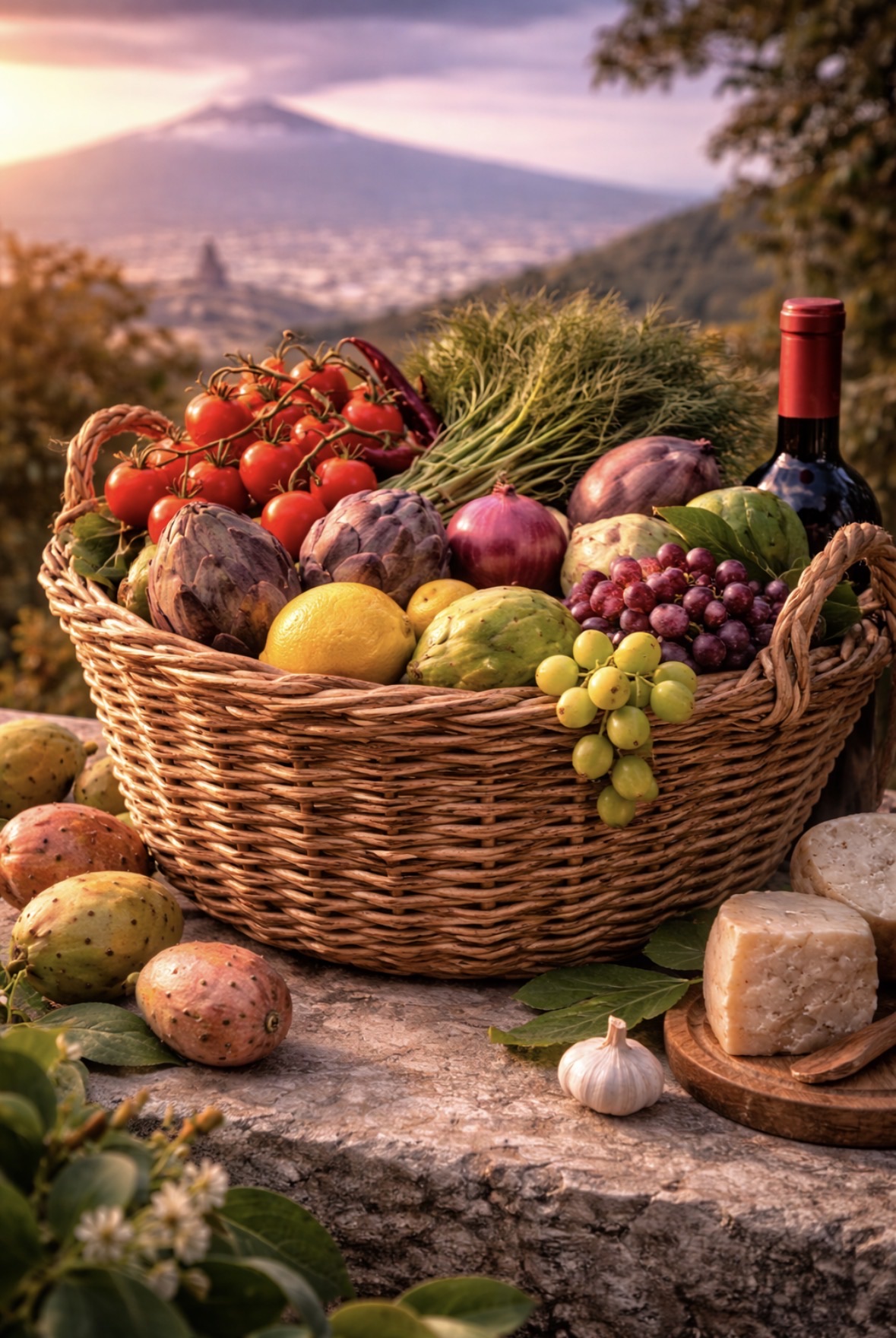
Woven agricultural basket from the Etna area (panaru) in Catania
The woven agricultural basket, often locally called “panaru”, is made with plant fibers such as reed, rush, or wicker gathered in the countryside and woven by hand. The structure is flexible yet sturdy, designed to carry weight and to be easily transported during harvest. Its shape is simple and functional: a stable base, high sides, and a tight weave that protects the contents. Each piece shows small variations in the pattern and curvature, marks of manual work and the artisan’s experience.
Verified shops arrive in the app
Why Woven agricultural basket from the Etna area (panaru) is the ideal souvenir of Catania
Bringing home a woven basket from the Etna area means choosing an object that tells the story of the concrete relationship between Catania and its agricultural landscape. It is not a purely decorative souvenir: it can be used at home for fruit, bread, plants, or everyday items, keeping its original function alive. It is particularly suited to those who appreciate natural materials, simple craftsmanship, and stories connected to manual work. Unlike many urban souvenirs, this object points to the rural dimension that sustains the life of the city. Over time it also becomes a tangible reminder of the markets, citrus groves, and black lava fields that surround Catania.
The message behind Woven agricultural basket from the Etna area (panaru)
This basket carries the idea that the most essential objects can tell the story of an entire territory. It recalls a culture in which the relationship with the land and the seasons was organized through simple yet durable tools. Giving or keeping a panaru means recognizing the value of manual work and the practical knowledge passed down over time.
Origin and history of Woven agricultural basket from the Etna area (panaru)
The weaving of plant fibers is a technique widespread for centuries in Sicilia, encouraged by the availability of reeds and rushes in wetlands and along agricultural margins. In the Etna area these materials were gathered, dried, and worked to create baskets used in the fields and for transporting produce to city markets. Over time, basket shapes adapted to different agricultural uses, from citrus harvesting to the grape harvest. Although many industrial containers have now replaced these objects, the weaving tradition survives in some artisanal productions and rural contexts.
Cultural significance of Woven agricultural basket from the Etna area (panaru)
The woven basket represents a tangible part of the agricultural work culture around Etna. It is an everyday tool used to collect citrus fruits, olives, vegetables, and grapes, reflecting an economy based on seasonality and careful manual cultivation. Its presence in markets and rural areas recalls how the urban life of Catania has historically been tied to the fertility of the surrounding volcanic land. In this simple object one can recognize practical knowledge passed down through generations of farmers and artisans.
Where to find Woven agricultural basket from the Etna area (panaru) in Catania
They can be found in the historic markets of Catania such as the Pescheria or the Fera 'o Luni, where they are sometimes sold alongside agricultural tools and local products. Some artisans and street vendors from the Etna area, especially in the foothill towns, still offer them during fairs, festivals, and farmers’ markets. They can also be found in traditional craft shops or stores that celebrate Sicilian rural culture.
Get the full verified list — map, hours, reviews — for Woven agricultural basket from the Etna area (panaru) in Catania.
More authentic souvenirs of Catania
Go deeper on Woven agricultural basket from the Etna area (panaru)
Unlock the full editorial dossier, certified shops with maps and opening hours, and related cultural paths.
- Certified shops nearby
- Full origin story
- Related souvenirs & paths
Free · iOS and Android · No subscription
Questions about Woven agricultural basket from the Etna area (panaru)
What makes Woven agricultural basket from the Etna area (panaru) authentic?
The woven basket represents a tangible part of the agricultural work culture around Etna. It is an everyday tool used to collect citrus fruits, olives, vegetables, and grapes, reflecting an economy based on seasonality and careful manual cultivation. Its presence in markets and rural areas recalls how the urban life of Catania has historically been tied to the fertility of the surrounding volcanic land. In this simple object one can recognize practical knowledge passed down through generations of farmers and artisans.
Where to find Woven agricultural basket from the Etna area (panaru) in Catania?
They can be found in the historic markets of Catania such as the Pescheria or the Fera 'o Luni, where they are sometimes sold alongside agricultural tools and local products. Some artisans and street vendors from the Etna area, especially in the foothill towns, still offer them during fairs, festivals, and farmers’ markets. They can also be found in traditional craft shops or stores that celebrate Sicilian rural culture.
How much does Woven agricultural basket from the Etna area (panaru) cost?
15-60 €
Why choose Woven agricultural basket from the Etna area (panaru) as a gift?
This basket carries the idea that the most essential objects can tell the story of an entire territory. It recalls a culture in which the relationship with the land and the seasons was organized through simple yet durable tools. Giving or keeping a panaru means recognizing the value of manual work and the practical knowledge passed down over time.
Take Trouvenir with you
iOS and Android. Free with a one-time Premium option. No subscription.