Turin in seven things to take home
3 min read
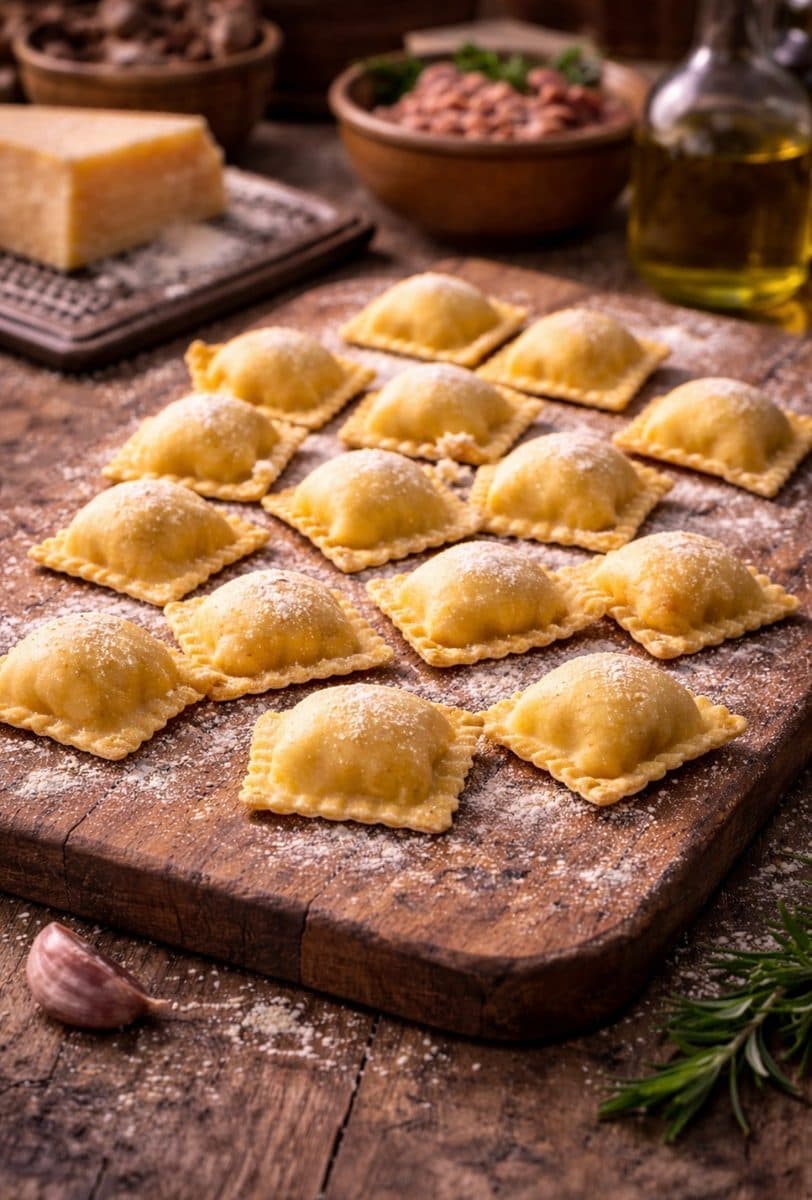
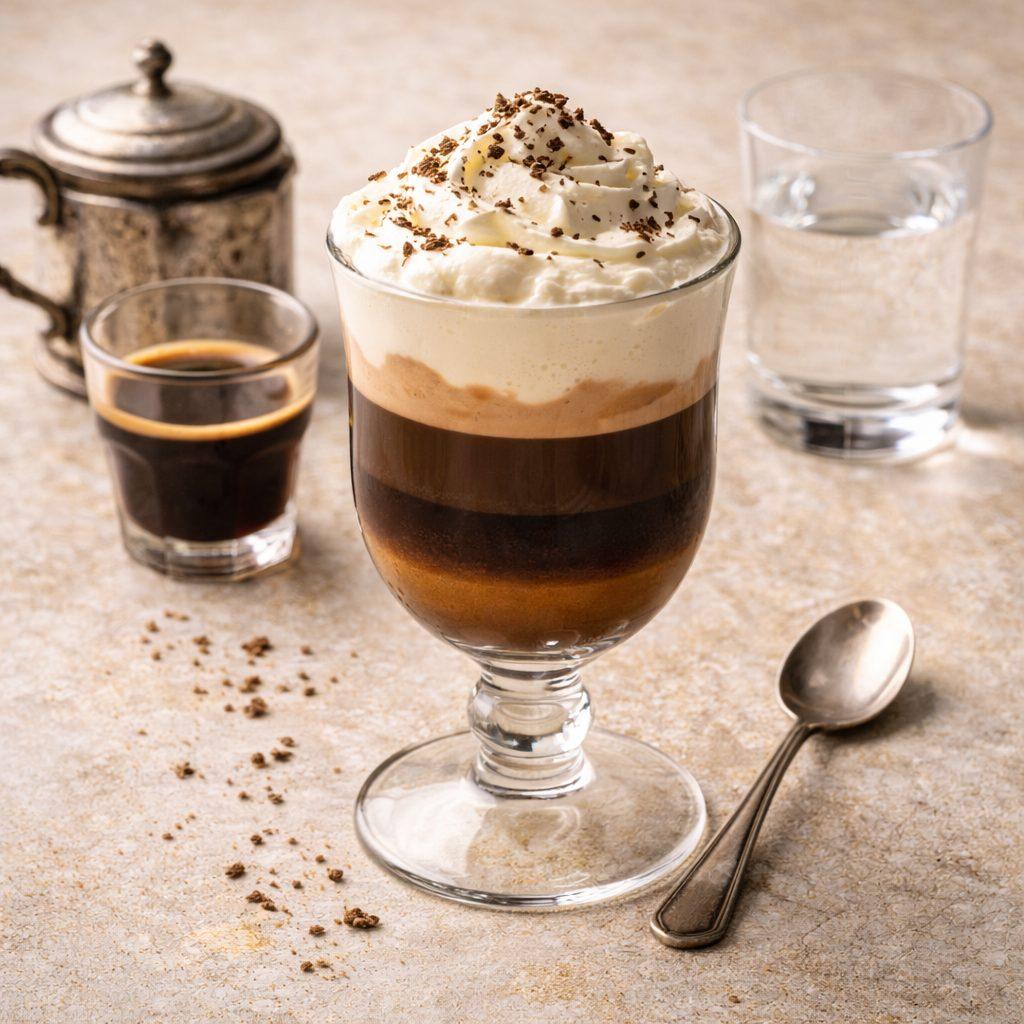
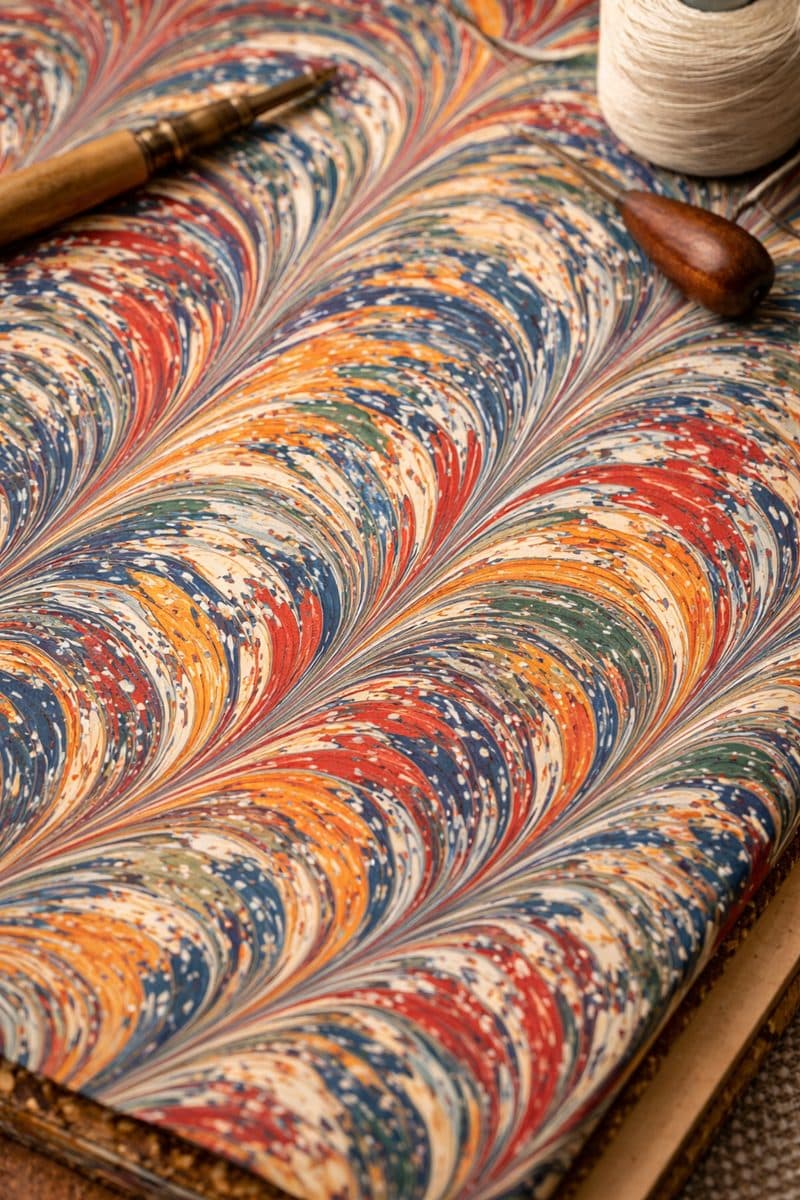
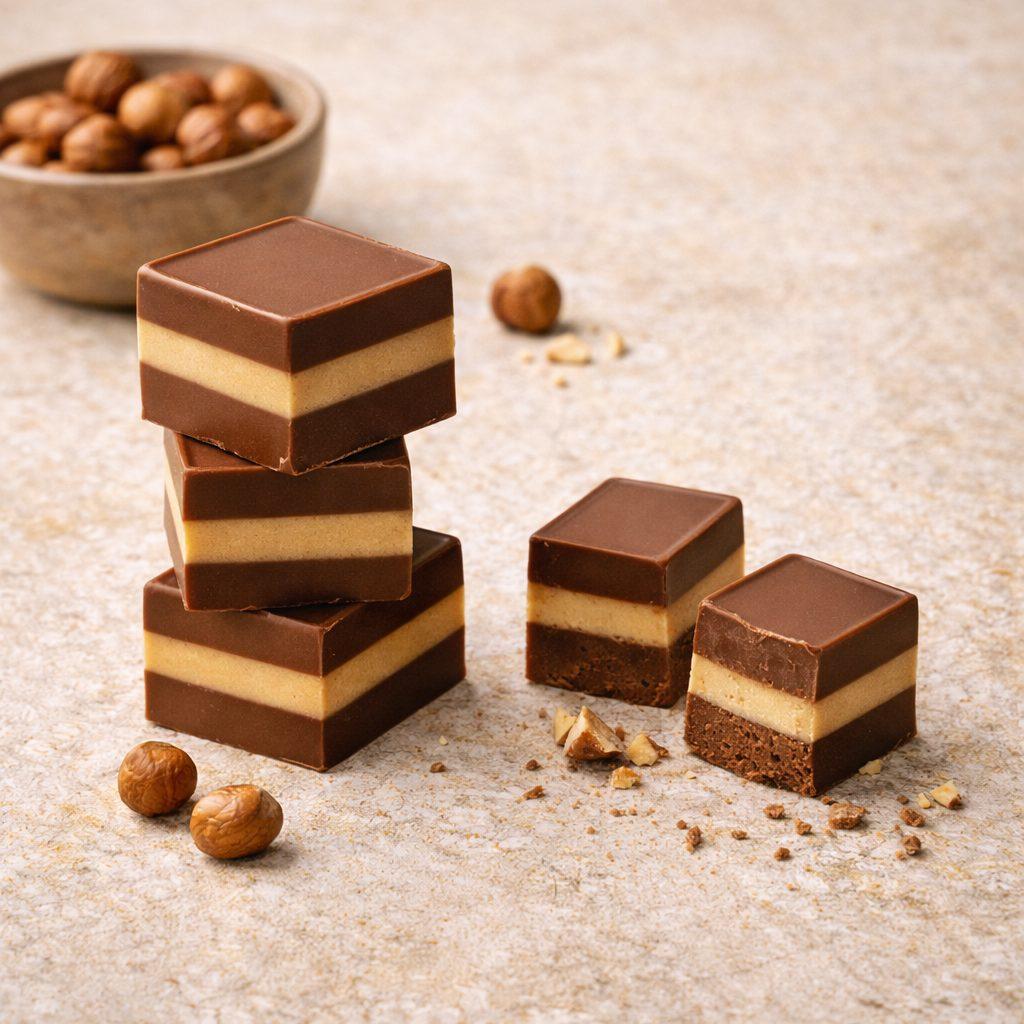
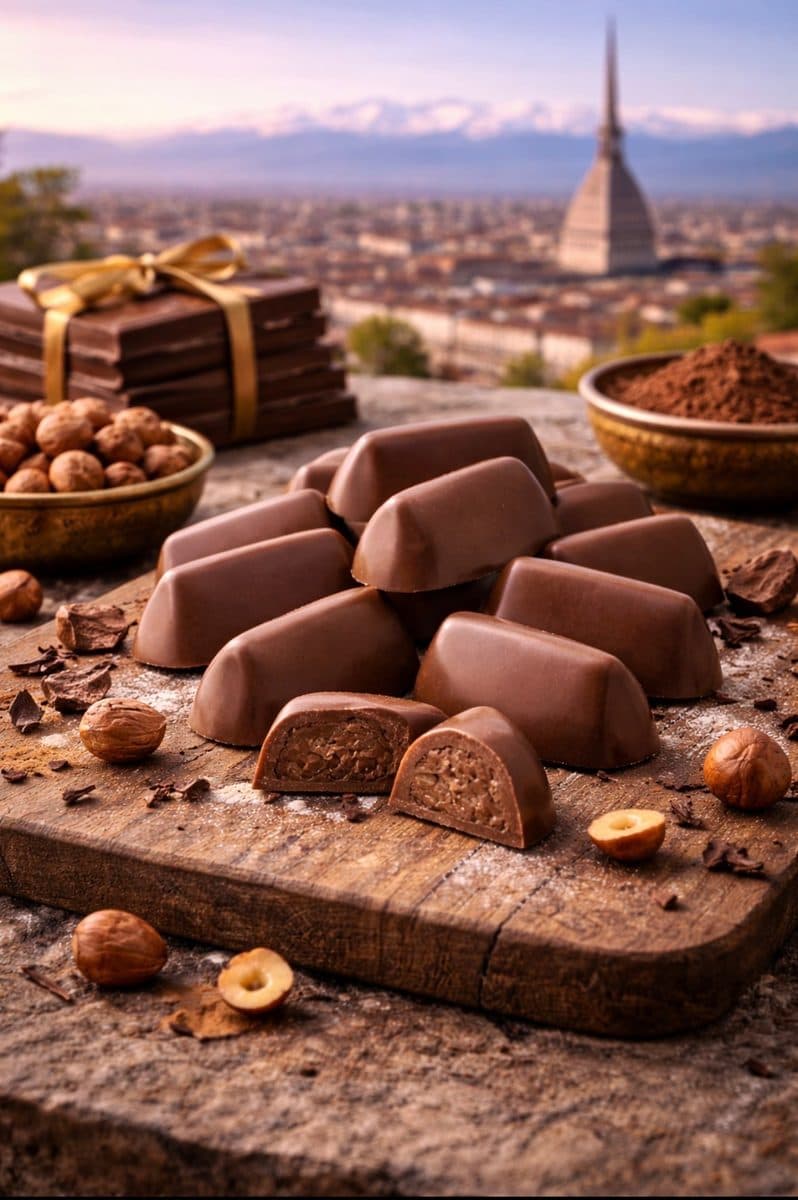
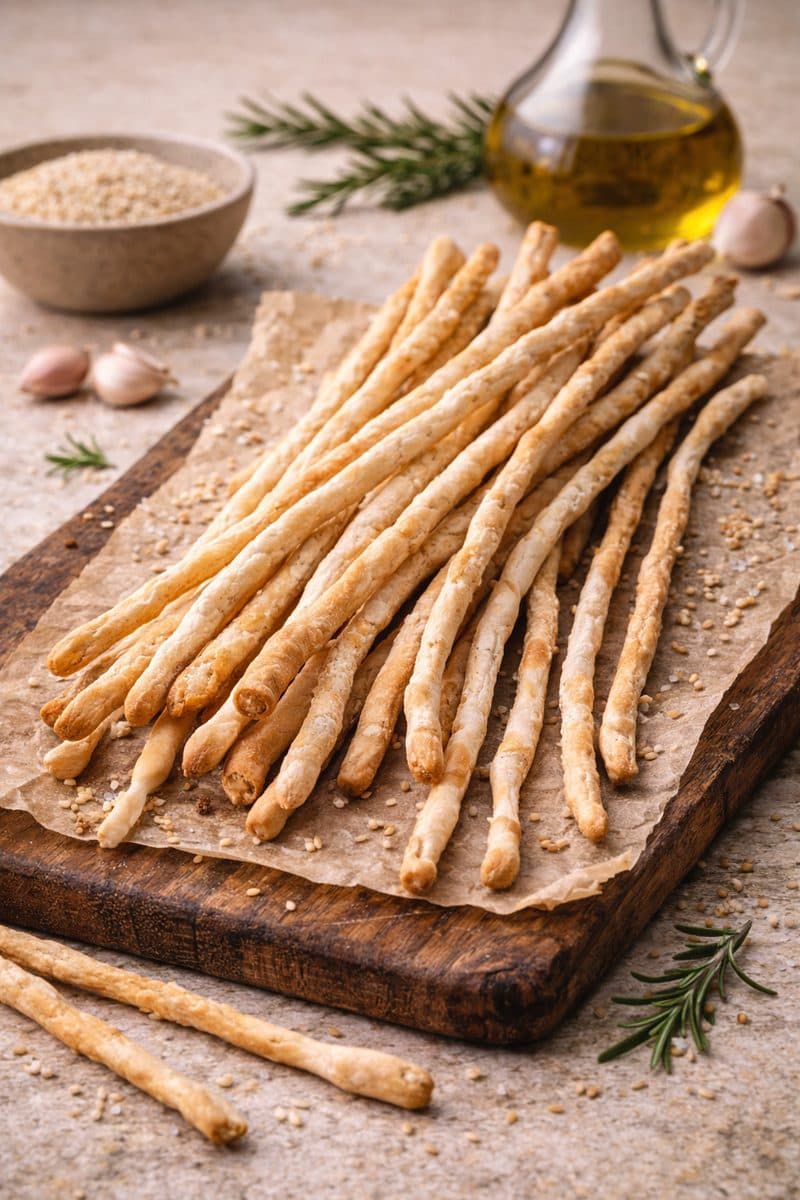
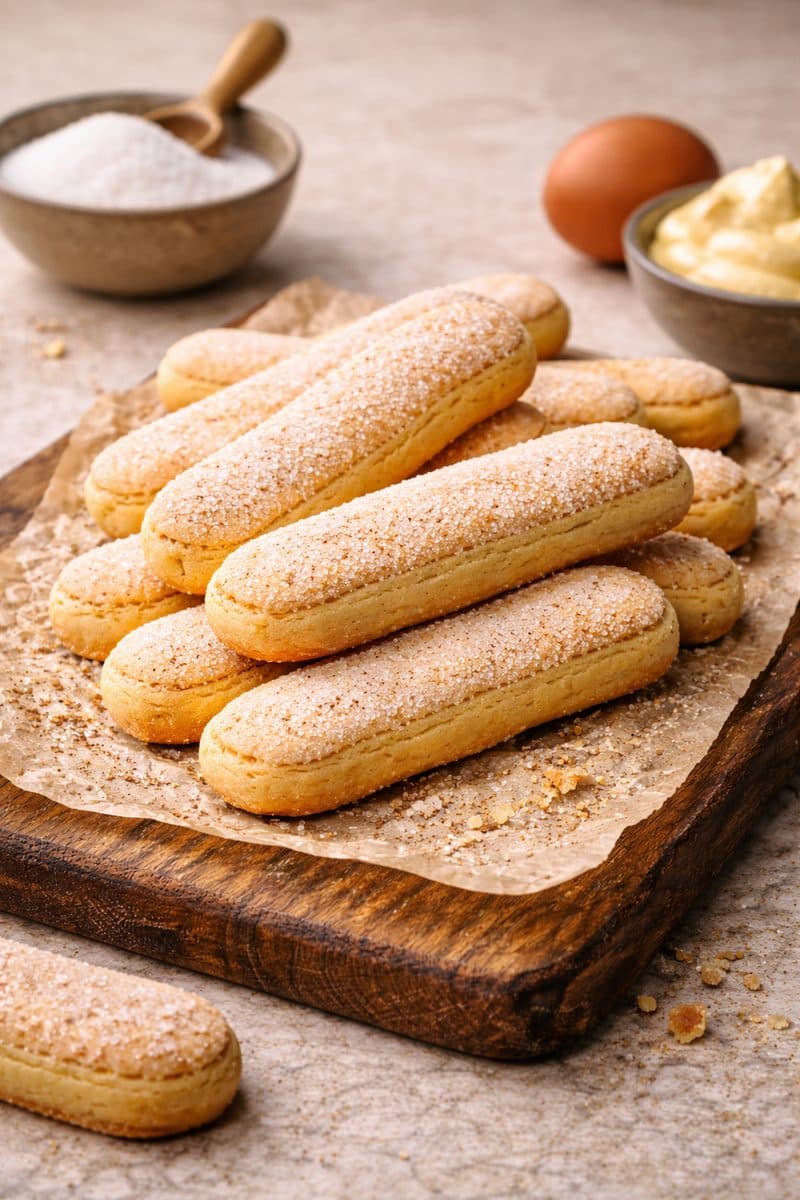
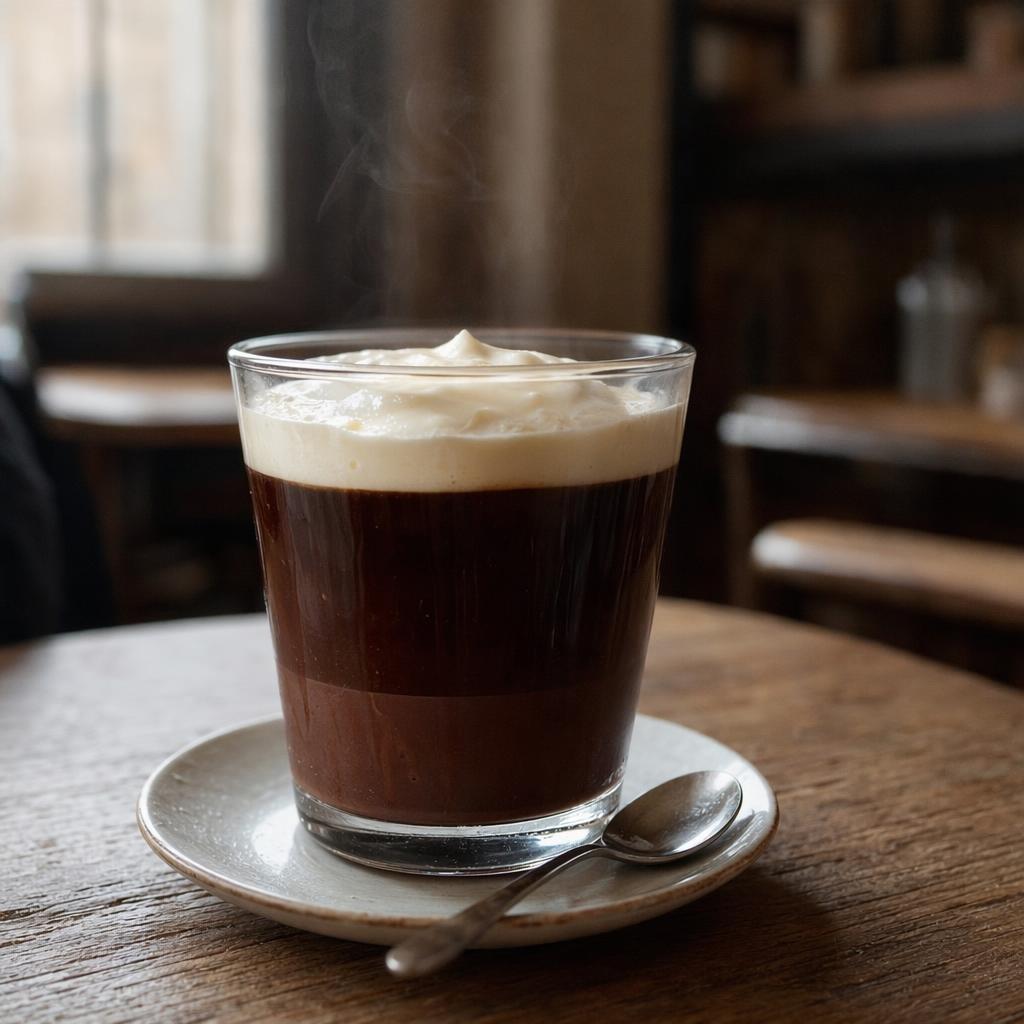
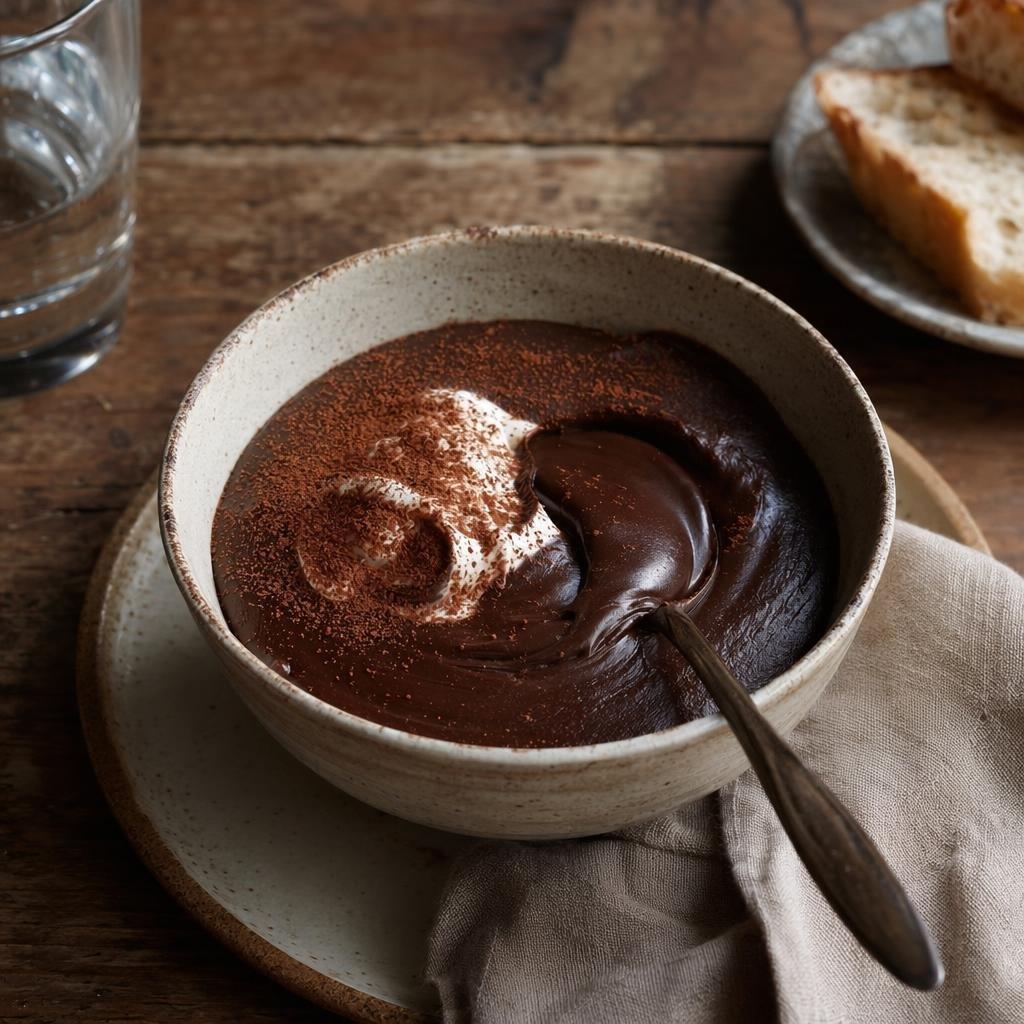
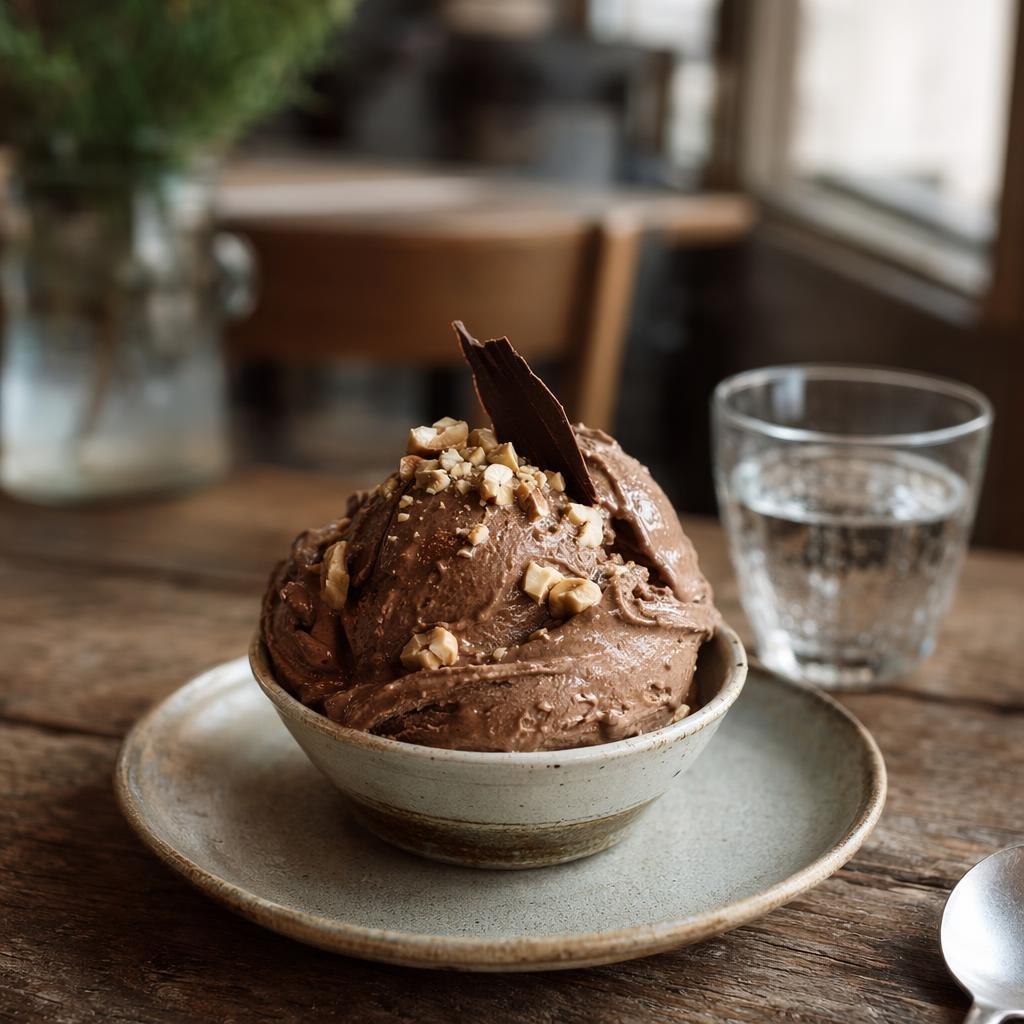
In Turin you recognise chocolate by its shape before its taste: the gianduiotto is a little boat of cocoa and hazelnut paste, the cremino a layered cube, the bicerin a small glass in which coffee, chocolate and cream stay separate. The gianduiotto takes its name from Gianduja, Turin's Carnival mask, and the city dates its birth to 1865. Around the chocolate stands the Savoy bakery: rubatà grissini from the Chieri area, rolled by hand and knobbly, and savoiardi, soft biscuits with sugar on top. Square agnolotti, filled with roast meat, you buy fresh at a delicatessen. And if you want something you don't eat, the bookbinders sell sheets and notebooks of marbled paper, decorated on a bath of colour.
- Gianduiotto di Torino: the little boat of cocoa and hazelnut.
- Cremino piemontese: the layered cube.
- Bicerin: coffee, chocolate and cream, served hot.
- Rubatà grissini: rolled by hand.
- Piedmontese savoiardi: sugar on top.
- Agnolotti: square, filled with roast meat.
- Turin bookbinders' marbled paper: sheets and notebooks.
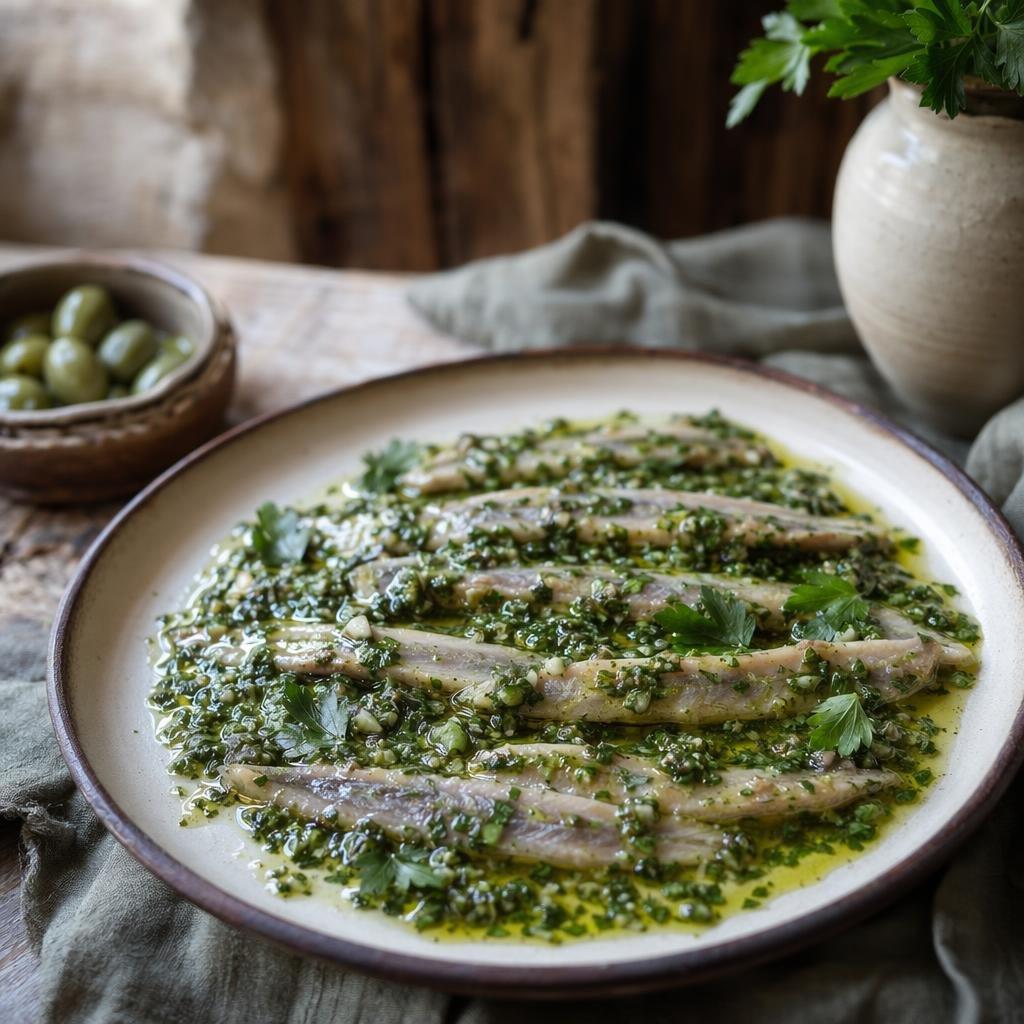
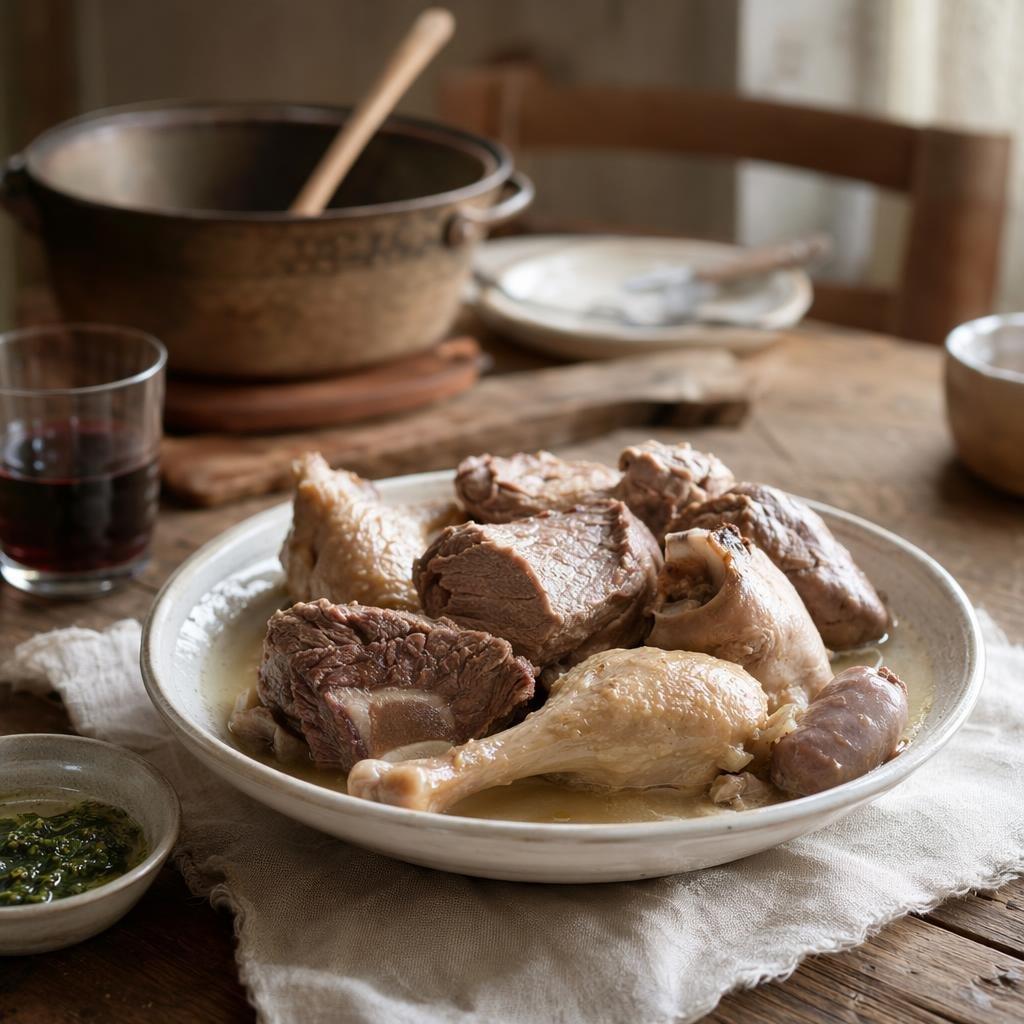
Before you leave, sit down at the table: vitello tonnato, bollito misto alla piemontese with bagnet verd, a Turin tramezzino at the counter.
From the Savoy court to the café counter
In Turin hazelnut goes into chocolate as a paste, not as a topping: that is gianduia, the base of both gianduiotto and cremino. The bicerin settled on today's three ingredients between the eighteenth and nineteenth centuries. The grissino has a court story: a baker is said to have made it for the young Duke of Savoy at the end of the seventeenth century. Rubatà is the version rolled out on the bench by the bakers of the Chieri area. Marbled paper, a European technique of the seventeenth century, comes from the book trade: the city had printers and bookbinders throughout its history as a capital.
What to look for in Turin's wrappers
You recognise a cremino by its cut: two dark bands of gianduia and a pale centre of hazelnut, coffee or lemon. A rubatà is short and irregular, with the marks of fingers. At a bookbinder's, ask whether the marbled sheet was made there: it is today's work, even when it repeats an old pattern.
Via Roma, the Consolata and Porta Palazzo
For gianduiotti and cremini, walk under the arcades of Via Roma and through the galleries around Piazza San Carlo and Piazza Castello, where the chocolate shops of the centre are. Drink your bicerin at the counter in the cafés near the Santuario della Consolata, in the Quadrilatero. You find fresh agnolotti and savoiardi at delicatessens and at the stalls of Porta Palazzo. Rubatà are easiest to find in Chieri, Poirino and Andezeno; marbled paper, at the bookbinders.
Getting chocolate and grissini home
Chocolate suffers in the heat: in summer, buy it on your last day. A box of gianduiotti usually costs between €10 and €30, cremini between €6 and €25. Rubatà are fragile, so keep them in your hand luggage in a rigid box; a bag runs from €4 to €15. Savoiardi travel well and cost between €4 and €12. Fresh agnolotti need a fridge: if you are flying home, look for vacuum-packed ones.