 10-40 €
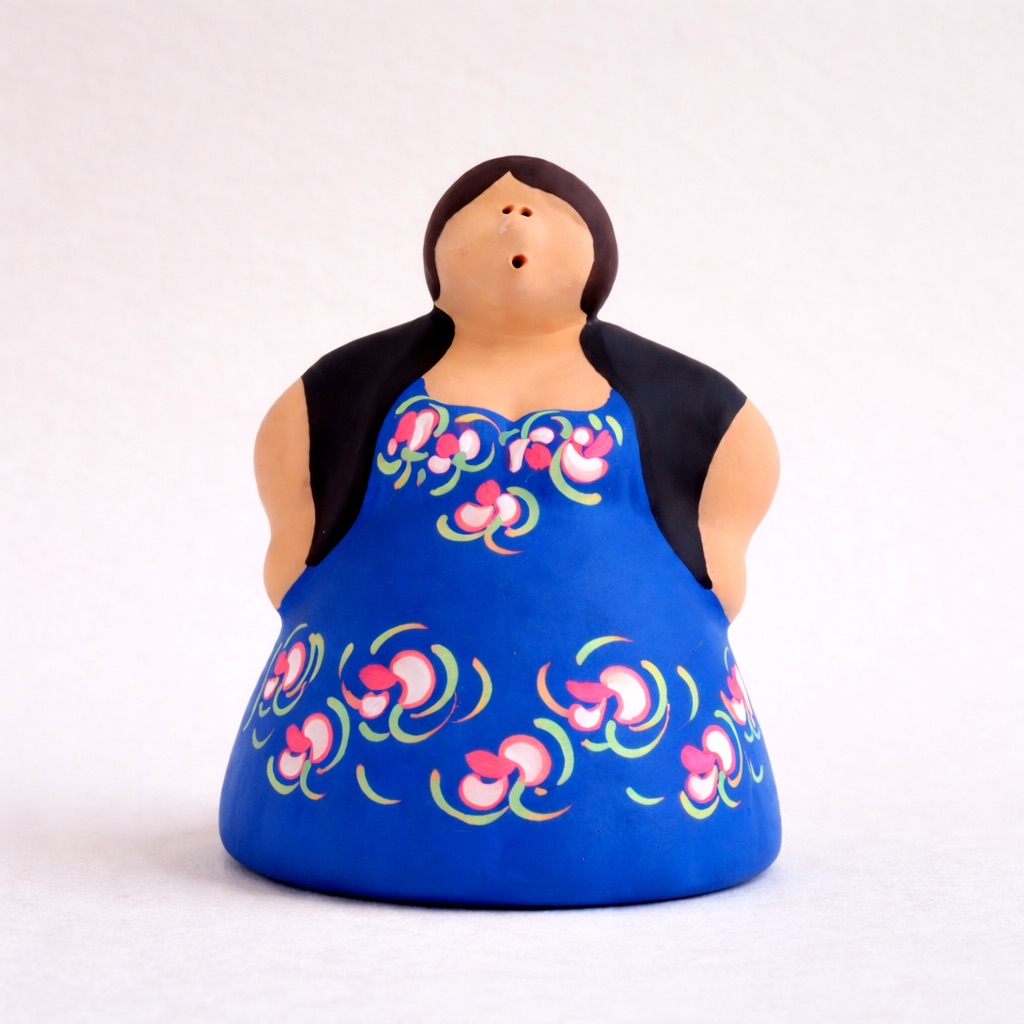
Salento housewife
The Salento housewife is a female figure from local rural tradition, often depicted in small handcrafted objects such as figurines, decorative plates, or elements made of cartapesta and ceramic. She is portrayed with an apron, a headscarf, and sometimes with household tools or baskets of bread—symbols of everyday peasant life. In Lecce these figures appear especially in crafts inspired by the popular culture of Salento. The aesthetic recalls the simplicity of countryside homes and the pride of domestic and agricultural work. It is an object that blends social memory with local artisanal style.
Verified shops arrive in the app
Why it's the ideal souvenir
Choosing a Salento housewife as a souvenir means bringing home a fragment of the domestic and rural culture of Salento, not just a decorative item. It is especially suited for those interested in the everyday stories of places, peasant life, and the family traditions that shaped the human landscape of Puglia. Unlike more generic souvenirs, this figure tells a specific social story and allows travelers to remember their journey through a scene of real life from the region. It is also often made by small local artisans, so the purchase supports craft practices that are still alive. At home it becomes a storytelling object, inviting guests to learn what it represents and how domestic life once worked in Salento.
The message it carries
The Salento housewife carries a message about the memory of daily work and the central role of family relationships. It reminds us that a region’s culture is not made only of monuments, but also of gestures repeated every day in kitchens, courtyards, and fields. It is also a symbol of the resilience of rural communities in southern Italy. Keeping this figure at home preserves the memory of a slower way of life, closely tied to the land and to caring for the household.
Origin story
Depictions of the Salento housewife derive from popular imagery connected to agricultural life in Salento between the 19th and 20th centuries. With the growth of tourist-oriented crafts after World War II, many artisans began transforming everyday characters into decorative objects. In Lecce this process intertwined with the tradition of cartapesta leccese, which already produced religious figures and scenes of everyday life. Over time the housewife also appeared in artistic nativity scenes and small sculptures sold to visitors. More than a specific character, she represents a collective figure from Salento’s social memory.
Cultural significance
The figure of the housewife represented a central role in Salento’s rural society until much of the twentieth century. She was the keeper of the home, the food, and often small household economies linked to the garden, bread-making, or food preservation. In the local imagination she embodies diligence, modesty, and a strong sense of community. Her presence in craftsmanship is not merely decorative: it evokes a way of life based on family labor, seasonality, and neighborly solidarity. In this sense the housewife has become a small icon of the region’s rural memory.
Where to find Salento housewife in Lecce
It can mainly be found in artisan workshops in the historic center of Lecce, especially in shops dedicated to cartapesta leccese or products from Salento tradition. Some workshops near via Palmieri and in the streets around the Duomo offer small sculptures or decorations featuring this figure. It also appears in local craft markets and souvenir shops that celebrate the rural imagery of Salento. In some cases the housewife is incorporated into larger objects such as nativity scenes or decorative compositions.
Get the full verified list — map, hours, reviews — for Salento housewife in Lecce.
More authentic souvenirs of Lecce

Go deeper on Salento housewife
Unlock the full editorial dossier, certified shops with maps and opening hours, and related cultural paths.
- Certified shops nearby
- Full origin story
- Related souvenirs & paths
Free · iOS and Android · No subscription
Questions about Salento housewife
What makes Salento housewife authentic?
The figure of the housewife represented a central role in Salento’s rural society until much of the twentieth century. She was the keeper of the home, the food, and often small household economies linked to the garden, bread-making, or food preservation. In the local imagination she embodies diligence, modesty, and a strong sense of community. Her presence in craftsmanship is not merely decorative: it evokes a way of life based on family labor, seasonality, and neighborly solidarity. In this sense the housewife has become a small icon of the region’s rural memory.
Where to find Salento housewife in Lecce?
It can mainly be found in artisan workshops in the historic center of Lecce, especially in shops dedicated to cartapesta leccese or products from Salento tradition. Some workshops near via Palmieri and in the streets around the Duomo offer small sculptures or decorations featuring this figure. It also appears in local craft markets and souvenir shops that celebrate the rural imagery of Salento. In some cases the housewife is incorporated into larger objects such as nativity scenes or decorative compositions.
How much does Salento housewife cost?
10-40 €
Why choose Salento housewife as a gift?
The Salento housewife carries a message about the memory of daily work and the central role of family relationships. It reminds us that a region’s culture is not made only of monuments, but also of gestures repeated every day in kitchens, courtyards, and fields. It is also a symbol of the resilience of rural communities in southern Italy. Keeping this figure at home preserves the memory of a slower way of life, closely tied to the land and to caring for the household.
Take Trouvenir with you
iOS and Android. Free with a one-time Premium option. No subscription.