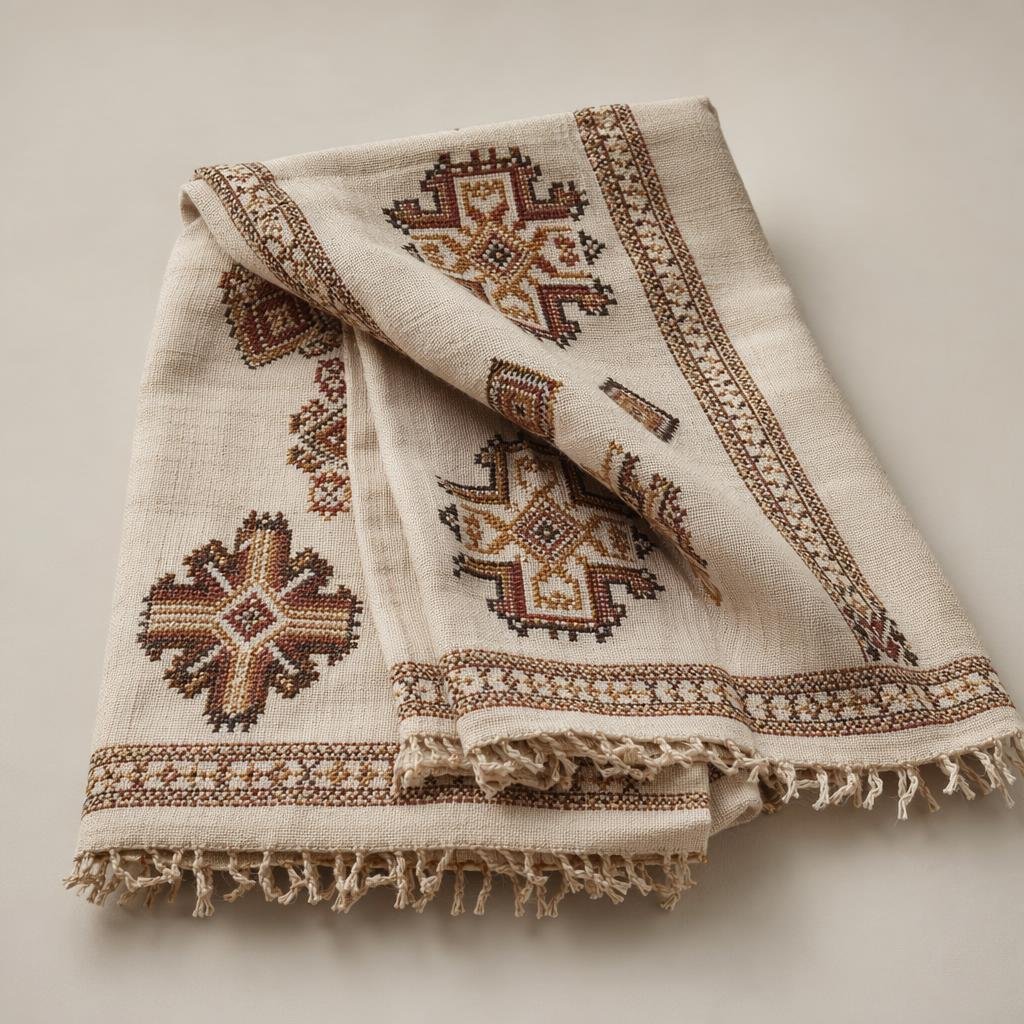
 €15-€120
Grecanic textiles and embroidery in Reggio Calabria
Grecanic textiles and embroidery are handcrafted pieces produced in the Grecanic area of southern Aspromonte, where a historic Greek‑Calabrian linguistic minority still survives. They often include tablecloths, doilies, shawls, or small decorative panels made on traditional looms or embroidered by hand. Decorative motifs feature ancient geometric patterns, solar symbols, and repeating designs that echo Mediterranean and Byzantine traditions. The most common colors are the natural white of linen or cotton, enriched with red, blue, or ochre threads.
Verified shops arrive in the app
Why Grecanic textiles and embroidery is the ideal souvenir of Reggio Calabria
Choosing a Grecanic textile or embroidery piece as a souvenir means taking home a fragment of a little‑known but deeply rooted culture from the Reggio area. Unlike more standardized souvenirs, these objects often come from small workshops or family production and tell a real story of language, community, and the landscapes of Aspromonte. They are ideal for those who appreciate authentic craftsmanship and want an object that can truly be used in everyday life, such as a placemat, runner, or decorative panel. They also help support local initiatives that aim to keep Grecanic culture alive. For a curious traveler, they become a memory that continues to evoke the journey every time they are used at home.
The message behind Grecanic textiles and embroidery
This object carries the message that even in Italy’s best‑known regions there are micro‑cultures and linguistic traditions that remain little known but still alive. Grecanic embroidery recalls the long cultural layering of the Mediterranean, where Greece, Calabria, and the Byzantine world met for centuries. Buying it means recognizing the value of the local communities that safeguard these legacies. It is a souvenir that invites travelers to see the territory not only as a tourist destination, but as a place of memory and cultural continuity.
Origin and history of Grecanic textiles and embroidery
The textile tradition of the Grecanic area has its roots in the domestic practices of rural communities in southern Aspromonte, where textile production was closely tied to family life and bridal trousseaux. Over the centuries, the geographic isolation of the villages of the Bovesia helped preserve long‑standing techniques and ornamental motifs. With the gradual depopulation of the region during the twentieth century, many of these practices risked disappearing, but in recent decades cultural associations and artisan workshops have promoted their rediscovery. Today Grecanic textiles are often reinterpreted for contemporary objects while maintaining their traditional decorative elements.
Cultural significance of Grecanic textiles and embroidery
These textiles represent one of the material expressions of Grecanic culture, a linguistic minority that preserves traces of ancient Greek and Byzantine presence in southern Calabria. Domestic embroidery and weaving historically formed part of the everyday life of women in the Aspromonte villages. The ornamental motifs, passed down through generations, are not only decorative but also reflect cultural continuities across the eastern and southern Mediterranean. Today these handmade pieces have also become symbols of cultural resilience and of the effort to preserve minority linguistic identities.
Where to find Grecanic textiles and embroidery in Reggio Calabria
These handcrafted items can mainly be found in the villages of the Grecanic area of southern Aspromonte, such as Bova, Gallicianò, and Roghudi, where some workshops and cooperatives keep the artisan tradition alive. In Reggio Calabria they can also be found in shops dedicated to local crafts or during fairs and cultural markets linked to Calabrian traditions. Some museums and cultural centers in the Grecanic area sell small textile pieces made by local artisans. Purchasing them often happens in settings that directly share the story of the Grecanic community.
Get the full verified list — map, hours, reviews — for Grecanic textiles and embroidery in Reggio Calabria.
More authentic souvenirs of Reggio Calabria

Go deeper on Grecanic textiles and embroidery
Unlock the full editorial dossier, certified shops with maps and opening hours, and related cultural paths.
- Certified shops nearby
- Full origin story
- Related souvenirs & paths
Free · iOS and Android · No subscription
Questions about Grecanic textiles and embroidery
What makes Grecanic textiles and embroidery authentic?
These textiles represent one of the material expressions of Grecanic culture, a linguistic minority that preserves traces of ancient Greek and Byzantine presence in southern Calabria. Domestic embroidery and weaving historically formed part of the everyday life of women in the Aspromonte villages. The ornamental motifs, passed down through generations, are not only decorative but also reflect cultural continuities across the eastern and southern Mediterranean. Today these handmade pieces have also become symbols of cultural resilience and of the effort to preserve minority linguistic identities.
Where to find Grecanic textiles and embroidery in Reggio Calabria?
These handcrafted items can mainly be found in the villages of the Grecanic area of southern Aspromonte, such as Bova, Gallicianò, and Roghudi, where some workshops and cooperatives keep the artisan tradition alive. In Reggio Calabria they can also be found in shops dedicated to local crafts or during fairs and cultural markets linked to Calabrian traditions. Some museums and cultural centers in the Grecanic area sell small textile pieces made by local artisans. Purchasing them often happens in settings that directly share the story of the Grecanic community.
How much does Grecanic textiles and embroidery cost?
€15-€120
Why choose Grecanic textiles and embroidery as a gift?
This object carries the message that even in Italy’s best‑known regions there are micro‑cultures and linguistic traditions that remain little known but still alive. Grecanic embroidery recalls the long cultural layering of the Mediterranean, where Greece, Calabria, and the Byzantine world met for centuries. Buying it means recognizing the value of the local communities that safeguard these legacies. It is a souvenir that invites travelers to see the territory not only as a tourist destination, but as a place of memory and cultural continuity.
Take Trouvenir with you
iOS and Android. Free with a one-time Premium option. No subscription.