Squillace pottery in Catanzaro
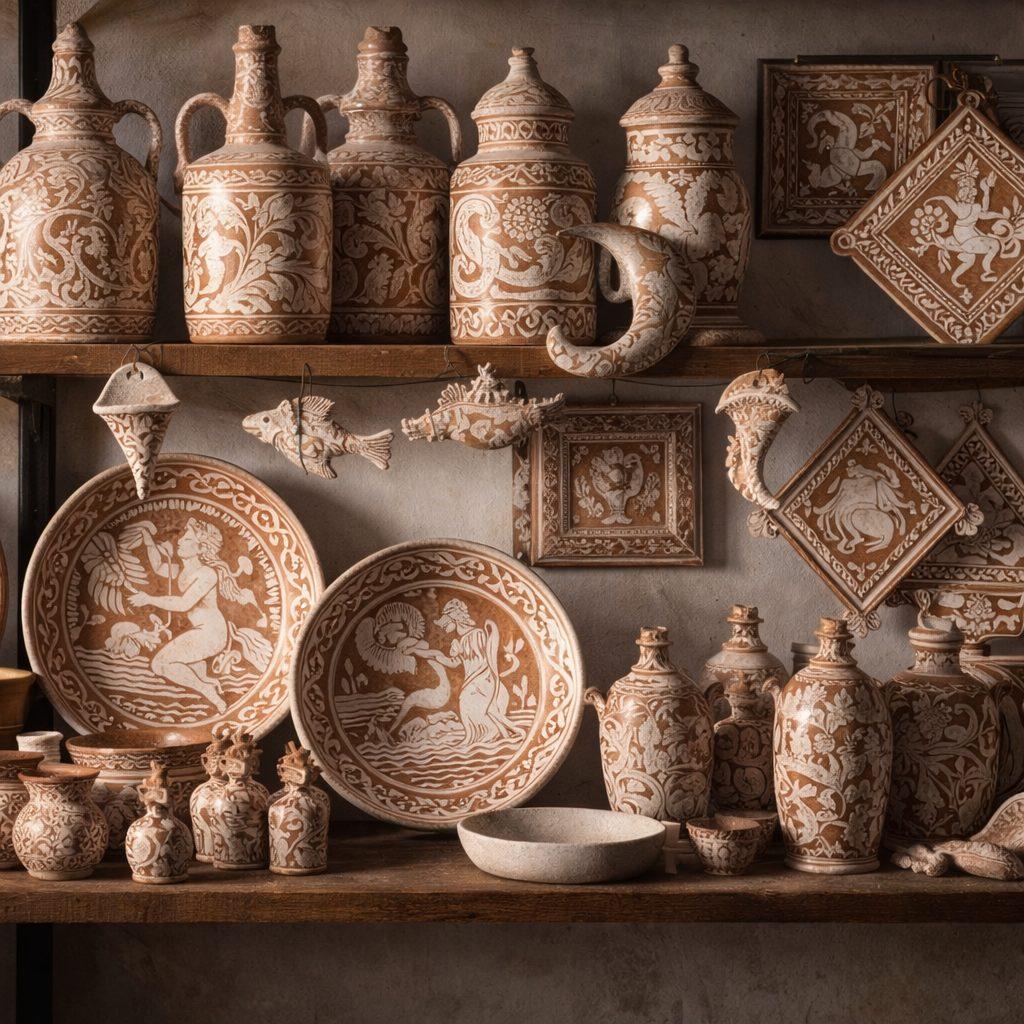
Squillace pottery is one of the most genuine expressions of craftsmanship in Ionian Calabria, born from local clay and shaped according to techniques handed down for generations. Hand-decorated plates, pitchers, and bowls recount a Mediterranean imagery composed of plant motifs, warm colors, and ancient influences dating back to Magna Graecia. Each piece carries small variations and imperfections that testify to human labor and kiln firing. Bringing it home means preserving a living object of Calabrian culture, capable of transforming a travel memory into a daily gesture.
- Fatto a mano
- Artigianato
- Da usare ogni giorno
What Squillace pottery is
Squillace pottery is a Calabrian artisanal craft featuring hand-molded and hand-decorated objects, often adorned with stylized plant, geometric, or animal motifs. The most common forms include decorative plates, pitchers, bowls, and small ornamental pieces glazed in warm colors such as yellow, green, and brown. Each piece retains slight variations due to manual shaping and kiln firing, elements that make it unique. Contemporary production continues to draw inspiration from historic and Mediterranean motifs while maintaining techniques handed down through generations of artisans.
«Squillace pottery speaks of the continuity between the landscape, raw materials, and human labor. The clay of the Ionian coast takes shape through techniques handed down for generations and becomes a domestic object that endures through time. Bringing it along means keeping a fragment of living Mediterranean craftsmanship, not a simple decoration. It is an invitation to remember that many local Italian identities still express themselves through manual labor and village workshops.»
Origin and history
The origins of pottery making in Squillace likely date back to the Magna Graecia era, when the communities of the Ionian coast used local clay for utensils and containers. In medieval centuries and later under Byzantine and Norman influence, production organized into proper artisan workshops, featuring more elaborate turning and glazing techniques. Between the nineteenth and twentieth centuries, Squillace ceramics became one of the town's main craft activities, handed down within families of potters. Today, production continues through workshops that reinterpret historic motifs while preserving manual techniques.
From workshop to plate, with the people who make it
Affiliate links: if you book, Trouvenir earns a small commission at no cost to you.
Where to find Squillace pottery in Catanzaro
We don't have verified shops for this souvenir yet. Here is where to look.
Many historic workshops are located in the center of Squillace, about half an hour from Catanzaro, where it is possible to watch artisans at work and purchase pieces fresh from the workshop. In the historic center of Catanzaro and in shops dedicated to Calabrian crafts, decorative plates and small objects from the Squillace kilns are frequently found. Some workshops also allow visitors to view the kilns or observe the decoration stages. At craft markets and local fairs throughout the province, it is common to encounter potters selling their creations directly.
- Ask which Squillace workshop made it and look at the hand-painted designs in yellow, green and brown.
Squillace pottery
Not passing by a shop? Before you buy, check the name and production area on the label.
Search on AmazonAmazon affiliate link
Cultural significance
Squillace pottery is considered one of the symbols of artistic craftsmanship in Ionian Calabria. The manufacturing process is deeply tied to the history of the region, which has hosted ceramic workshops since ancient times thanks to the quality of local clays. Over time, the decorations have absorbed Byzantine, Mediterranean, and folk influences, creating a recognizable yet varied style. To this day, production maintains a strong bond with local identity and represents a concrete example of continuity between ancient craftsmanship and contemporary production.
More crafts from Catanzaro
All
Frequently asked questions
What makes Squillace pottery special?
Squillace pottery is considered one of the symbols of artistic craftsmanship in Ionian Calabria. The manufacturing process is deeply tied to the history of the region, which has hosted ceramic workshops since ancient times thanks to the quality of local clays. Over time, the decorations have absorbed Byzantine, Mediterranean, and folk influences, creating a recognizable yet varied style. To this day, production maintains a strong bond with local identity and represents a concrete example of continuity between ancient craftsmanship and contemporary production.
Where to find Squillace pottery in Catanzaro?
Many historic workshops are located in the center of Squillace, about half an hour from Catanzaro, where it is possible to watch artisans at work and purchase pieces fresh from the workshop. In the historic center of Catanzaro and in shops dedicated to Calabrian crafts, decorative plates and small objects from the Squillace kilns are frequently found. Some workshops also allow visitors to view the kilns or observe the decoration stages. At craft markets and local fairs throughout the province, it is common to encounter potters selling their creations directly.
How much does Squillace pottery cost?
15-80 € a seconda della dimensione e della complessità
Why choose Squillace pottery as a gift?
Squillace pottery speaks of the continuity between the landscape, raw materials, and human labor. The clay of the Ionian coast takes shape through techniques handed down for generations and becomes a domestic object that endures through time. Bringing it along means keeping a fragment of living Mediterranean craftsmanship, not a simple decoration. It is an invitation to remember that many local Italian identities still express themselves through manual labor and village workshops.
Take Trouvenir with you
iOS and Android. Free.