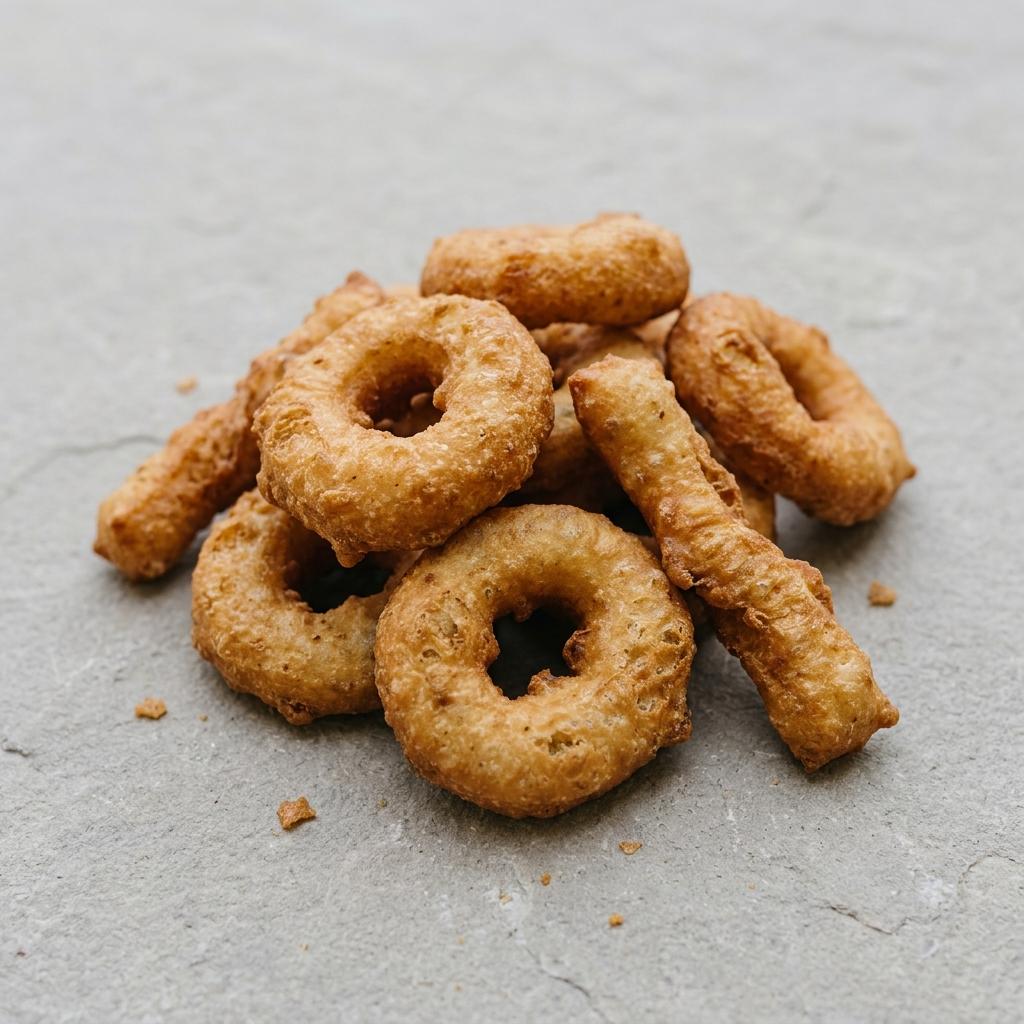
Cuddrurieddri in Cosenza
AI-generatedIllustrative image generated with artificial intelligence.
Cuddrurieddri are small golden fritters that capture the most convivial side of Calabria. In Cosenza, their scent fills streets and homes during the Christmas period, when the leavened dough is fried and shared while still hot among family members and neighbors. Simple in ingredients yet rich in memory, they may conceal anchovies, potatoes, or olives—variations born in home kitchens. Tasting them means taking away a genuine moment of Calabrian celebration, made of long-established gestures and immediate flavors.
- Da assaggiare caldo
- Street food locale
- Natale
- Ricetta di famiglia
What Cuddrurieddri is
Cuddrurieddri are savory leavened dough fritters typical of Calabria, widespread especially in the provinces of Cosenza, Crotone, and Vibo Valentia. The dough, made from flour, water, and yeast, is shaped into small rings or sticks and fried in hot oil until golden and crisp. In the Cosenza version, the dough often includes potatoes, while in other areas only flour is used. They are eaten hot, often freshly fried, with an intense aroma that fills the streets during the holidays.
«Cuddrurieddri speak of a Calabria made of family kitchens, neighborhood celebrations, and recipes handed down orally. They remind us that much local knowledge lives especially in daily and seasonal gestures. They carry the idea of simple conviviality: dough, hot oil, and people gathered around food.»
Origin and history
Leavened dough fritters are widespread in many regions of Southern Italy, but cuddrurieddri are a Calabrian variant with specific dialect names, such as cullurielli. One reconstruction links the name to the Greek kollura, meaning crown, due to their ring shape. Over time, the recipe adapted to family availability, with potatoes added to the dough in the Cosenza version. They are widespread in the provinces of Cosenza, Crotone, and Vibo Valentia, especially at Christmas.
Where to find Cuddrurieddri in Cosenza
We don't have verified shops for this souvenir yet. Here is where to look.
In Cosenza, they are mainly found during the Christmas period in bakeries, fry shops, and small artisan workshops. Throughout December, and particularly on the eve of the Immaculate Conception on December 7th, it is common to encounter stalls or shops frying them to order. Some restaurants and delicatessens in the city offer them as a starter or seasonal street food.
Cultural significance
Cuddrurieddri are tied to the Calabrian Christmas season, particularly the eve of the Immaculate Conception on December 7th. In many communities, they represent one of the first scents of the festivities. More than just a simple snack, they are a seasonal signal announcing the Christmas period and the conviviality that comes with it.
More gastronomy from Cosenza
All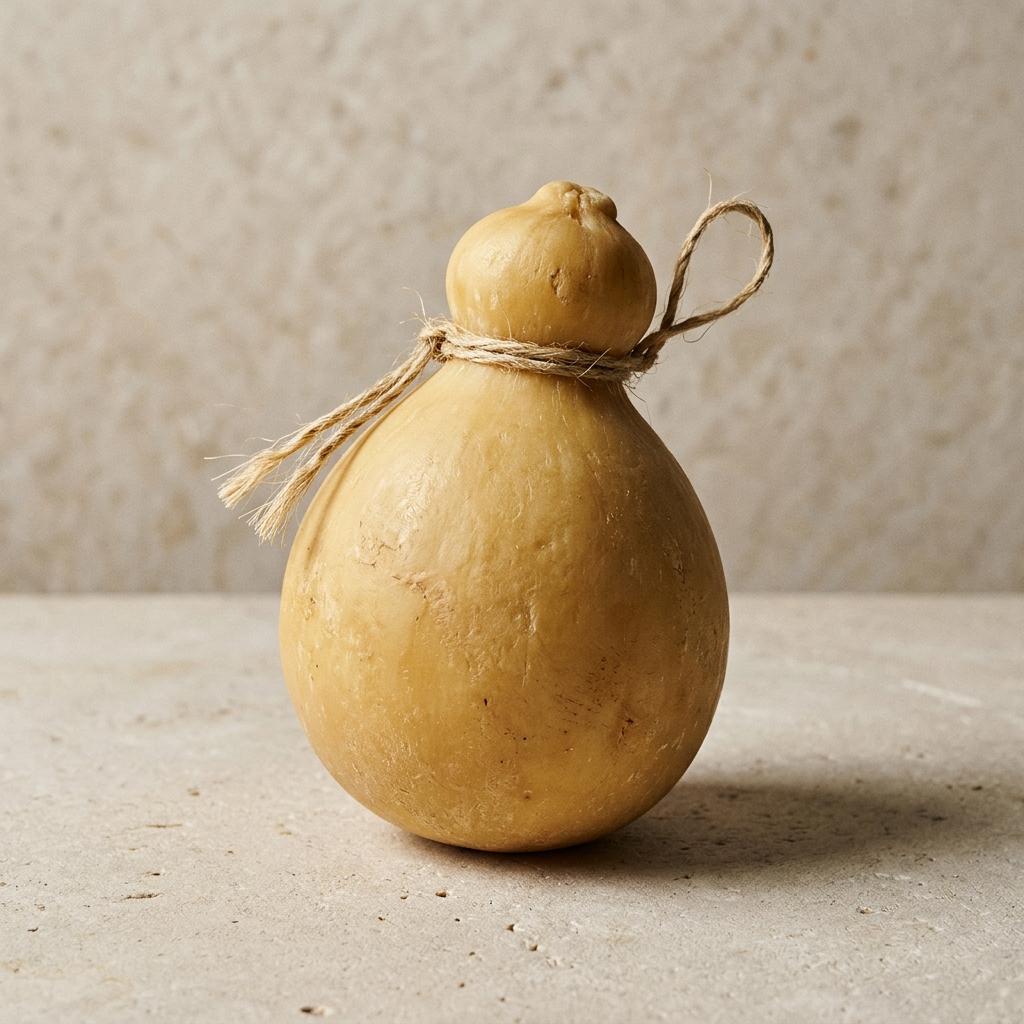 AI-generatedCaciocavallo Silano DOP
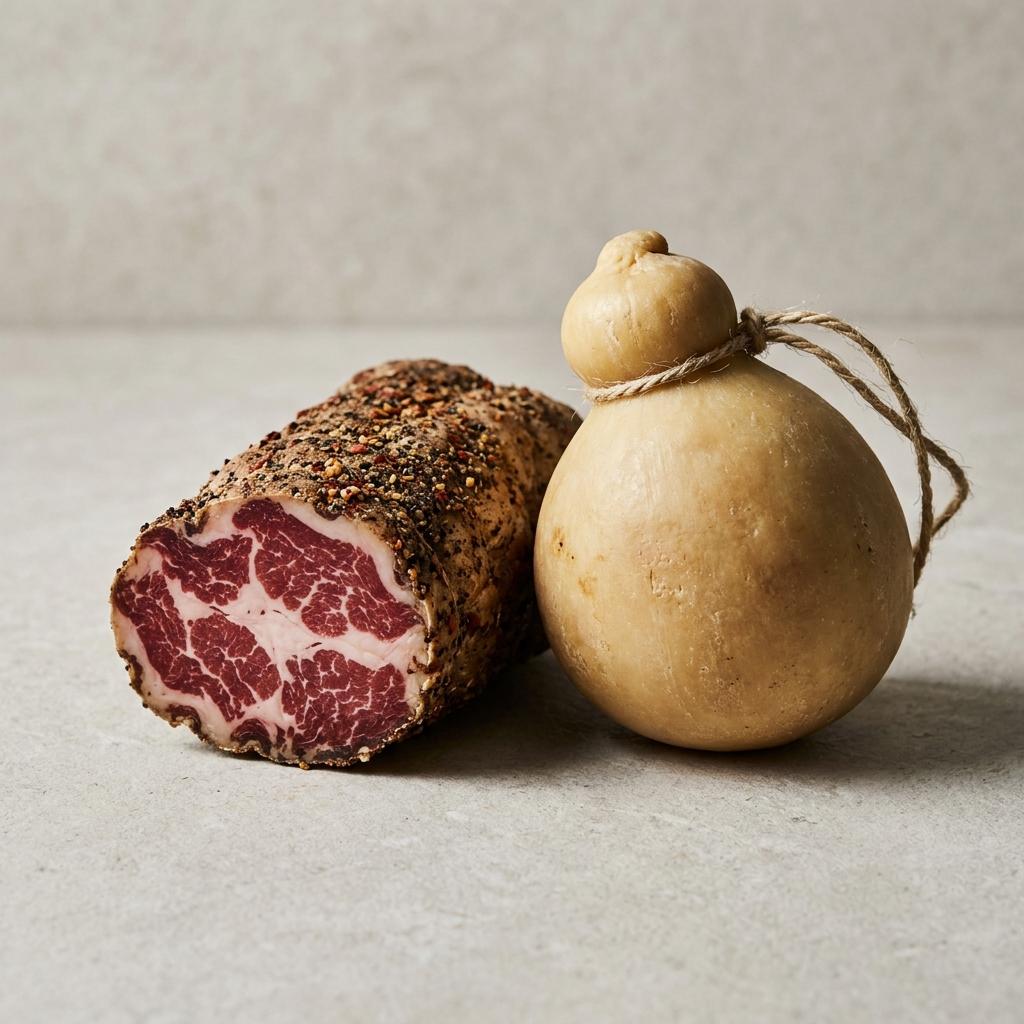 AI-generatedCapocollo and Silan cheeses
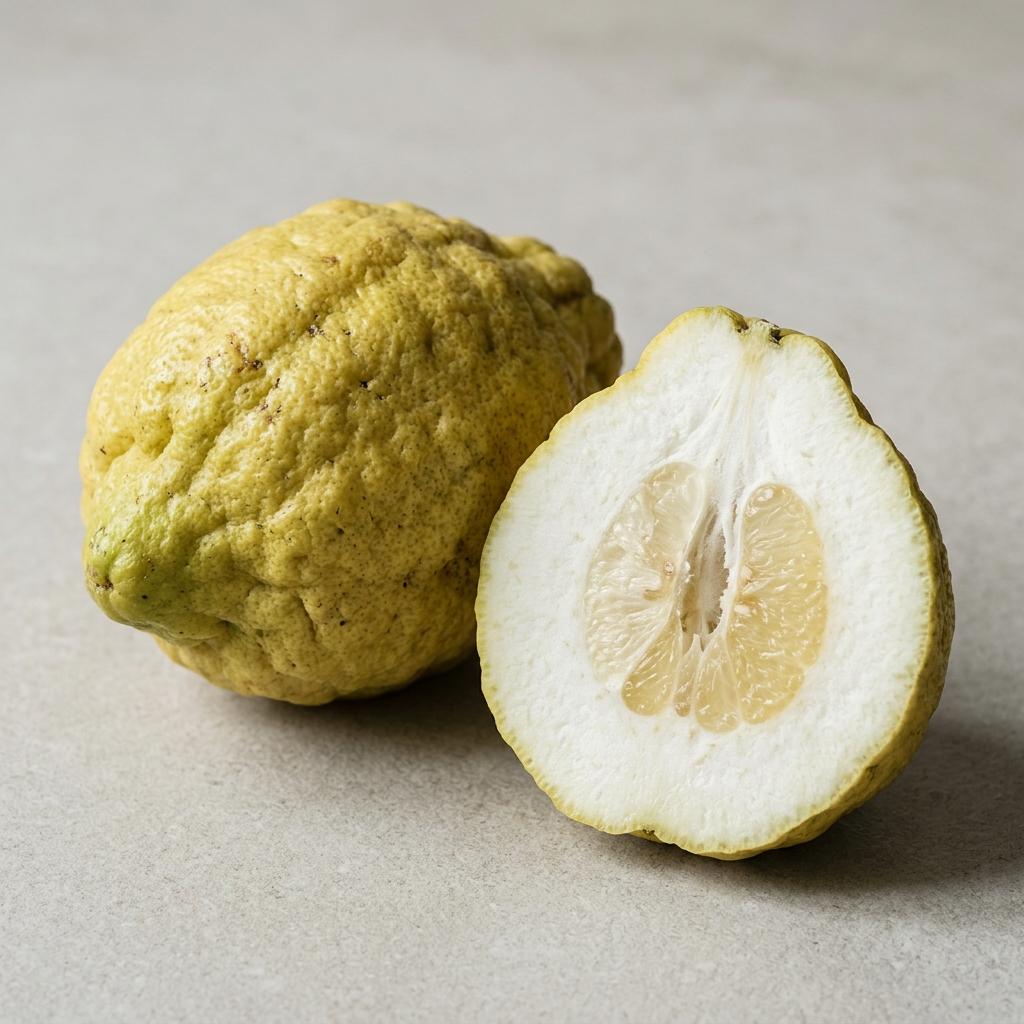 AI-generatedCedar of the Cedar Riviera
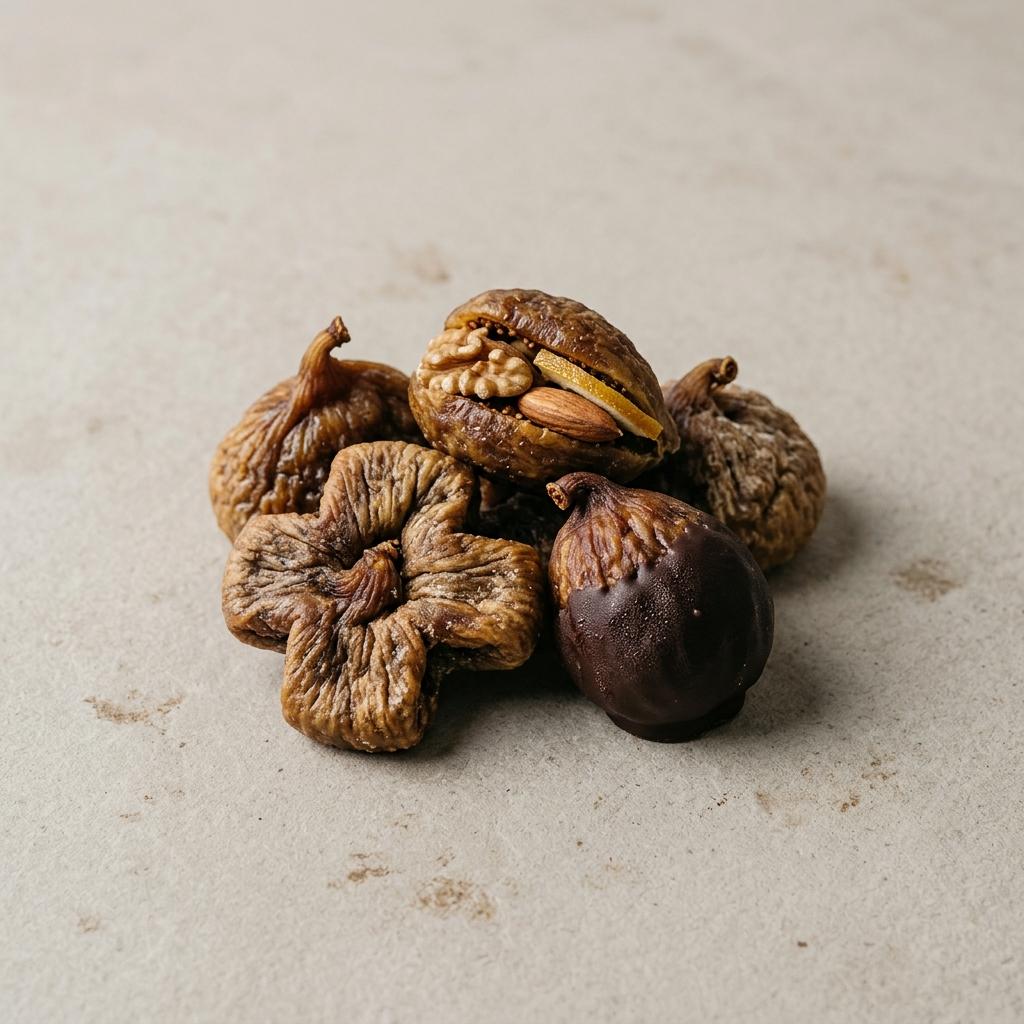 AI-generatedFichi di Cosenza DOP
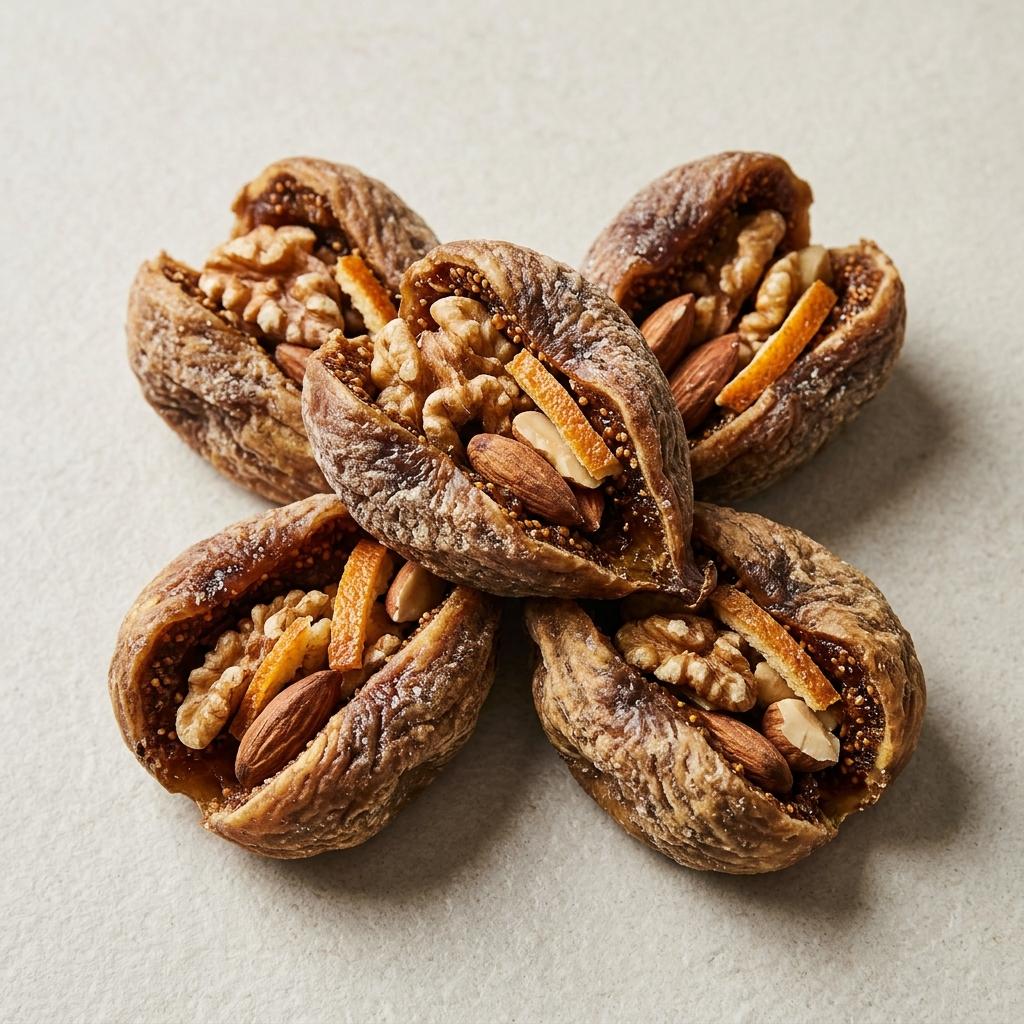 AI-generatedCross-shaped dried figs
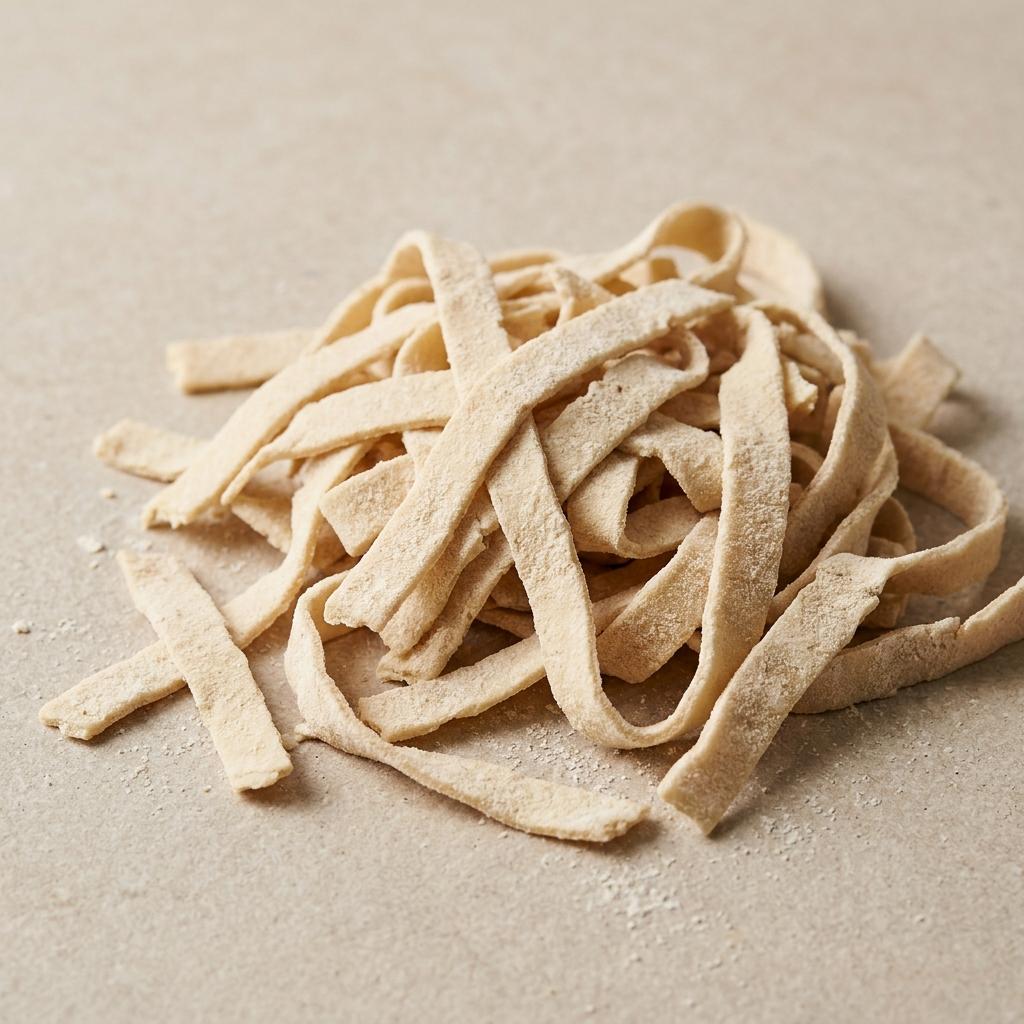 AI-generatedLagane (Calabrian pasta)
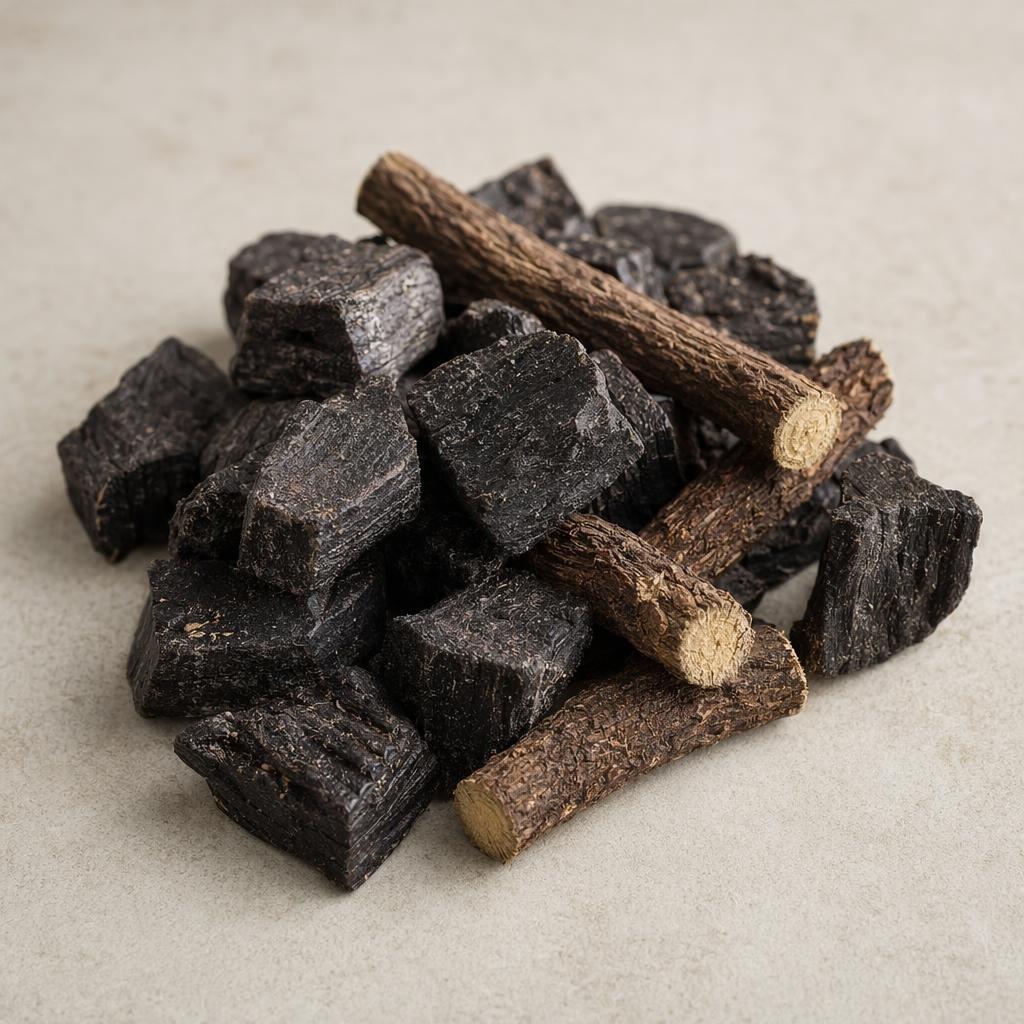 AI-generatedCalabrian licorice (Amarelli)
 AI-generatedPane di Cerchiara
 AI-generatedPatate ’mpacchiuse
 AI-generatedPatate della Sila IGP
Frequently asked questions
What makes Cuddrurieddri special?
Cuddrurieddri are tied to the Calabrian Christmas season, particularly the eve of the Immaculate Conception on December 7th. In many communities, they represent one of the first scents of the festivities. More than just a simple snack, they are a seasonal signal announcing the Christmas period and the conviviality that comes with it.
Where to find Cuddrurieddri in Cosenza?
In Cosenza, they are mainly found during the Christmas period in bakeries, fry shops, and small artisan workshops. Throughout December, and particularly on the eve of the Immaculate Conception on December 7th, it is common to encounter stalls or shops frying them to order. Some restaurants and delicatessens in the city offer them as a starter or seasonal street food.
How much does Cuddrurieddri cost?
€3-€8
Why choose Cuddrurieddri as a gift?
Cuddrurieddri speak of a Calabria made of family kitchens, neighborhood celebrations, and recipes handed down orally. They remind us that much local knowledge lives especially in daily and seasonal gestures. They carry the idea of simple conviviality: dough, hot oil, and people gathered around food.
Take Trouvenir with you
iOS and Android. Free.