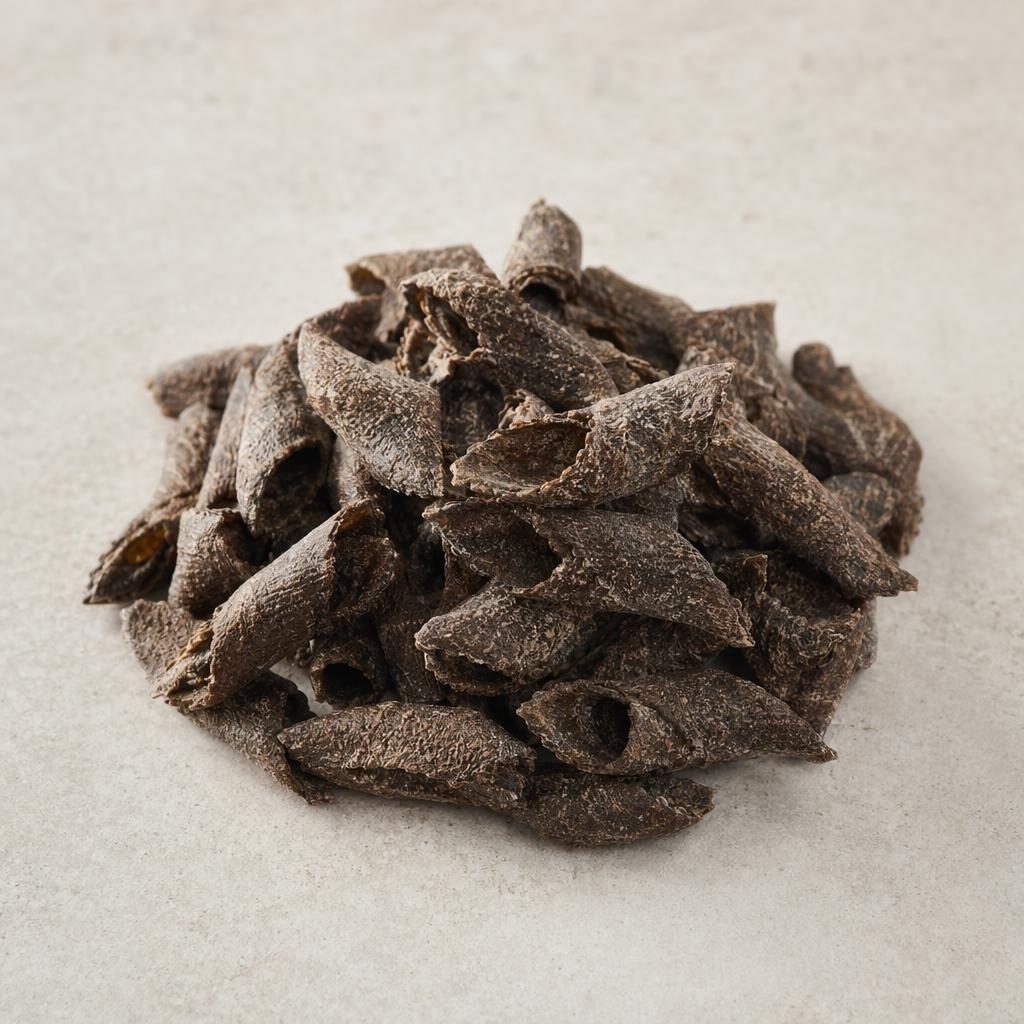
Burnt wheat pasta in Foggia
AI-generatedIllustrative image generated with artificial intelligence.
Dark, fragrant, and surprisingly elegant, burnt wheat pasta tells one of the most genuine stories of Apulian cuisine. It stems from an ancient farming practice of the Tavoliere, when grains left among the burned stubble were recovered and turned into a flour with a toasted and smoky taste. Today, small artisanal pasta makers reinterpret its flavor, creating classic shapes that combine rural memory with contemporary gastronomy. Bringing it home means taking with you the character of Apulia: a simple, ingenious cuisine deeply rooted in the land.
- Da assaggiare
- Cultura contadina
- Cucina pugliese
- Da portare a casa
What Burnt wheat pasta is
Today it is produced by small artisanal pasta factories in Apulia.
«Burnt wheat pasta carries with it a history of resilience and a direct relationship with the land. It recalls a time when nothing was wasted and even the grains left behind after the fire could become nourishment. Today it communicates the idea that customs born of necessity can transform into shared culinary heritage. It is a small tale of the Tavoliere: wheat fields, agricultural labor, and farming memory transformed into cooking.»
Origin and history
According to a widespread account not confirmed by official sources, the origin of burnt wheat lies in the Apulian countryside. After the harvest, the story goes, the fields were burned to clear the stubble, and the poorest farmers would gather the partially toasted grains left among the ashes. Ground and mixed with other flours, they produced dark, aromatic doughs. Today, the flavor is recreated using specially produced toasted flours.
Where to find Burnt wheat pasta in Foggia
We don't have verified shops for this souvenir yet. Here is where to look.
It is available packaged at artisanal Apulian pasta shops and in some regional specialty stores. Availability varies, and some Apulian restaurants feature it on their menus, allowing you to taste it before buying.
Cultural significance
Burnt wheat is linked to the agricultural history of the Tavoliere, one of Italy's great grain-producing plains. In the past, according to the most widespread account, poor farmers would gather the grains left in the fields after the stubble was burned. These fire-darkened grains yielded a flour with a distinctive flavor, used for bread and homemade pasta. Today, burnt wheat pasta has become a symbol of rural cuisine recovered and elevated by contemporary gastronomy. It tells the story of the transition from a food of necessity to an identity product of Apulian cuisine.
More gastronomy from Foggia
All

Frequently asked questions
What makes Burnt wheat pasta special?
Burnt wheat is linked to the agricultural history of the Tavoliere, one of Italy's great grain-producing plains. In the past, according to the most widespread account, poor farmers would gather the grains left in the fields after the stubble was burned. These fire-darkened grains yielded a flour with a distinctive flavor, used for bread and homemade pasta. Today, burnt wheat pasta has become a symbol of rural cuisine recovered and elevated by contemporary gastronomy. It tells the story of the transition from a food of necessity to an identity product of Apulian cuisine.
Where to find Burnt wheat pasta in Foggia?
It is available packaged at artisanal Apulian pasta shops and in some regional specialty stores. Availability varies, and some Apulian restaurants feature it on their menus, allowing you to taste it before buying.
How much does Burnt wheat pasta cost?
€4-€8 per confezioni artigianali da 400–500 g
Why choose Burnt wheat pasta as a gift?
Burnt wheat pasta carries with it a history of resilience and a direct relationship with the land. It recalls a time when nothing was wasted and even the grains left behind after the fire could become nourishment. Today it communicates the idea that customs born of necessity can transform into shared culinary heritage. It is a small tale of the Tavoliere: wheat fields, agricultural labor, and farming memory transformed into cooking.
Take Trouvenir with you
iOS and Android. Free.