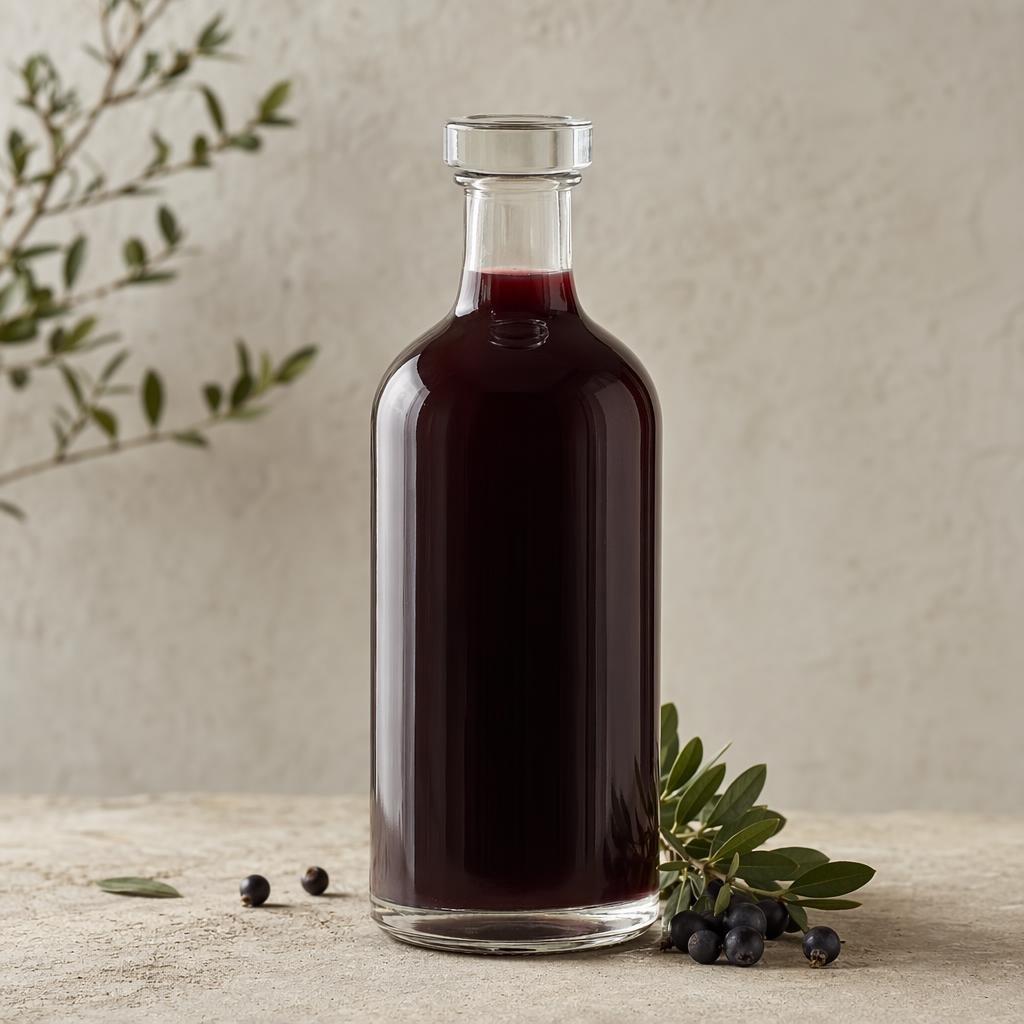
Mirto di Sardegna in Olbia
AI-generatedIllustrative image generated with artificial intelligence.
Mirto di Sardegna encapsulates the intense scents of the Mediterranean scrub surrounding Olbia in a bottle: wild berries, salty wind, and ancient history. Obtained from the maceration of myrtle berries, this ruby-colored liqueur with a bittersweet taste has always been the digestif that concludes Sardinian meals. Offering a chilled glass of it is a gesture of hospitality deeply rooted in local culture. Bringing it home means preserving a genuine fragment of the island and reliving, sip by sip, the convivial atmosphere of Sardinia.
- Da assaggiare
- Cultura sarda
- Perfetto digestivo
- Da regalare
What Mirto di Sardegna is
Mirto di Sardegna is an aromatic liqueur obtained from the maceration of dark myrtle berries, a wild shrub of the Mediterranean scrub that is very widespread in Gallura. It has an intense ruby color, a resinous and wild aroma, and a bittersweet taste reminiscent of wild berries and Mediterranean herbs. It is served chilled as a post-meal digestif. It is one of the island's most recognizable liqueurs and is often produced in small domestic quantities according to family recipes.
«A bottle of mirto carries with it the scent of the Mediterranean scrub and the convivial rhythm of the Sardinian table. It recalls summer dinners, seaside restaurants, and the custom of concluding a meal with a small shared glass. It is a simple item, but it encapsulates the bond between the landscape, wild plants, and the island's gastronomic culture.»
Origin and history
The use of myrtle in Sardinia is ancient: leaves, flowers, and berries were used in domestic and medicinal contexts. Infusing the berries in alcohol is one of the more recent practices compared to home uses. The basic recipe is simple: myrtle berries left to macerate in alcohol for at least 40 days, then filtered and sweetened with sugar syrup. Today, myrtle is one of the island's most representative digestifs, produced both by artisans and by Sardinian companies.
Where to find Mirto di Sardegna in Olbia
We don't have verified shops for this souvenir yet. Here is where to look.
Mirto can be found in Sardinian specialty shops and wine bars, in Sardinia and Gallura. Many restaurants serve it at the end of a meal, and some farms or liqueur producers in the area sell bottles directly to visitors.
Cultural significance
Myrtle is deeply tied to the landscape and culture of Sardinia. The berries grow wild in the Mediterranean scrub, and harvesting, done by hand between November and January, is still practiced in many areas of the island. The liqueur has become a symbol of Sardinian hospitality: offering a small glass after dinner is a common gesture in homes and restaurants. Today, there are also producer consortia and associations that protect its production.
More gastronomy from Olbia
All
Frequently asked questions
What makes Mirto di Sardegna special?
Myrtle is deeply tied to the landscape and culture of Sardinia. The berries grow wild in the Mediterranean scrub, and harvesting, done by hand between November and January, is still practiced in many areas of the island. The liqueur has become a symbol of Sardinian hospitality: offering a small glass after dinner is a common gesture in homes and restaurants. Today, there are also producer consortia and associations that protect its production.
Where to find Mirto di Sardegna in Olbia?
Mirto can be found in Sardinian specialty shops and wine bars, in Sardinia and Gallura. Many restaurants serve it at the end of a meal, and some farms or liqueur producers in the area sell bottles directly to visitors.
How much does Mirto di Sardegna cost?
€10–€25
Why choose Mirto di Sardegna as a gift?
A bottle of mirto carries with it the scent of the Mediterranean scrub and the convivial rhythm of the Sardinian table. It recalls summer dinners, seaside restaurants, and the custom of concluding a meal with a small shared glass. It is a simple item, but it encapsulates the bond between the landscape, wild plants, and the island's gastronomic culture.
Take Trouvenir with you
iOS and Android. Free.