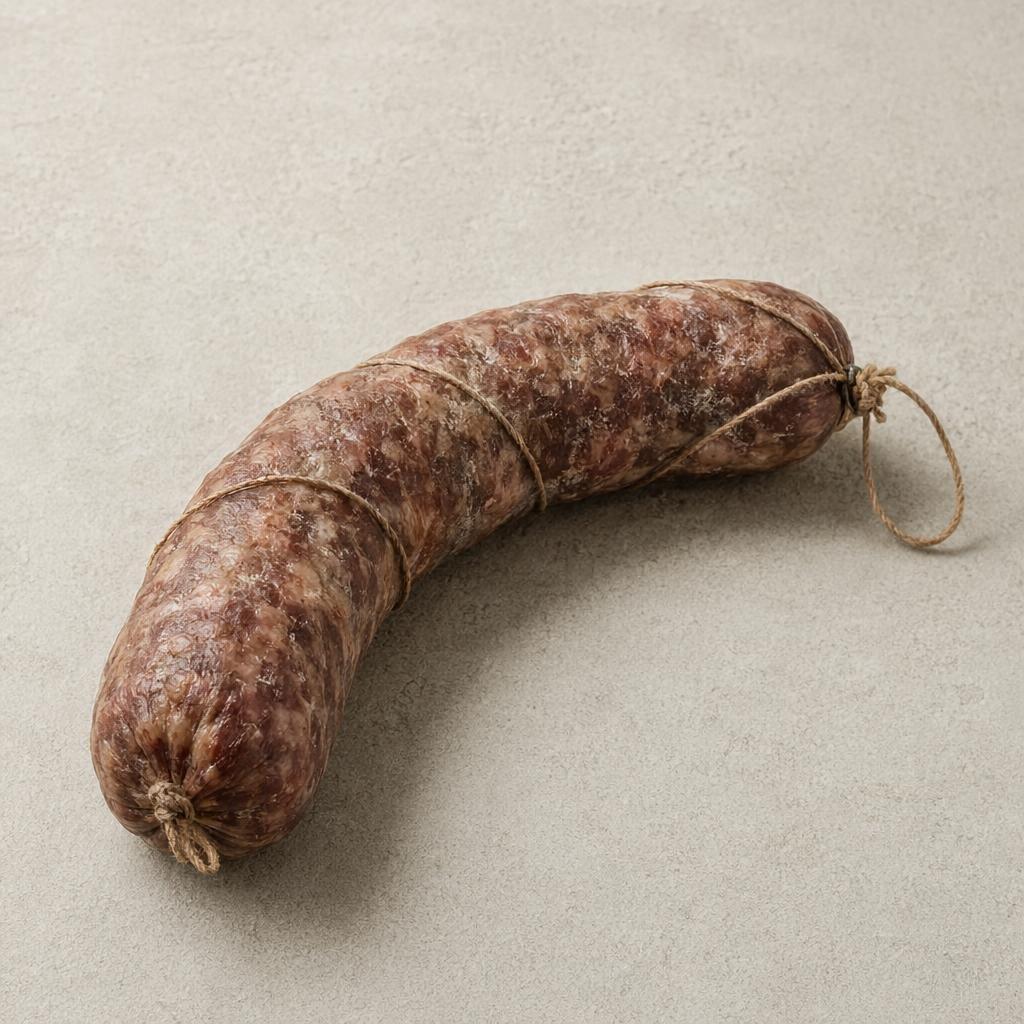
Umbrian mazzafegato in Perugia
AI-generatedIllustrative image generated with artificial intelligence.
Umbrian mazzafegato is one of the most distinctive cured meats of the rural historic practice of Perugia and the Umbrian Apennines. Made with pork meat and liver and scented with spices and orange zest, it delivers intense and surprising flavors, sometimes enriched with a sweet-and-sour note reminiscent of ancient medieval recipes. It comes from the culture of norcineria, where every part of the pig was valued through artisanal knowledge passed down over time. Bringing it home means sharing an original fragment of Umbrian rural cuisine, perfect for telling the story of the region over a charcuterie board or a slice of rustic bread.
- Da assaggiare
- Inverno
- Salume
- Da cucinare
What Umbrian mazzafegato is
Mazzafegato is a historic Umbrian sausage made with minced pork meat and liver, seasoned with salt, pepper, garlic, and orange zest; in some local variations raisins or sugar are added for a slightly sweet-and-sour flavor. The mixture is stuffed into natural casing and aged for several weeks, developing a firm texture and an intense aroma. It is usually eaten sliced, often on rustic bread or as part of a cured meat platter. The product is deeply tied to the rural culture of the province of Perugia and the Umbrian Apennine areas.
«Mazzafegato tells the story of an Umbria shaped by countryside life, winter, and resourceful cooking, where the transformation of the pig was shared knowledge passed down through generations. It carries the idea of a cuisine born from necessity that became cultural identity. Giving or sharing this cured meat means introducing a historic practice that is less touristy but deeply rooted in local life. It is a small fragment of the culture of norcineria, one of the most distinctive expressions of central Italy.»
Origin and history
The origins of mazzafegato are linked to the rural historic practice of pig slaughter widespread throughout Umbria, historically practiced during the winter months. In this context many cured meat recipes were created using less prized parts of the animal, such as the liver, enriched with spices and locally available aromatics. The presence of orange zest and sometimes raisins reflects the influence of sweet-and-sour medieval flavors common in the cuisine of central Italy. Over time, production moved from rural households to artisanal norcinerie, which have preserved the historic recipe.
From workshop to plate, with the people who make it
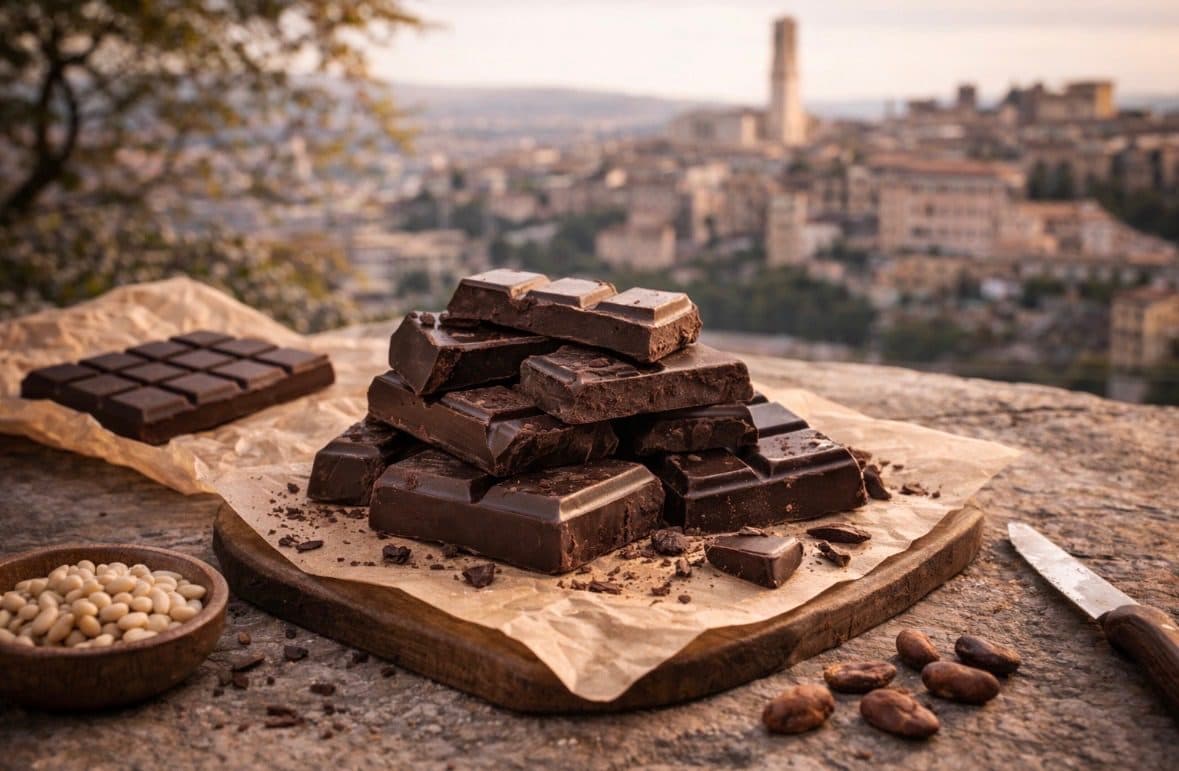
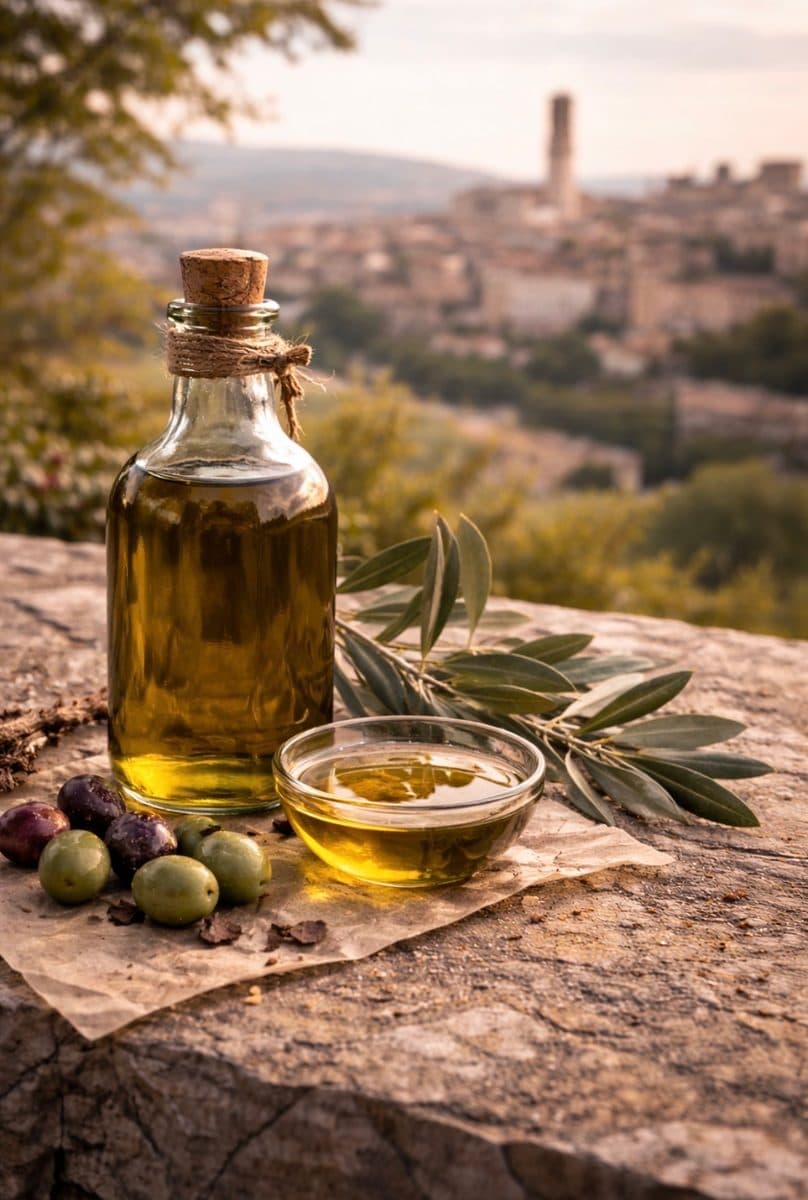
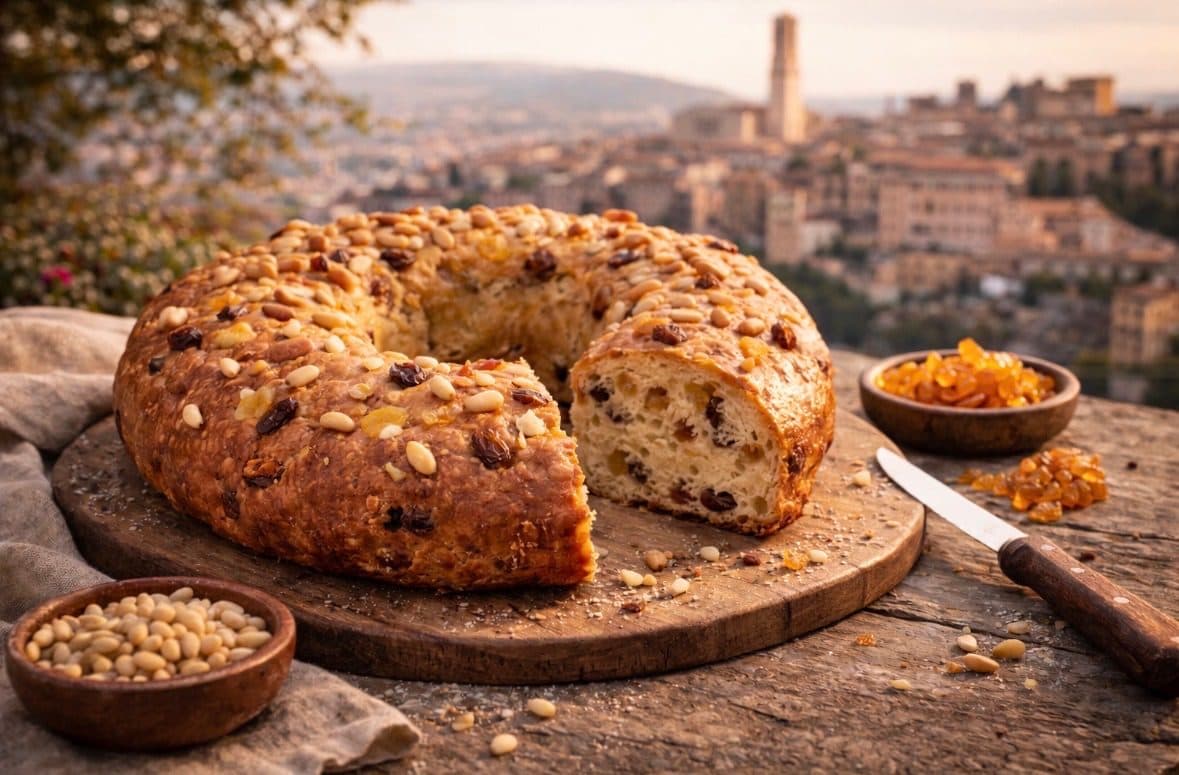
Affiliate links: if you book, Trouvenir earns a small commission at no cost to you.
Where to find Umbrian mazzafegato in Perugia
We don't have verified shops for this souvenir yet. Here is where to look.
It can easily be found in historic norcinerie in Perugia and in shops selling typical Umbrian products, especially in the historic center and local food markets. It is also very common in small artisanal salumi producers in villages across the province, where it is often made according to family recipes. During regional food fairs, village festivals, and farmers’ markets it is frequently served sliced in sandwiches or sold whole. Some specialty shops vacuum-pack it for transport.
- Ask whether it is the sweet version, with raisins, pine nuts and orange, or the savoury one, and whether it is fresh or aged.
Umbrian mazzafegato
Not passing by a shop? Before you buy, check the name and production area on the label.
Search on AmazonAmazon affiliate link
Cultural significance
Mazzafegato belongs to the great historic practice of Umbrian norcineria, a food culture built around the complete processing of the pig. In these rural practices nothing from the animal was wasted, and the liver became a prized ingredient for strongly flavored sausages. This cured meat reflects a direct relationship with the rural world and with the calendar of home pig slaughter, a central moment in agricultural communities. Even today it remains one of the products that distinguish Umbrian gastronomic identity from that of other Italian regions.
More gastronomy from Perugia
All
Frequently asked questions
What makes Umbrian mazzafegato special?
Mazzafegato belongs to the great historic practice of Umbrian norcineria, a food culture built around the complete processing of the pig. In these rural practices nothing from the animal was wasted, and the liver became a prized ingredient for strongly flavored sausages. This cured meat reflects a direct relationship with the rural world and with the calendar of home pig slaughter, a central moment in agricultural communities. Even today it remains one of the products that distinguish Umbrian gastronomic identity from that of other Italian regions.
Where to find Umbrian mazzafegato in Perugia?
It can easily be found in historic norcinerie in Perugia and in shops selling typical Umbrian products, especially in the historic center and local food markets. It is also very common in small artisanal salumi producers in villages across the province, where it is often made according to family recipes. During regional food fairs, village festivals, and farmers’ markets it is frequently served sliced in sandwiches or sold whole. Some specialty shops vacuum-pack it for transport.
How much does Umbrian mazzafegato cost?
€10-€18 al pezzo circa (300–500 g)
Why choose Umbrian mazzafegato as a gift?
Mazzafegato tells the story of an Umbria shaped by countryside life, winter, and resourceful cooking, where the transformation of the pig was shared knowledge passed down through generations. It carries the idea of a cuisine born from necessity that became cultural identity. Giving or sharing this cured meat means introducing a historic practice that is less touristy but deeply rooted in local life. It is a small fragment of the culture of norcineria, one of the most distinctive expressions of central Italy.
Take Trouvenir with you
iOS and Android. Free.