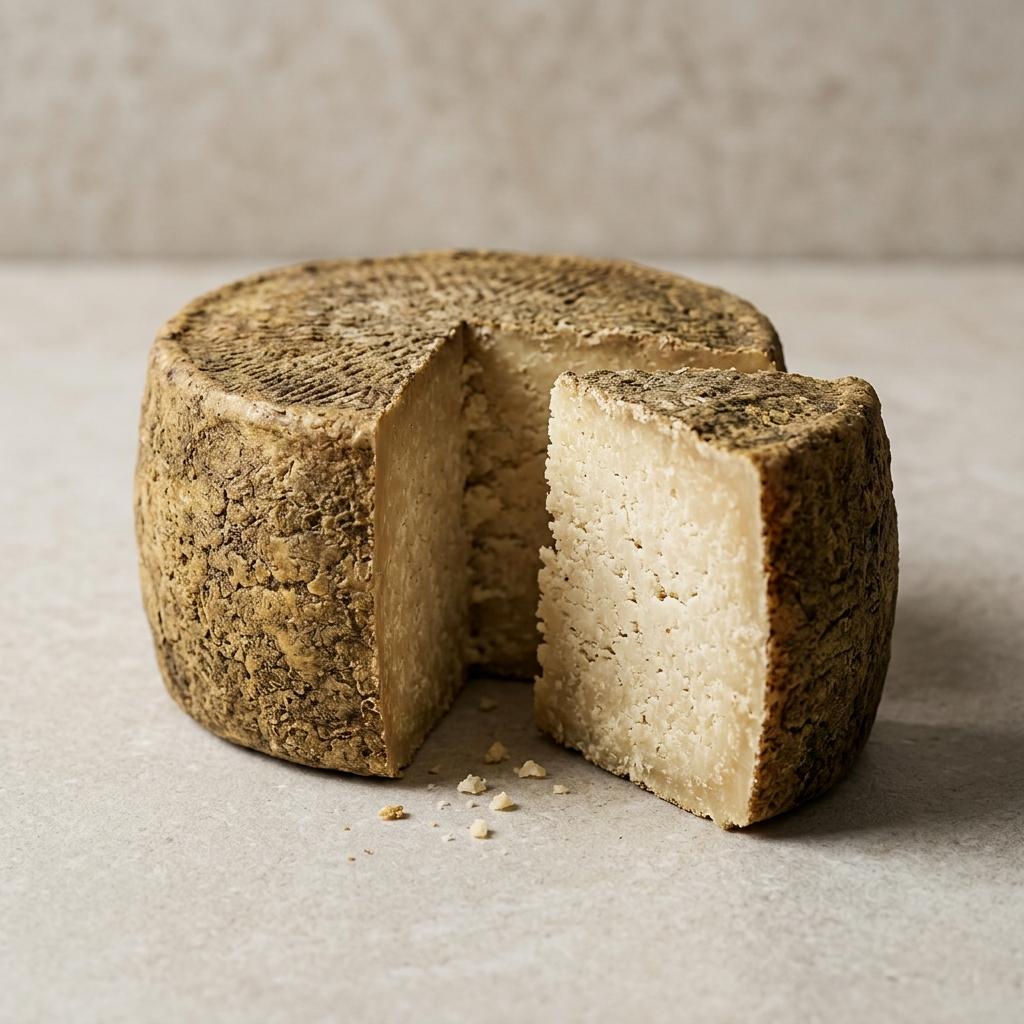
Pecorino di Farindola in Pescara
AI-generatedIllustrative image generated with artificial intelligence.
Pecorino di Farindola is one of the most genuine gastronomic treasures of Abruzzo, born among the pastures and small villages at the foot of Gran Sasso. Its unique identity stems from the ancient use of pig rennet, a rare technique that gives the cheese an intense and unmistakable aromatic character. Every wheel tells the story of the pastoral culture of the Pescara hinterland and the knowledge handed down by mountain cheesemakers. Taking a piece home means sharing a living story made of pastures, slow aging, and local pride.
- Da assaggiare
- Storia secolare
- Presidio Slow Food
- Per aperitivi
What Pecorino di Farindola is
Pecorino di Farindola is a typical sheep's milk cheese from the area, produced on the eastern slopes of Gran Sasso, especially in the municipality of Farindola, in the province of Pescara. It features a compact yet crumbly texture and an intense flavor that becomes spicier with aging. Its best-known characteristic is the use of pig rennet, a rare practice among Italian sheep's cheeses that contributes to its unique aromatic profile. The wheels are generally cylindrical and aged for several months in cool mountain environments. It is recognized as a Slow Food Presidium for the protection of artisanal production.
«This cheese tells the story of a living mountain, made of pastures, small farms, and handed-down knowledge. Remember that behind many local products lie communities that maintain ancient practices while adapting them to the present. Bringing home a Pecorino di Farindola means supporting a fragile yet still living craft. It is a concrete way to connect a trip to the Adriatic coast to the landscape and culture of the inland Abruzzo.»
Origin and history
The pig rennet method is very ancient: Caseus Vestinus, mentioned by philosophers and gastronomes of the 1st century AD, is cited as its ancestor. Production developed in the small mountain centers around Gran Sasso, where sheep farming was central to the local economy. The use of pig rennet distinguishes this cheese from other Italian pecorinos. During the 20th century, production declined with the depopulation of mountain areas, but some cheesemakers continued to preserve its techniques. Protection as a Slow Food Presidium has contributed in recent decades to enhancing its value and making it known even outside the region.
Where to find Pecorino di Farindola in Pescara
We don't have verified shops for this souvenir yet. Here is where to look.
In Pescara, it is easily found in specialized gourmet shops, typical Abruzzo product stores, and some city markets. Many wine bars and downtown shops offer vacuum-packed wheels or portions specifically designed for travelers. For a more direct experience, you can reach the mountain area of Farindola and the Tavo Valley, where small producers and farmhouses sell the cheese directly on-site. Some local restaurants also serve it on platters or in typical dishes.
Cultural significance
This pecorino represents an important part of the pastoral culture of inland Abruzzo. Its production is linked to the historic presence of flocks on the slopes of Gran Sasso. The pig rennet method reflects ancient rural practices born from the complete utilization of available resources in farming communities. Today, it is considered one of the most identity-defining gastronomic products of the province of Pescara and a symbol of the continuity between the coast and the mountains. Recognition as a Slow Food Presidium has strengthened awareness of its cultural value.
More gastronomy from Pescara
All
Frequently asked questions
What makes Pecorino di Farindola special?
This pecorino represents an important part of the pastoral culture of inland Abruzzo. Its production is linked to the historic presence of flocks on the slopes of Gran Sasso. The pig rennet method reflects ancient rural practices born from the complete utilization of available resources in farming communities. Today, it is considered one of the most identity-defining gastronomic products of the province of Pescara and a symbol of the continuity between the coast and the mountains. Recognition as a Slow Food Presidium has strengthened awareness of its cultural value.
Where to find Pecorino di Farindola in Pescara?
In Pescara, it is easily found in specialized gourmet shops, typical Abruzzo product stores, and some city markets. Many wine bars and downtown shops offer vacuum-packed wheels or portions specifically designed for travelers. For a more direct experience, you can reach the mountain area of Farindola and the Tavo Valley, where small producers and farmhouses sell the cheese directly on-site. Some local restaurants also serve it on platters or in typical dishes.
How much does Pecorino di Farindola cost?
20–40 € al kg circa, a seconda della stagionatura
Why choose Pecorino di Farindola as a gift?
This cheese tells the story of a living mountain, made of pastures, small farms, and handed-down knowledge. Remember that behind many local products lie communities that maintain ancient practices while adapting them to the present. Bringing home a Pecorino di Farindola means supporting a fragile yet still living craft. It is a concrete way to connect a trip to the Adriatic coast to the landscape and culture of the inland Abruzzo.
Take Trouvenir with you
iOS and Android. Free.