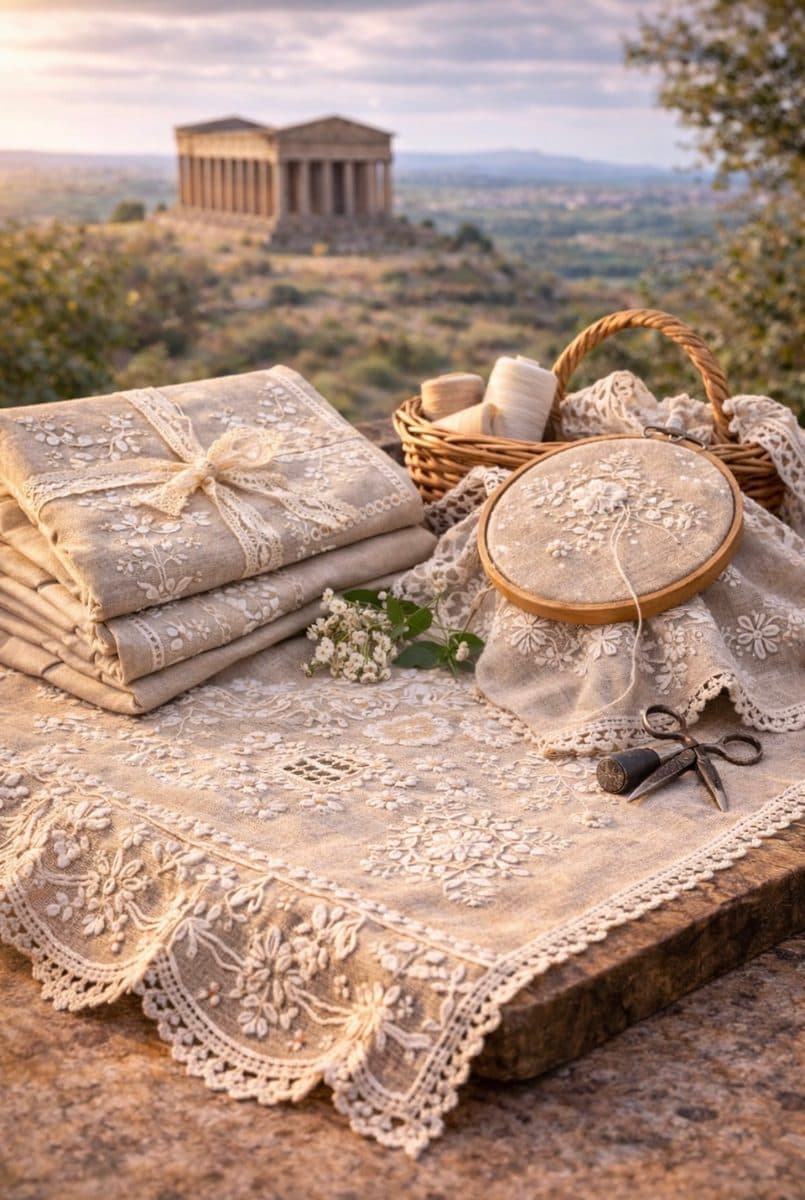
Handcrafted embroidery from the Agrigento area in Agrigento
Handcrafted embroidery from the Agrigento area tells a story of Sicily made of patience, memory, and practices handed down through time. Handmade on linen and cotton, these delicate textiles preserve historical domestic techniques that accompanied daily life and family trousseaus for centuries. Each floral or geometric motif is the sign of a female culture that transformed embroidery into a language of identity and beauty. Bringing one home means keeping a genuine fragment of the Agrigento culture, where elegance arises from attention to detail.
- artigianato tessile
- ricamo siciliano
- Cucina di casa
- fatto a mano
- corredo
What Handcrafted embroidery from the Agrigento area is
Handmade embroidery from the Agrigento area includes tablecloths, doilies, bedsheets, curtains, and small decorative items crafted by hand on linen or cotton. The motifs are often floral, geometric, or inspired by the characteristic Sicilian drawn-thread work known as "sfilato siciliano", a technique that creates light, openwork patterns. The result is elegant yet homely textile work, designed for daily use in households. Each piece shows minor variations due to the manual craftsmanship, making every embroidered item slightly different from the others.
«This object recounts the value of patient work and care for the home, central elements in Sicilian culture. Each embroidered stitch recalls knowledge passed down slowly across generations. Bringing it with you means preserving a trace of that daily dimension of history that is often invisible. It is an invitation to recognize the beauty of manual gestures and domestic knowledge.»
Origin and history
The practice of embroidery in Sicily has ancient roots and developed over time through the encounter of various Mediterranean cultural influences. Techniques such as Sicilian drawn-thread work and other linen embroideries spread particularly between the 17th and 19th centuries, when domestic textile production was central to family life. In the Agrigento area, embroidery was taught to girls from a young age, often within the family or in religious boarding schools. The items created became part of the bridal trousseau and were preserved for decades. With the decline of domestic production in the 20th century, some of these techniques survived thanks to local artisans and small workshops.
From workshop to plate, with the people who make it
- FoodStreet food in Agrigento's alleysBakeries, bars and the monastery's biscuitsSee on GetYourGuide
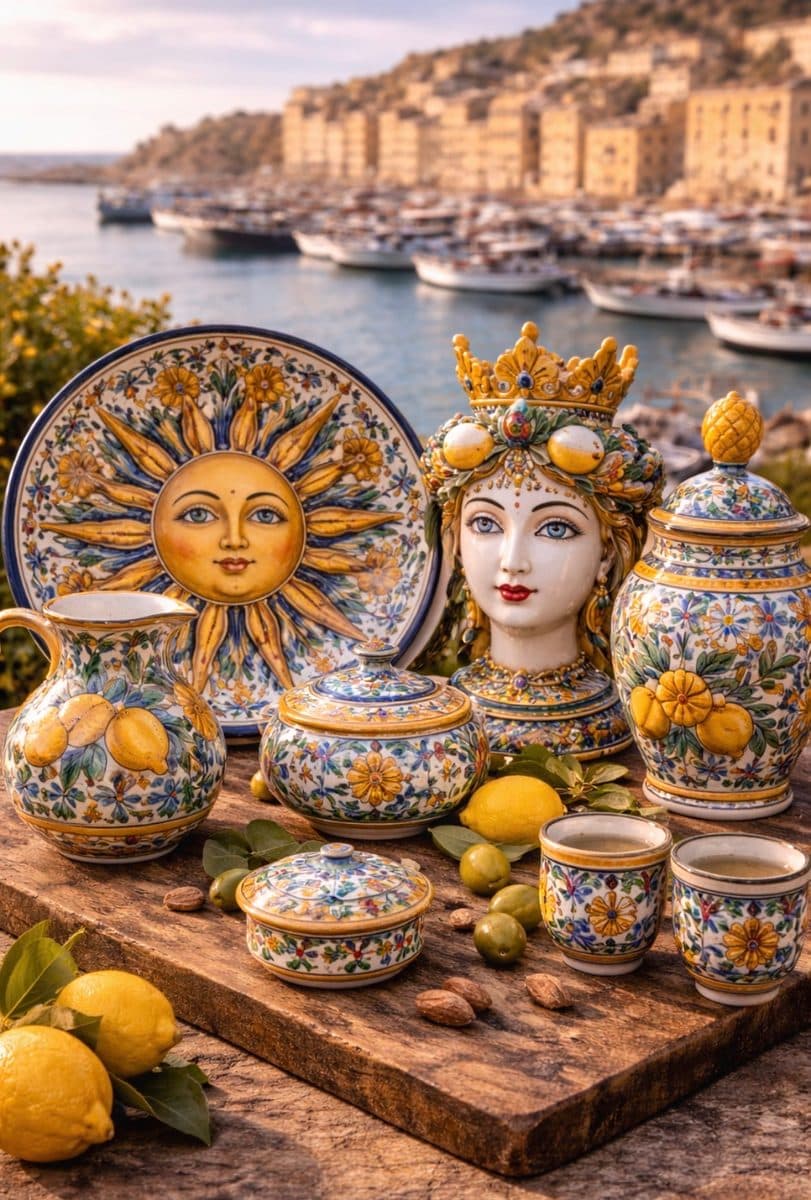 CraftSciacca coral in the workshopShape fossil coral into a small lucky hornSee on GetYourGuide
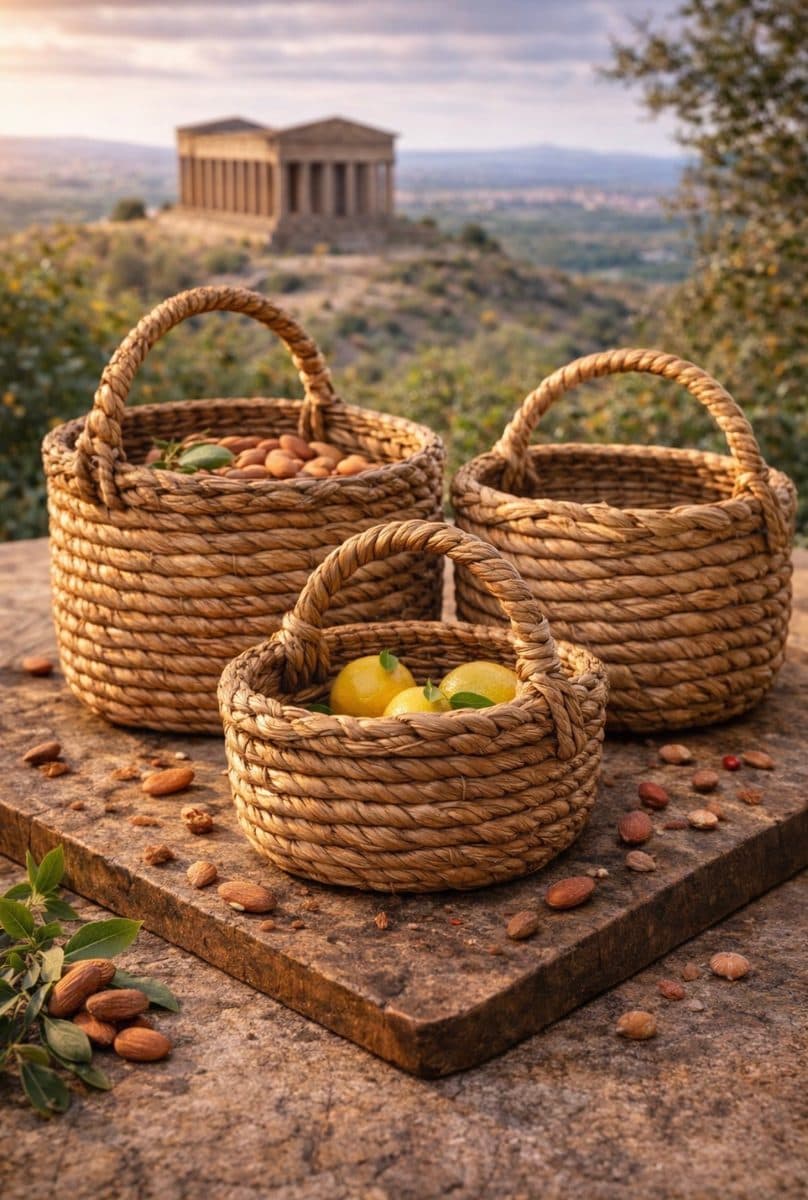 CookingSicilian cooking in a home in FavaraA tailored menu made with local ingredientsSee on GetYourGuide
Affiliate links: if you book, Trouvenir earns a small commission at no cost to you.
Where to find Handcrafted embroidery from the Agrigento area in Agrigento
We don't have verified shops for this souvenir yet. Here is where to look.
They can be found mainly in local craft shops in the historic center of Agrigento and in specialty product stores near the Valley of the Temples. Some pieces come from small family workshops in the towns of the province, where embroidery continues to be practiced domestically. During craft fairs, seasonal markets, and local festivals, it is possible to meet artisans selling their work directly. In more specialized shops, you can also find embroideries made using classic techniques such as drawn-thread work or white-work embroidery.
- Look at the back: on linen or cotton, hand stitches vary a little.
- Ask who embroidered it and with which technique.
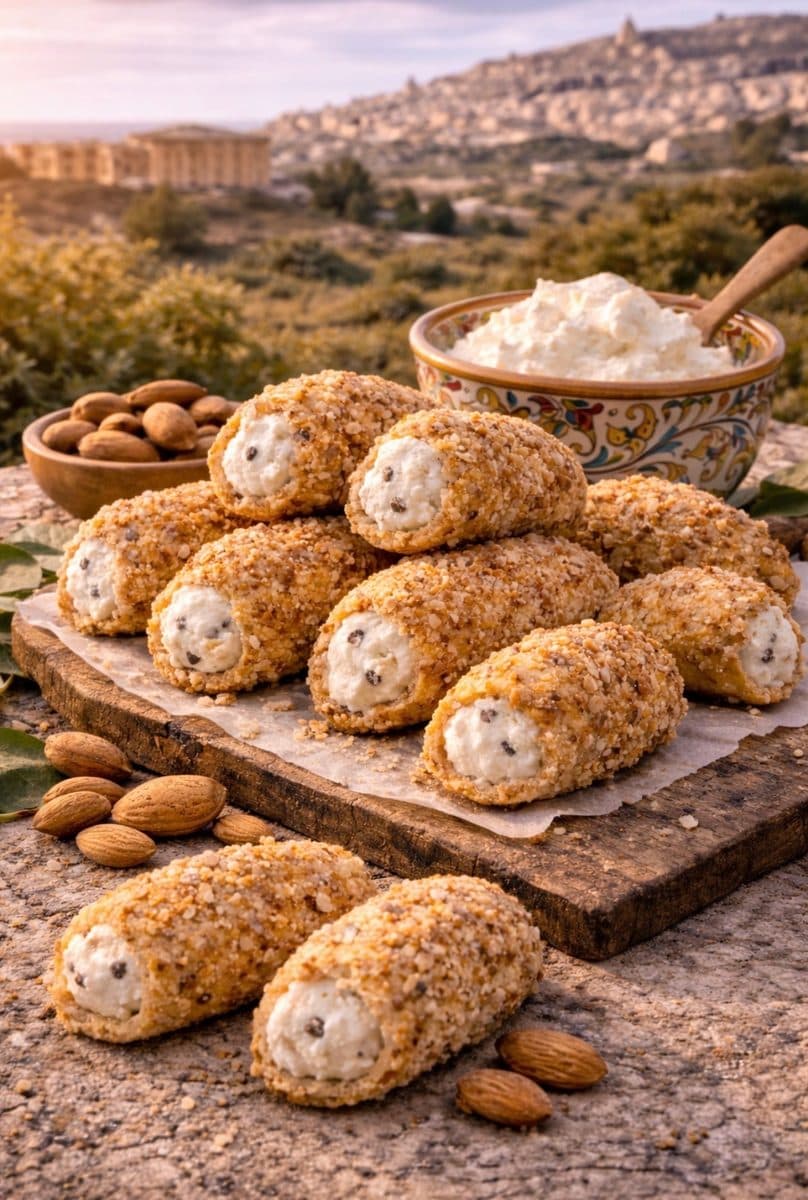
Handcrafted embroidery from the Agrigento area
Not passing by a shop? Before you buy, check the name and production area on the label.
Search on AmazonAmazon affiliate link
Cultural significance
Home embroidery has been an important part of Sicilian material culture and family life organization for centuries. In the province of Agrigento, as in much of the island, the production of embroidered linens was tied to the wedding trousseau and household management. This manual work represented skill, patience, and care—qualities socially valued in rural and urban communities alike. The embroideries preserved within families often tell stories of generations of women who contributed to building the domestic heritage. Today, they also serve as tangible evidence of craft knowledge at risk of disappearing.
More crafts from Agrigento
All
Frequently asked questions
What makes Handcrafted embroidery from the Agrigento area special?
Home embroidery has been an important part of Sicilian material culture and family life organization for centuries. In the province of Agrigento, as in much of the island, the production of embroidered linens was tied to the wedding trousseau and household management. This manual work represented skill, patience, and care—qualities socially valued in rural and urban communities alike. The embroideries preserved within families often tell stories of generations of women who contributed to building the domestic heritage. Today, they also serve as tangible evidence of craft knowledge at risk of disappearing.
Where to find Handcrafted embroidery from the Agrigento area in Agrigento?
They can be found mainly in local craft shops in the historic center of Agrigento and in specialty product stores near the Valley of the Temples. Some pieces come from small family workshops in the towns of the province, where embroidery continues to be practiced domestically. During craft fairs, seasonal markets, and local festivals, it is possible to meet artisans selling their work directly. In more specialized shops, you can also find embroideries made using classic techniques such as drawn-thread work or white-work embroidery.
How much does Handcrafted embroidery from the Agrigento area cost?
15-250 € a seconda dell’oggetto e della complessità del ricamo
Why choose Handcrafted embroidery from the Agrigento area as a gift?
This object recounts the value of patient work and care for the home, central elements in Sicilian culture. Each embroidered stitch recalls knowledge passed down slowly across generations. Bringing it with you means preserving a trace of that daily dimension of history that is often invisible. It is an invitation to recognize the beauty of manual gestures and domestic knowledge.
Take Trouvenir with you
iOS and Android. Free.