Catanian iris in Catania
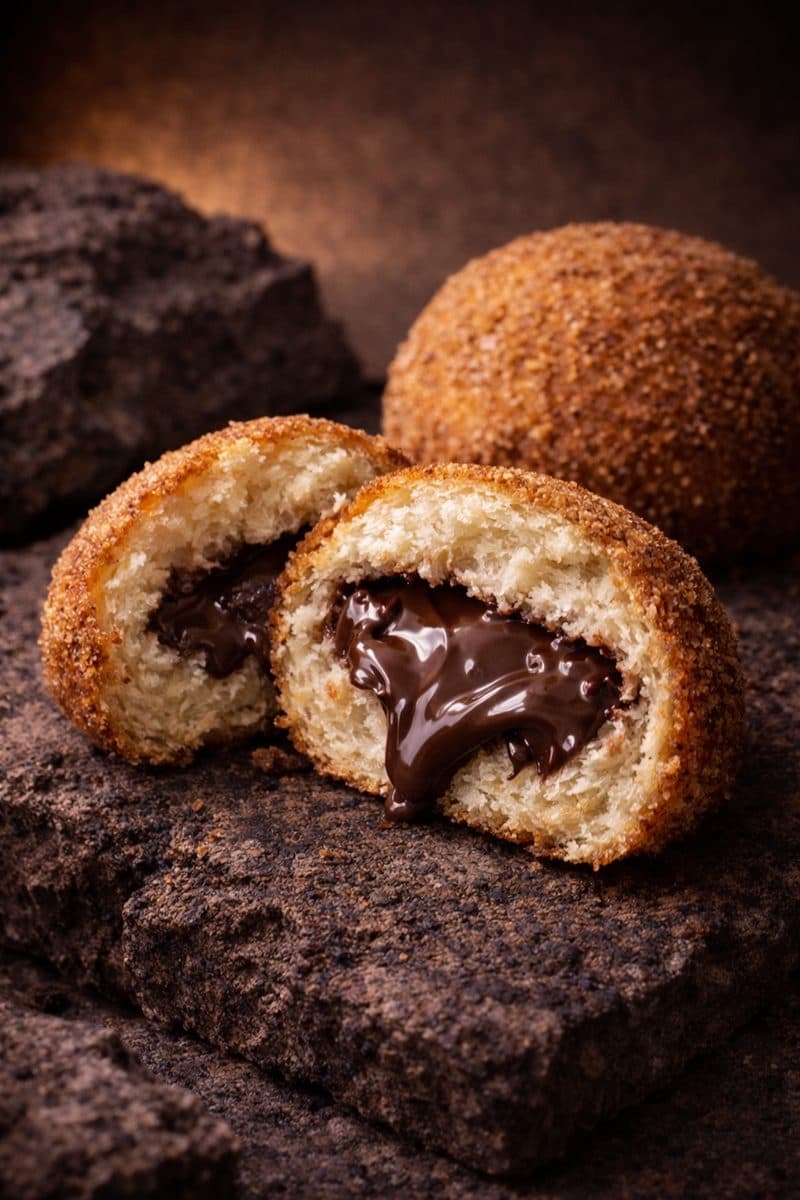
The Catanian iris is one of the small great rituals of local pastry-making: a soft sweet bread roll, breaded and fried, hiding a creamy heart of ricotta or cocoa cream. The contrast between the golden crust and the rich filling tells of the full generosity of Sicilian cuisine. Born in Catania at the beginning of the twentieth century and tied to the life of city cafés, it is a sweet to be experienced rather than bought, enjoyed warm amidst the daily bustle. Tasting it means taking home the true memory of a Catanian break, simple and intensely local.
- Da assaggiare subito
- Cultura catanese
- Street food dolce
What Catanian iris is
The Catanian iris is a fried pastry consisting of a soft leavened bread roll, breaded and fried until golden and crisp on the outside. Inside, it holds a creamy filling, usually sweetened ricotta with chocolate chips or custard and cocoa. The contrast between the fragrant crust and the soft, rich core is its most beloved feature. It is eaten warm or lukewarm, often as a hearty breakfast or a characteristic Sicilian afternoon snack.
«The iris speaks of a city that experiences food as a daily and convivial pleasure. It shows how in Catania even a simple bread roll can become a rich and celebratory pastry thanks to the creativity of local confectionery. It carries the Sicilian idea of abundance, full flavor, and shared breaks at the café. It is the symbol of a vibrant urban life, made of daily gestures and handed-down recipes.»
Origin and history
The creation of the iris is generally placed in the early twentieth century in Catania. According to the most widespread version, it was created by a local pastry chef for the opera "Iris" by Pietro Mascagni, performed at the Teatro Massimo Bellini in 1901, from which the pastry took its name. The idea was to transform a simple sweet roll into a rich dessert by filling it with cream or ricotta and frying it. Over time, the recipe spread through the city's pastry shops and also gave rise to local variations.
From workshop to plate, with the people who make it
- FoodThe Pescheria and Catania street foodArancino, cipollina and granita at the stallsSee on GetYourGuide
 CraftA tile of Etna lava stoneDecorate lava stone and try the potter's wheelSee on GetYourGuide
 CookingPistachio ravioli in a Catania homeMake the pasta, then dine with your hostSee on GetYourGuide
Affiliate links: if you book, Trouvenir earns a small commission at no cost to you.
Where to find Catanian iris in Catania
We don't have verified shops for this souvenir yet. Here is where to look.
It is easily found in the historic pastry shops and cafés of Catania, especially those producing artisanal Sicilian sweets. It is common to see it displayed alongside arancini and other counter-fried foods. Many Catanians buy it in the morning as an alternative breakfast to the brioche or in the afternoon as a hearty snack. The pastry shops in the historic center and popular neighborhoods still prepare it according to craft recipes.
- Ask if it was fried today: golden crust outside, sweet ricotta or custard inside.
Catanian iris
Not passing by a shop? Before you buy, check the name and production area on the label.
Search on AmazonAmazon affiliate link
Cultural significance
The iris is considered one of the defining pastries of Catanian confectionery and well represents the local culture of large fried stuffed foods. It shares the same gastronomic universe as arancini, cartocciate, and other substantial street foods that shape the city's daily life. The pastry also speaks to the culture of the Sicilian café as a social space, where breakfast or the afternoon break become ritual moments. Although it lacks the international fame of cannoli or cassate, in Catania it is perceived as a deeply civic specialty.
More gastronomy from Catania
All


Frequently asked questions
What makes Catanian iris special?
The iris is considered one of the defining pastries of Catanian confectionery and well represents the local culture of large fried stuffed foods. It shares the same gastronomic universe as arancini, cartocciate, and other substantial street foods that shape the city's daily life. The pastry also speaks to the culture of the Sicilian café as a social space, where breakfast or the afternoon break become ritual moments. Although it lacks the international fame of cannoli or cassate, in Catania it is perceived as a deeply civic specialty.
Where to find Catanian iris in Catania?
It is easily found in the historic pastry shops and cafés of Catania, especially those producing artisanal Sicilian sweets. It is common to see it displayed alongside arancini and other counter-fried foods. Many Catanians buy it in the morning as an alternative breakfast to the brioche or in the afternoon as a hearty snack. The pastry shops in the historic center and popular neighborhoods still prepare it according to craft recipes.
How much does Catanian iris cost?
2–4 €
Why choose Catanian iris as a gift?
The iris speaks of a city that experiences food as a daily and convivial pleasure. It shows how in Catania even a simple bread roll can become a rich and celebratory pastry thanks to the creativity of local confectionery. It carries the Sicilian idea of abundance, full flavor, and shared breaks at the café. It is the symbol of a vibrant urban life, made of daily gestures and handed-down recipes.
Take Trouvenir with you
iOS and Android. Free.