Reggio Calabria, a compact province with diverse names
4 min read
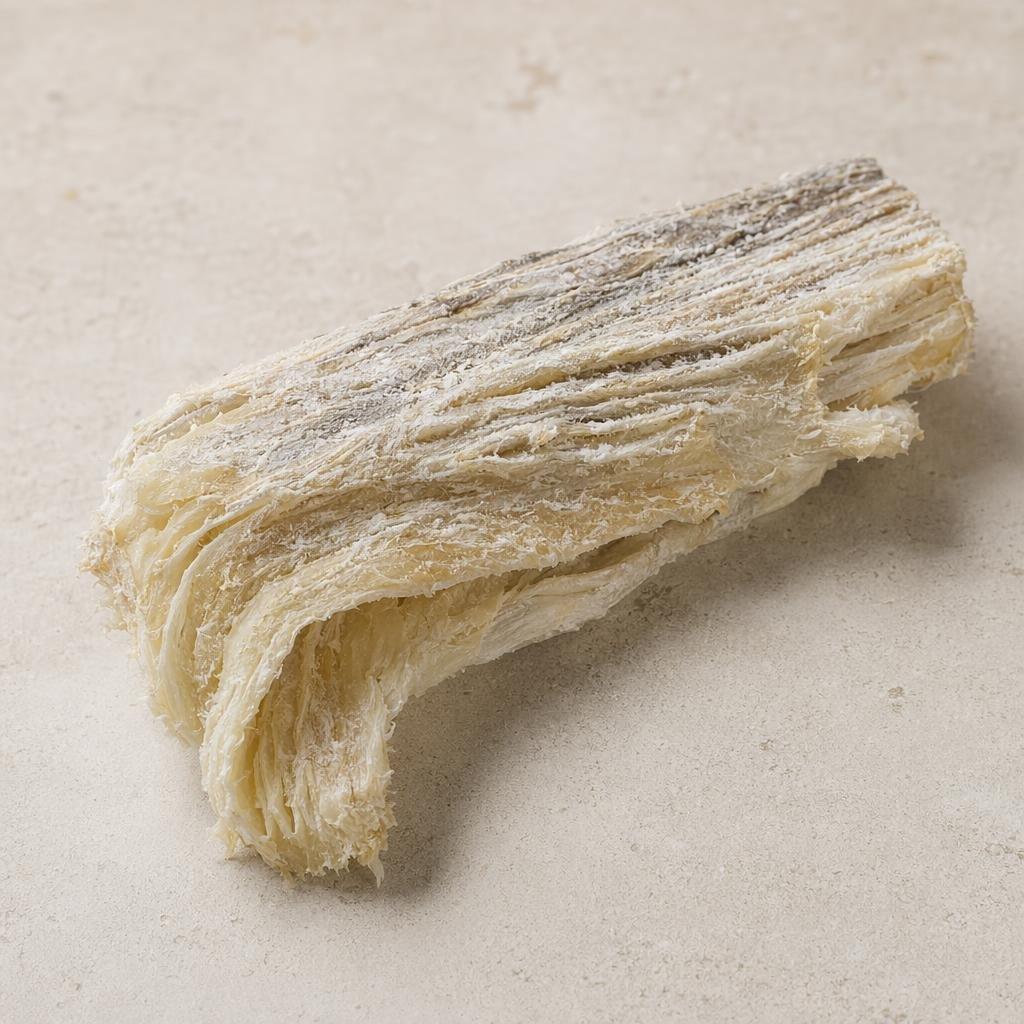
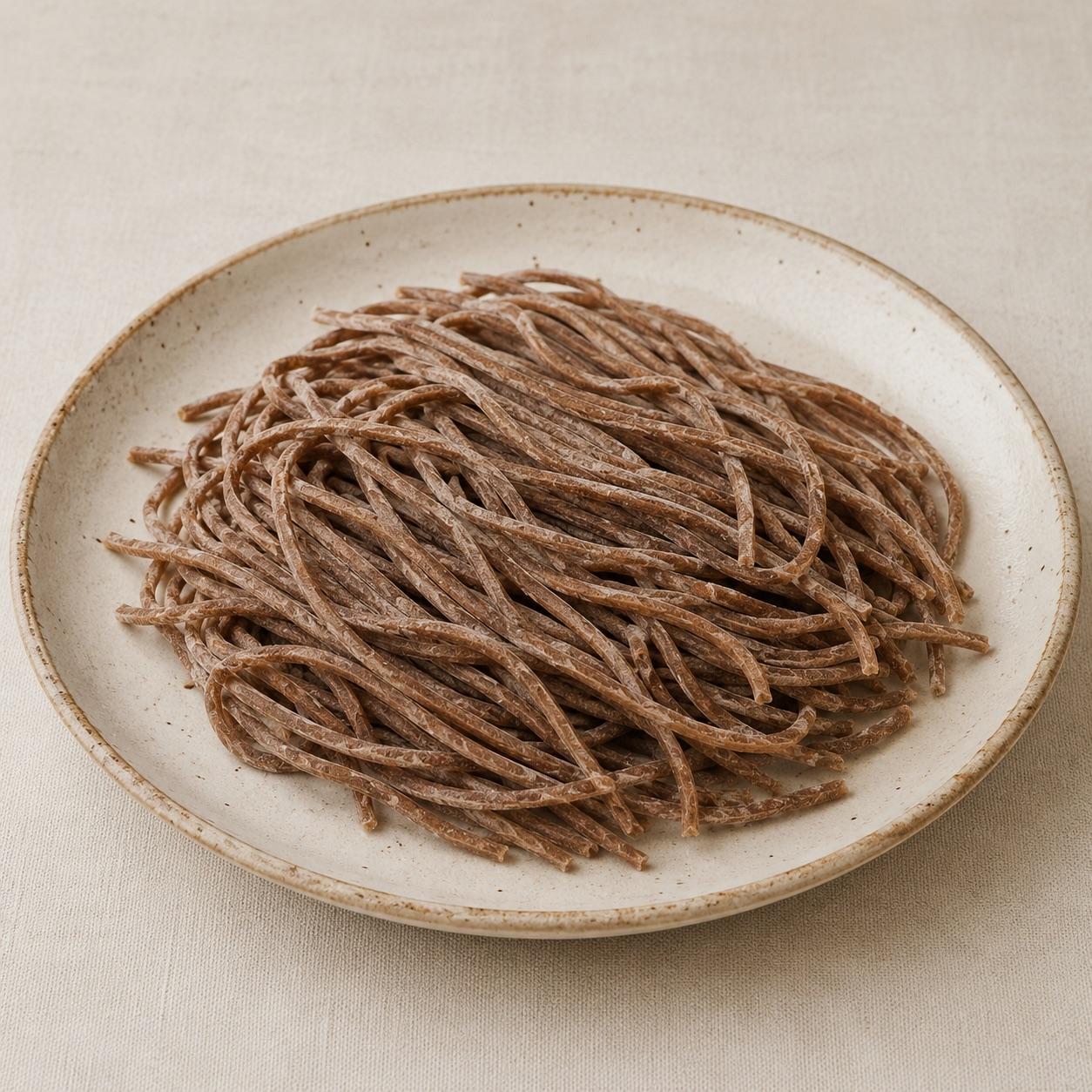
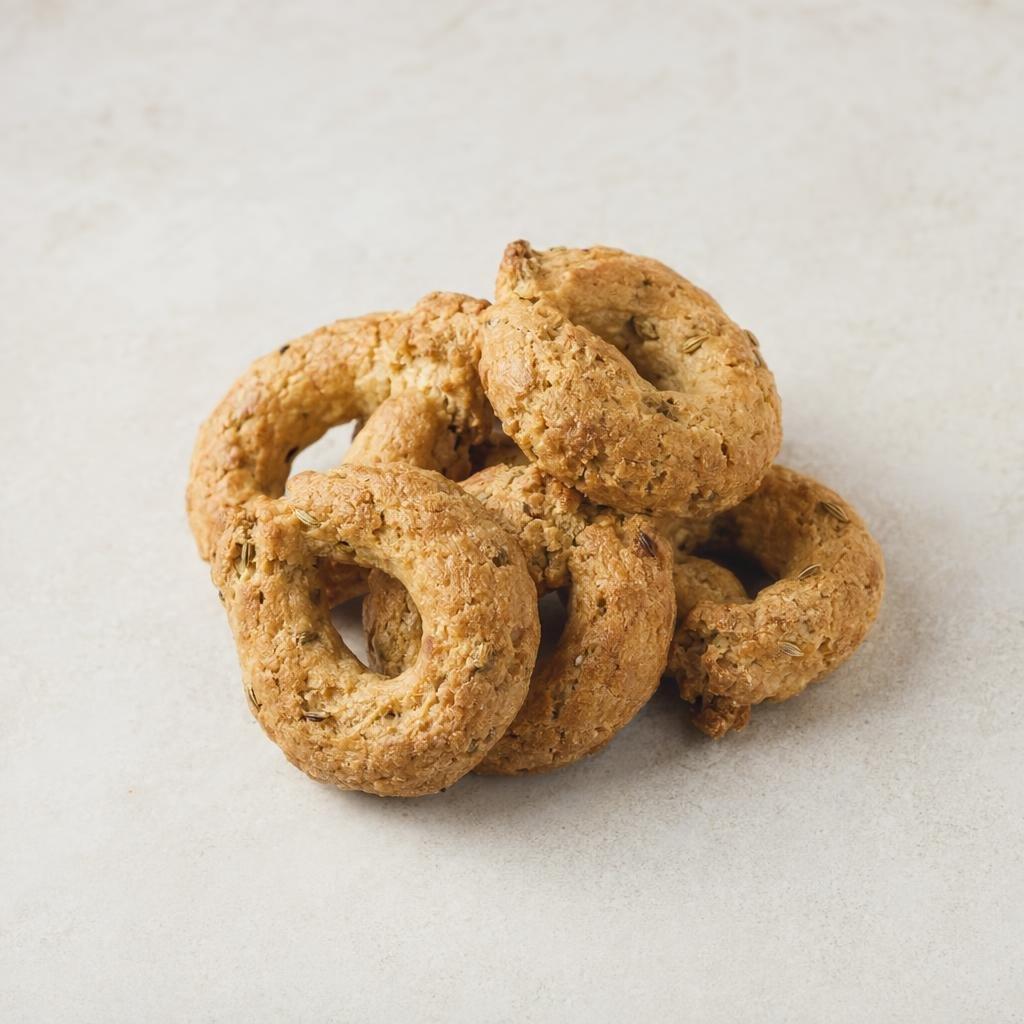
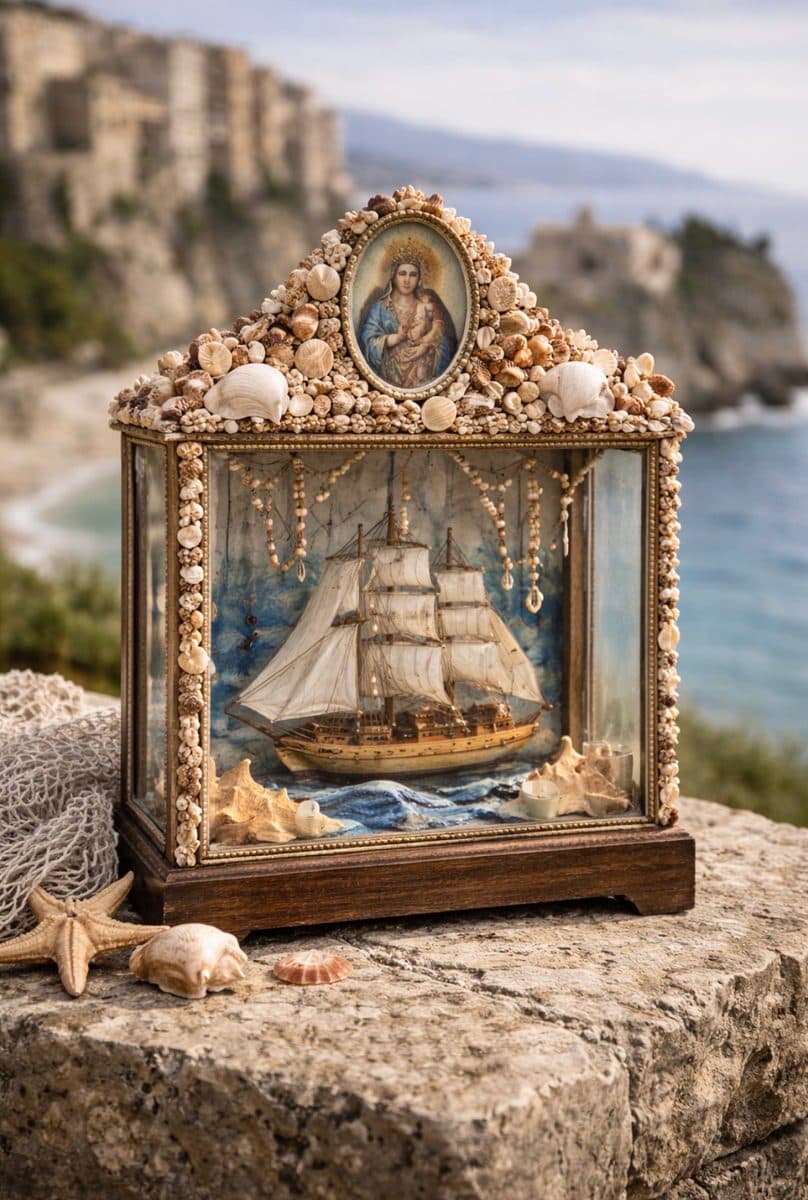
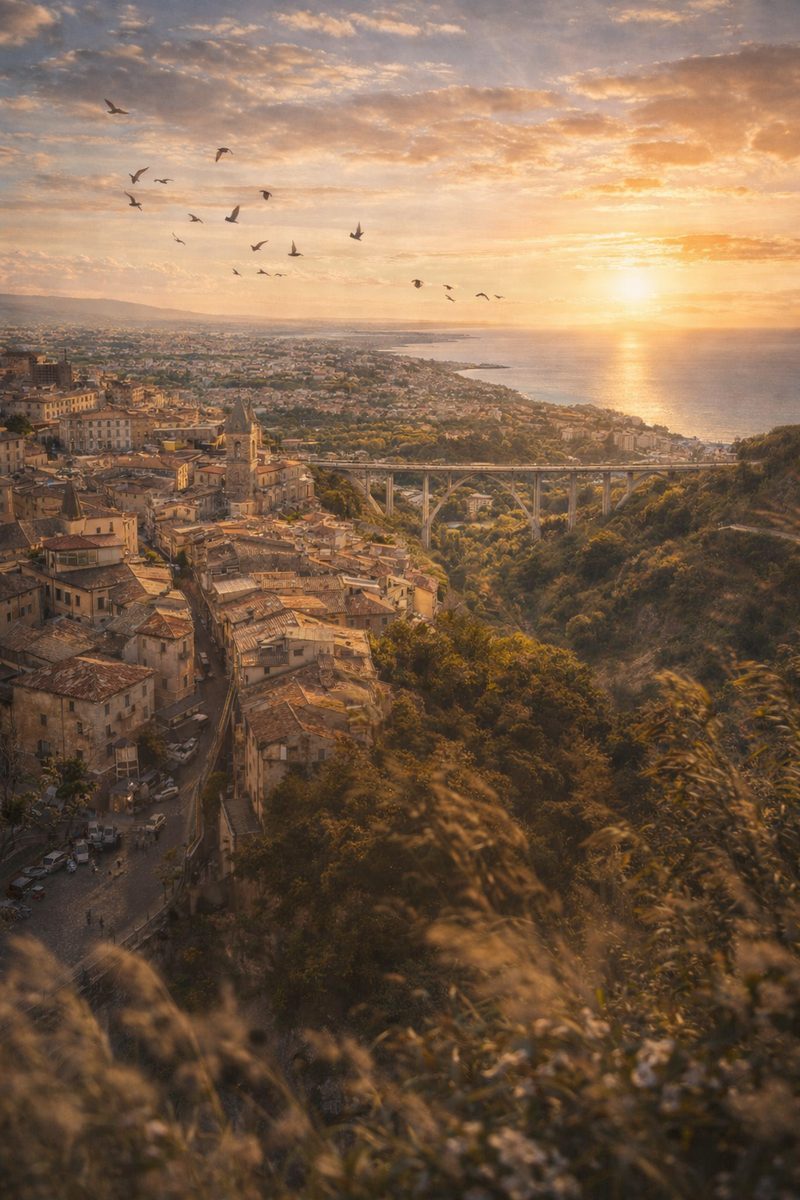
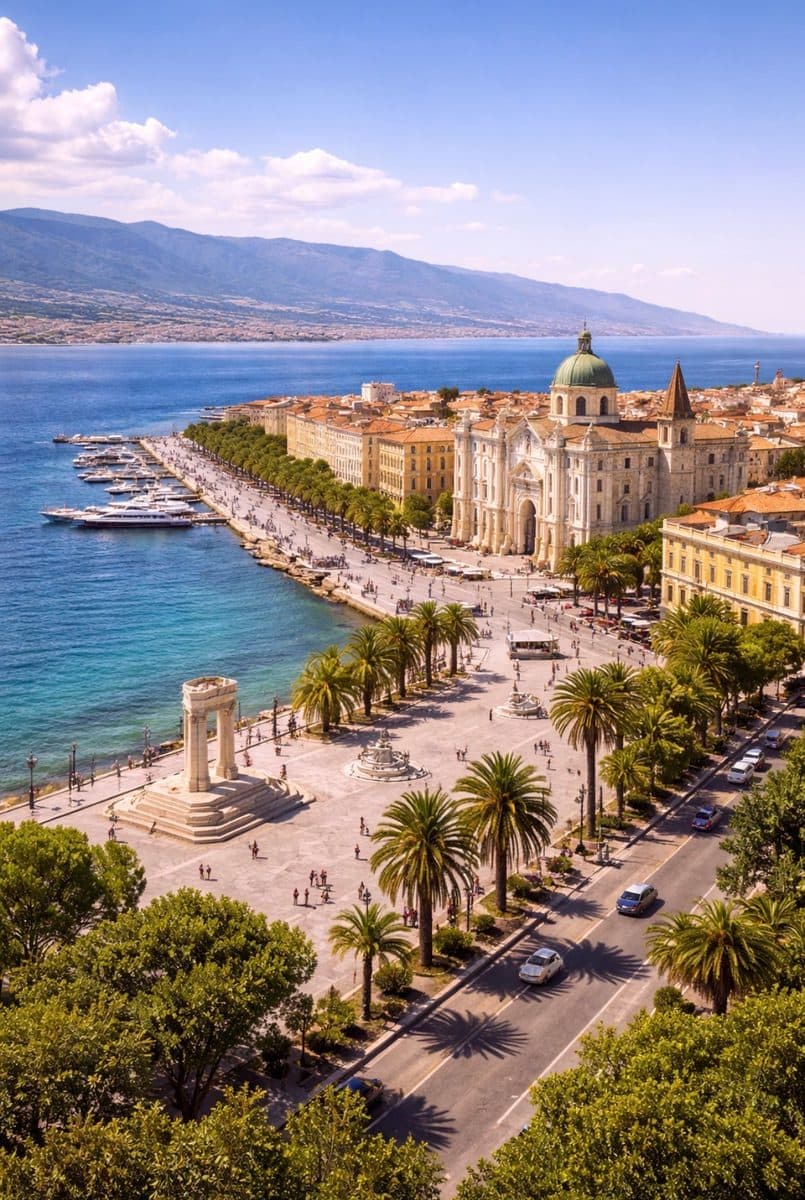
Reggio Calabria brings together, within a single province, things that do not belong in the same shop: bergamot essential oil on the coast, the ceramics of the potters in Seminara, the dark pasta of the Piana di Gioia Tauro, and reprocessed stockfish in Mammola. The city center looks out at Messina, a few kilometers away across the Strait, but the worthwhile purchases leave the main thoroughfare and take the names of the towns.
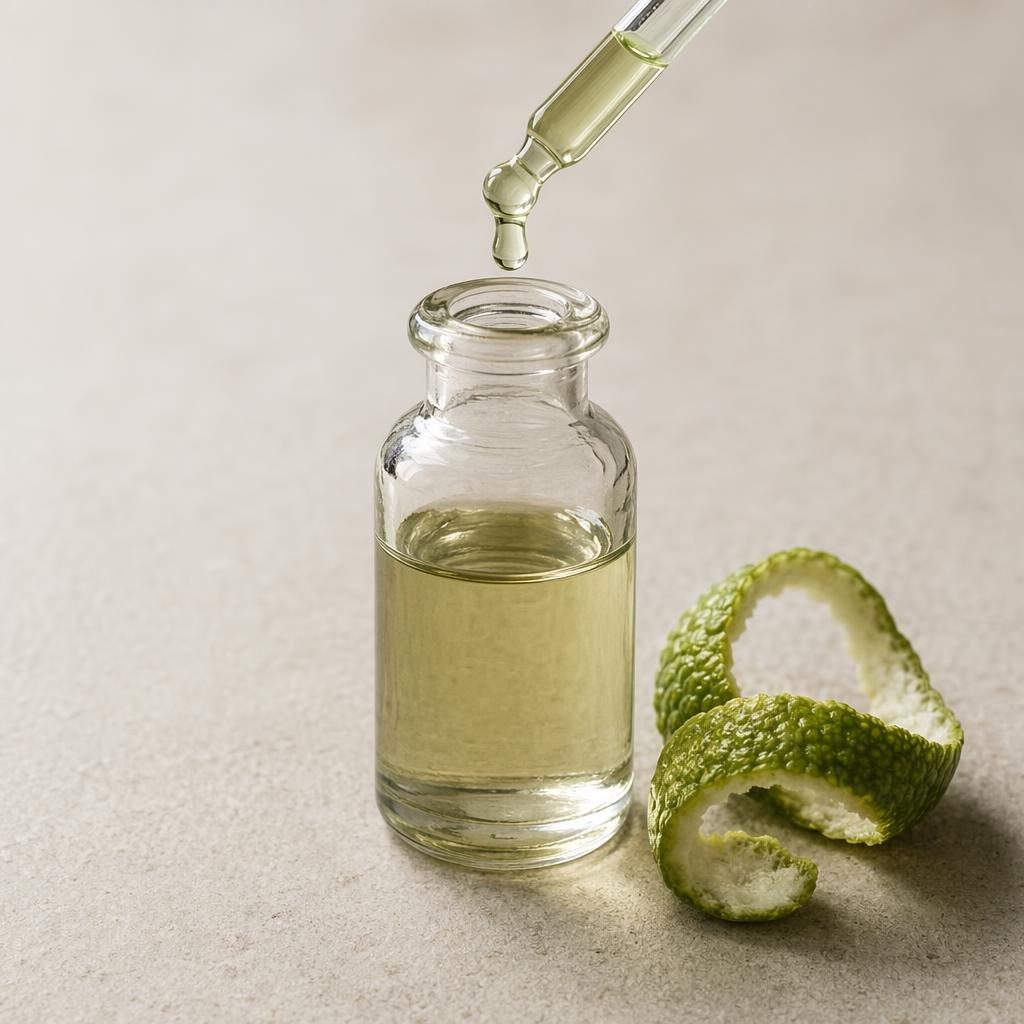
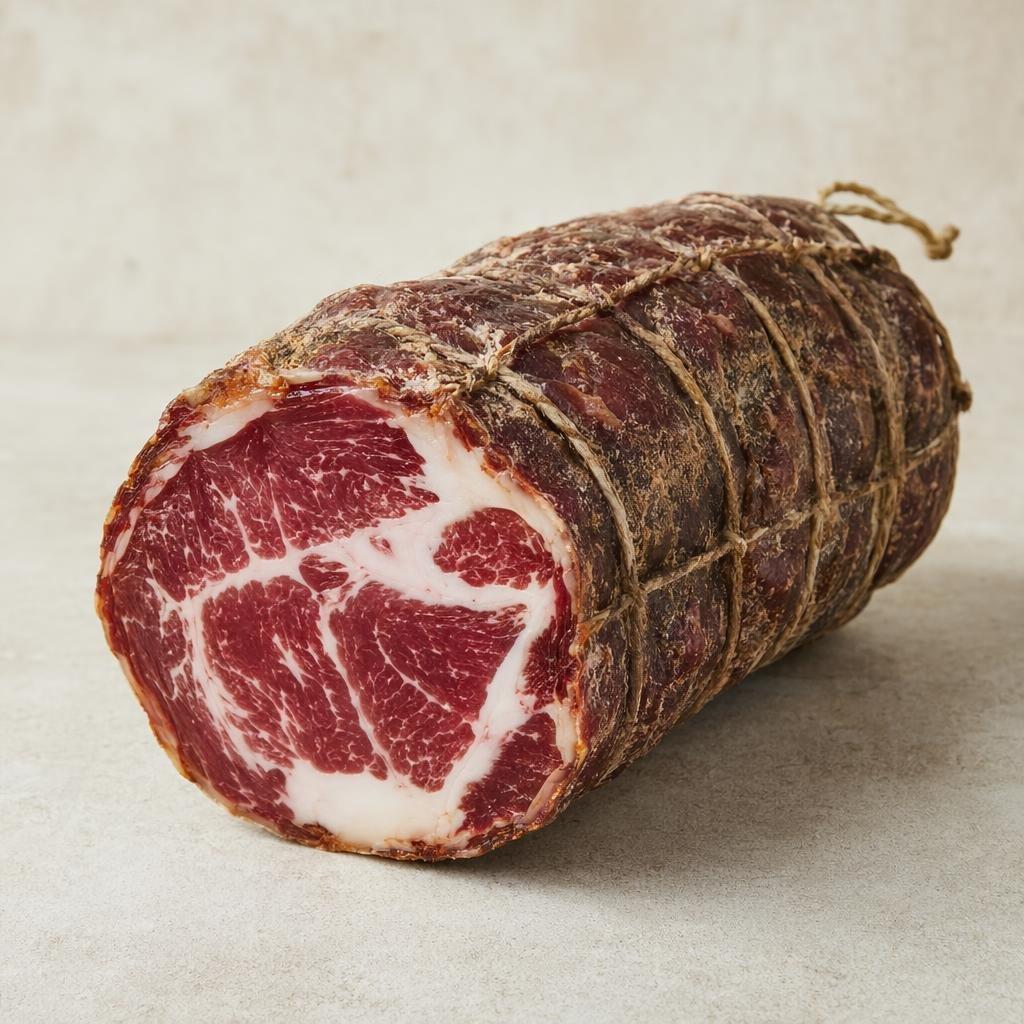
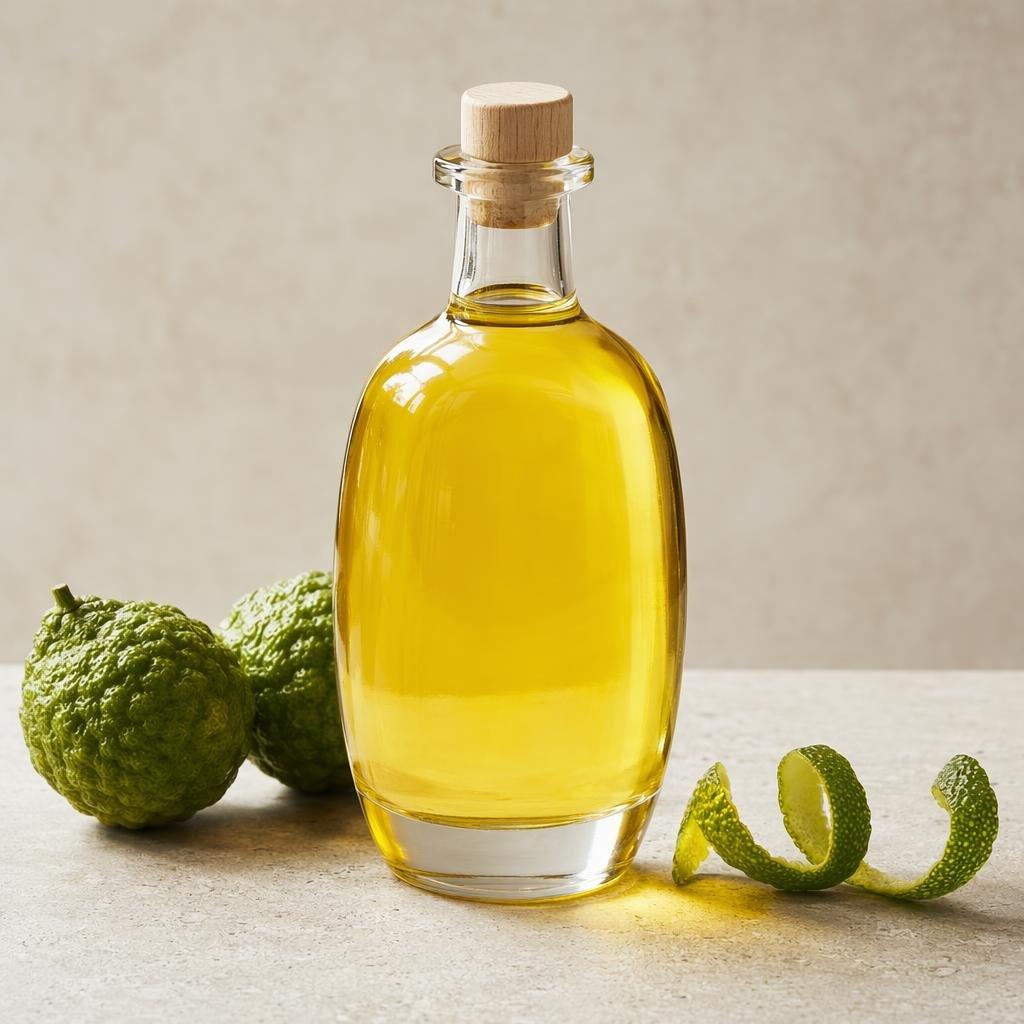
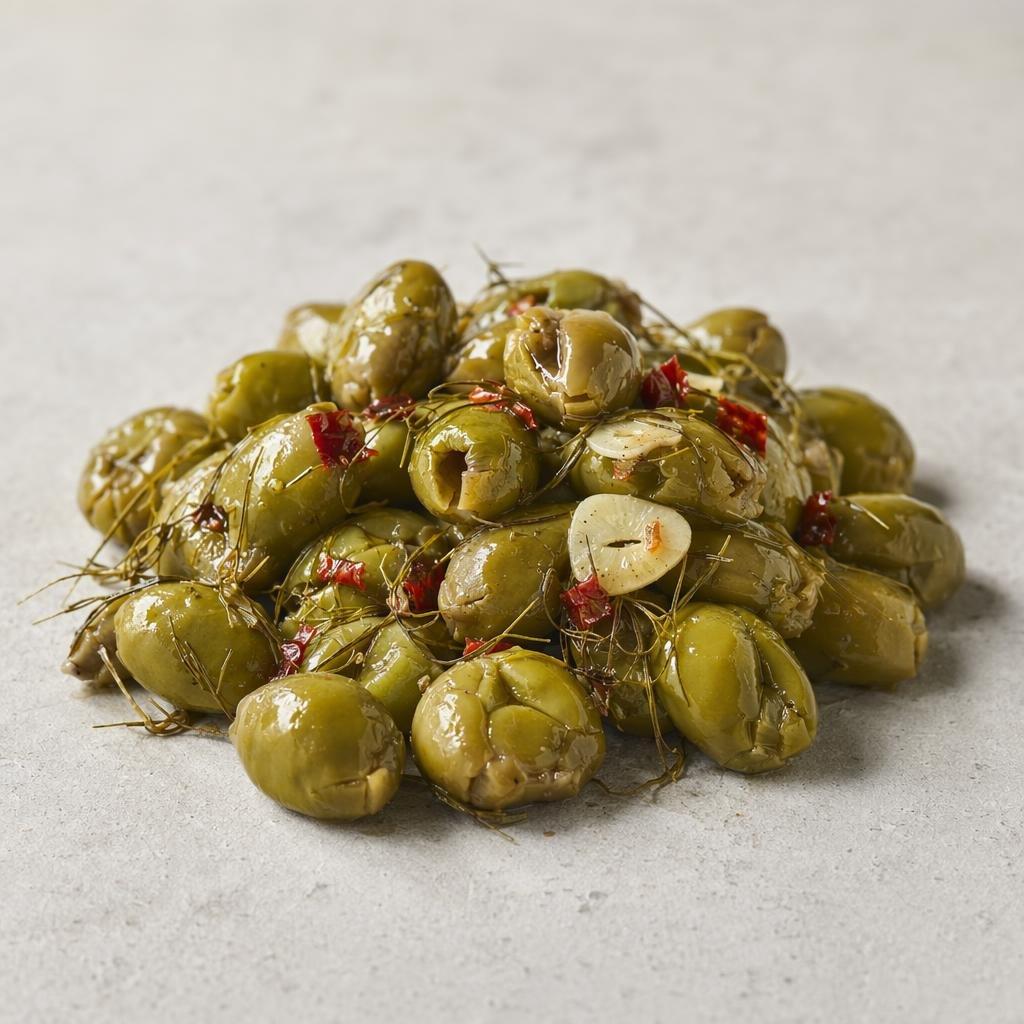
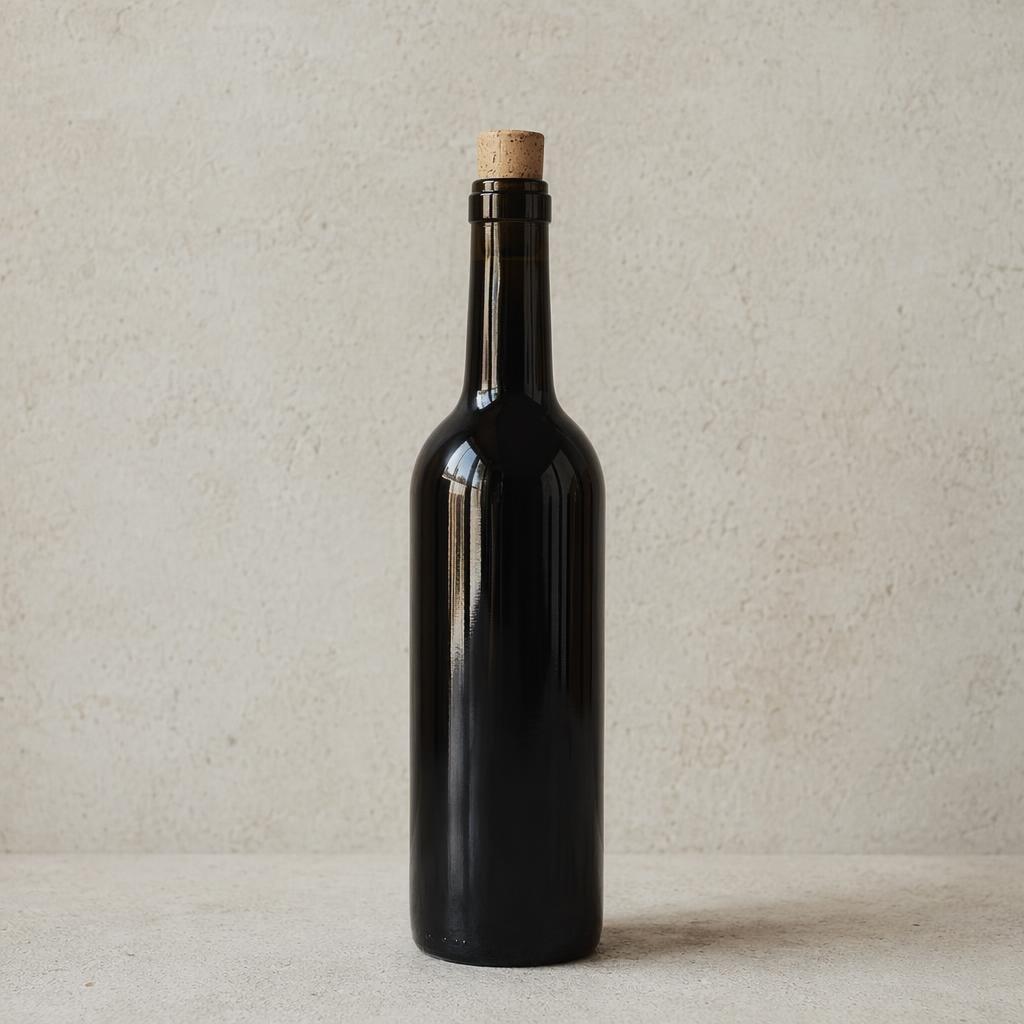
The PDO for bergamot covers the essential oil: on the small bottle you read Bergamotto di Reggio Calabria – Olio essenziale, the name of the oil extracted cold from the peel. Capocollo di Calabria DOP and Soppressata di Calabria DOP cover the entire region: look for the seal on the packaging. Aspromonte olive oil, when certified, bears the label Olio di Calabria IGP. For everything else—jam, almond paste, crushed olives, struncatura, pignolata, and stockfish—choose directly from the workshop and the town.
This guide includes products with a workshop, a label, or a recognized name, and for each one you will find the town to ask for.
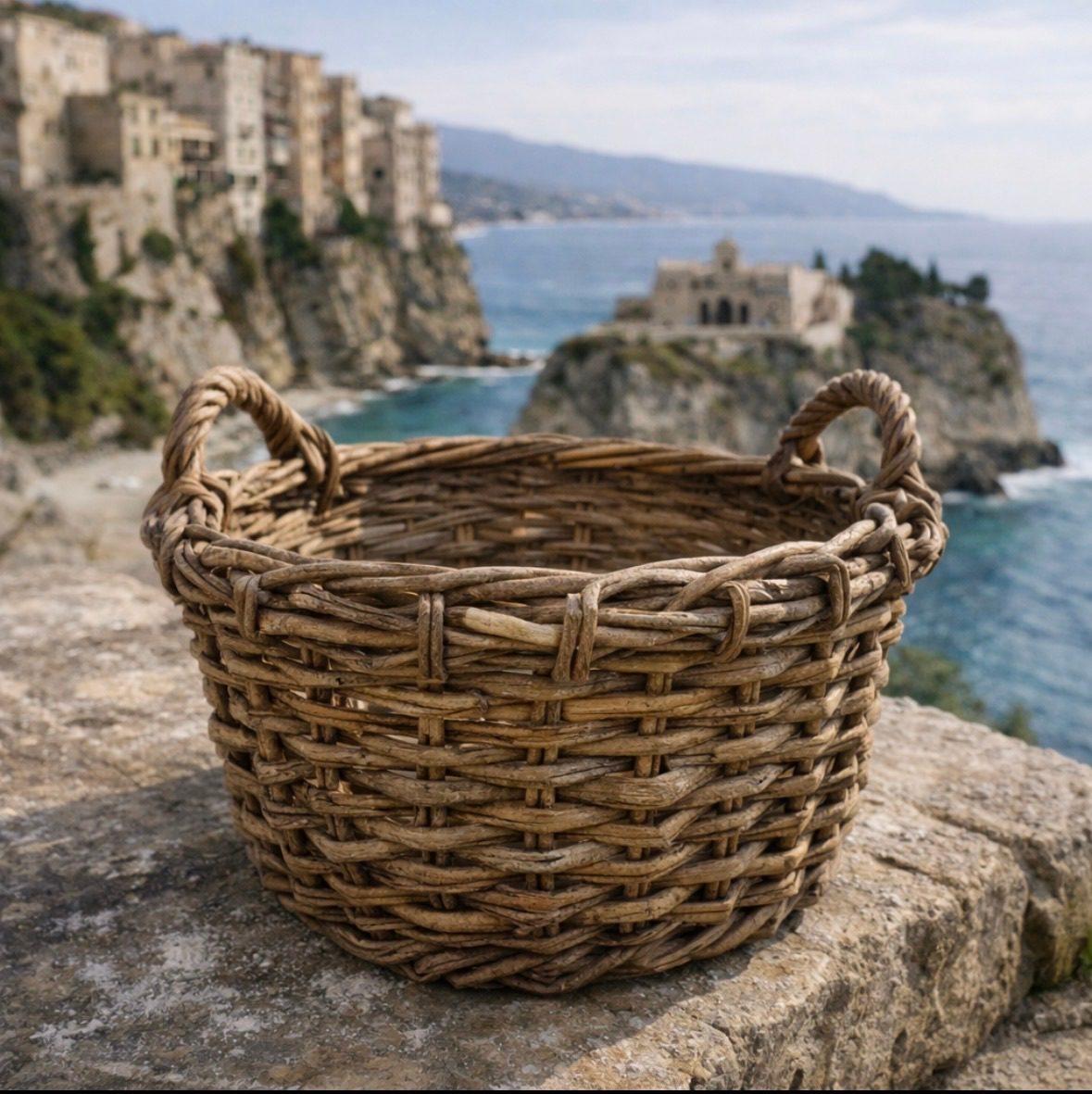
Reggio Calabria is the city on the Strait, but the purchases worth making are often found in another municipality within the same province. Seminara lies on the Piana di Gioia Tauro, to the north on the Tyrrhenian slope; Mammola toward the Locride area on the Ionian slope; and the bergamot strip runs along the sea. If you look for each item in its own town, you take home an object with a name and a maker.
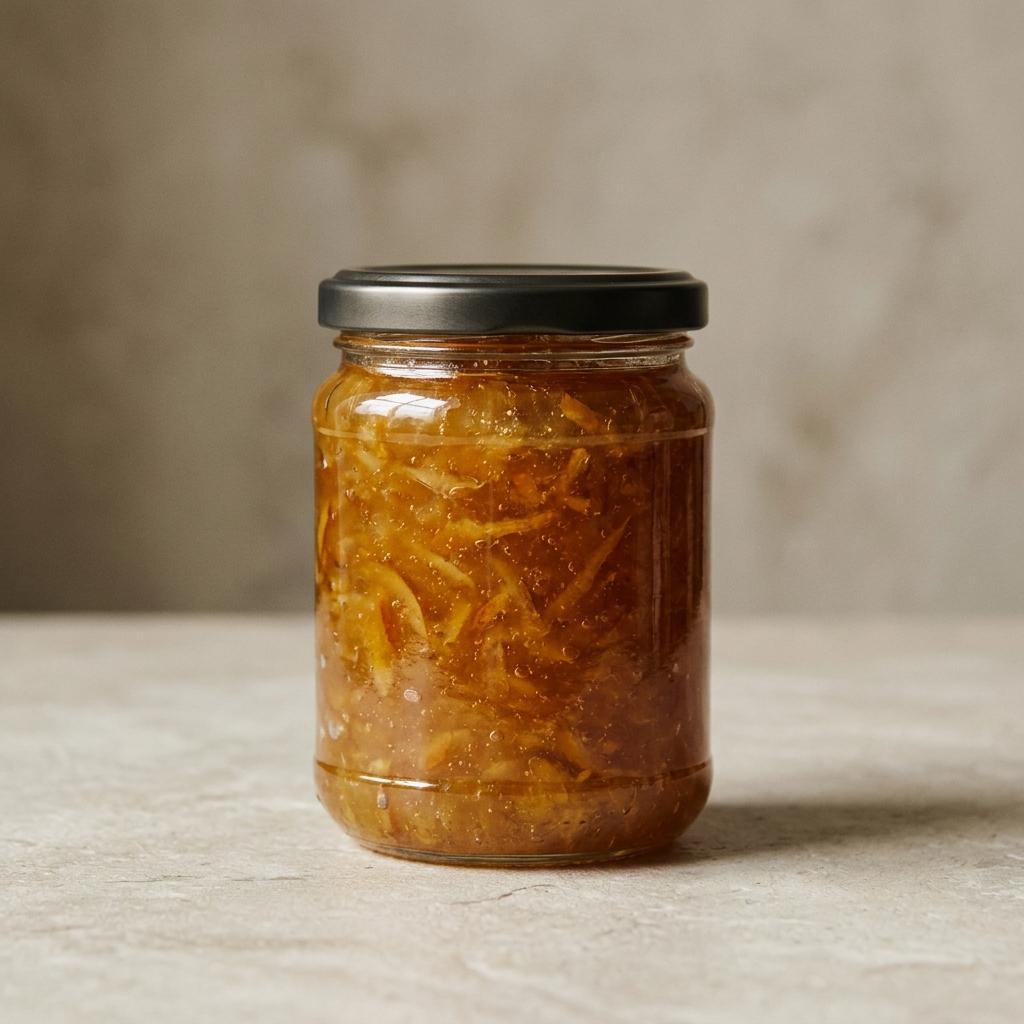
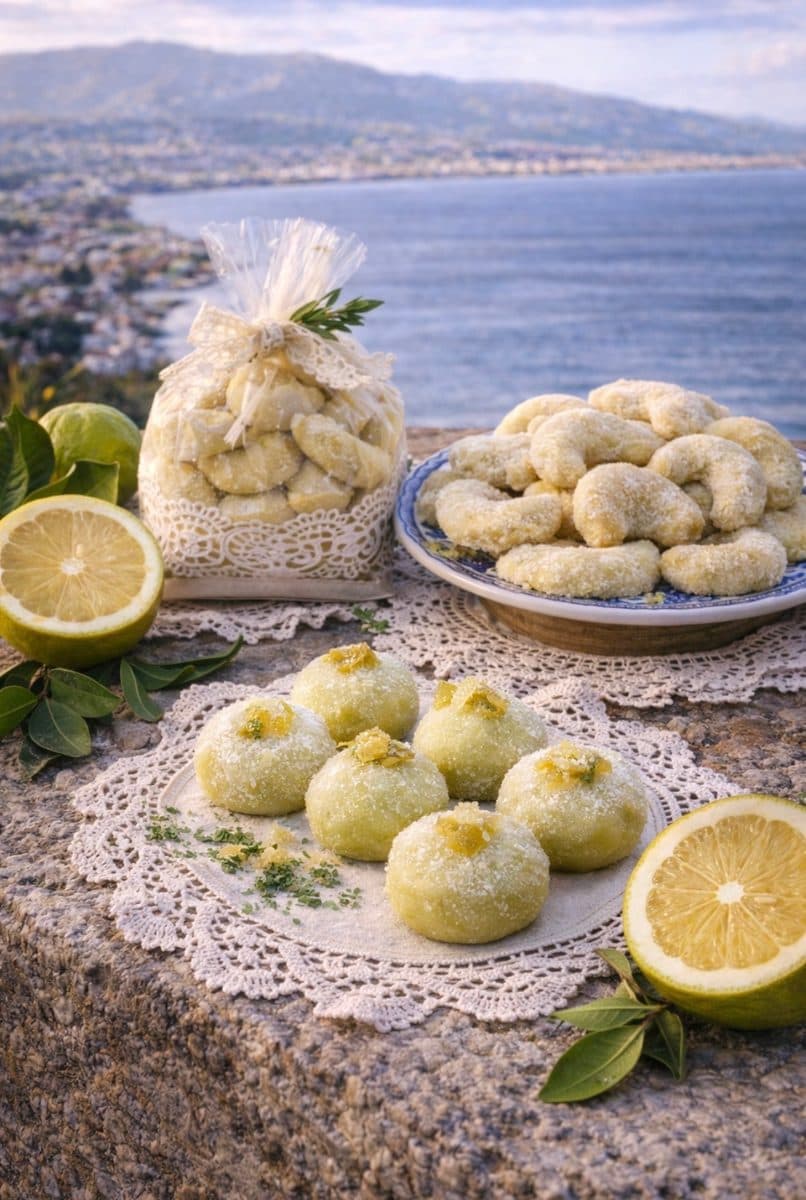
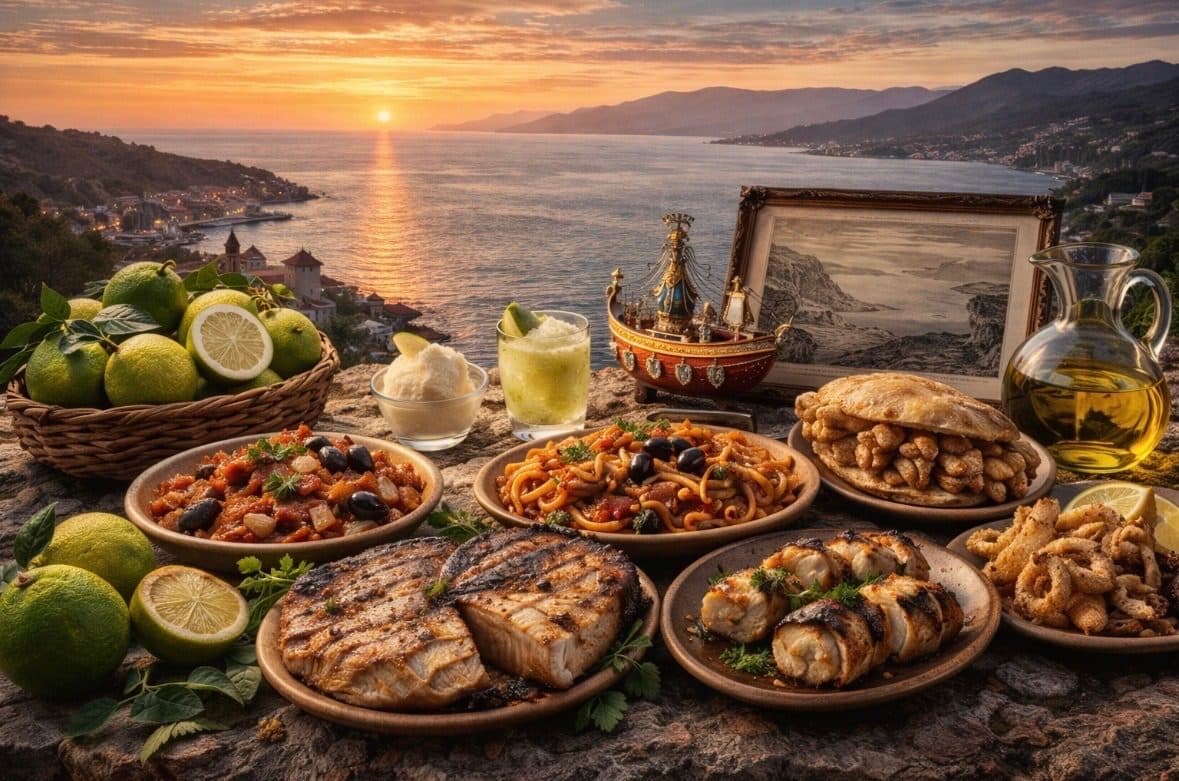
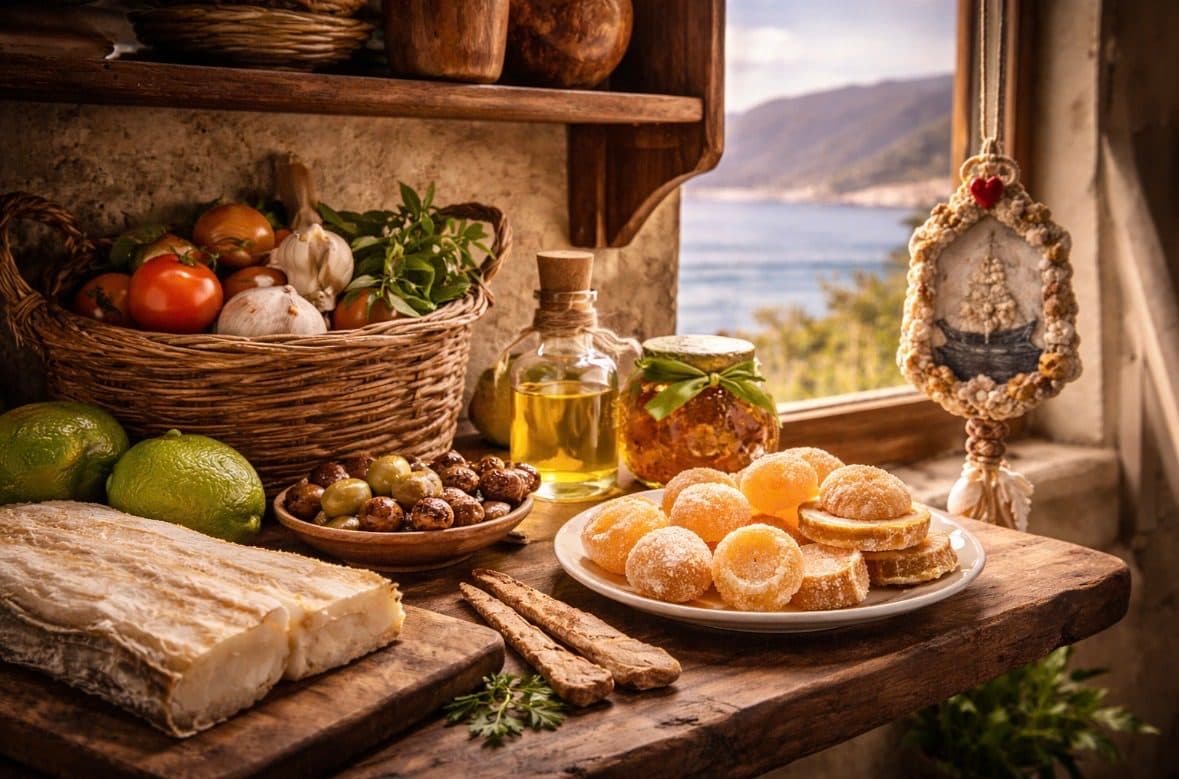
Here you will find products with a verifiable name. Two cured meats for the entire region, Capocollo di Calabria DOP and Soppressata di Calabria DOP, bearing the seal on the packaging. For bergamot, the PDO applies to the bottle of essential oil. An extra virgin IGP, Olio di Calabria: this is the name to look for also on Aspromonte oil. Then the home-grown products, to be chosen by the workshop: crushed olives, bergamot jam, bergamot almond paste, honey-coated and glazed pignolata, struncatura, and Mammola stockfish.
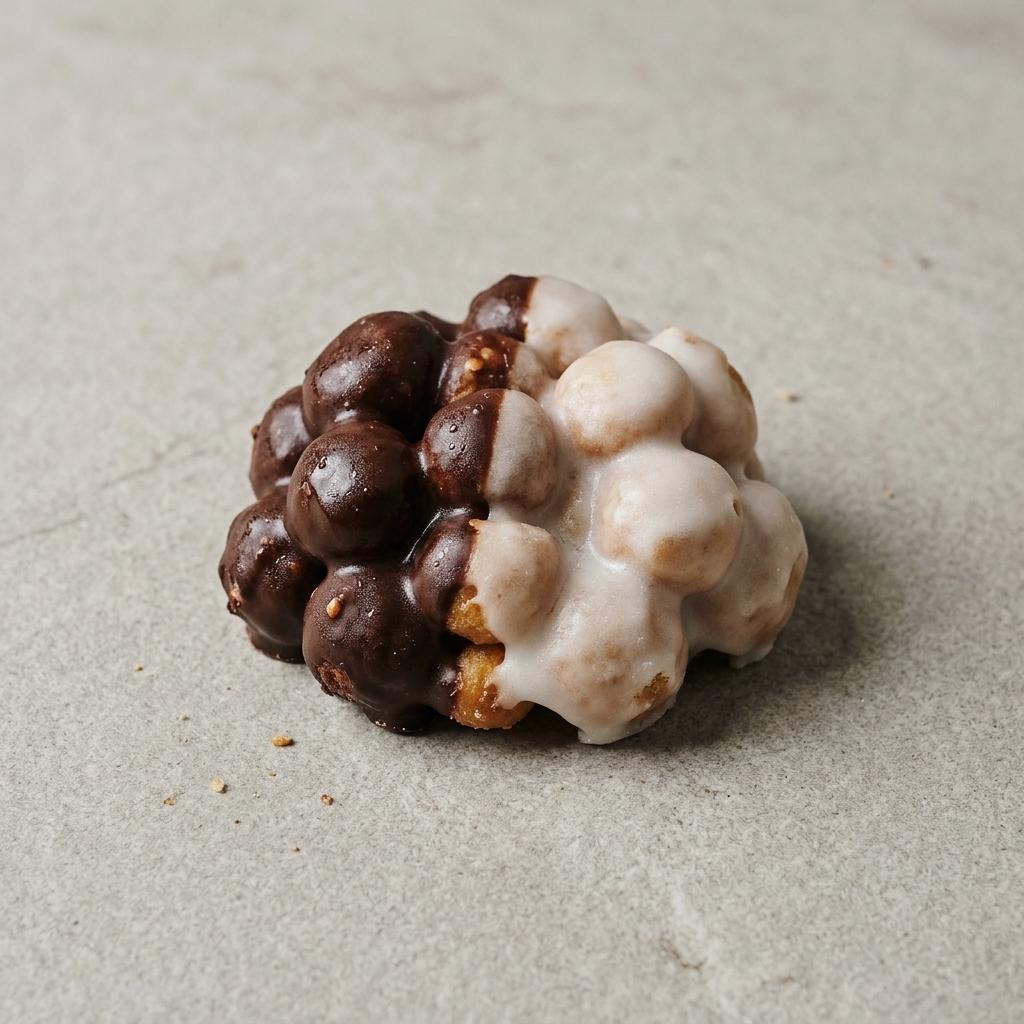
Glazed pignolata resembles the version from Messina because the Strait shares a single culinary culture with two registers. Stating this is more useful than pretending an exclusivity. Similarly, an unbranded mill oil may be the best of the day: buy it for the name of the mill that signs it.
With these names in your pocket, you are paying for the designation the product bears on its label.
Peel, clay, and stockfish
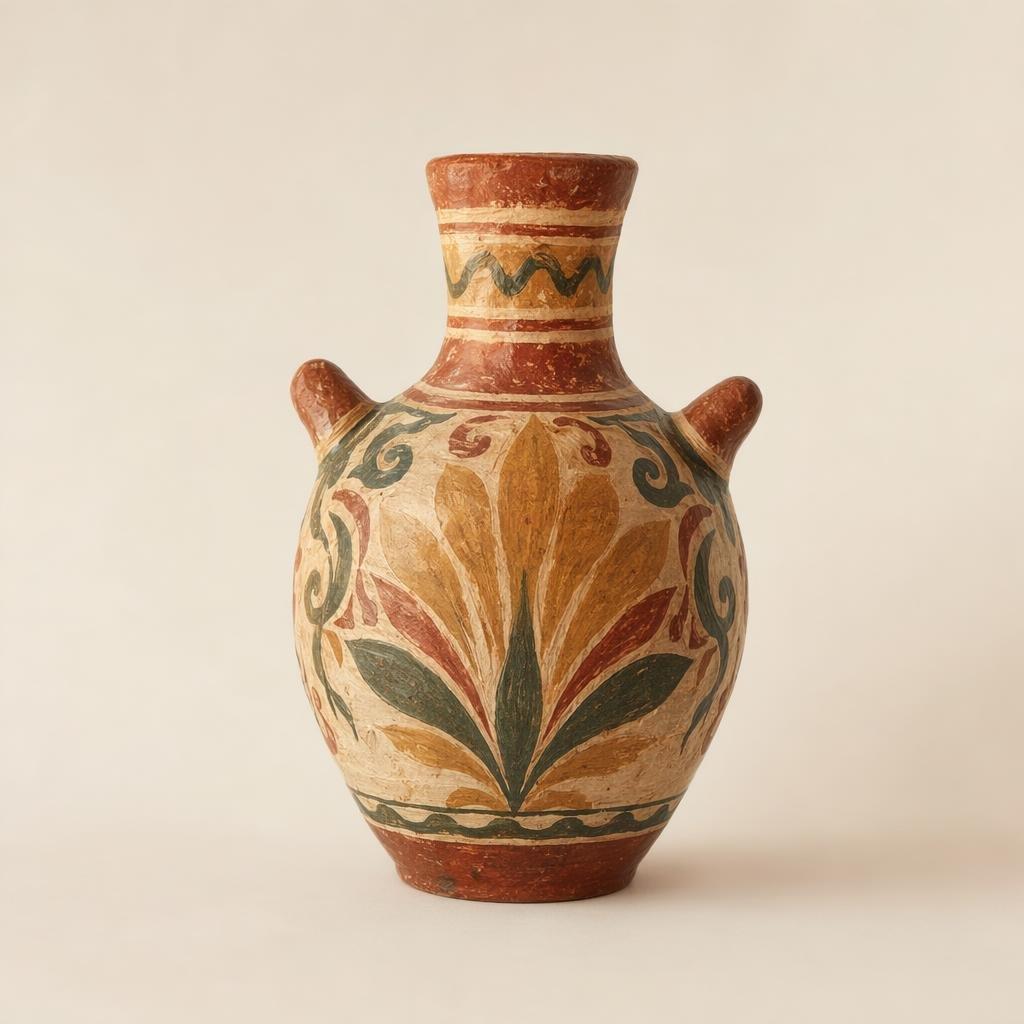
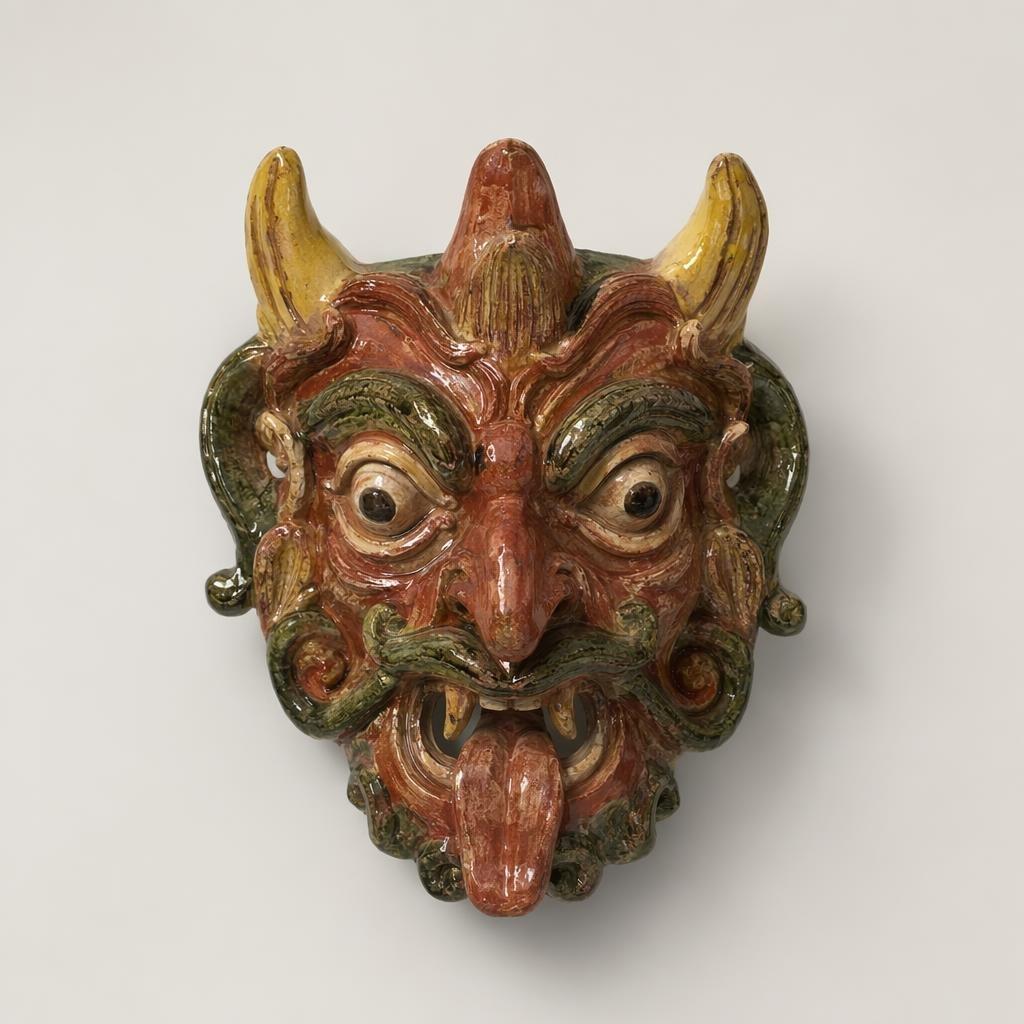
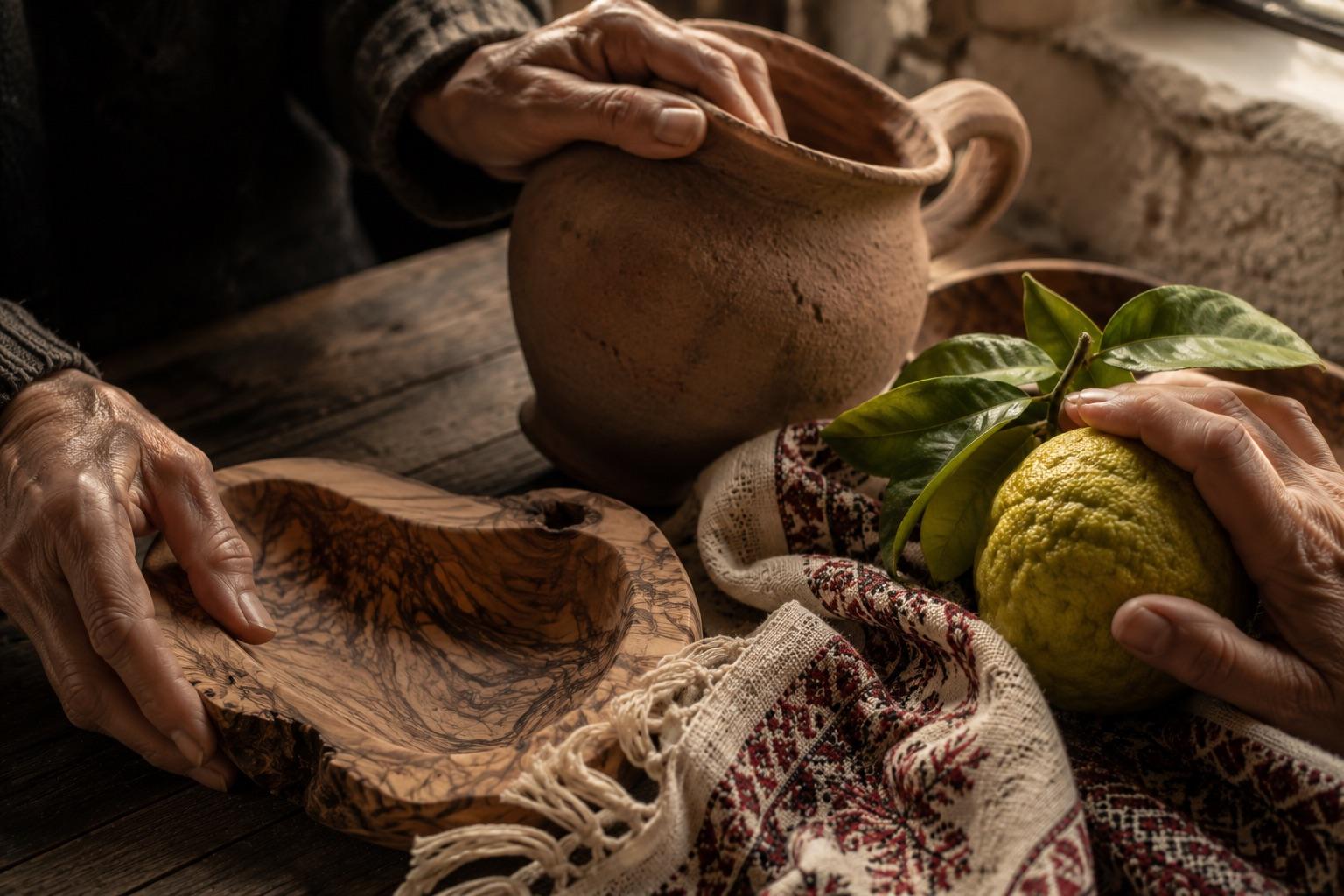
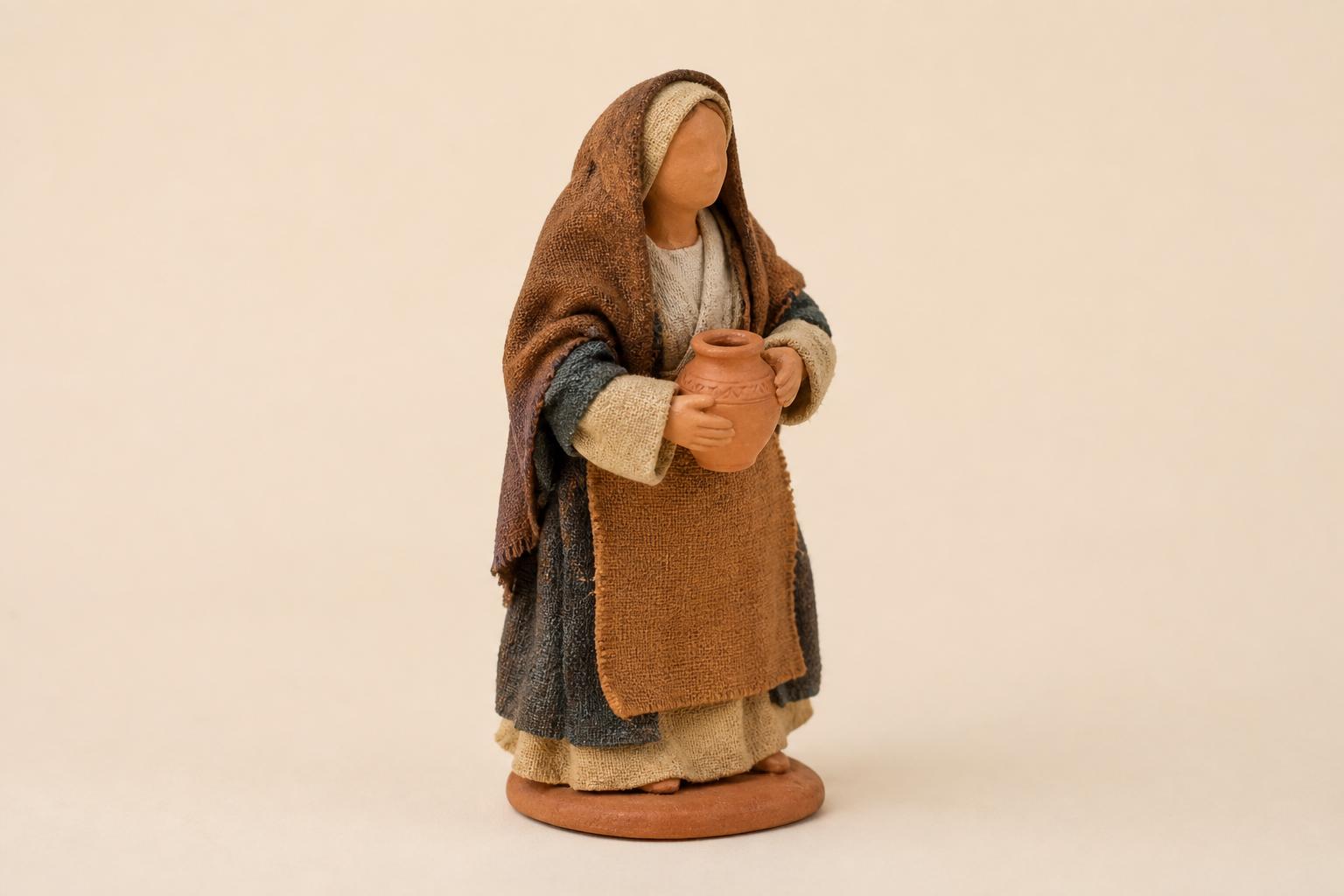
Three crafts, three places. Along the coastal strip, roughly between Villa San Giovanni and the Ionian coast, bergamot is cultivated and the peel oil is extracted cold, bearing the name protected by the 2001 PDO. In Seminara, on the plain, the potters fire plates, pitchers, and masks: here the guarantee is the village kiln and the potter's name. In Mammola, toward the Locride area, workshops rehydrate stockfish and beat it until it becomes stockfish fillets.
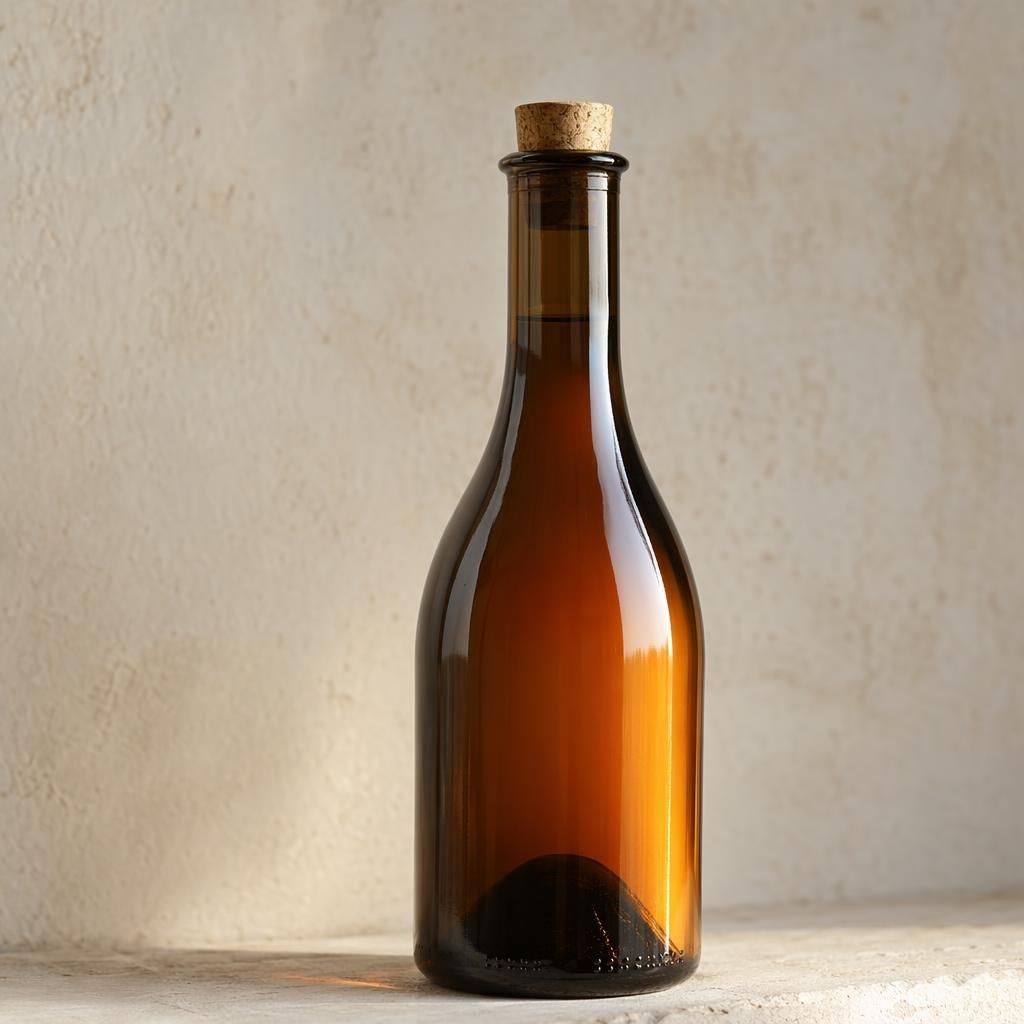
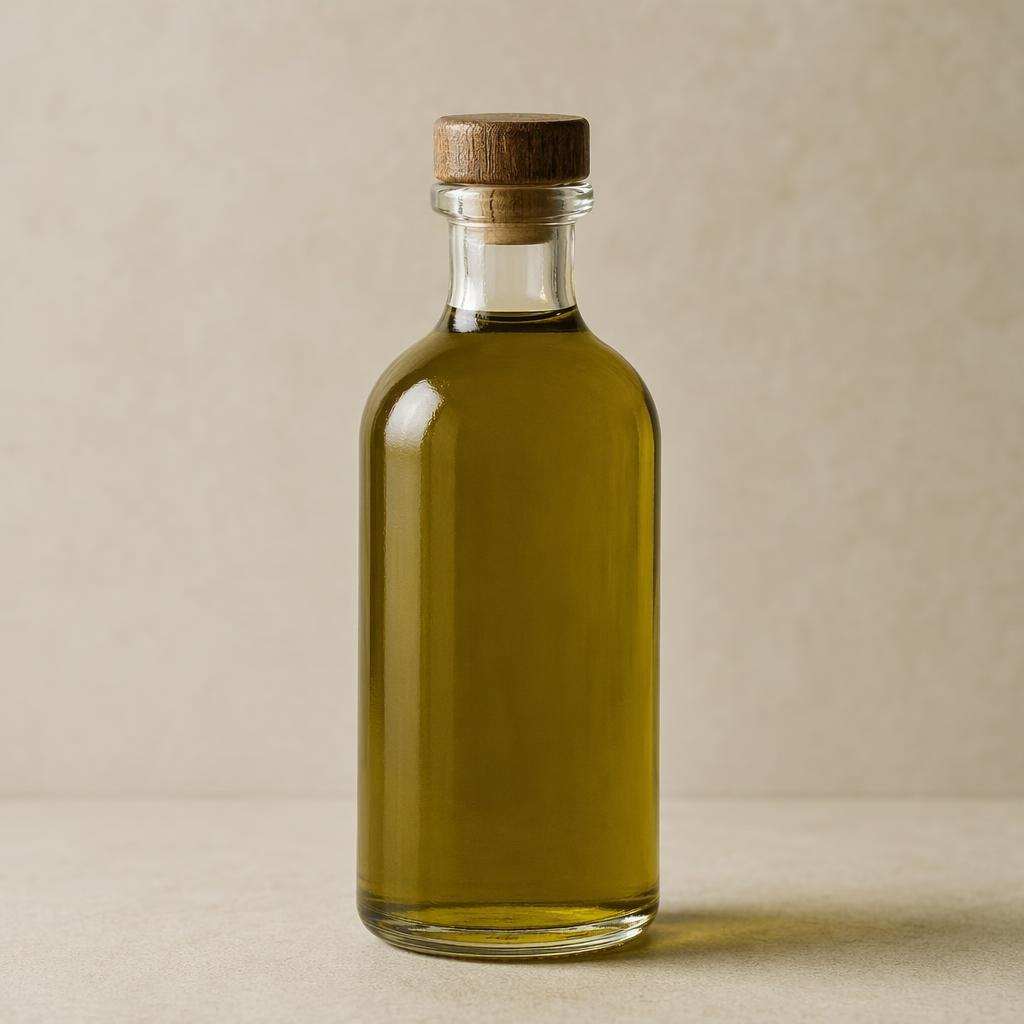
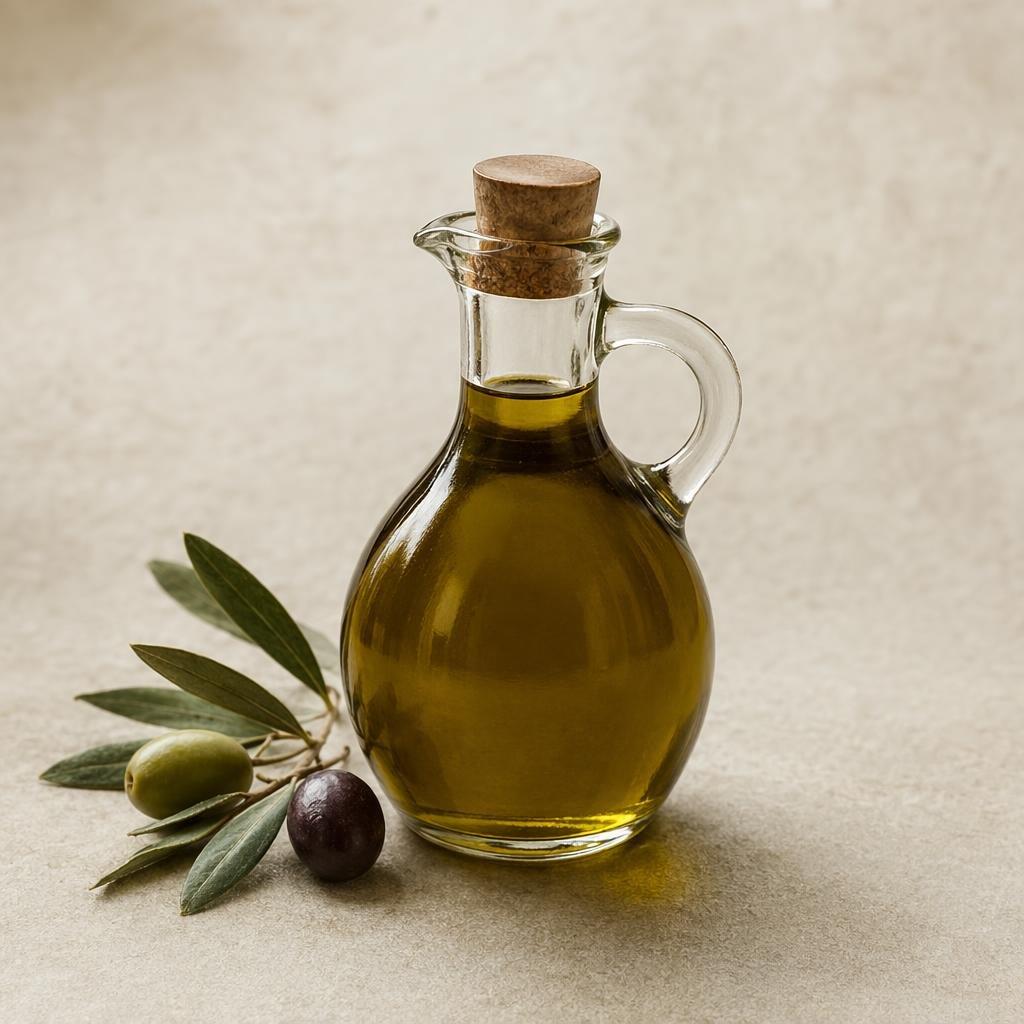
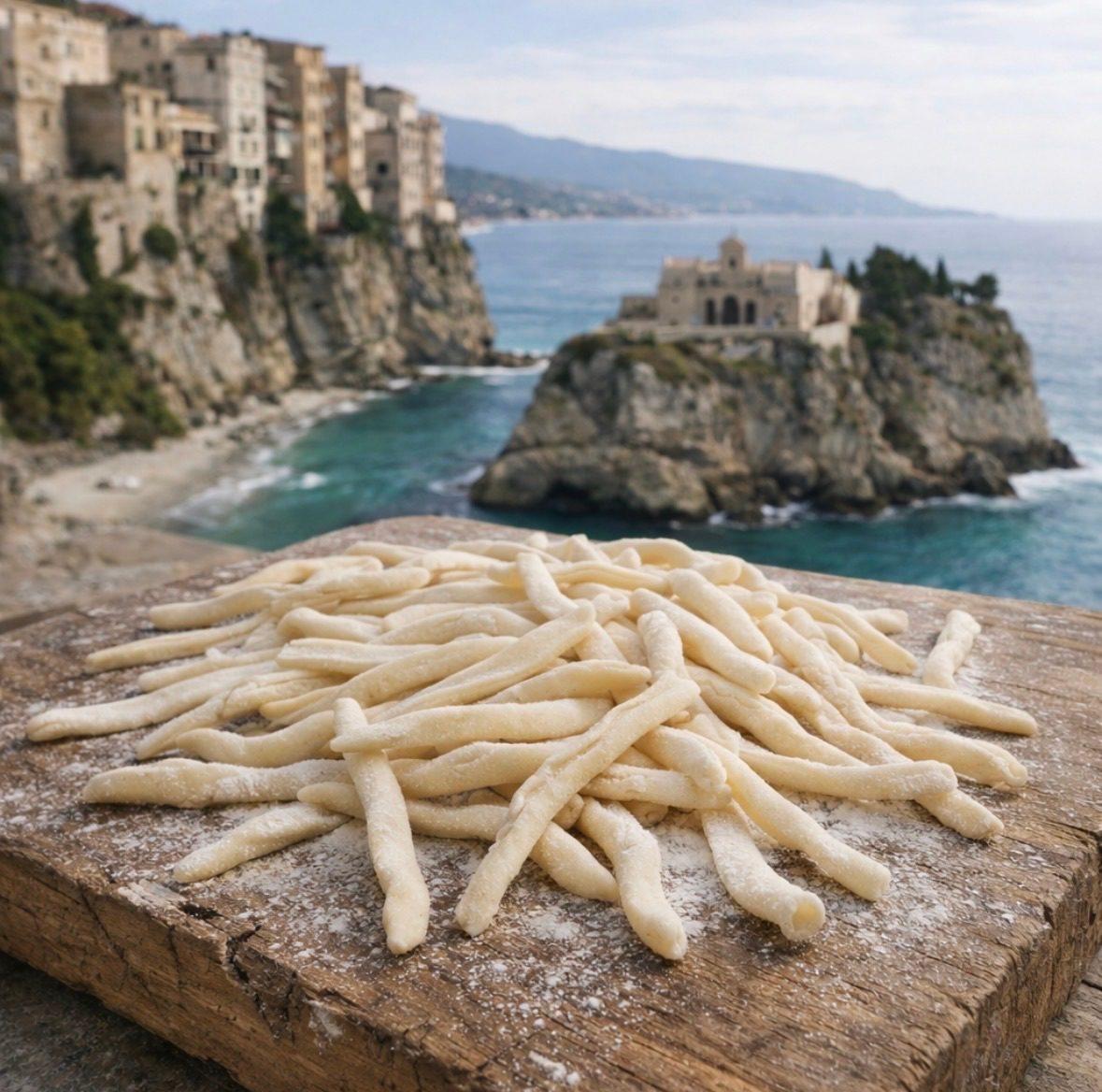
In between, the pasta factories of the Piana di Gioia Tauro produce struncatura, the dark pasta made with bran, and the oil mills of the Aspromonte grind Ottobratica and Sinopolese olives. On the certified bottle you will find the name Olio di Calabria IGP. Each of these crafts has its own town, and there you will find the people who make them.
What to check before paying
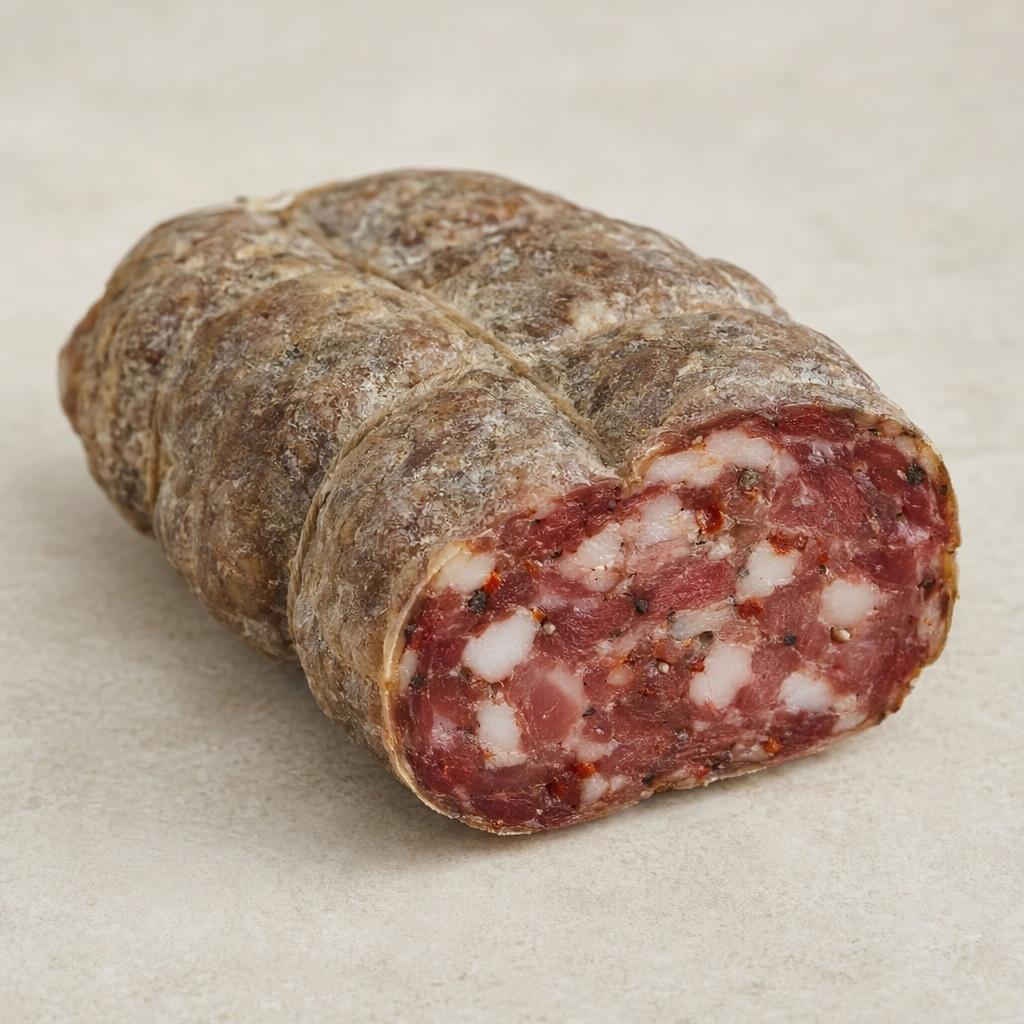
On the bergamot bottle, read the full name, Bergamotto di Reggio Calabria – Olio essenziale, alongside the PDO seal. For bergamot jam and bergamot almond paste, look at the workshop: a good jar of jam lists bergamot, sugar, and who made it. On Capocollo di Calabria DOP and Soppressata di Calabria DOP, look for the seal on the packaging; when sliced, the capocollo shows the whole loin, while the soppressata shows a minced mixture. For oil, you have two paths: the Olio di Calabria IGP bottle, or oil from an oil mill, sold under the mill's name.
For Seminara, ask for the potter's name. For stockfish, ask for Mammola and the workshop. For pignolata, distinguish the glazed version from the honey-coated one and from the version from Messina, which has its own recognition. Here you will find the names to read on the label and the towns to ask for.
Off the main street, with a town in mind
Seminara, for plates and masks. The coastal strip of the province, for essential oil and bergamot jam. The Piana di Gioia Tauro and Palmi, for struncatura. Mammola, for stockfish. The towns along the Strait, from Cannitello toward the center and down to Capo d'Armi, for glazed pignolata.
In the city of Reggio, you will find delicatessens for regional PDO cured meats, and pastry shops for almond paste. The Aspromonte comes into play for oil, provided the bottle is IGP or the oil mill signs its own work.
Four checks, then you pay
Read the abbreviation on the label: for bergamot, the PDO applies to the essential oil, while jam and sweets are chosen by workshop. Ask for the municipality of production: Seminara, Mammola, or Palmi tell you more than the region's name. For a souvenir of Magna Graecia, look for a piece of Seminara ceramics bearing the potter's name or a print signed by the artist.
The Riace Bronzes can be seen at MArRC, the National Archaeological Museum, near the seafront. To get an idea of pricing: a 5–10 ml bottle of essential oil often costs between 8 and 25 euros, while a Seminara plate ranges from 15 to 40 euros.