 €10-€25
Pangiallo Romano in Rome
Why
Pangiallo is an interesting gastronomic souvenir because it tells the story of a less touristy, more domestic side of Rome, shaped by seasonal rituals and family cooking. Unlike more showy desserts, it has a simple shape and keeps well for a long time, making it easy to transport and to share even days after the trip. It is ideal for those who love the intense flavors of dried fruit and honey and for anyone looking for foods tied to local culinary history. Bringing it home means carrying a fragment of Rome’s winter tradition, something sliced slowly and savored calmly, as often happens during family celebrations.
- dolci tradizionali
- Natale romano
- frutta secca
- cucina laziale
- dolci storici
Verified shops arrive in the app
Description of Pangiallo Romano
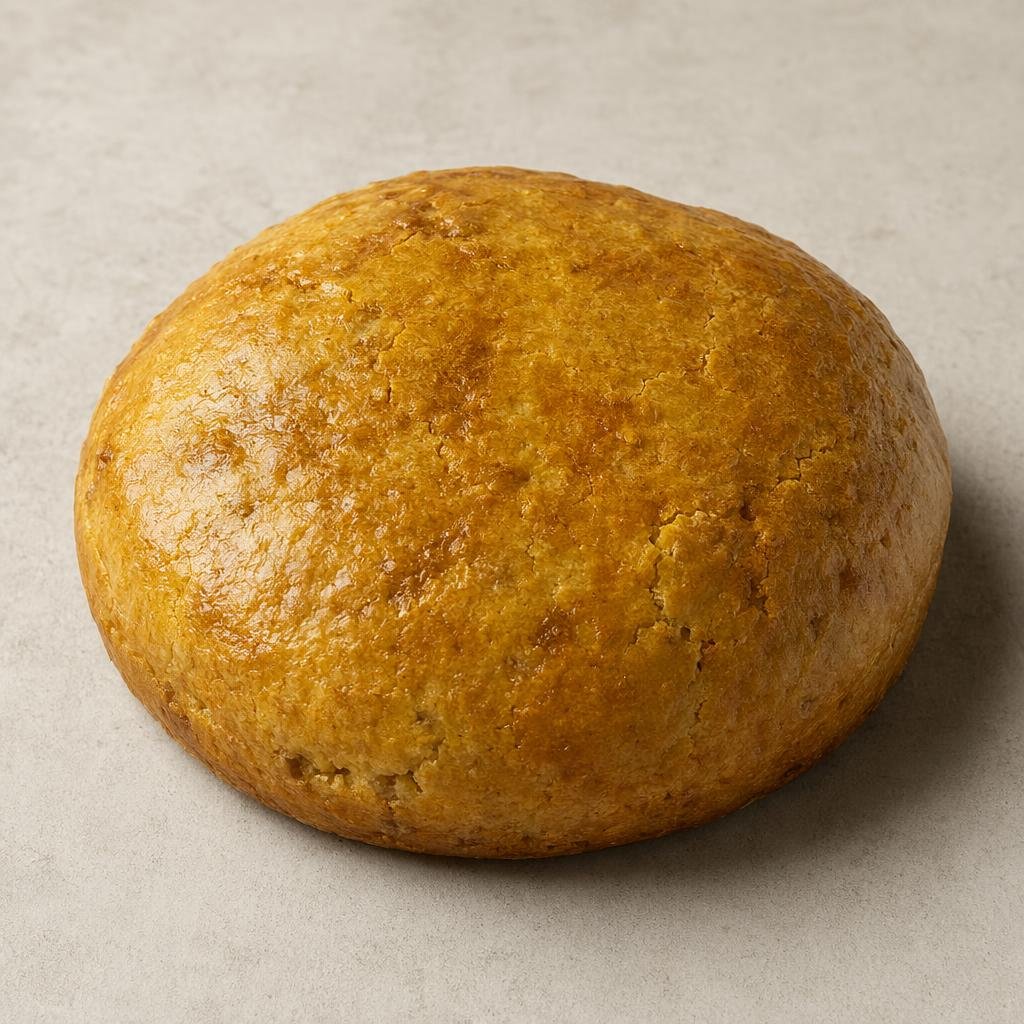
Pangiallo Romano is a compact, fragrant sweet made with dried fruits and nuts (almonds, hazelnuts, walnuts), honey, candied citrus peel, raisins, and spices. The dark, rich dough is covered with a distinctive golden-yellow glaze, traditionally obtained with saffron or with a mixture of flour, water, and egg yolk. It is shaped like a small dome or loaf and cut into thin slices, because it is very concentrated and aromatic. The texture is dense and slightly sticky, more similar to pressed dried-fruit dough than to a soft cake.
Cultural significance of Pangiallo Romano
Pangiallo is symbolically linked to the cycle of the seasons and to Roman domestic tradition. The golden color of the coating recalls the sun and is often interpreted as a wish for light and prosperity during the darkest period of the year. The ingredients — honey, dried fruit, and spices — are energetic, long-lasting foods typical of winter festive preparations. More than a dessert for grand banquets, it has historically been a family product, prepared or purchased to accompany the days of celebration.
Content reviewed by the Trouvenir editorial team against authenticity and provenance criteria.
Unlock the full story
Sign in for free to read why it's special, its origins and the cultural meaning of this souvenir.
Where to find Pangiallo Romano in Rome
Pangiallo can be found mainly in historic bakeries and traditional pastry shops in Rome, especially during the Christmas season. Some examples appear in central neighborhoods and historic rioni, where workshops preserve family recipes. It is also present in local markets and gourmet food shops that highlight products from Lazio. Outside the winter season it is less common, but some pastry shops produce it year-round for those seeking traditional sweets.
Get the full verified list - map, hours, reviews - for Pangiallo Romano in Rome.
More authentic souvenirs of Rome


Not sure your Pangiallo Romano is the real deal?
Upload a photo of the Pangiallo Romano you found: the AI compares it against Trouvenir's verified souvenir database and returns origin, history and authenticity score.
- Compared against the Trouvenir database
- Clear authenticity assessment
- Hints on where to buy it
Go deeper on Pangiallo Romano
Unlock the full editorial dossier, certified shops with maps and opening hours, and related cultural paths.
- Certified shops nearby
- Full origin story
- Related souvenirs & paths
Free · iOS and Android · No subscription
Questions about Pangiallo Romano
What makes Pangiallo Romano authentic?
Pangiallo is symbolically linked to the cycle of the seasons and to Roman domestic tradition. The golden color of the coating recalls the sun and is often interpreted as a wish for light and prosperity during the darkest period of the year. The ingredients — honey, dried fruit, and spices — are energetic, long-lasting foods typical of winter festive preparations. More than a dessert for grand banquets, it has historically been a family product, prepared or purchased to accompany the days of celebration.
Where to find Pangiallo Romano in Rome?
Pangiallo can be found mainly in historic bakeries and traditional pastry shops in Rome, especially during the Christmas season. Some examples appear in central neighborhoods and historic rioni, where workshops preserve family recipes. It is also present in local markets and gourmet food shops that highlight products from Lazio. Outside the winter season it is less common, but some pastry shops produce it year-round for those seeking traditional sweets.
How much does Pangiallo Romano cost?
€10-€25
Why choose Pangiallo Romano as a gift?
Pangiallo is an interesting gastronomic souvenir because it tells the story of a less touristy, more domestic side of Rome, shaped by seasonal rituals and family cooking. Unlike more showy desserts, it has a simple shape and keeps well for a long time, making it easy to transport and to share even days after the trip. It is ideal for those who love the intense flavors of dried fruit and honey and for anyone looking for foods tied to local culinary history. Bringing it home means carrying a fragment of Rome’s winter tradition, something sliced slowly and savored calmly, as often happens during family celebrations.
Take Trouvenir with you
iOS and Android. Free with a one-time Premium option. No subscription.